If you are deciding between Malibu oceanfront and a canyon estate, you are not just choosing a view. You are choosing how you want Malibu to feel when you wake up, how you move through your day, and what kinds of tradeoffs you are comfortable managing as an owner. The right fit comes down to access, privacy, climate, and risk, and understanding those differences can make your search far more focused. Let’s dive in.
Malibu’s Geography Shapes the Choice
Malibu makes this decision sharper than most coastal markets. The city’s land-use framework describes a narrow coastal strip where much of the existing development sits, along with a civic center near the mouth of Malibu Canyon and scattered residences in canyons and on ridges. In simple terms, the coastline and the hills live very differently.
That matters because all of Malibu sits within the California coastal zone, and new development is governed by the Local Coastal Program. So whether you are buying for lifestyle today or planning a future remodel, the setting is not just scenic. It directly affects access, regulation, and the ownership experience.
Oceanfront Malibu: Immediate and Immersive
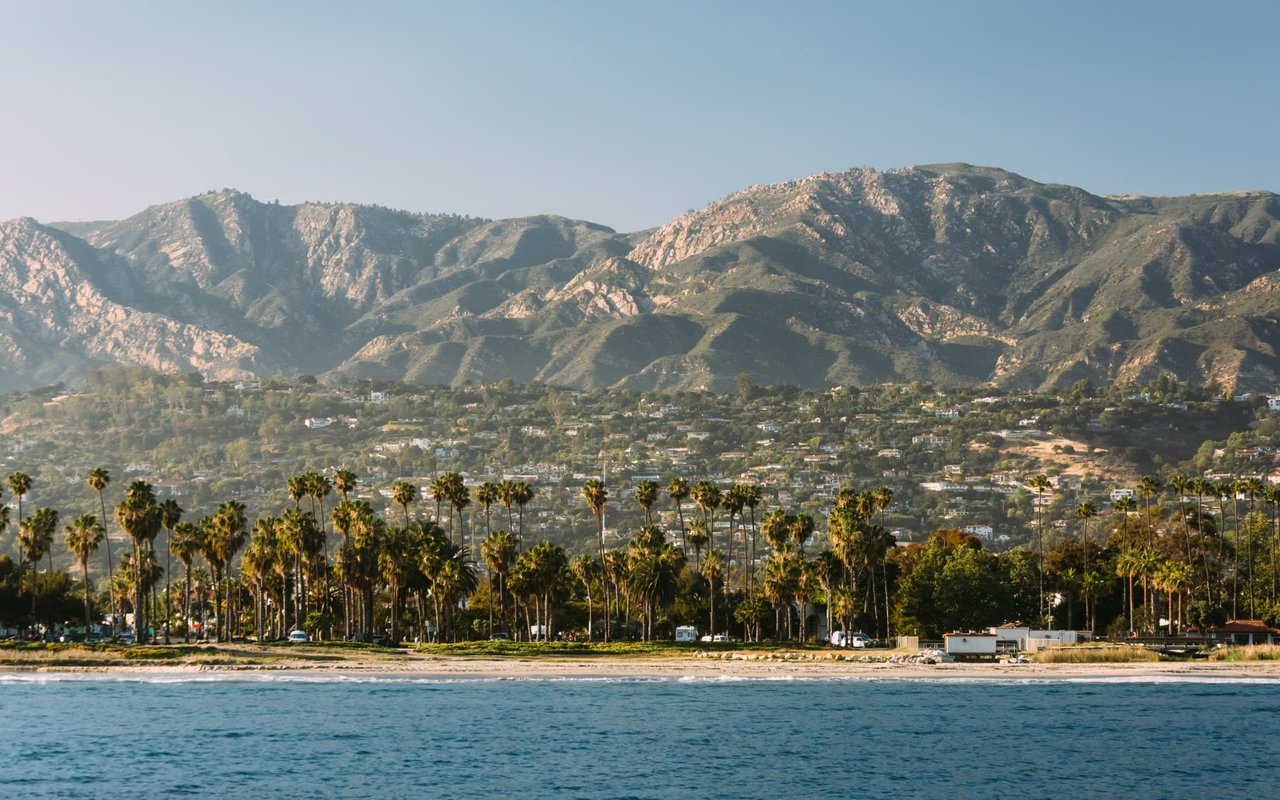
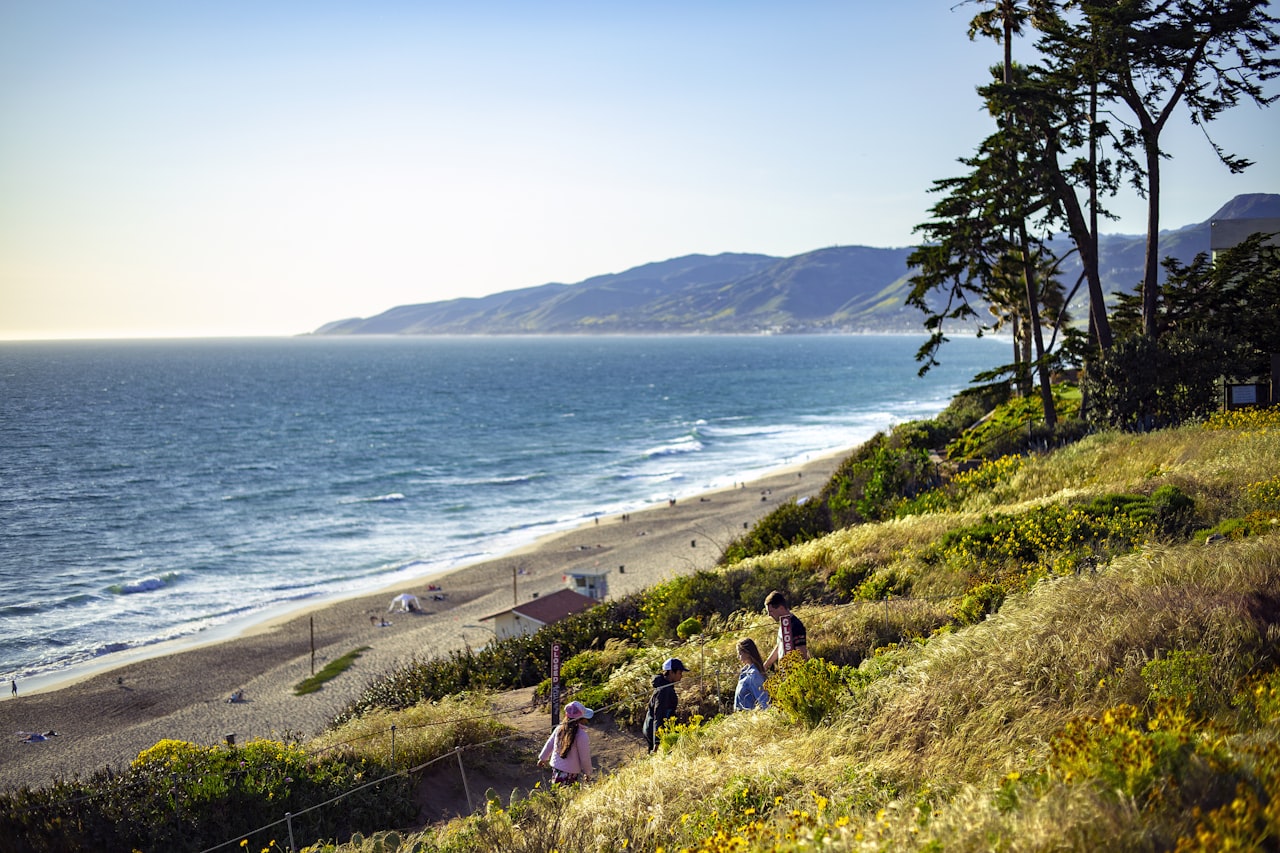
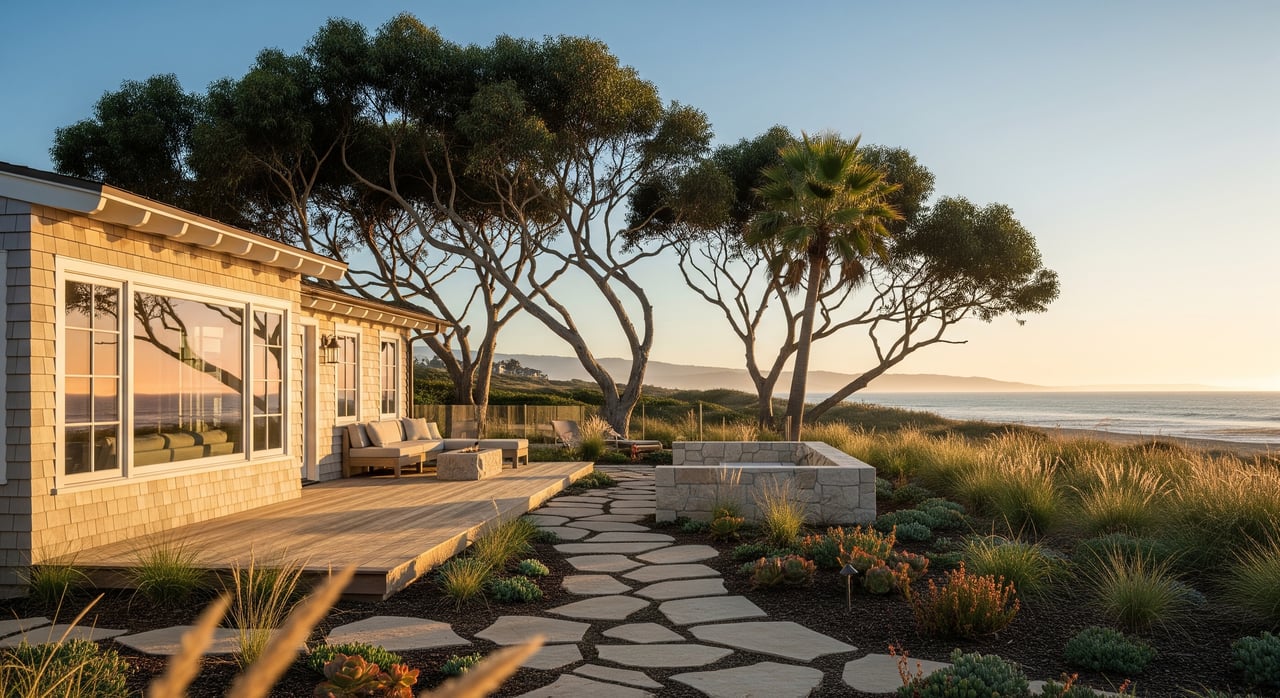
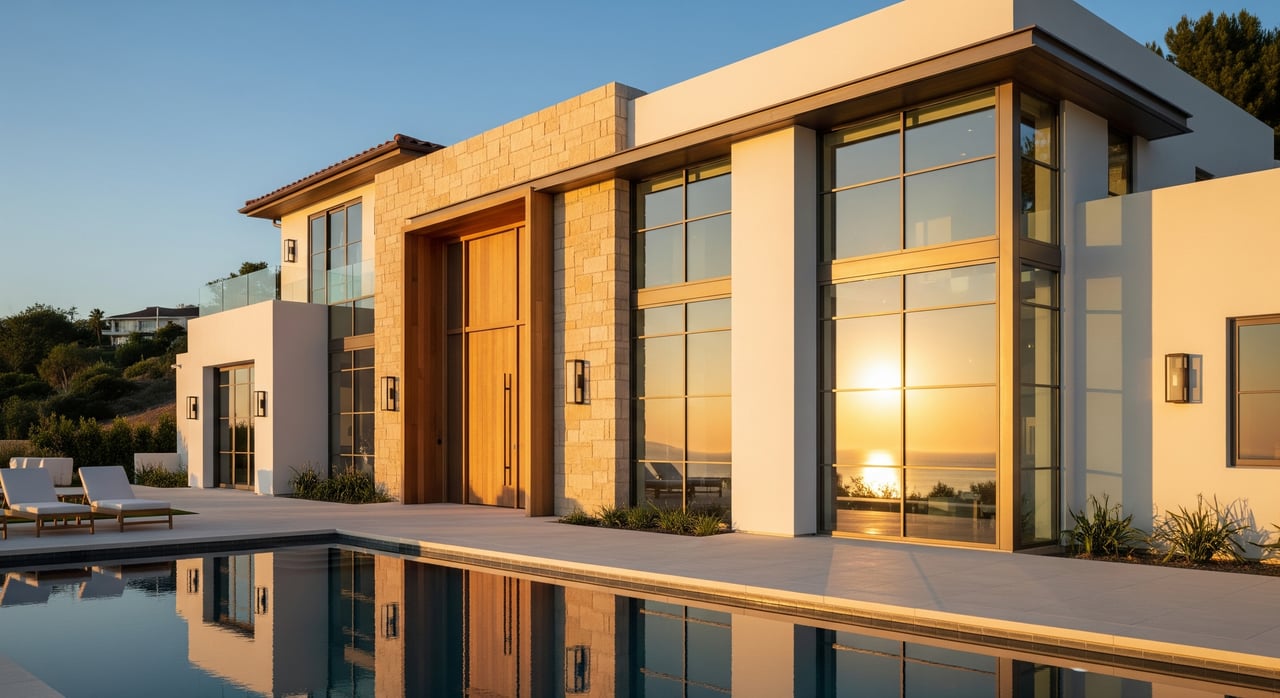
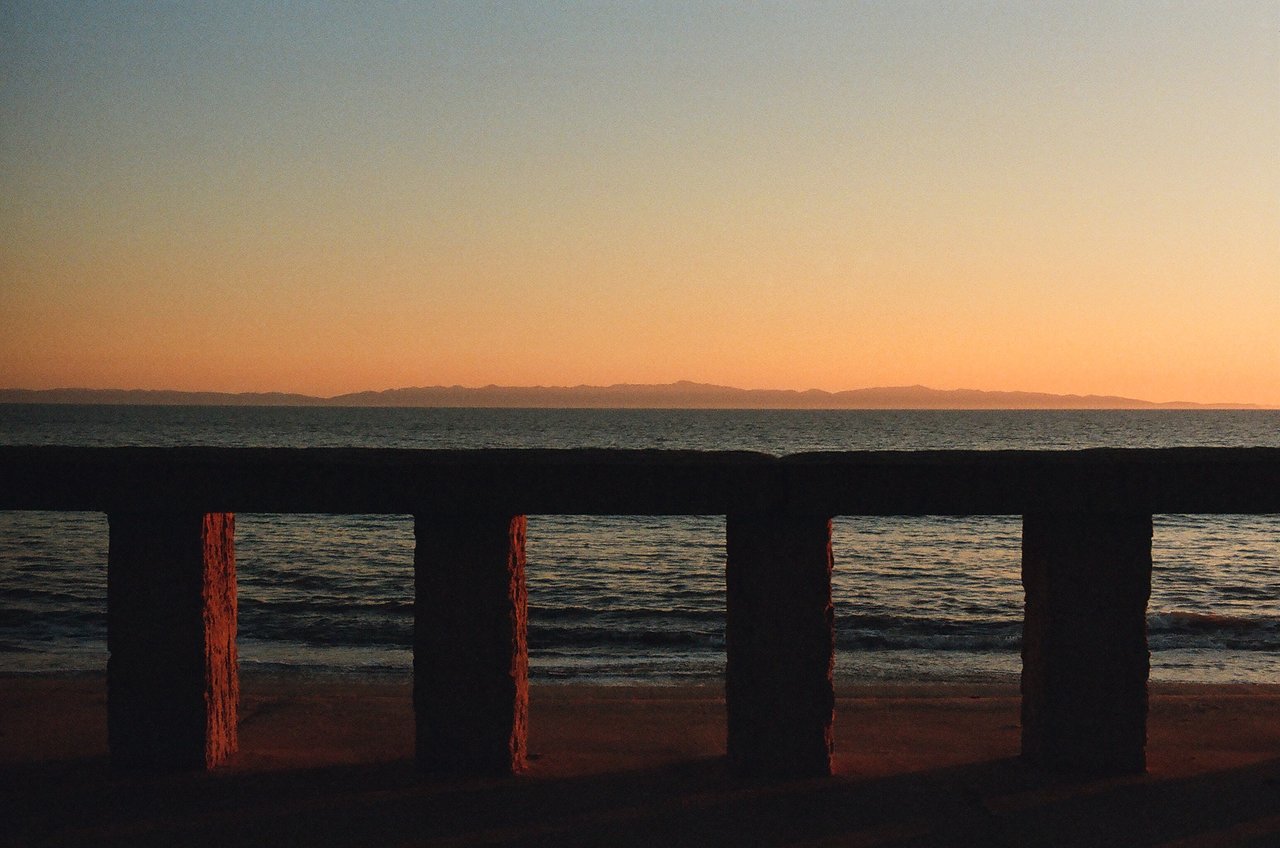
Oceanfront living is the purest beach-first version of Malibu. The city notes that Malibu has 21 miles of coastline, many public beaches and accessways, and beaches that attract an estimated 11 to 12 million visitors each year. Even if your home feels private, the broader setting is active, social, and deeply tied to the rhythm of the coast.
For many buyers, that is exactly the appeal. You are living at the edge of the beach network, with surf, sand, and open water woven into everyday life. The experience feels vivid and immediate in a way few other settings can match.
Oceanfront Climate and Daily Feel
The climate along the water has a distinct marine character. Research on the Malibu-Newton Canyon area describes the coast as more influenced by marine stratus, low clouds, fog, and cooler, more humid conditions. That supports what many buyers notice right away: oceanfront homes often feel breezier, cooler, and softer in light.
If you love a layered marine atmosphere, that can be a major draw. The air often feels closer to the water, and the changing sky becomes part of the architecture of the day. For some buyers, that is Malibu at its most iconic.
Oceanfront Privacy and Design Constraints
Oceanfront privacy in Malibu is nuanced. While there are private residential enclaves along the coast, the shoreline is also closely tied to public accessways and public beach activity. Privacy is possible, but it often exists alongside visibility, movement, and a more public-facing setting.
From a design standpoint, oceanfront homes are also shaped by a narrow and highly regulated coastal edge. Malibu’s land-use pattern suggests that these homes are often highly site-specific and view-oriented, with practical limits created by parcel shape and setbacks. The result can be beautiful and highly tailored, but it is rarely casual or unconstrained.
Oceanfront Ownership Tradeoffs
The premium of oceanfront living comes with coastal exposure. Malibu’s Coastal Vulnerability Assessment identifies sea-level rise, tidal inundation, storm flooding, and coastal erosion as meaningful concerns along the shoreline. The city’s Geology and Coastal Engineering review process also considers wave impact, coastal conditions, and inundation for proposed projects.
For you as a buyer, that means the lifestyle upside is clear, but so is the need for diligence. If beach access is the priority, the tradeoff may be worth it. But oceanfront ownership usually requires a more active understanding of shoreline change, permitting, and long-term property planning.
Canyon Estates: Private and Expansive
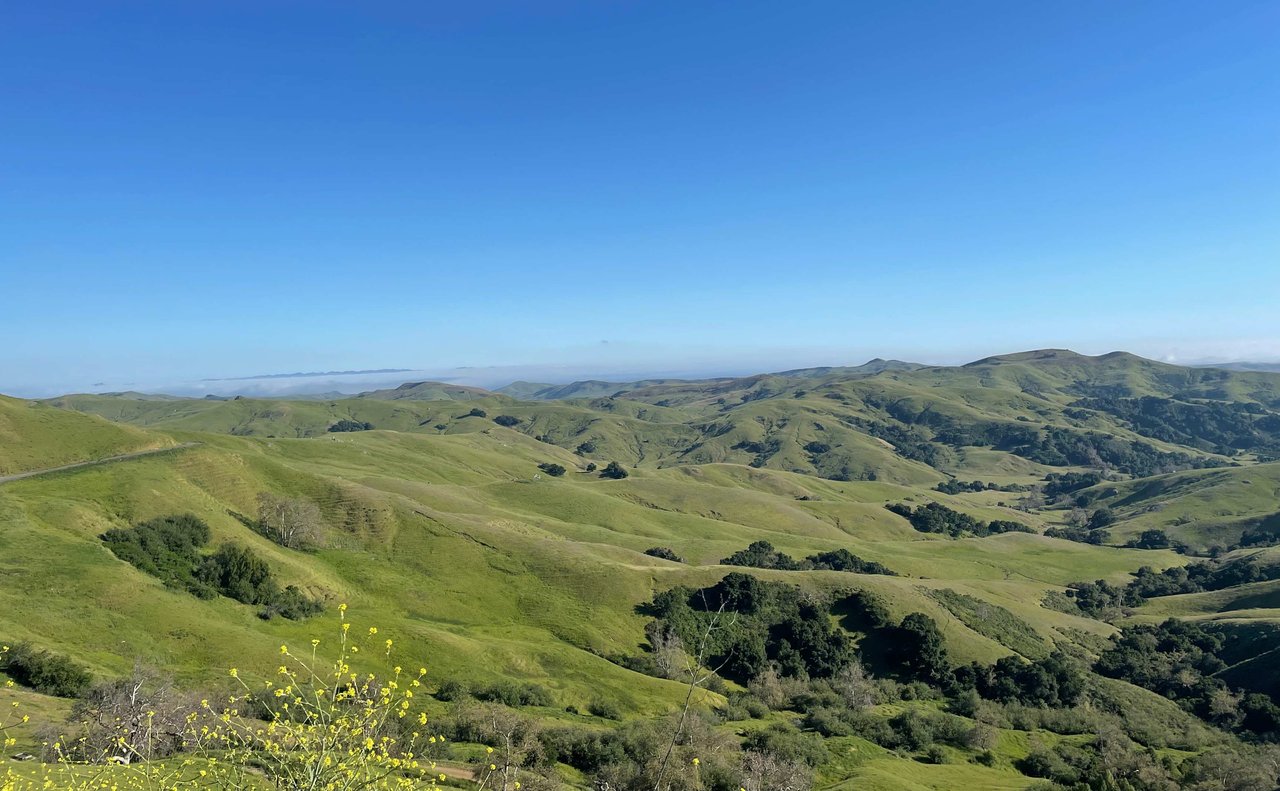
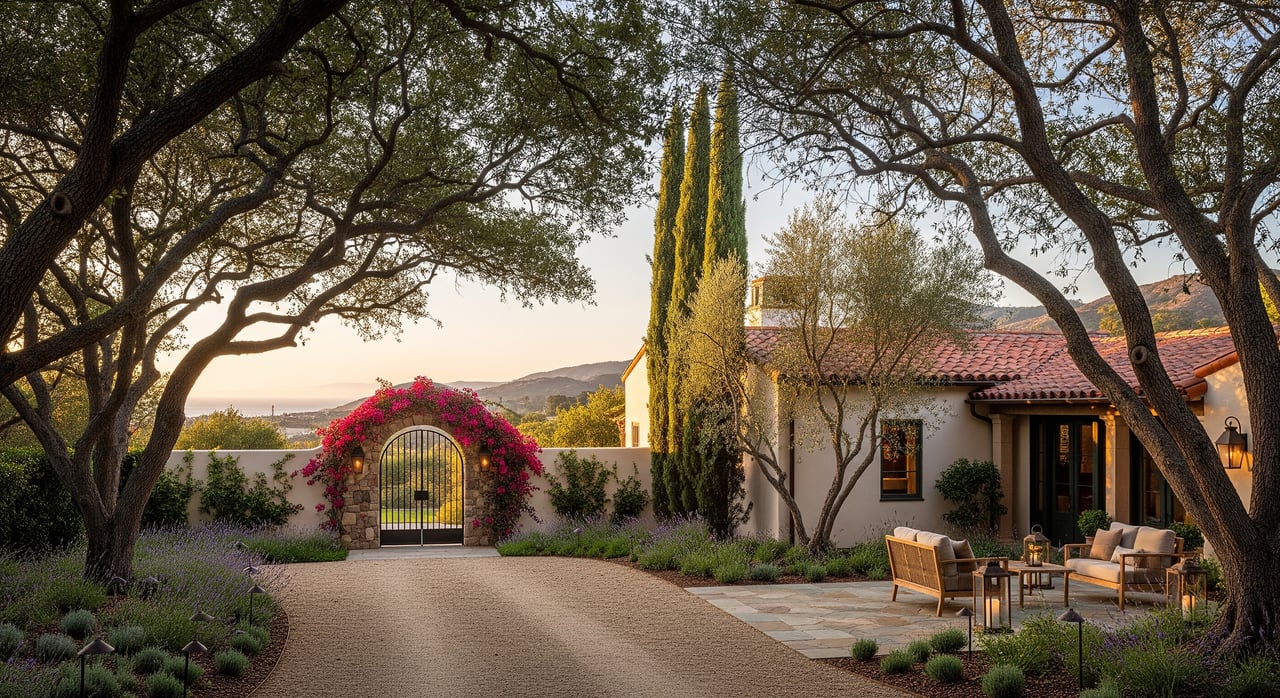
Canyon and hillside estates offer a different version of Malibu. The city’s land-use plan describes the inland portion as a landscape of major canyons and watersheds, with a more rural pattern west of Malibu Canyon Road and residences scattered across canyons and ridges. That geography creates a stronger sense of retreat.
This is where Malibu often feels quieter, more layered, and more removed from the social energy of the beach. Instead of living at the water’s edge, you are living with topography, distance, and open space. For many privacy-minded buyers, that shift changes everything.
Canyon Climate and Atmosphere
The climate in canyon areas can feel subtly but meaningfully different from the coast. Research on the Malibu-Newton Canyon area notes that some interior areas may sit above the marine layer, while evening fog can still move into valleys. In practice, canyon living can feel sunnier and warmer by day, then cooler and marine-influenced at night.
That daily rhythm appeals to buyers who want Malibu’s coastal setting without constant direct exposure to the shoreline climate. You may get brighter afternoons, broader hillside light, and a stronger sense of separation from the coast, even while staying connected to it.
Canyon Privacy and Estate Character
Privacy is often one of the biggest reasons buyers lean toward canyon properties. Malibu’s vision for the city explicitly ties the community to canyons, hills, views, and protection of property-owner privacy. Combined with the scattered development pattern of inland residences, that creates a more secluded and estate-like feel than the narrow oceanfront strip.
This can be especially attractive if you value acreage, compound potential, or a calmer arrival experience. Canyon properties often feel less performative and more inwardly composed. For buyers who want room to breathe, the appeal is obvious.
Canyon Ownership Tradeoffs
The tradeoff is hazard complexity. Malibu’s draft Safety Element states that all of the city is in a mapped Very High Fire Hazard Severity Zone, and it highlights debris-flow events in areas such as Topanga Canyon and Las Flores Canyon. The same planning also notes that some residential areas may need earlier evacuation notifications because of impaired access roadways and single ingress and egress conditions.
That means canyon ownership asks you to think beyond beauty and privacy. Brush management, slope stability, and evacuation planning are practical parts of the ownership equation. If you are considering a hillside or canyon parcel, access routes should be part of your due diligence from the start.
Access, Town Convenience, and Routine
Lifestyle in Malibu is also shaped by how you reach the places you use most. The city identifies the Civic Center and Cross Creek area as the largest concentration of commercial uses, including shops, restaurants, food stores, civic offices, and other everyday services. Pacific Coast Highway remains the main organizing corridor.
For oceanfront buyers, that can mean stronger proximity to the beach culture and the PCH corridor. For canyon buyers, the reward is often more privacy and more retreat, but sometimes with extra turns, more road time, or a more complex route for daily errands. The practical question is not just how far the property is from town. It is how the drive actually fits into your routine.
There is also a service dimension to consider. Malibu notes that its geography includes both beach properties and homes accessed by canyon roads or Pacific Coast Highway, and that haulers and service providers are challenged by traffic and terrain. In real life, that can affect deliveries, maintenance windows, and other routine logistics.
Remodeling and Permitting Matter in Both Settings
If you are buying with plans to remodel, expand, or rebuild, Malibu’s permitting structure deserves early attention. Because the entire city is within the coastal zone, projects are shaped by the Local Coastal Program. The city also notes that a new onsite wastewater treatment system requires a Coastal Development Permit along with city review.
This matters on both the coast and in the hills. Oceanfront homes may face more direct coastal review issues, while canyon and hillside properties may raise site access, slope, or infrastructure questions. Either way, a property’s future potential should be evaluated with the same care as its present lifestyle appeal.
Which Malibu Lifestyle Fits You?
The oceanfront versus canyon decision is really about what you want Malibu to do for you every day. If you want the coast at your doorstep, oceanfront living offers spectacle, immediate beach access, and a direct connection to Malibu’s shoreline identity. If you want privacy, open space, and a stronger sense of refuge, the canyons and hillsides often deliver that more naturally.
Neither option is universally better. One gives you immediacy and exposure. The other gives you distance and discretion. The best choice is the one that aligns with how you want to live, entertain, travel through the day, and steward the property over time.
If you are weighing a coastal home against a canyon estate in Malibu, the right guidance should be as nuanced as the properties themselves. The Eric Haskell Group brings a design-driven, discreet approach to remarkable coastal and estate properties, helping you evaluate not just the address, but the full ownership story.
FAQs
What is the main lifestyle difference between oceanfront and canyon homes in Malibu?
- Oceanfront homes offer immediate beach access and a more social coastal setting, while canyon homes usually offer more privacy, a retreat-like atmosphere, and stronger separation from the shoreline.
How does climate differ between Malibu oceanfront and canyon estates?
- Oceanfront areas are generally cooler, breezier, and more humid because of marine influence, while canyon areas can feel sunnier and warmer by day, with fog sometimes settling into valleys in the evening.
Are Malibu canyon estates usually more private than oceanfront homes?
- In many cases, yes. Malibu’s inland pattern of scattered residences on hillsides and ridges often creates a more secluded estate feel, although privacy can vary by specific location and access patterns.
What risks should buyers consider for Malibu oceanfront properties?
- Buyers should consider coastal hazards such as sea-level rise, tidal inundation, storm flooding, erosion, and the added importance of coastal review and permitting for future property changes.
What risks should buyers consider for Malibu canyon and hillside homes?
- Buyers should pay close attention to wildfire exposure, debris-flow history, slope stability, and road access, including whether evacuation routes are limited or more complex.
Does location affect convenience to Malibu shops and restaurants?
- Yes. Malibu’s main commercial concentration is around the Civic Center and Cross Creek area, so convenience often depends not just on distance, but on which roads connect the property to the places you use most.
Do remodeling plans matter when choosing between Malibu oceanfront and canyon properties?
- Yes. Because all of Malibu is in the coastal zone, remodeling or rebuilding can involve city review and Local Coastal Program requirements, so future plans should be part of your property evaluation early on.