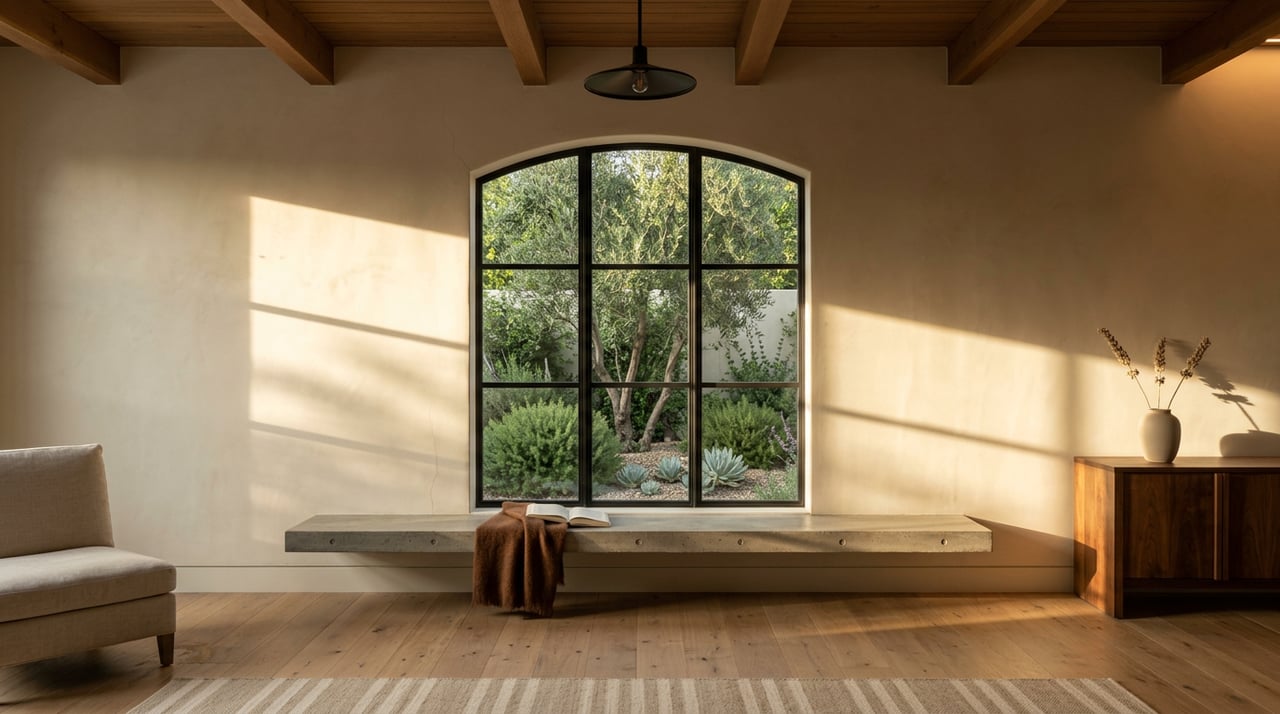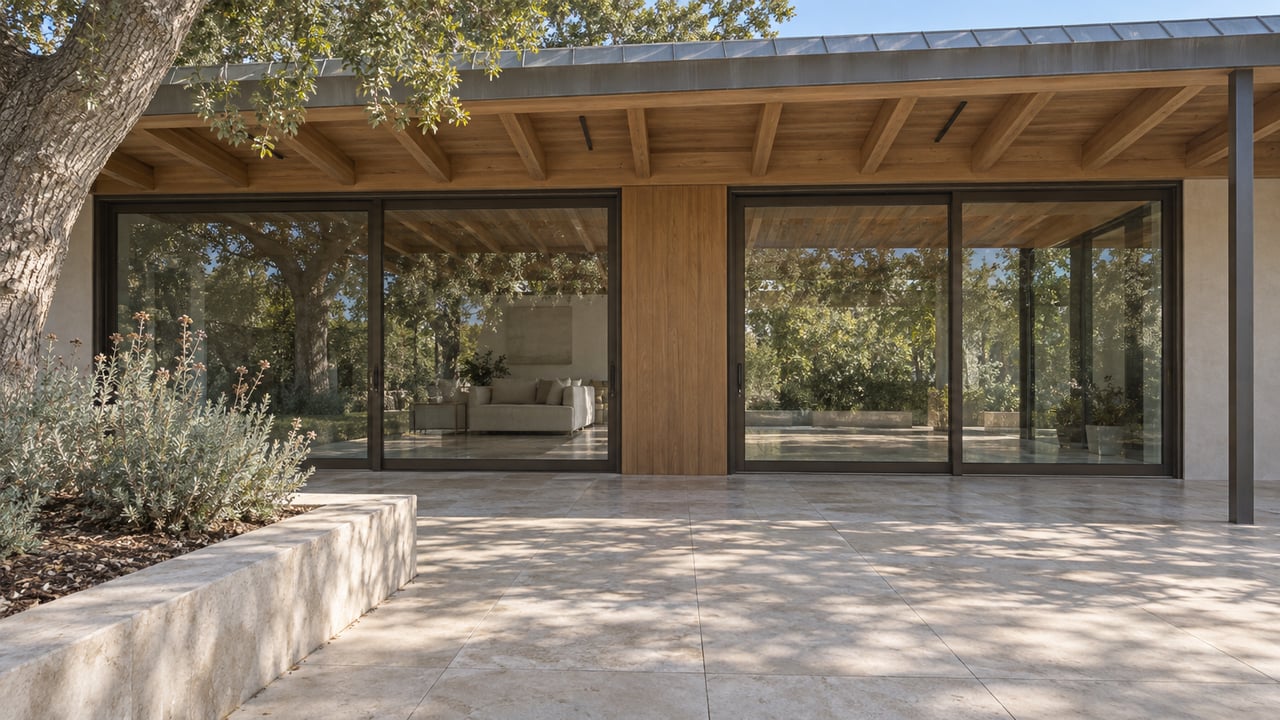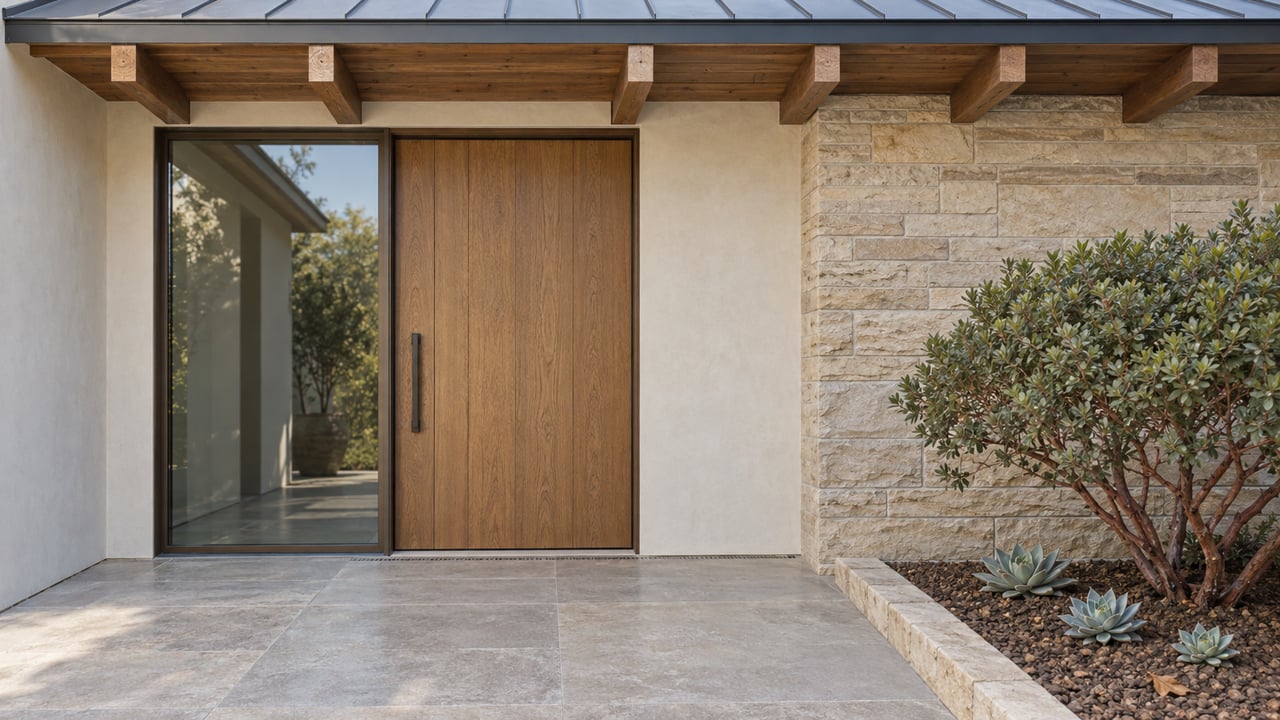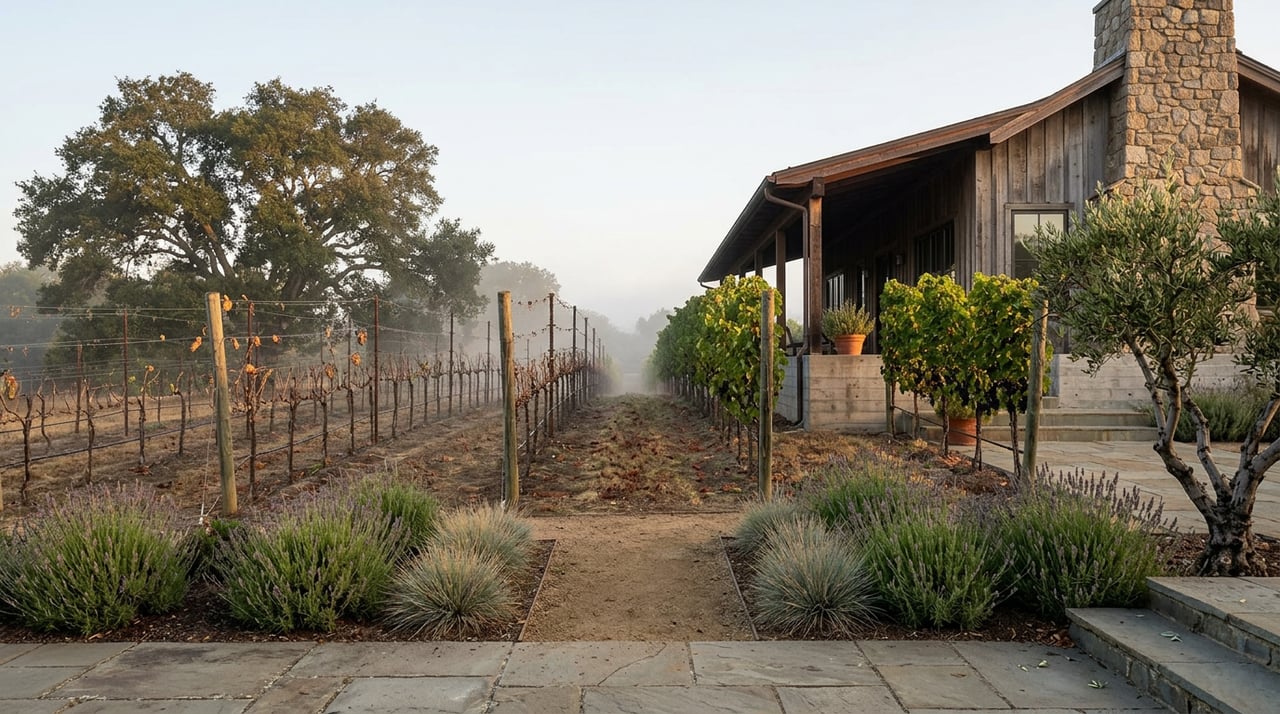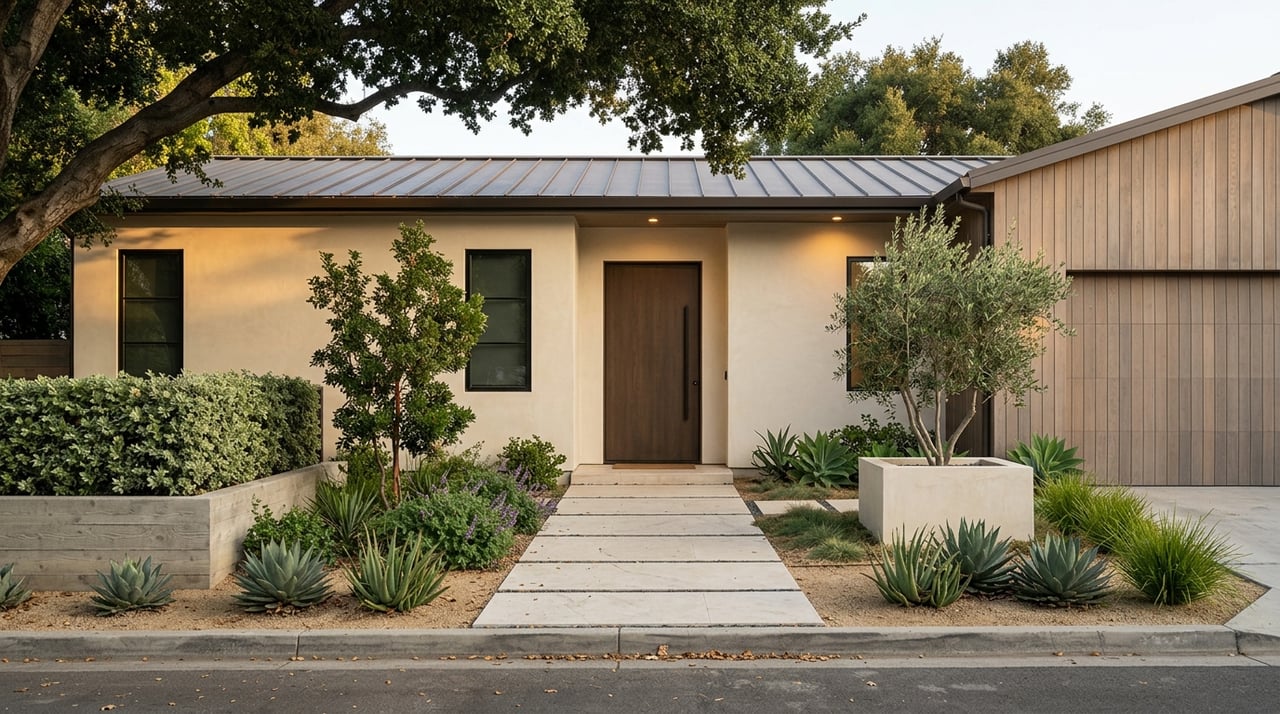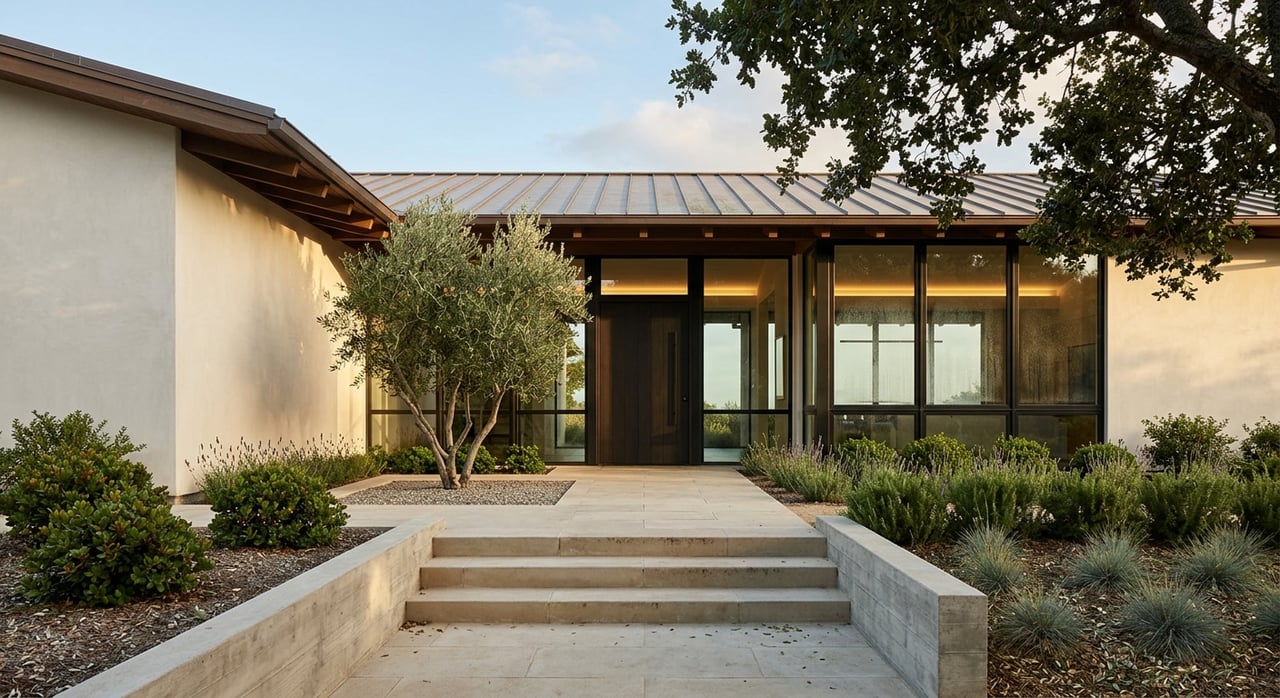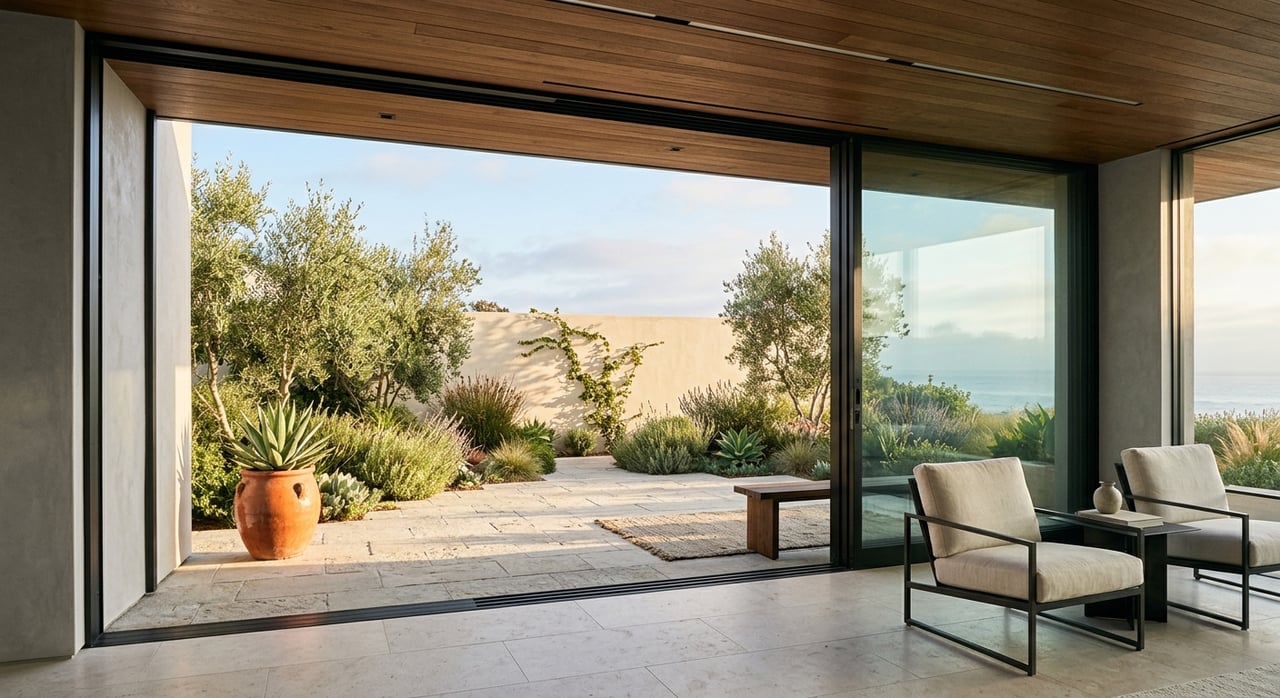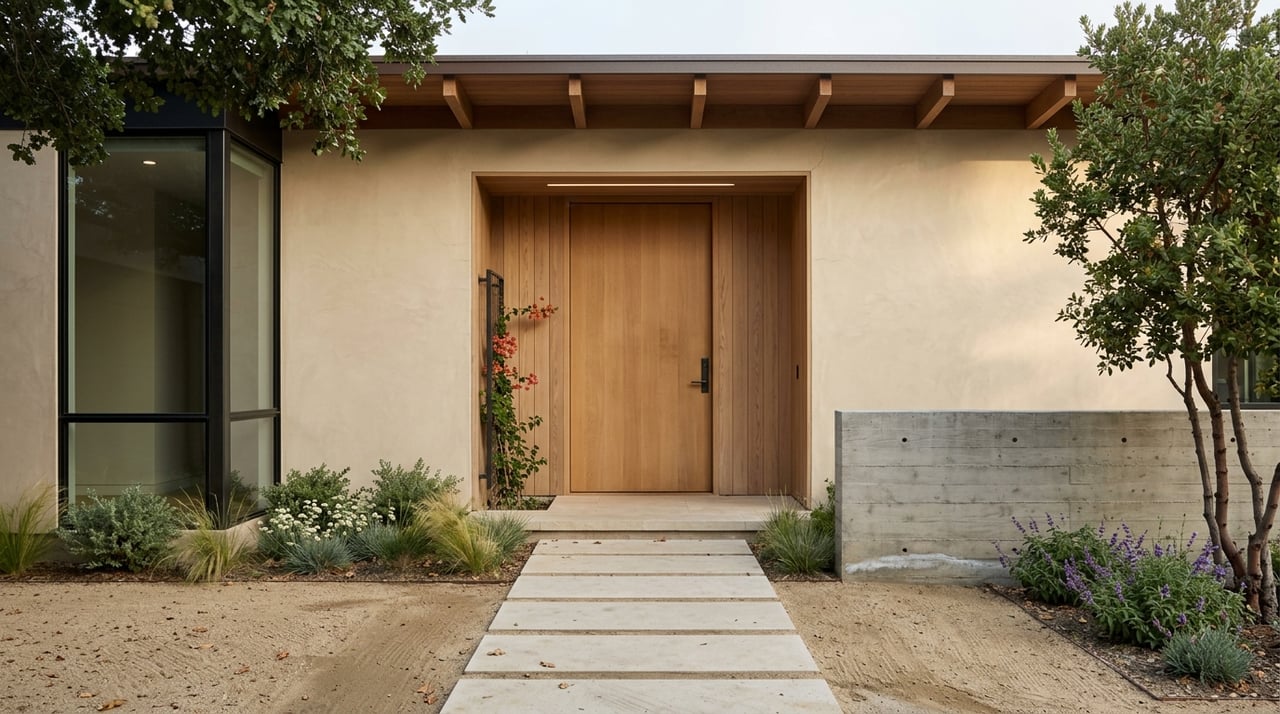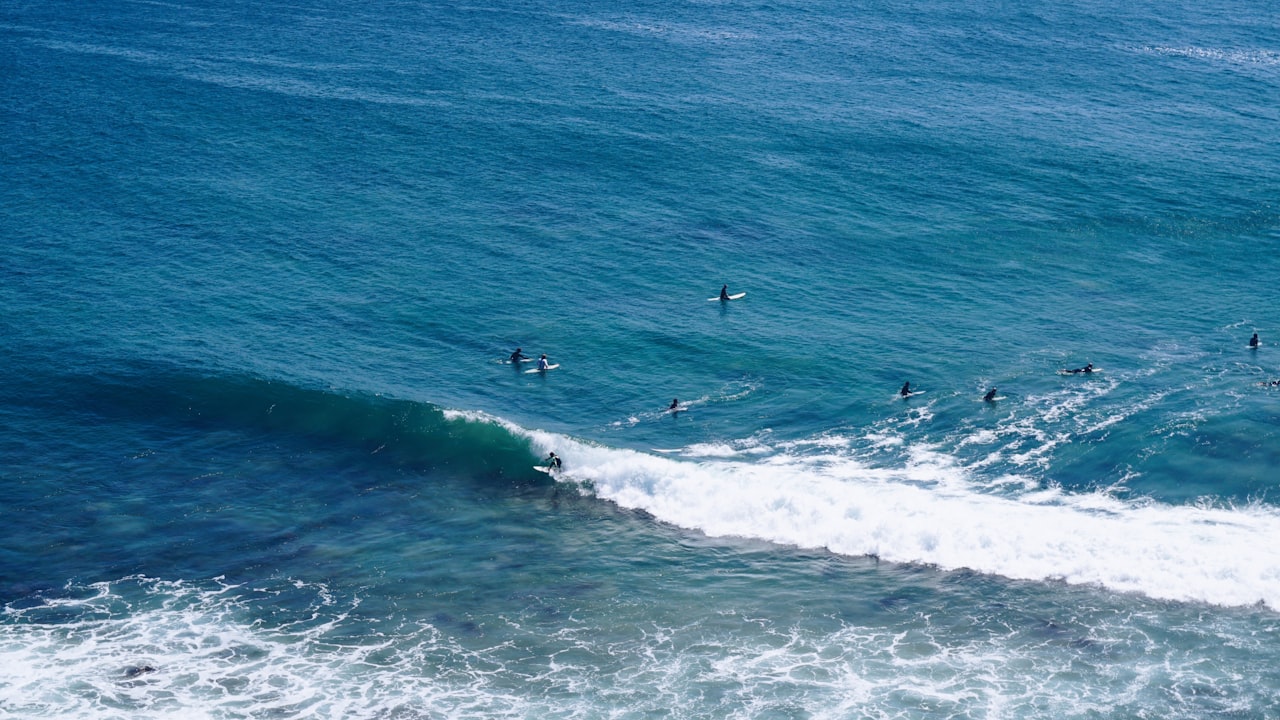
Are you torn between waking to the sound of waves or watching the sun set from a quiet hillside terrace? In Montecito, both choices deliver world-class living, yet they come with very different rhythms, risks, and responsibilities. This guide breaks down how lifestyle, hazards, permitting, insurance, and long-term value differ so you can choose with confidence. Let’s dive in.
Oceanfront vs hillside in Montecito
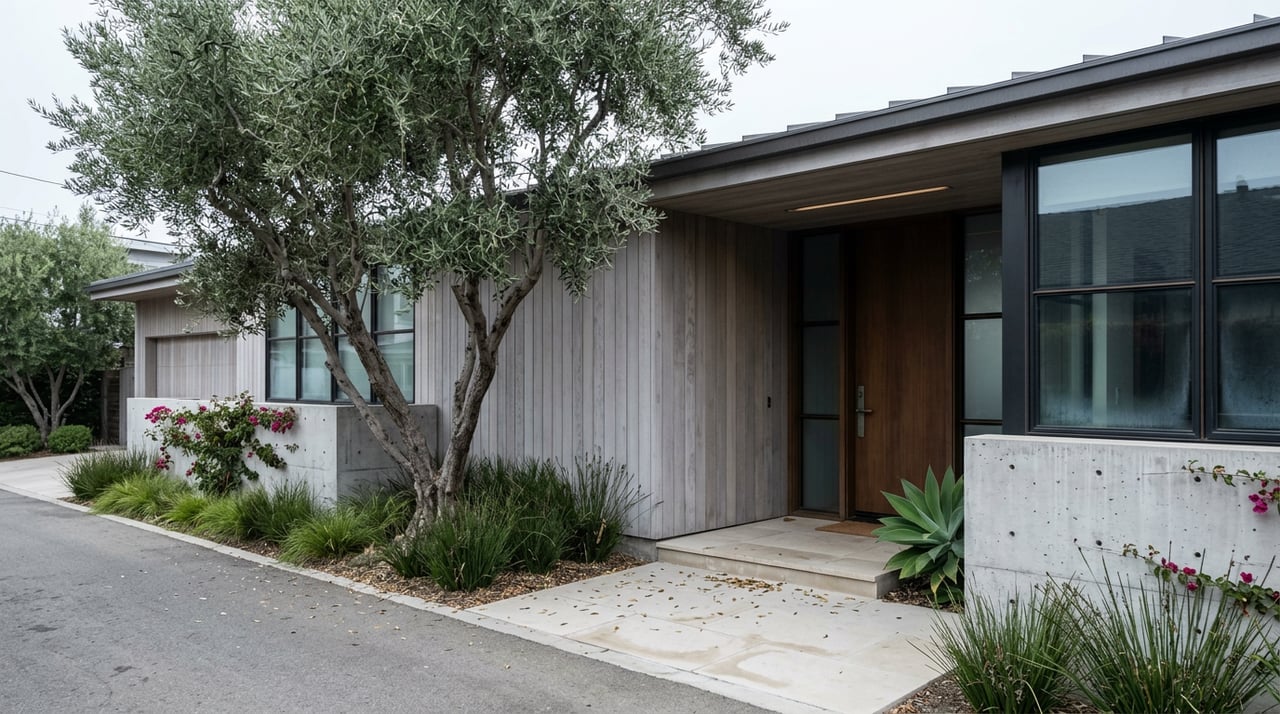
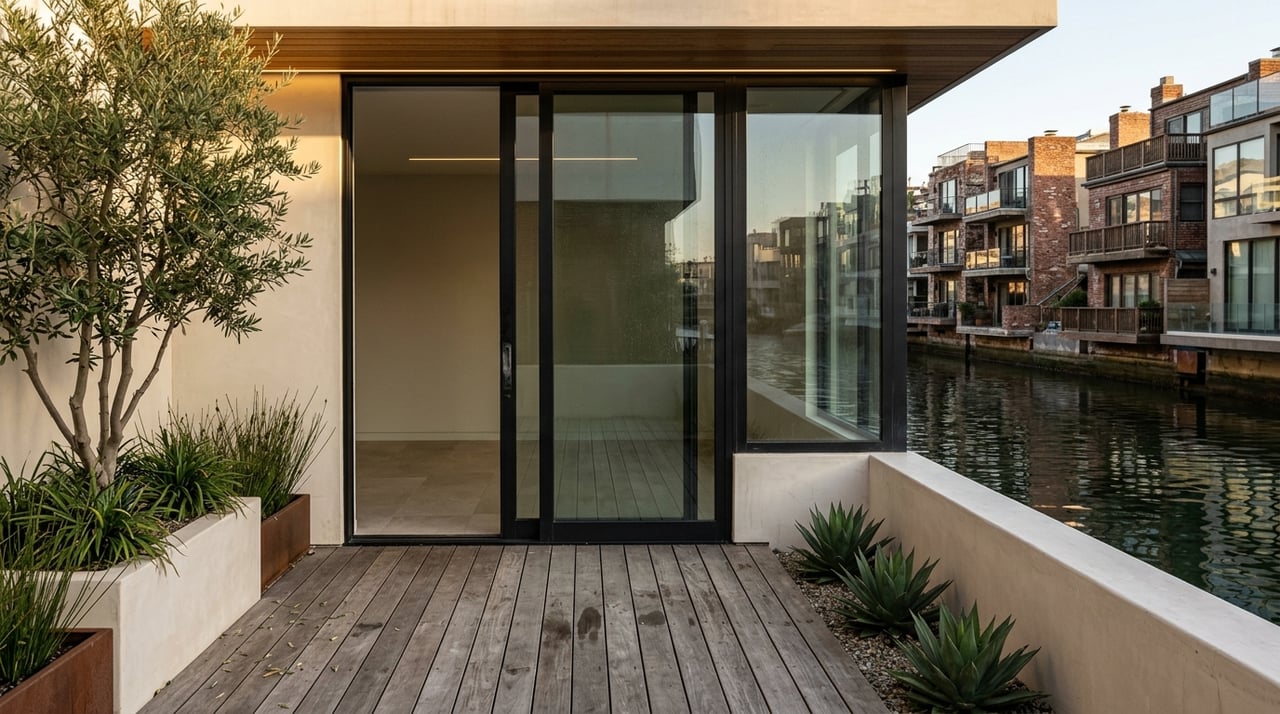
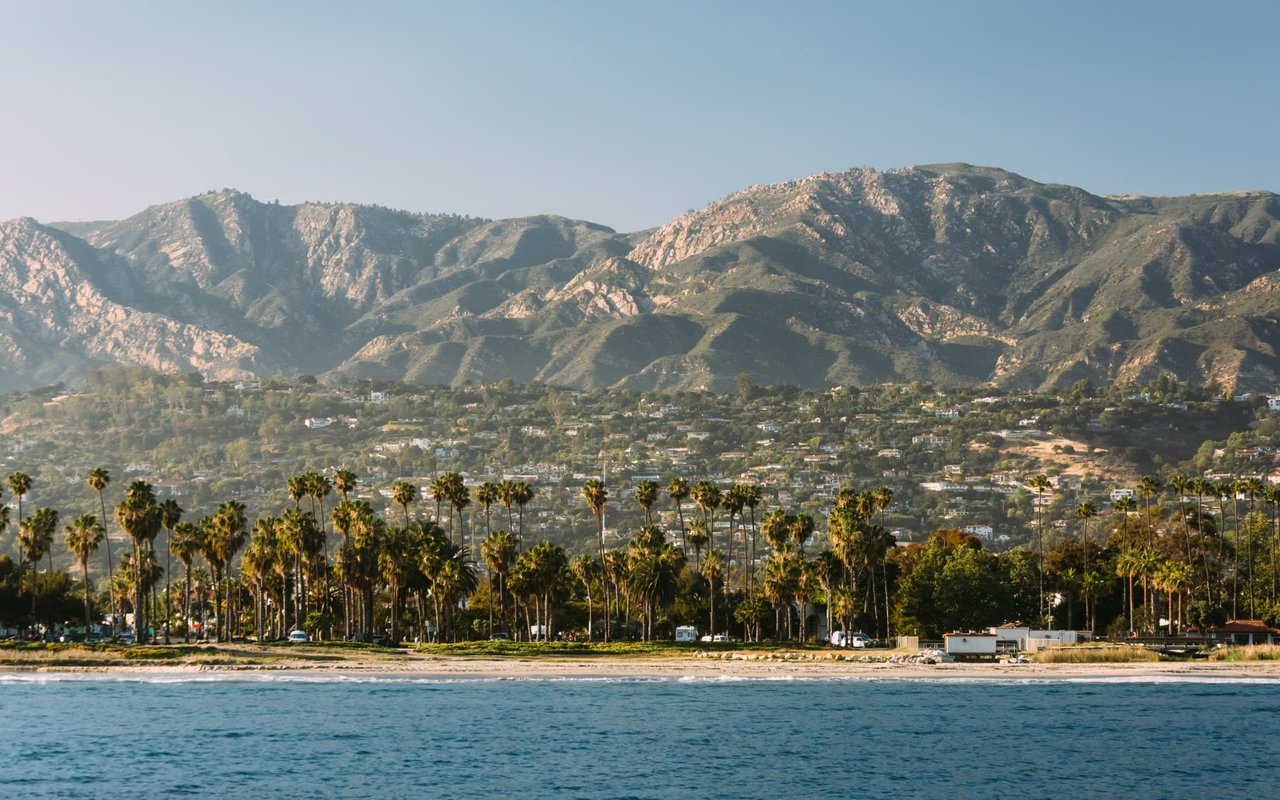
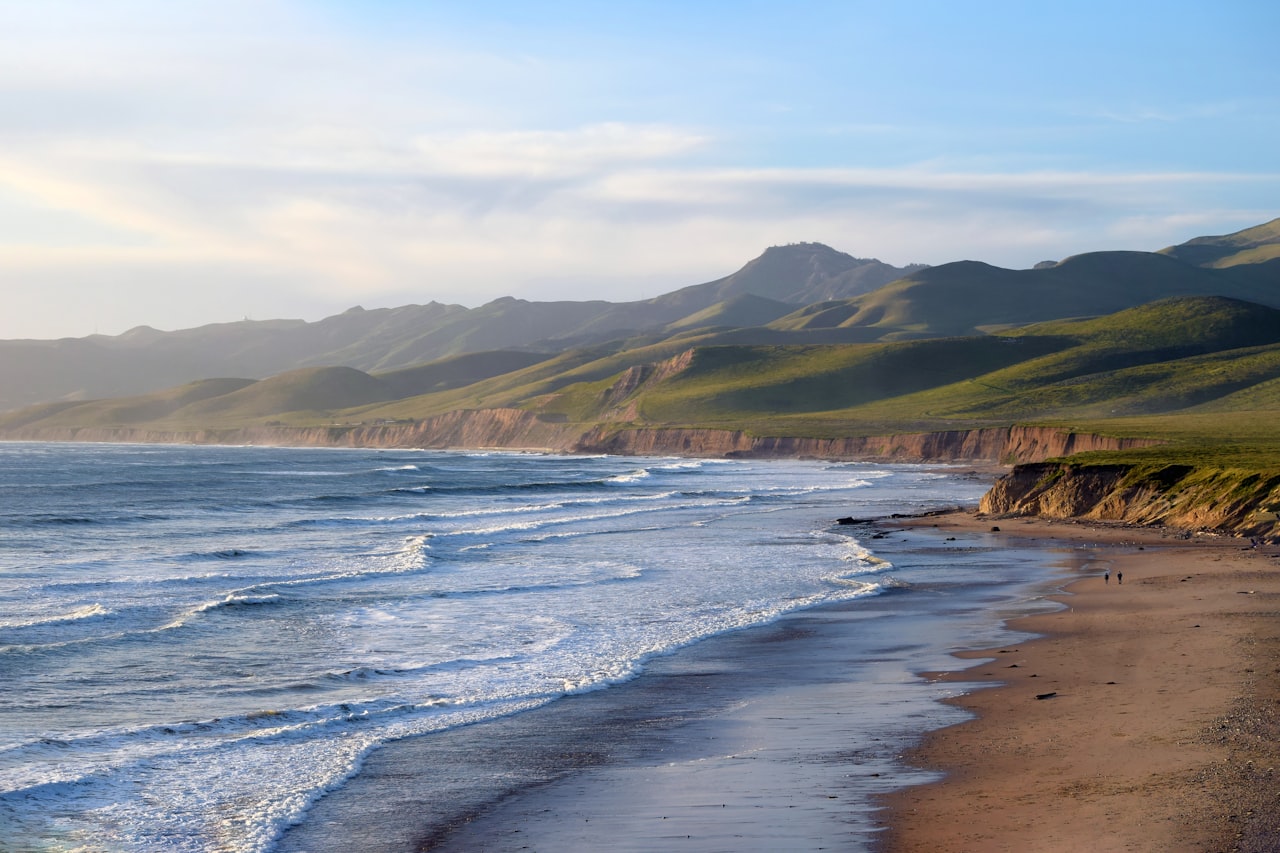
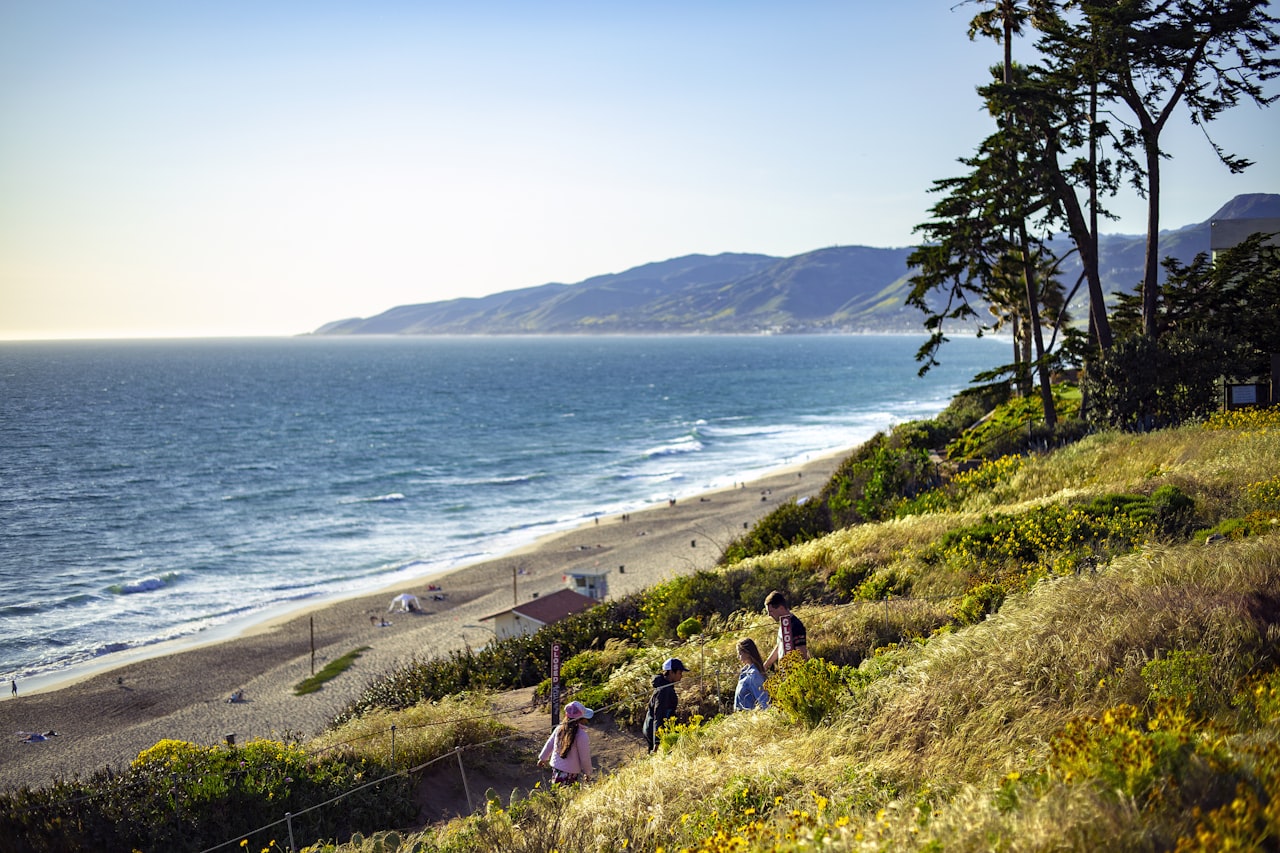
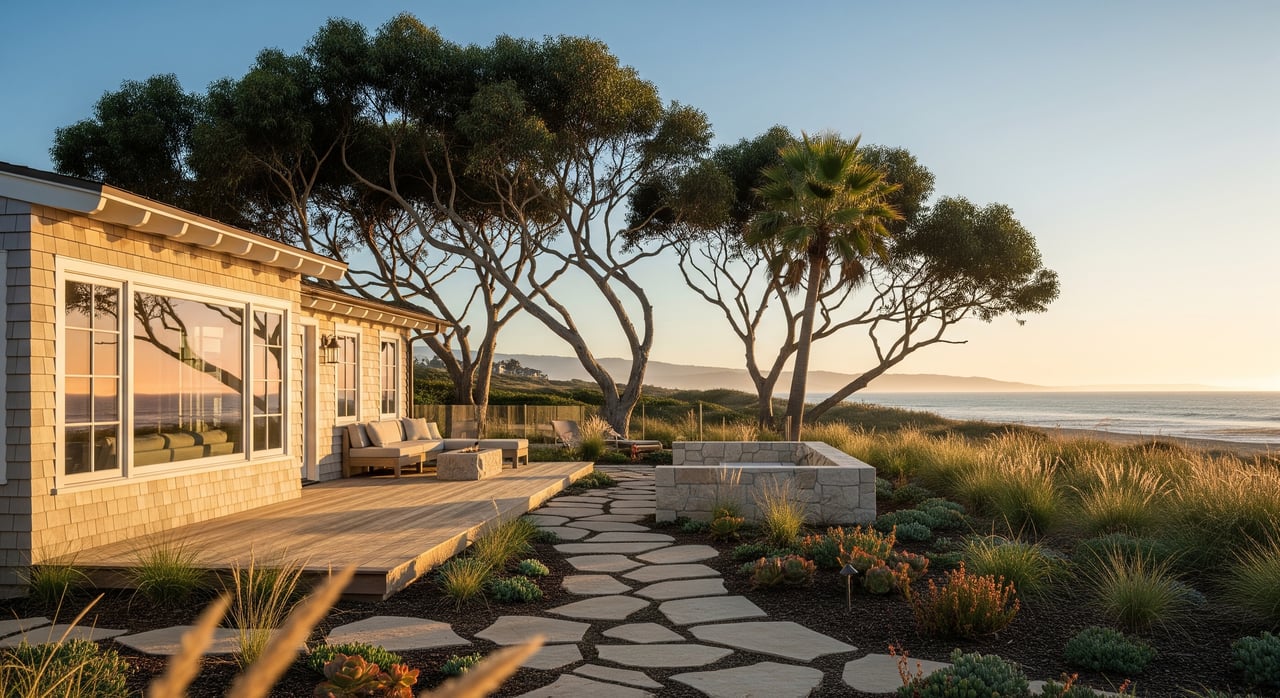
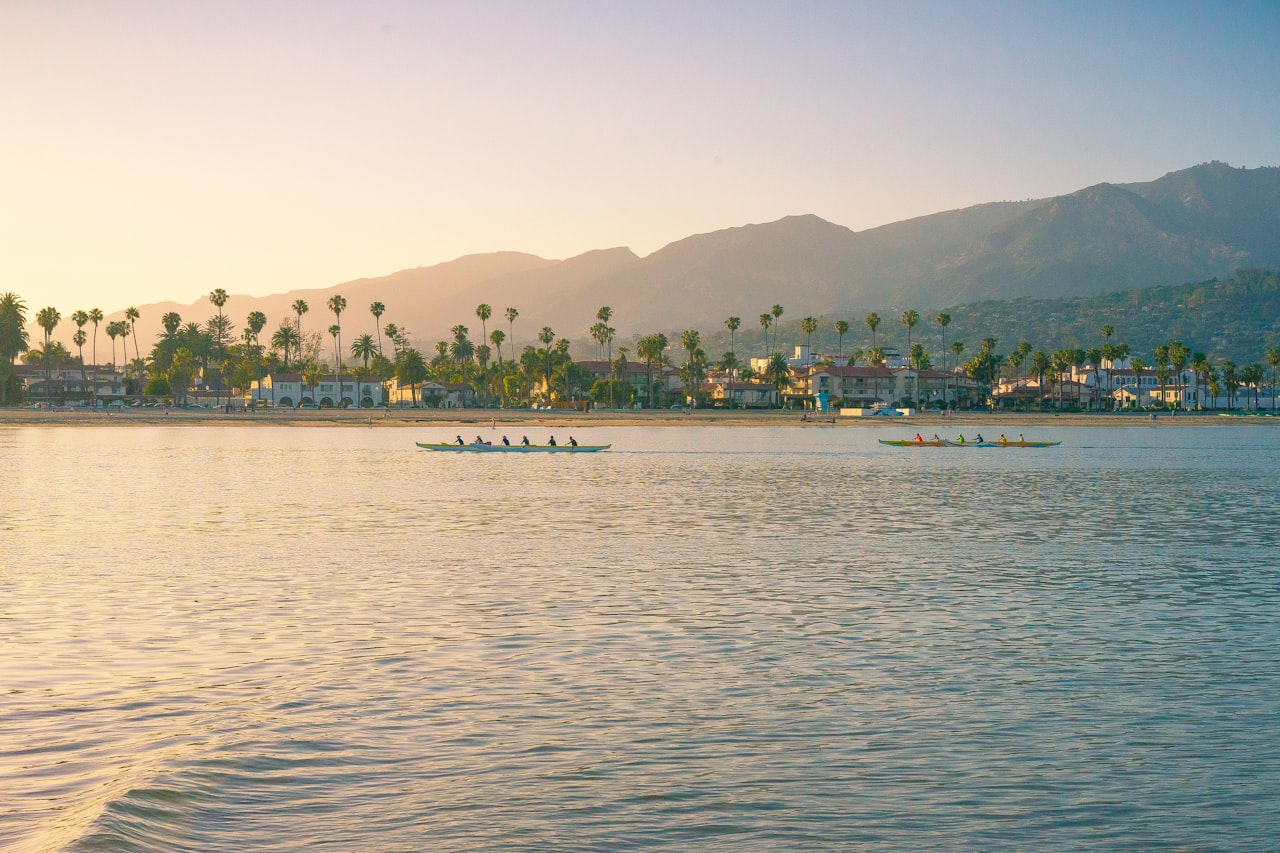
Montecito’s oceanfront enclaves cluster near Butterfly Beach, the Miramar area, Bonnymede and Montecito Shores, Sea Meadow, and Fernald Point. You get immediate beach adjacency, resort-near convenience, and a short stroll to Coast Village Road. True shoreline parcels are scarce, which supports enduring premiums when one comes to market.
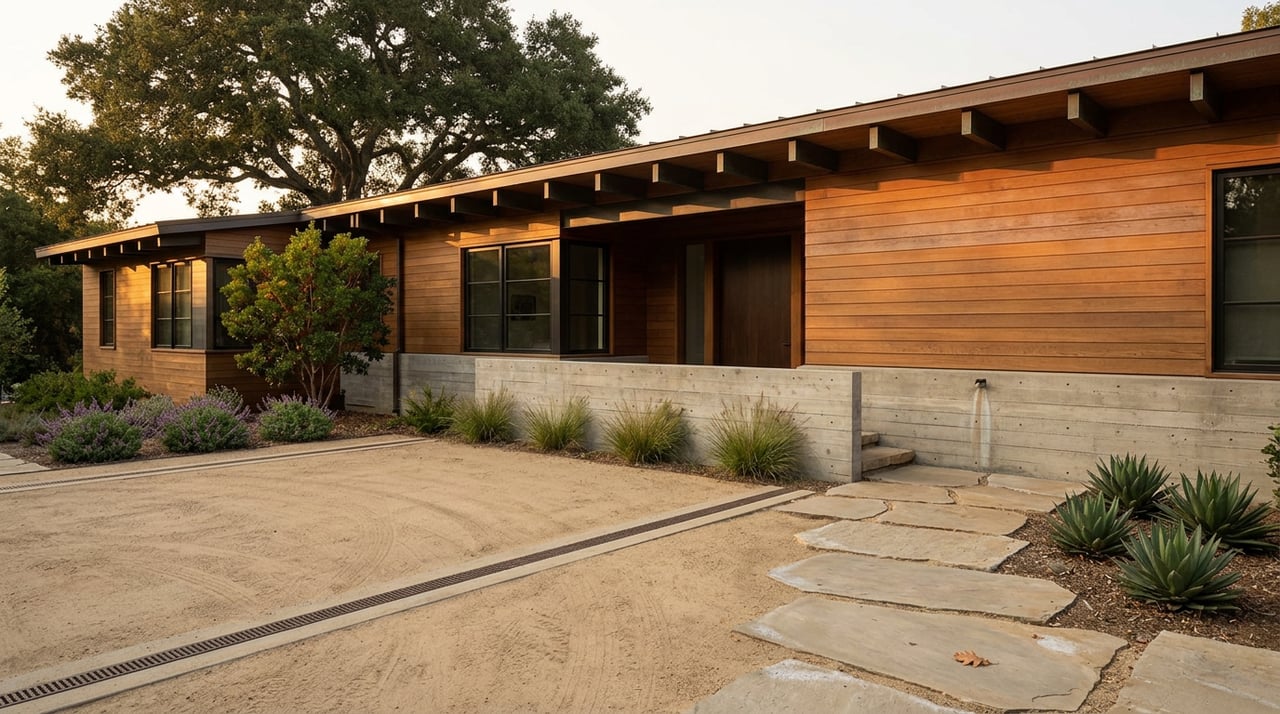
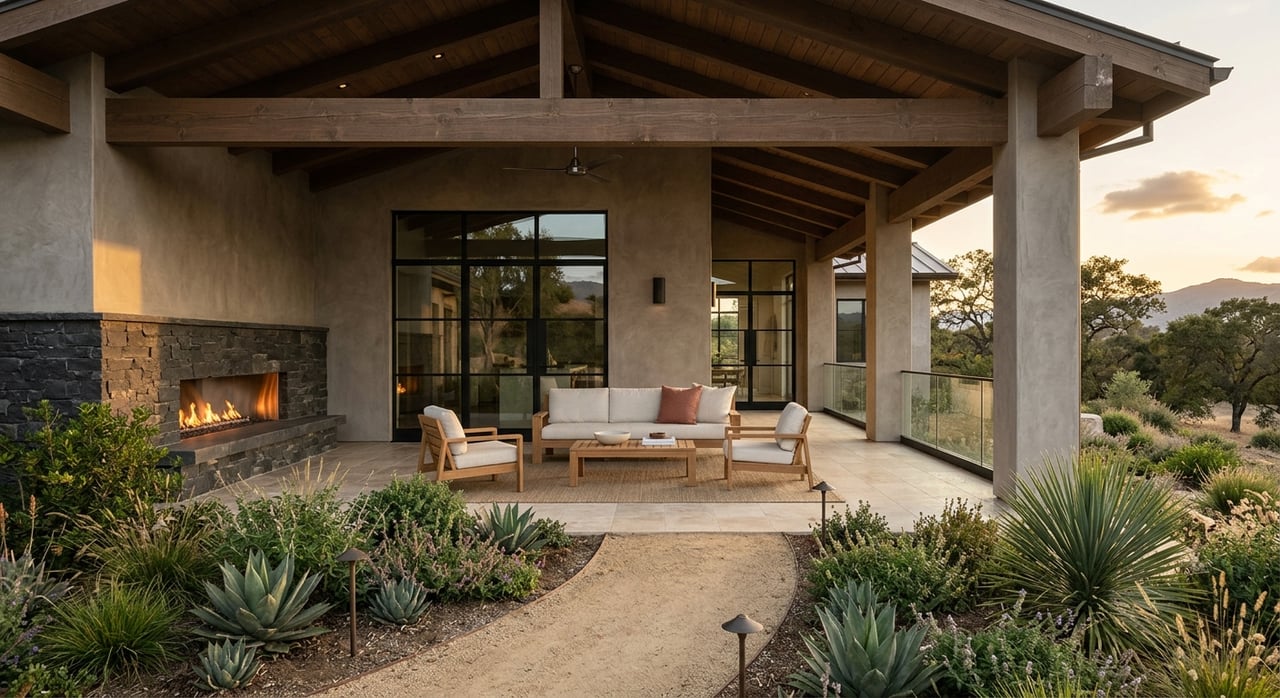
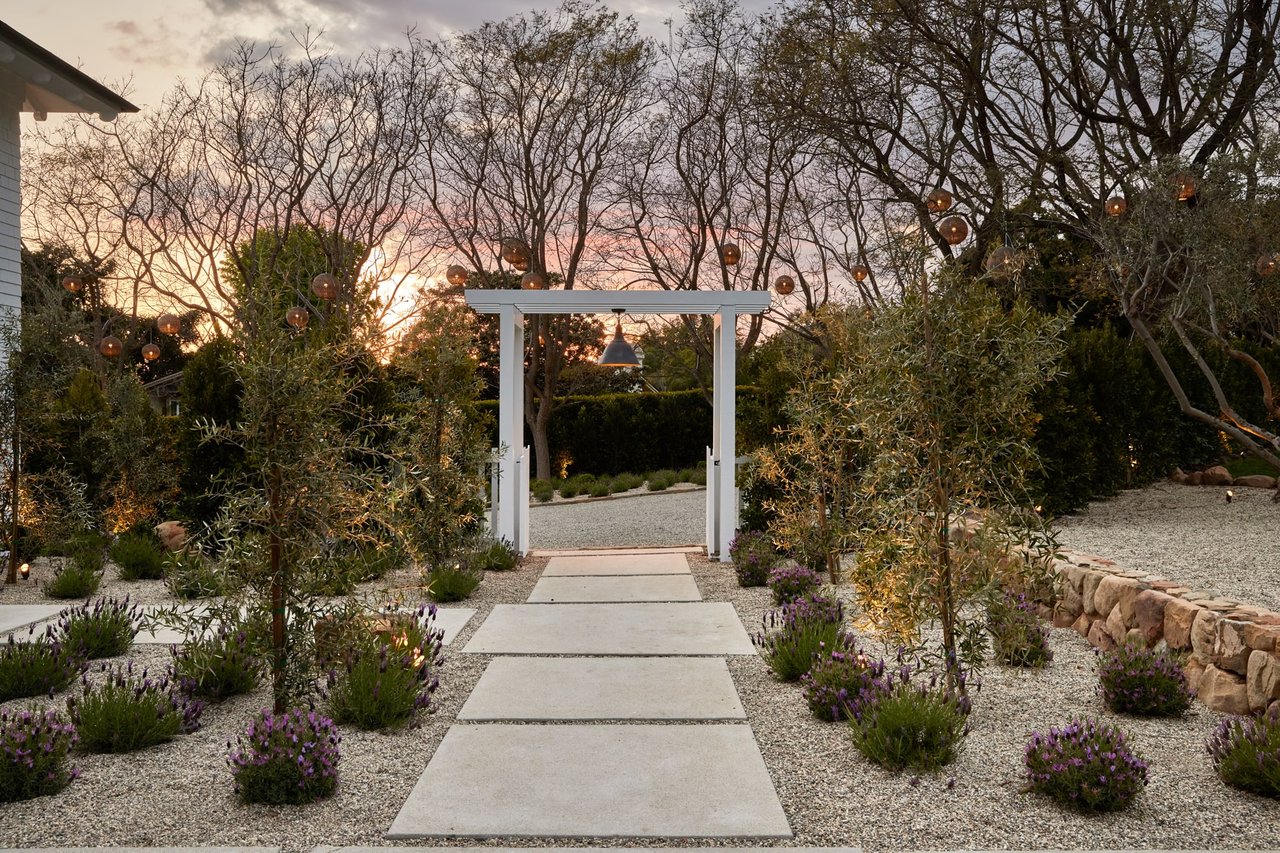
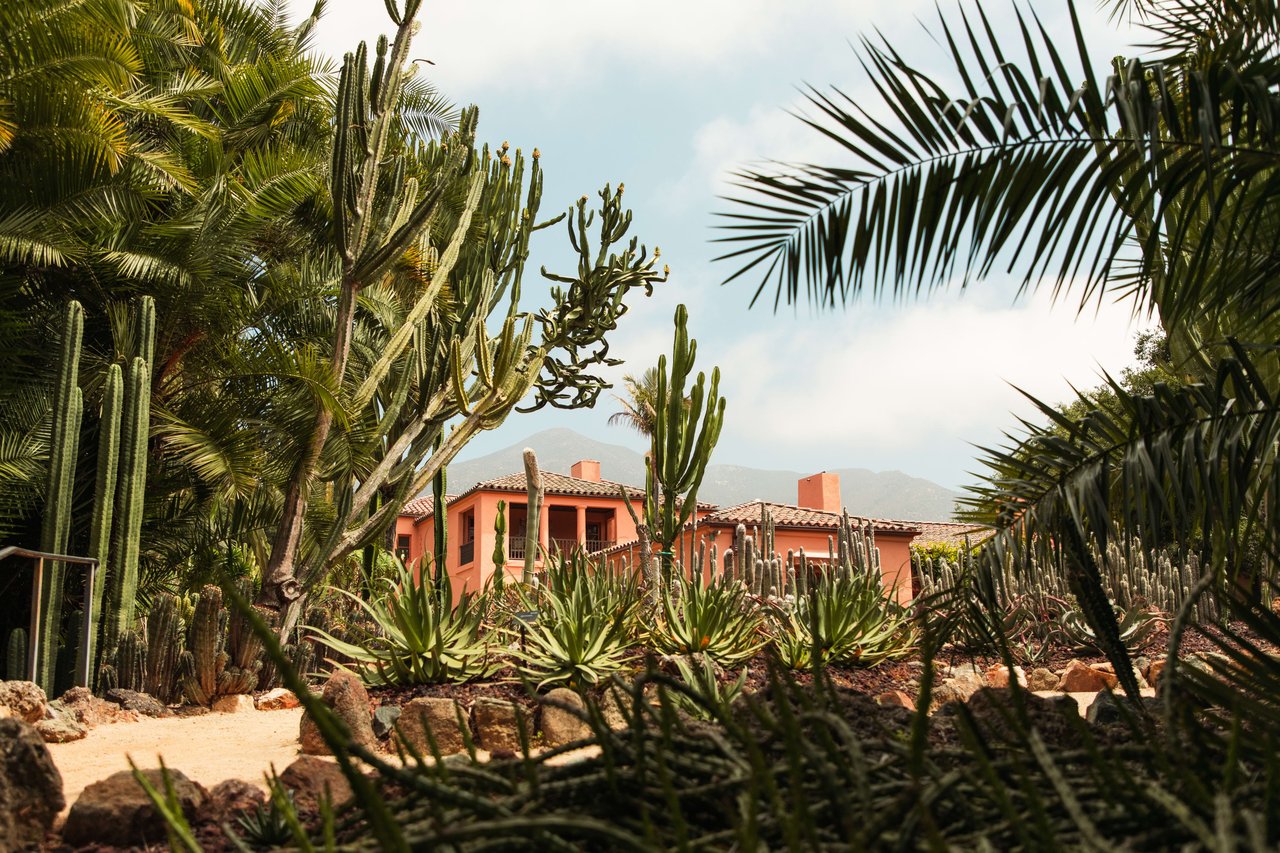
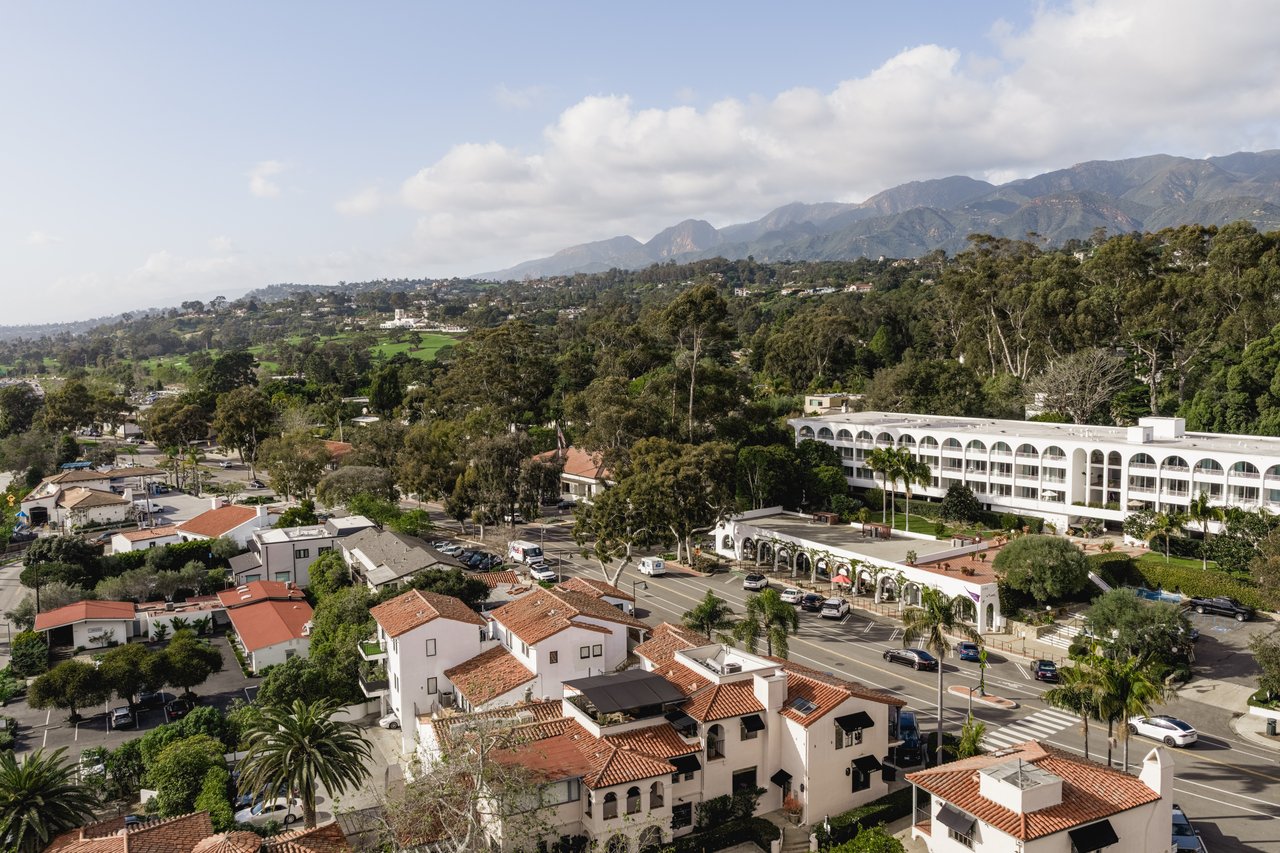
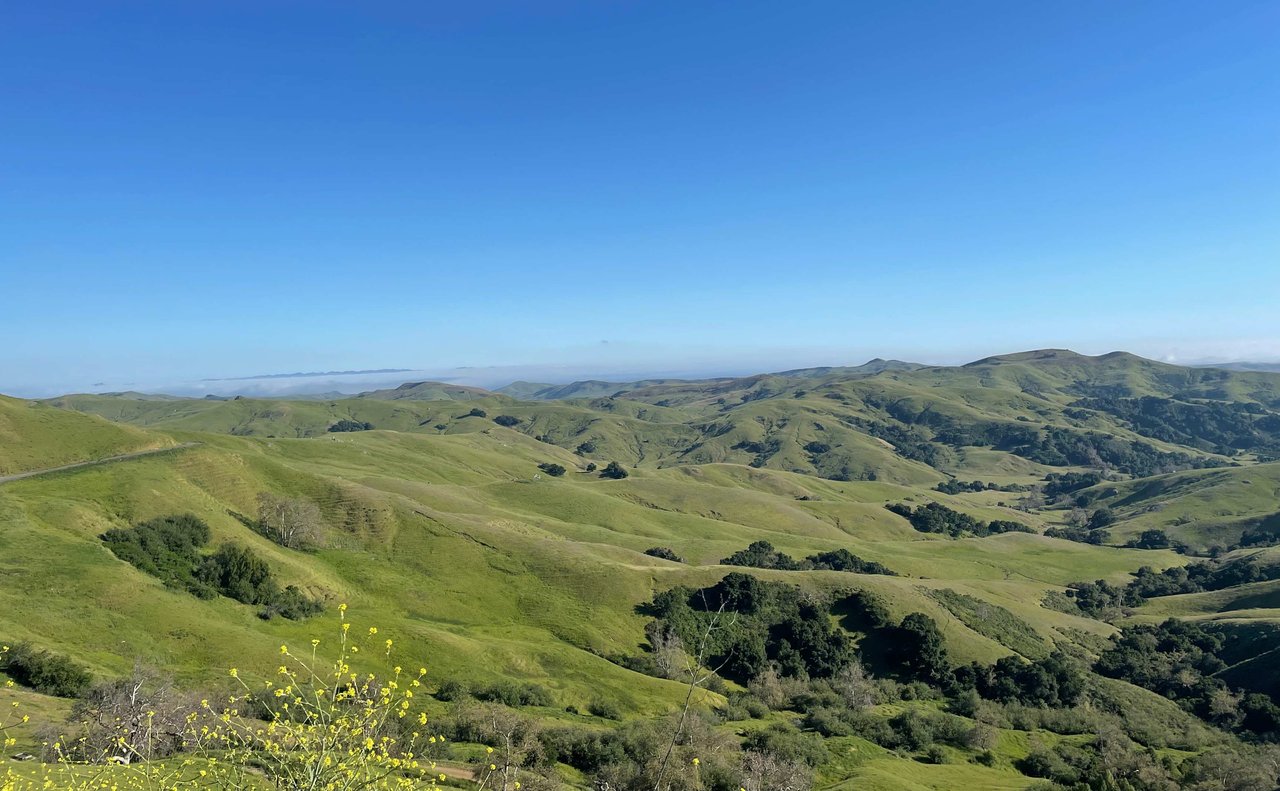
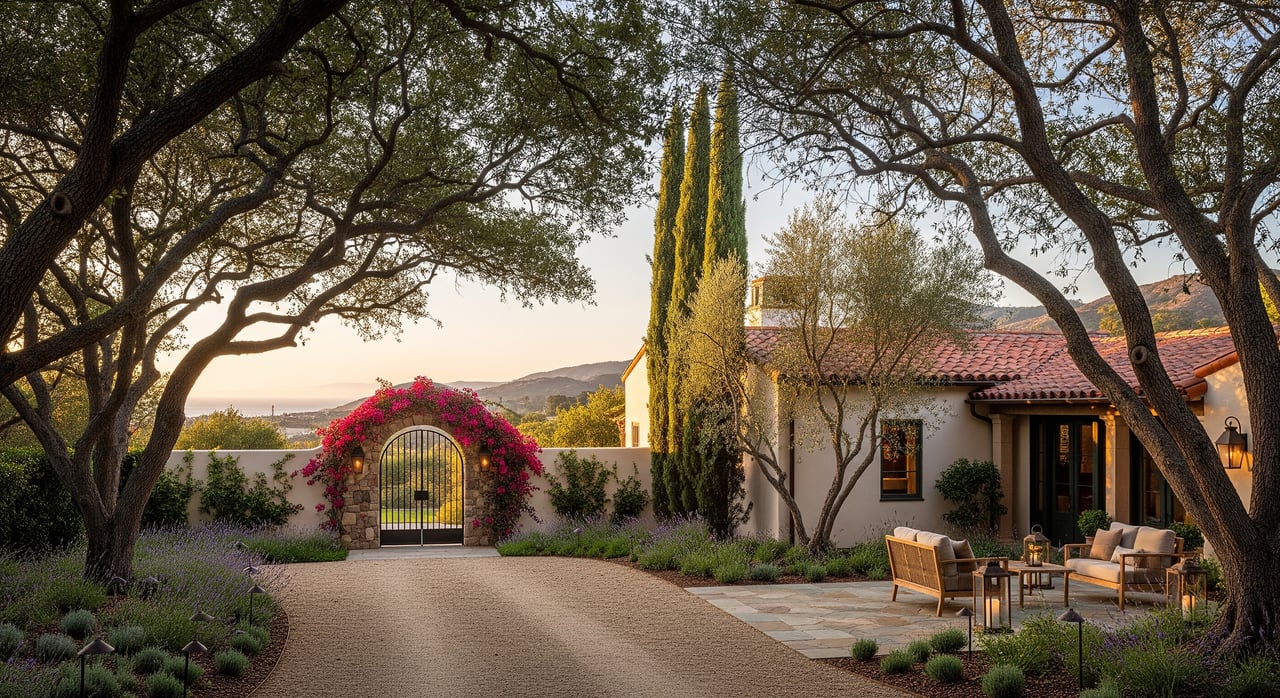
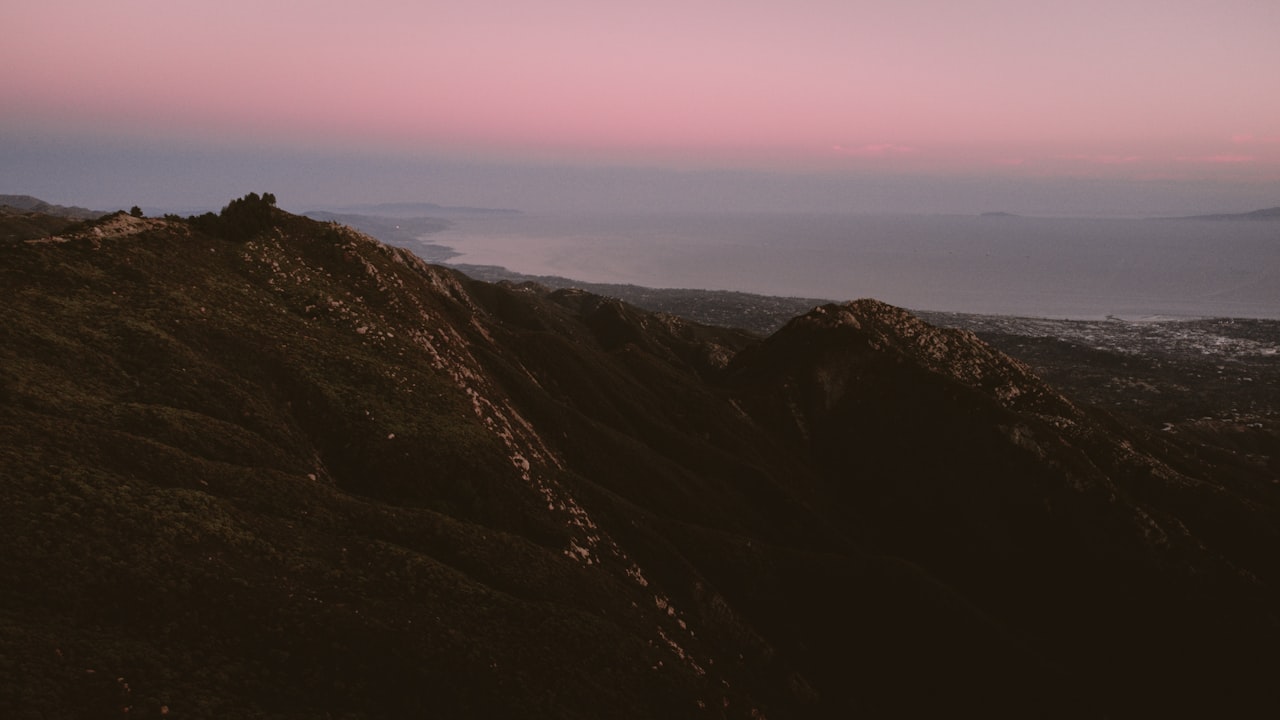
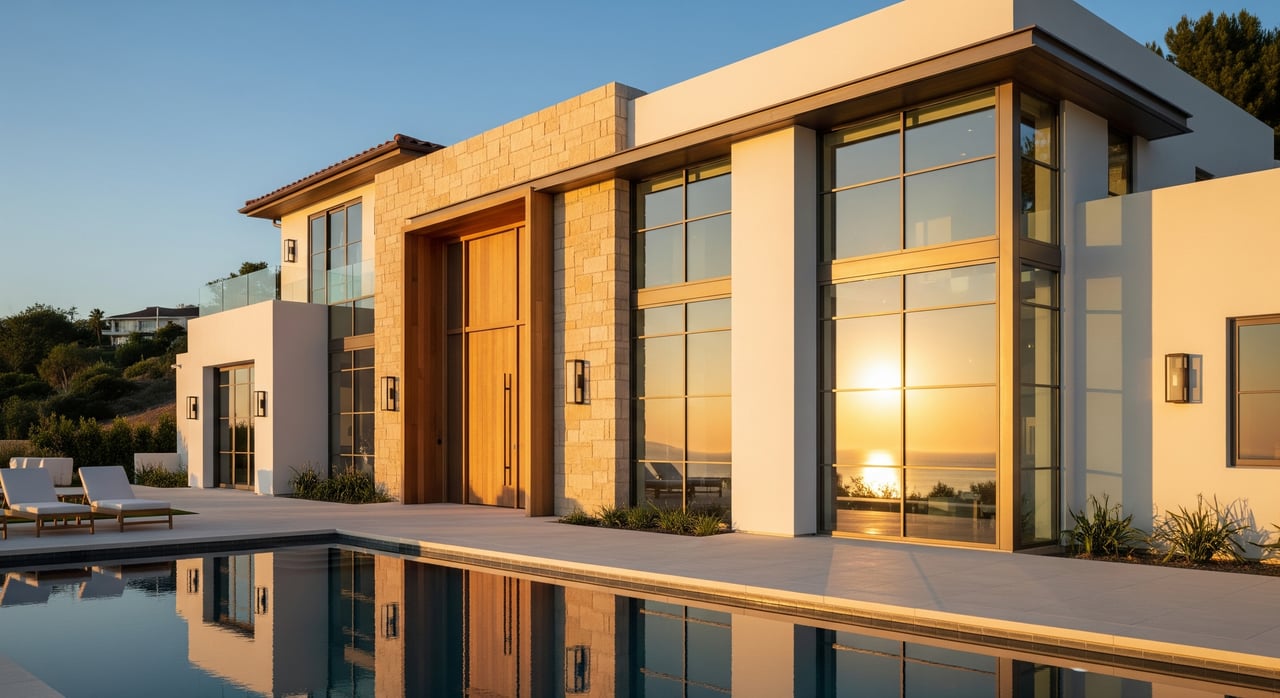
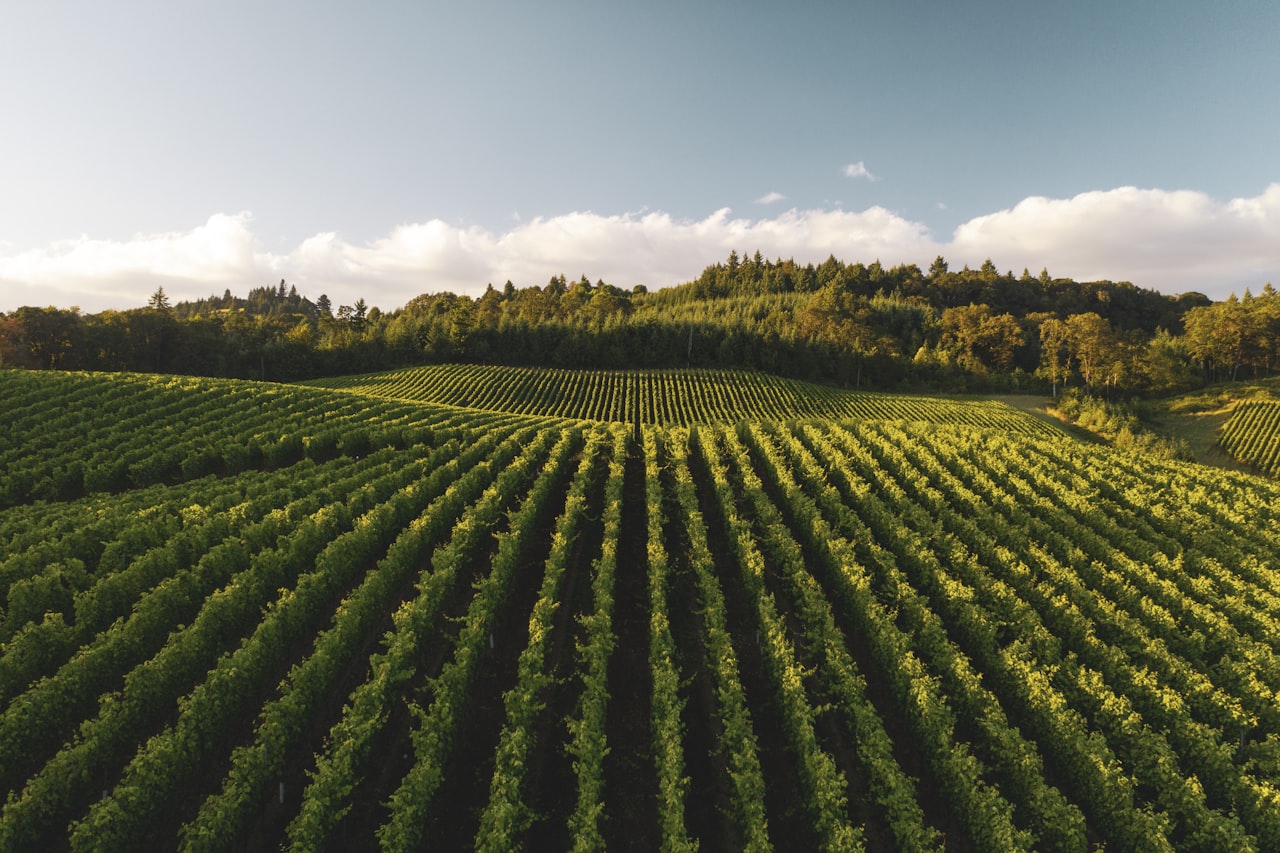
Hedged hillside estates span Riven Rock, Mountain Drive, parts of the Riviera, Toro Canyon, and the Golden Quadrangle. You typically gain larger lots, layered ocean and mountain views, and deeper privacy behind mature landscaping and gates. Daily life feels more secluded and car-forward, with commercial activity kept at a distance.
Lifestyle differences you feel every day
Climate and wind patterns
Coastal properties run cooler in summer and live inside the marine layer, while hillsides skew warmer and sunnier. Downslope “Sundowner” winds are a local factor that can dry hillsides late in the day and influence fire behavior, as documented by UCSB researchers in studies of the Sundowner phenomenon (UCSB WRI on Sundowners). A hillside home may mean more attention to ember resistance and outdoor maintenance during peak fire weather.
Views, sun, and beach access
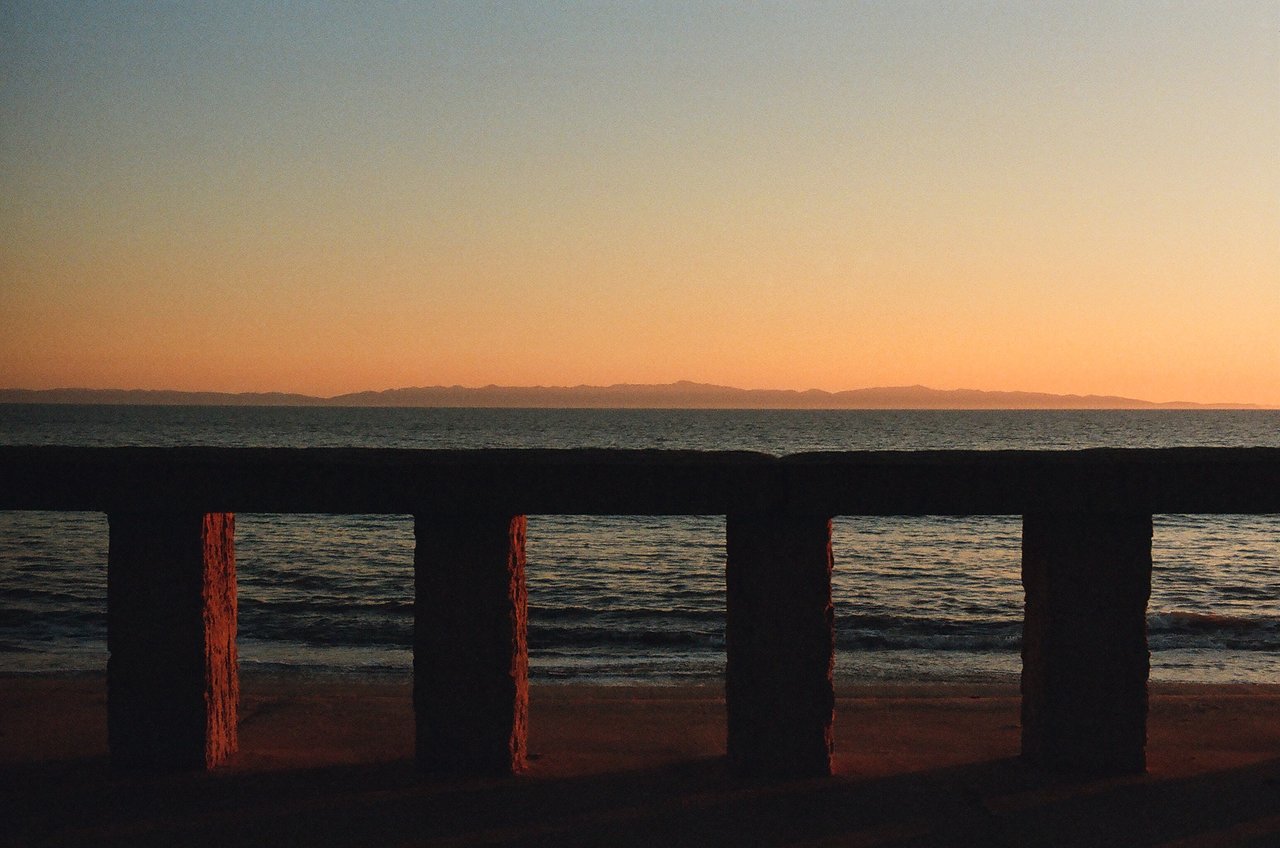
Oceanfront delivers horizon-level Pacific views and instant beach adjacency. It is important to know that the foreshore seaward of the mean high tide line is public under California law, so beachfront living includes nearby public use on the wet sand (California Coastal Commission overview). Hillside properties often offer broader panoramas that combine ocean, valley, and mountain vistas, plus more private outdoor rooms that hold sun later into the day depending on orientation.
Privacy, noise, and walkability
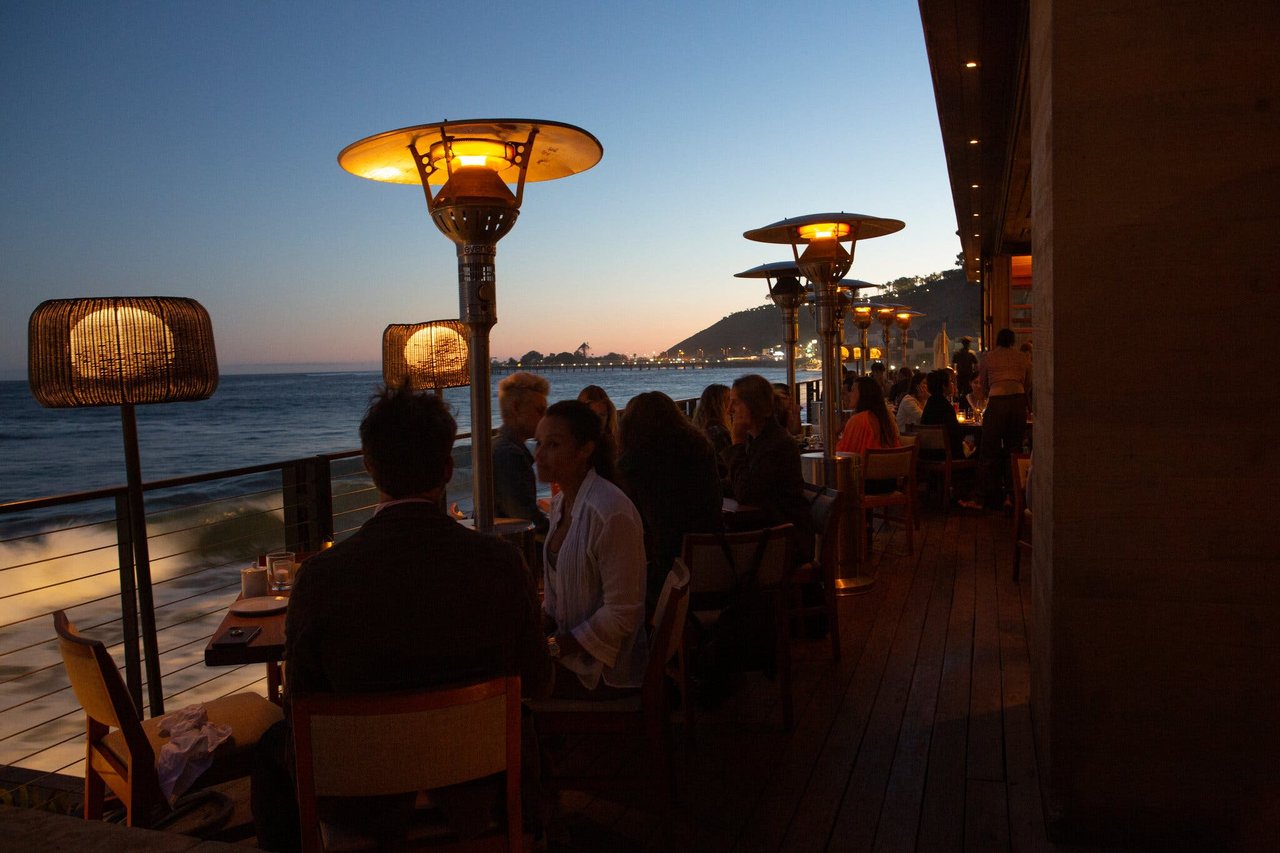
Beachside addresses near Coast Village Road score on walkability to dining and shops. You also share the energy of a beloved public shoreline. Hedged hillside estates favor privacy and quiet, which usually means a short drive to services. Both settings can feel serene, but they offer different versions of it.
Risks, permits, and insurance that shape value
Wildfire exposure on the hillsides
Hillside neighborhoods sit closer to the wildland-urban interface where Sundowner winds can intensify late-day drying and fire spread (MDPI fire-weather research). California’s fire-hazard severity zone maps were updated locally in 2025, and many foothill parcels fall within high or very high designations that guide defensible space and home-hardening standards (Santa Barbara County FHSZ update). Montecito Fire provides defensible-space programs and parcel-specific guidance that are valuable to review during due diligence (Montecito Fire hazard zones).
Debris flows, creeks, and flood mapping
Montecito’s January 9, 2018 debris-flow event reshaped local understanding of post-fire hazards and alluvial fan dynamics (USGS post-event study). Parcels near canyons, creeks, or fans require careful evaluation of debris-flow runout and flood exposure. FEMA and local agencies released advisory and updated flood maps after 2018. Ask for the current FEMA FIRM panels and any recovery mapping for your specific site (City of Santa Barbara FEMA mapping hub).
Coastal hazards on the waterfront
Sea-level rise and storm surf drive long-term planning on the south coast. Local projections outline scenarios for future water levels and bluff retreat that inform setbacks and design feasibility for oceanfront development (Sea-level rise projections). California policy generally limits new shoreline armoring except in narrow circumstances, which means long-term “just build a seawall” strategies are uncertain and often highly conditioned (Shoreline armoring context). Expect rigorous site-specific geotechnical review for bluff-top parcels.
Insurance planning for both settings
Wildfire, flood, and coastal exposure affect coverage availability and cost. If a standard homeowners policy is not available, buyers sometimes use the California FAIR Plan for fire and layer a Difference-in-Conditions policy for other perils. The California Department of Insurance provides guidance on finding and improving access to coverage through mitigation steps (Insurance shopping tips). For oceanfront or low-lying areas, confirm flood-zone status, lender requirements, and whether an elevation certificate is on file, using current FEMA map resources (FEMA mapping hub).
Market context and long-term value
Montecito is a multi-million-dollar market with typical values well above national norms. Oceanfront and premier hillside estates are both scarce, with true beachfront lots among the rarest offerings in the area. That scarcity, paired with lifestyle utility, supports pricing resilience over time. Liquidity can vary by micro-location and product type, but both settings attract design-focused buyers who value either daily beach life or private, view-forward acreage.
A simple decision framework
Rank your daily priorities. If beach walks, sunrise swims, and walkability to Coast Village top the list, lean oceanfront. If privacy, larger grounds, and broad views lead, lean hillside.
Set non-negotiable risk tolerances. If minimizing wildfire exposure is essential, screen out Very High Fire Hazard Severity Zones early. If flood or debris-flow exposure is your main concern, exclude mapped high-hazard footprints before touring.
Decide on maintenance style. Oceanfront means salt-air wear on metal and wood and careful window and exterior care. Hillside estates often involve grading, drainage management, and ongoing defensible-space work.
Align home program with site. For entertaining and hosting, hillside acreage can give you flexible outdoor rooms. For lock-and-leave simplicity, consider smaller ocean-adjacent homes or low-maintenance coastal buildings.
Your due-diligence checklist
- Current FEMA FIRM panel and any post-2018 advisory mapping for the parcel (FEMA mapping hub).
- Site geotechnical and soils reports for bluff-top or sloped lots.
- Coastal Development Permit history and any recorded Offers-to-Dedicate for beach access on oceanfront parcels (California beach access basics).
- Defensible-space records and recent inspections from the local fire district (Montecito Fire hazard zones).
- Insurance pre-screen with two local brokers, including options for FAIR Plan plus Difference-in-Conditions if needed (Insurance tips).
- Recorded easements, utility access notes, private road and gate maintenance agreements, and emergency egress clarity.
Putting it together
Choosing between Montecito oceanfront and hillside is about matching your everyday life to the right set of tradeoffs. Oceanfront amplifies beach adjacency, walkability, and immediate horizon views, while carrying coastal permitting, sea-level planning, and salt-air upkeep. Hillside estates elevate privacy, space, and panorama, paired with wildfire mitigation, slope engineering, and driveway access considerations. With the right due diligence, either path can deliver a timeless Montecito experience.
If you are weighing properties now, begin with lifestyle, risk tolerance, and insurability, then layer in geotechnical and permit histories for specific addresses. For a confidential strategy and a shortlist tailored to your goals, connect with Eric Haskell for bespoke guidance.
FAQs
What is the biggest lifestyle difference between Montecito oceanfront and hillside?
- Oceanfront centers daily life on the beach and walkability, while hillside living emphasizes privacy, acreage, and wide ocean-mountain views.
How serious is wildfire risk on the Montecito hillsides?
- Many foothill parcels sit in high or very high fire-hazard zones, so plan for defensible space and home-hardening guided by local fire agencies.
What should I know about Montecito’s 2018 debris flow before buying?
- The event reshaped local flood and debris-flow mapping, so review current FEMA panels and ask for site-specific geotechnical input for parcels near creeks or alluvial fans.
Are Montecito beaches private if I buy a beachfront home?
- No, the area seaward of the mean high tide line is public, and some parcels may also have recorded access easements tied to prior coastal permits.
Will a bluff-top home be protected if erosion increases?
- New shoreline armoring is heavily regulated and not guaranteed, so feasibility depends on site conditions, permits, and evolving coastal policy.
Do oceanfront homes require special insurance?
- Many lenders require flood coverage in mapped high-risk zones, and coastal exposure can affect pricing and availability for homeowners policies.
How do permits differ for oceanfront vs hillside projects?
- Oceanfront often involves Coastal Development Permits and bluff-setback review, while hillside work can trigger geotechnical, drainage, and slope-stability requirements.
Which area is most walkable to Coast Village Road?
- Oceanfront and beach-adjacent neighborhoods near Butterfly Beach and the Miramar area usually offer the shortest walks to shops and restaurants.