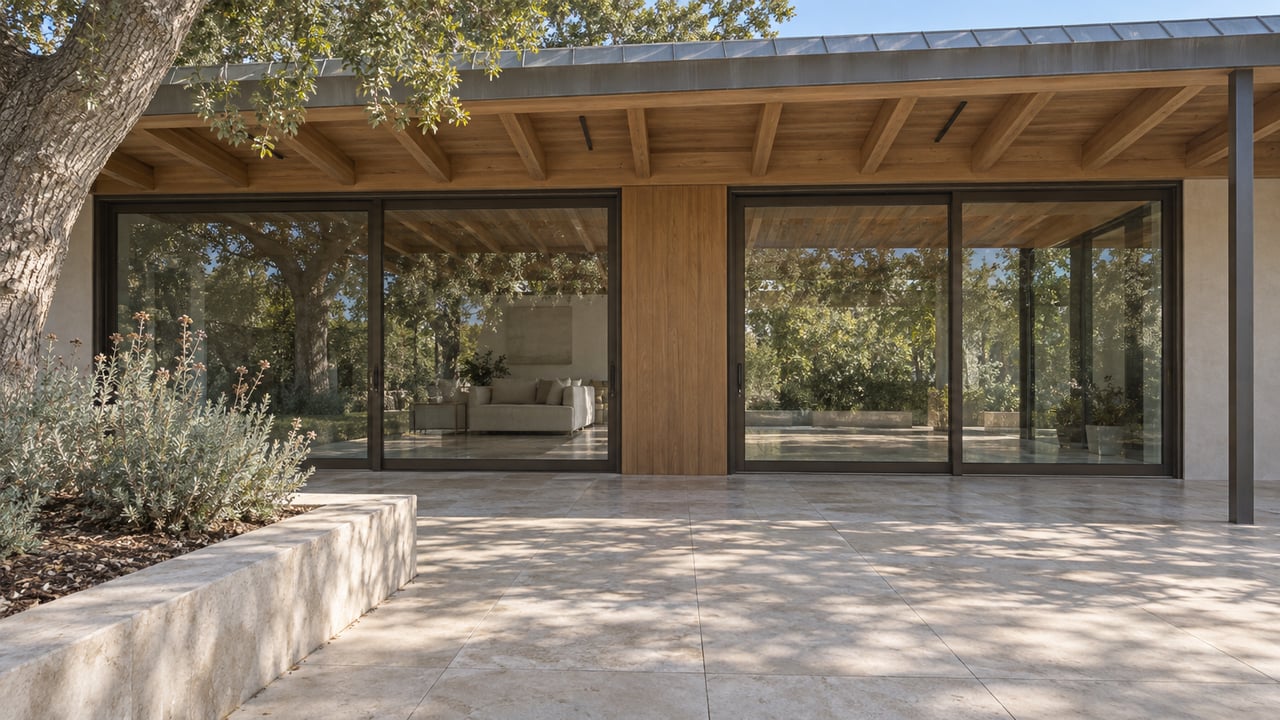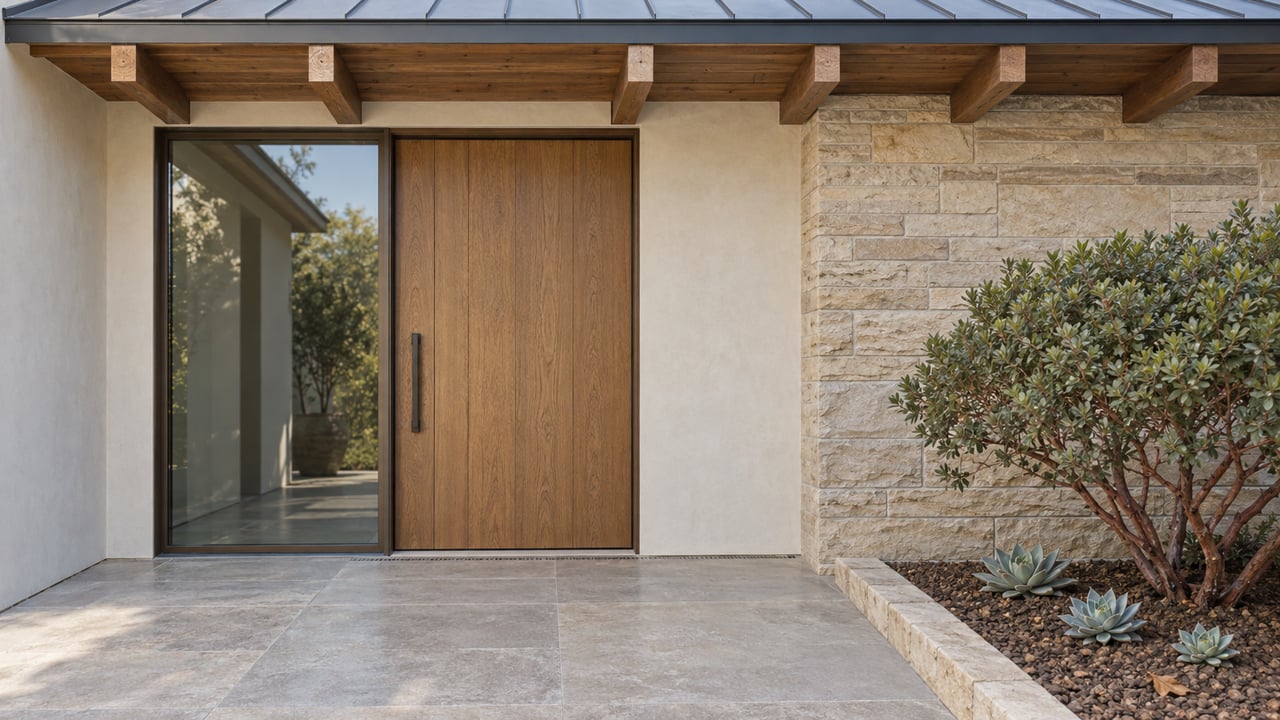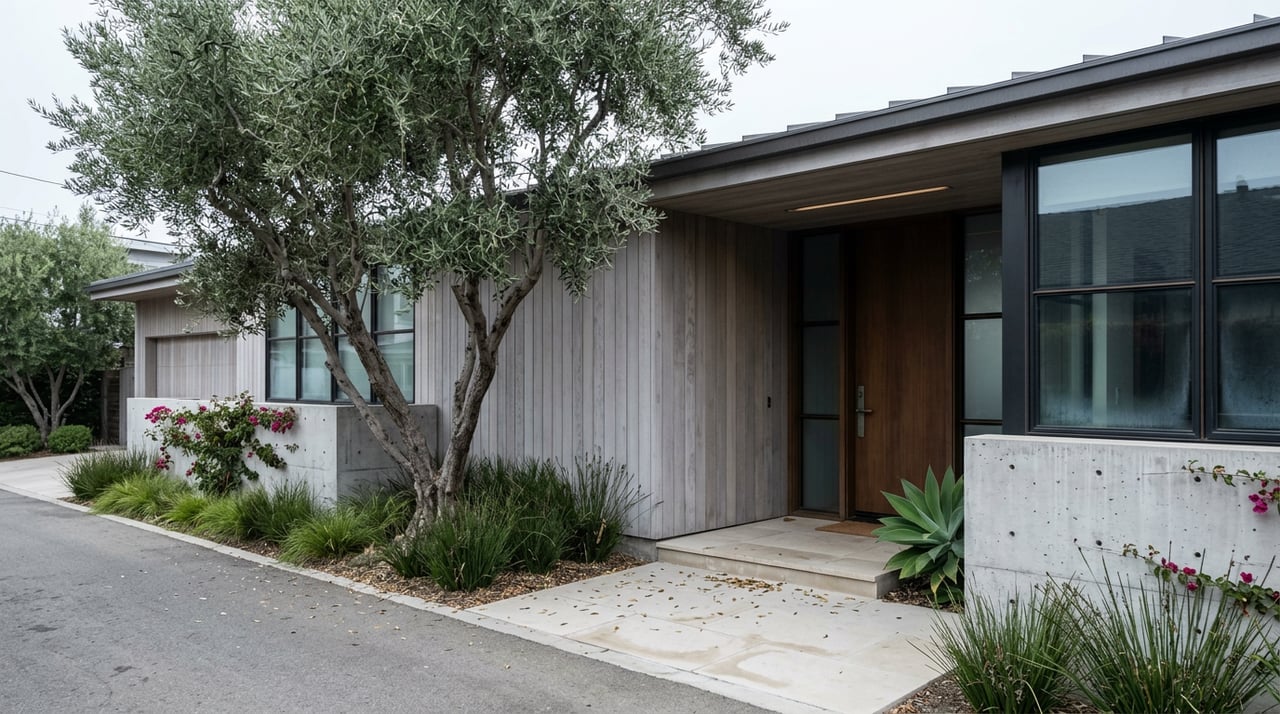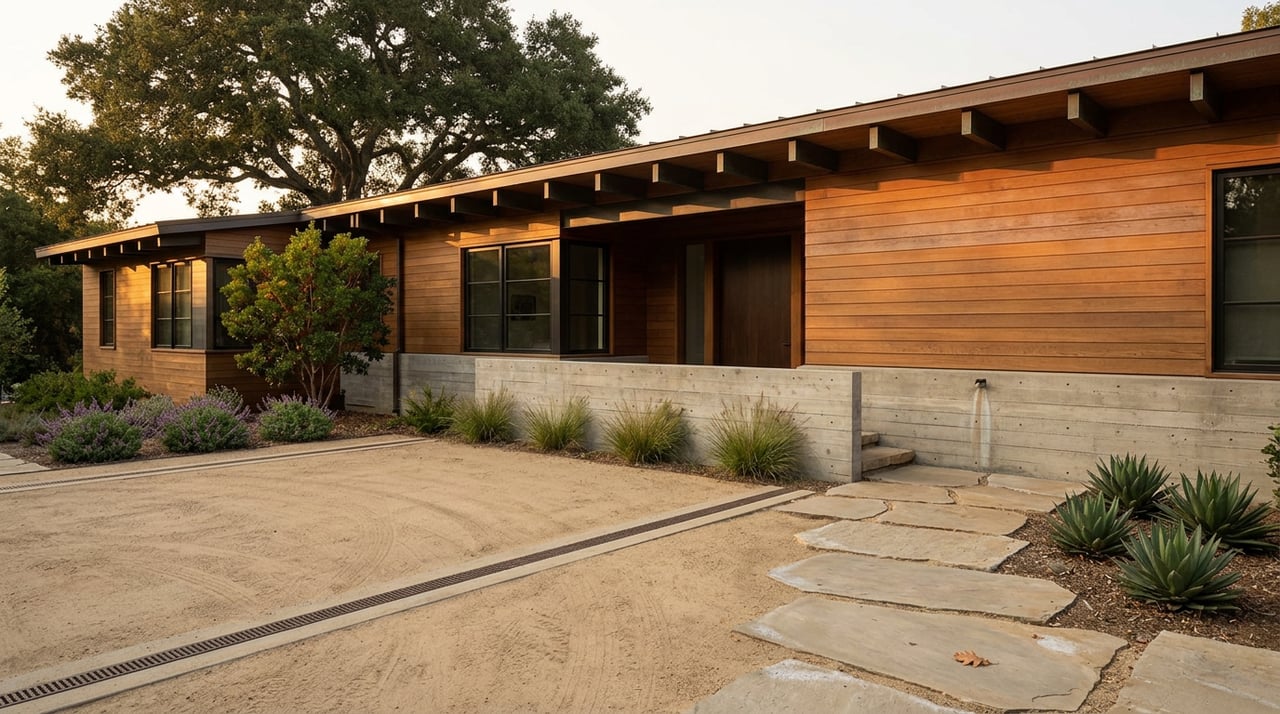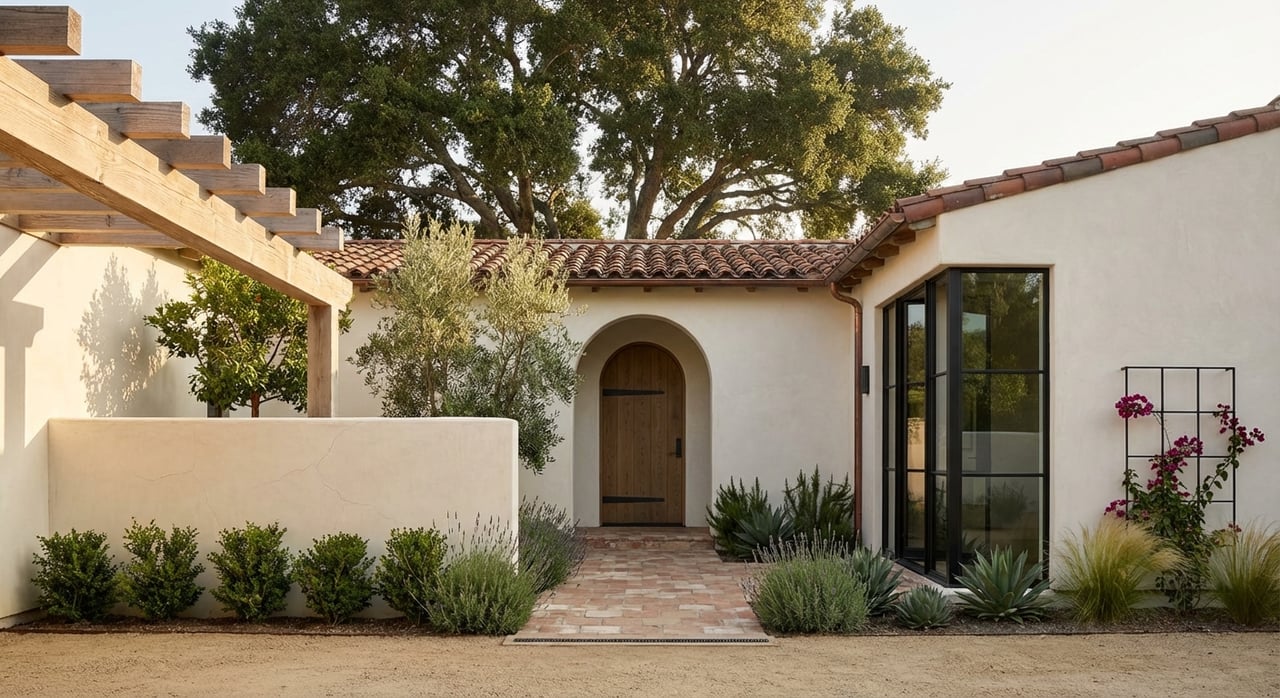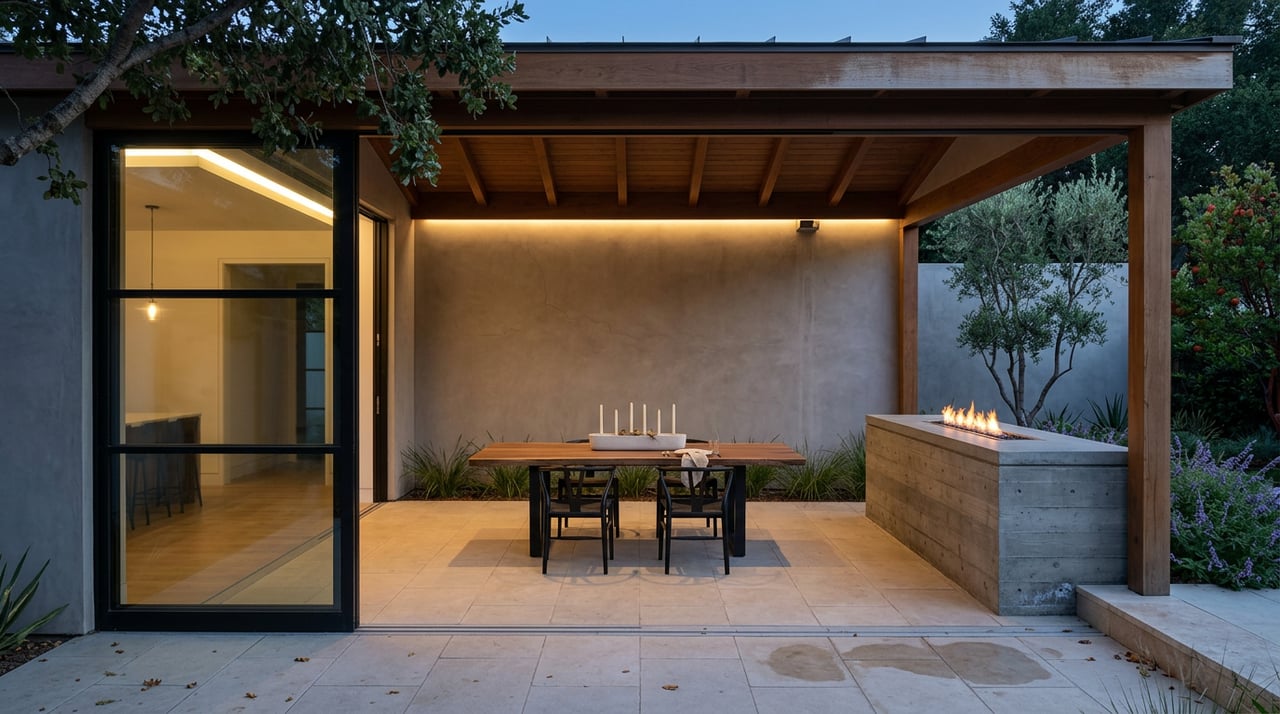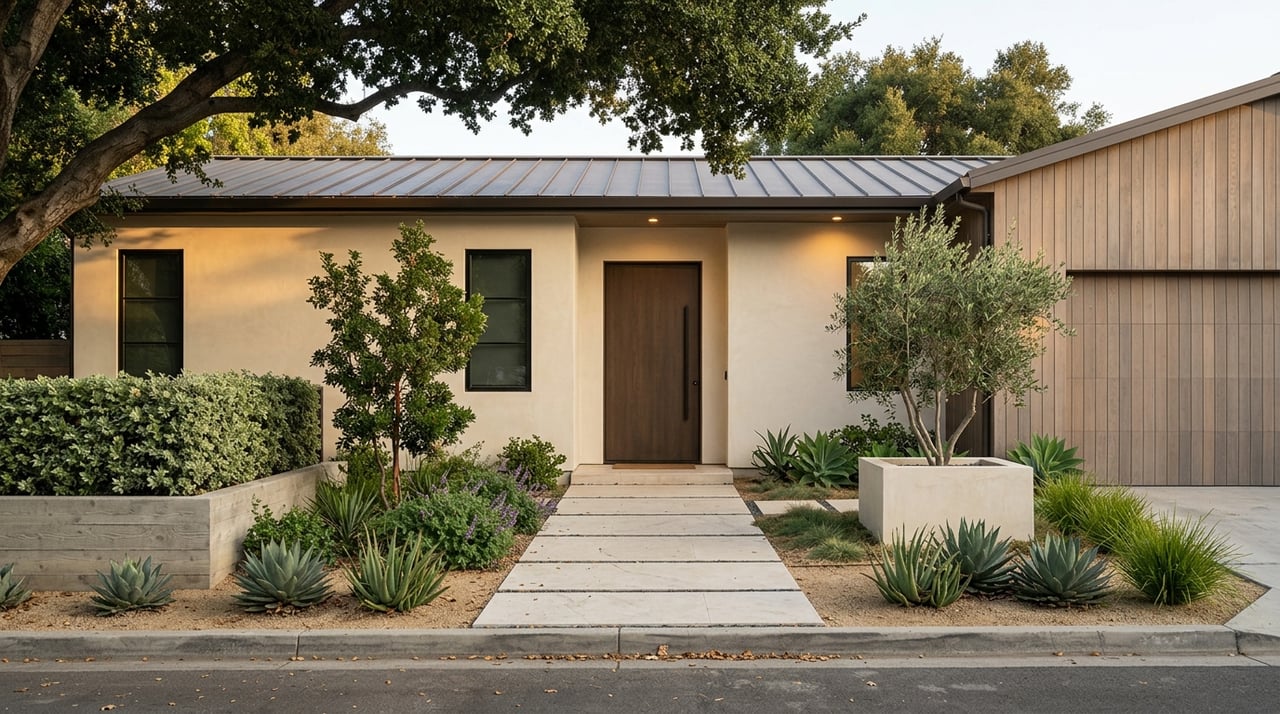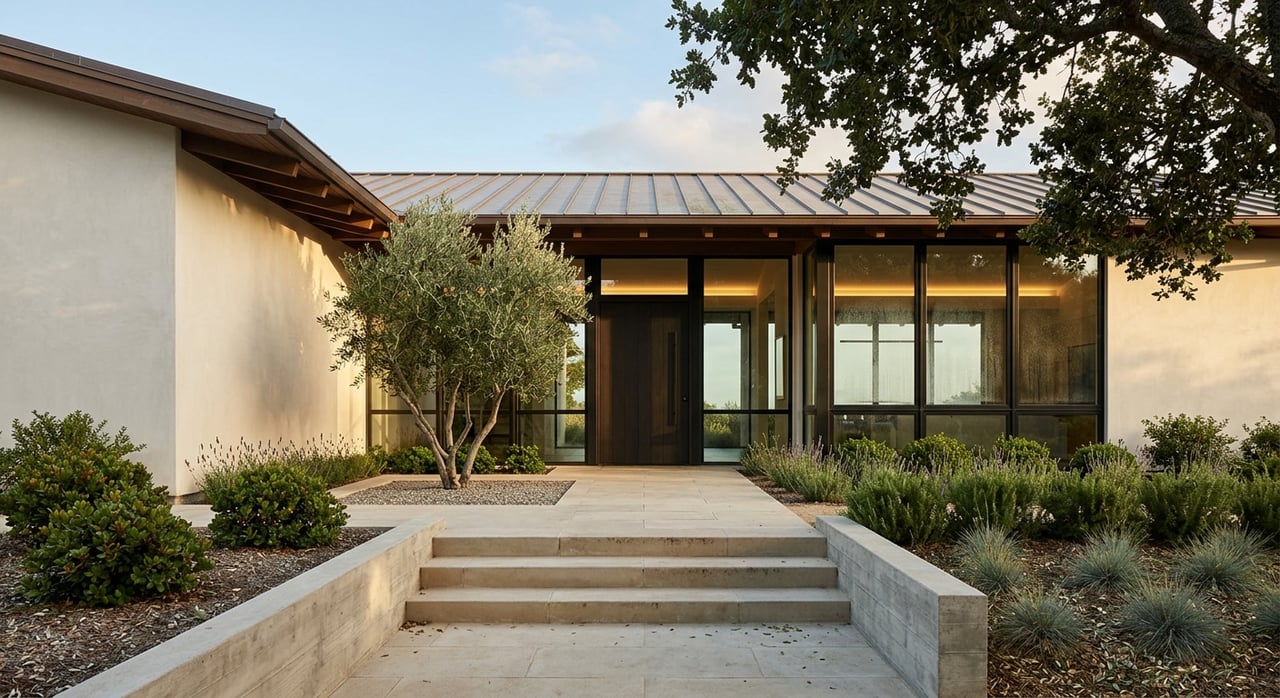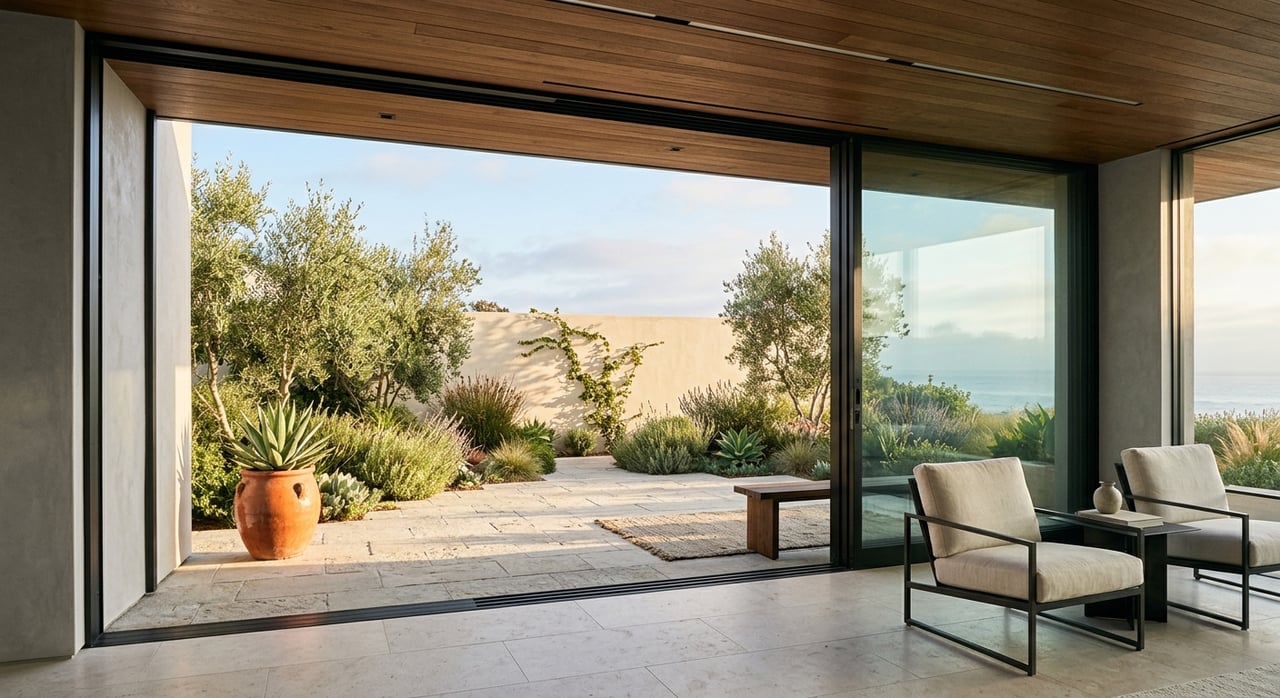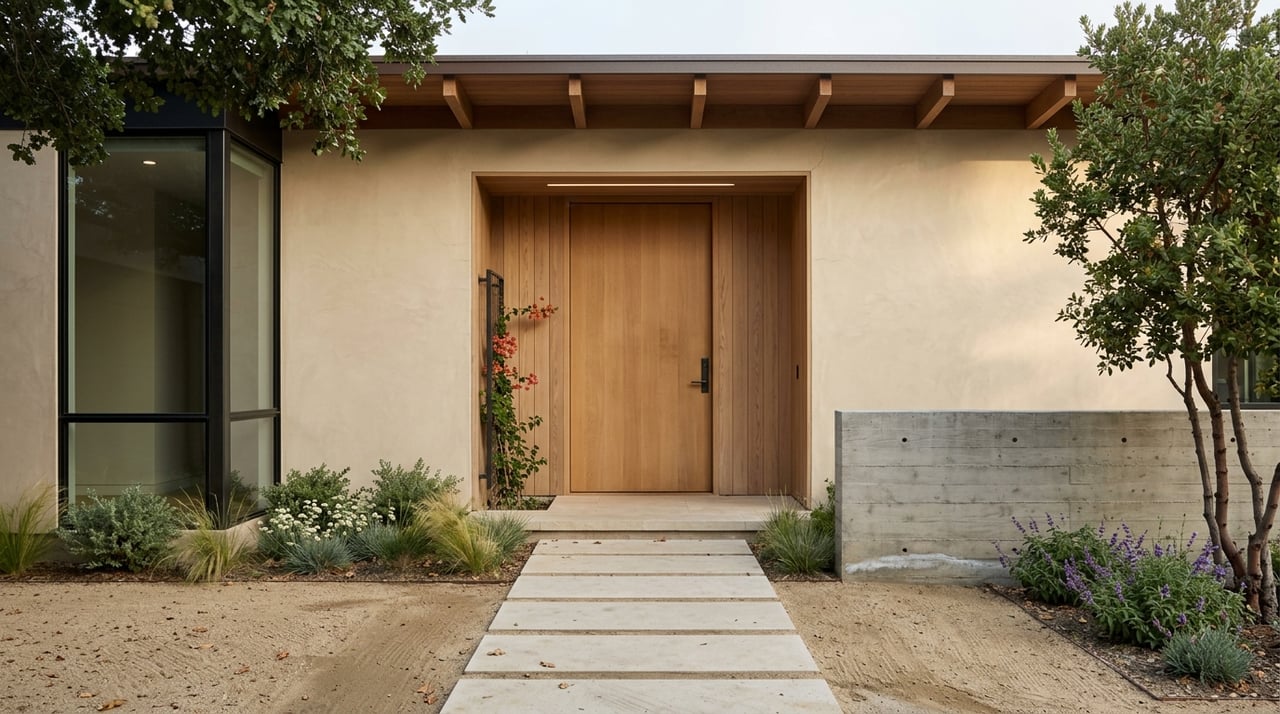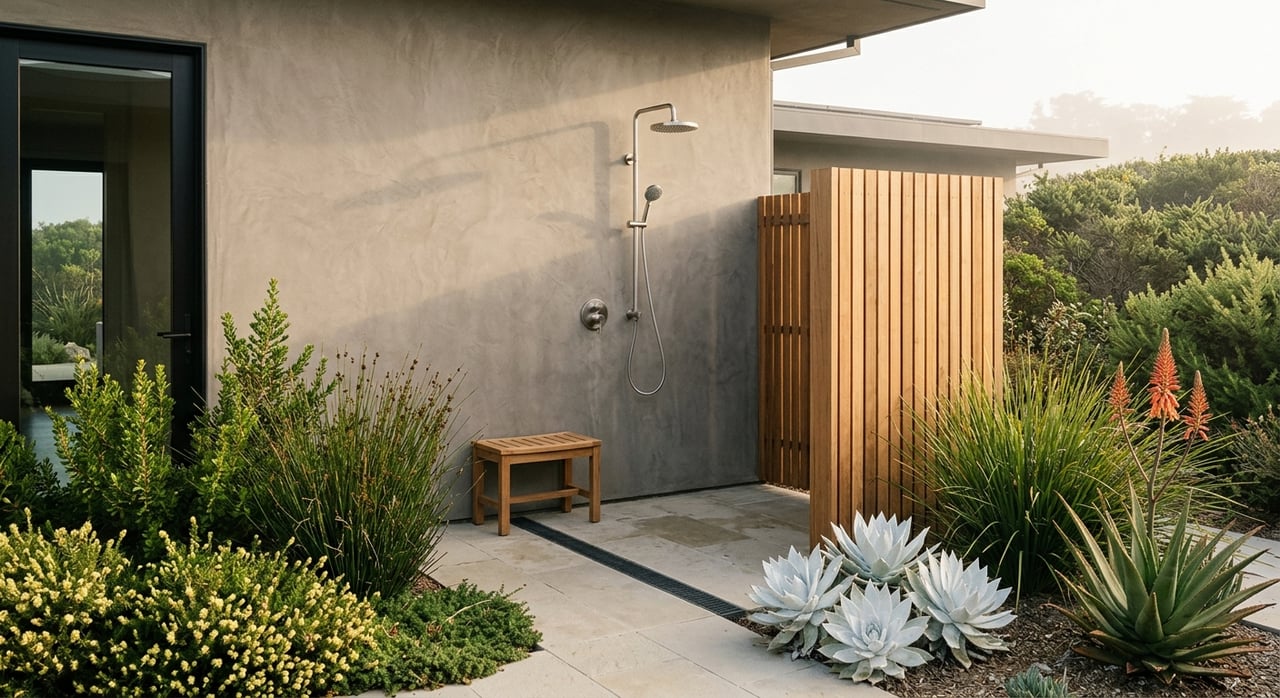
Why can two Malibu homes that look alike online sell millions apart? If you are buying or selling along this coastline, you feel the tension between beauty and complexity. The real drivers of value here live in entitlements, natural hazards, insurance, and a rare mix of privacy and global demand. This guide breaks down the forces that move prices in Malibu so you can make confident, timely decisions. Let’s dive in.
Malibu pricing, in plain terms
Typical Malibu single-family sales often land in the low millions, while oceanfront trophy properties can reach into the tens of millions. You will see different “median” or “typical” numbers depending on the vendor and time window. That is normal in a low-transaction luxury market like 90265, where a single ultra-prime closing can swing the monthly median.
When you compare headlines, focus on two things. First, note whether a figure reflects closed sales rather than list prices. Second, consider the sample size and period. Small data sets and big sales create big month-to-month moves, which is why a range is more truthful than a single number.
The supply cap: coastal entitlements
Almost all of Malibu sits inside California’s Coastal Zone, which means the City’s Local Coastal Program and the California Coastal Commission shape what you can build and where. These rules govern siting, setbacks, shoreline protection, and more, which effectively limits the supply of lots that are easy to entitle and improve. Fewer legally straightforward oceanfront and bluff-top parcels means a structural premium for properties with clean, documented entitlements. You can review the City’s LCP framework in the published code to understand the baseline rules and overlays.
- Explore Malibu’s Local Coastal Program and relevant overlays in the City code: City of Malibu LCP/LUP
- See the Coastal Commission’s sea-level rise policy guidance that shapes geologic setbacks and approvals: Sea-Level Rise Guidance
Why two “similar” parcels price so differently
From the street, two homes may look alike. On paper, they can be worlds apart. One may sit within an Environmentally Sensitive Habitat area, another may require a deep bluff setback, and a third may carry a recorded public access easement to the beach. Those entitlements and encumbrances, not just finishes, drive a large share of Malibu’s price dispersion.
Quick entitlement checklist
- Confirm if the lot falls within a shoreline or bluff overlay in the LCP.
- Ask for any recorded lateral or vertical public-access easements.
- Check for ESHA designations and prior Coastal Development Permit conditions.
- Review sea-level rise and bluff-retreat requirements that could push projects landward.
- Start with the City LCP/LUP and the Commission’s Sea-Level Rise Guidance.
Natural hazards and insurance shape demand
Wildfire is Malibu’s defining near- to mid-term hazard. The 2018 Woolsey Fire scarred large areas and reshaped how buyers, insurers, and lenders view risk. If you are assessing value today, you need to understand both hazard zones and how they affect insurance and financing.
- Review the Woolsey Fire incident record for context: CAL FIRE Woolsey Fire
- Much of Malibu falls in Very High Fire Hazard Severity Zones, which can trigger stricter building and defensible space requirements: City VHFHSZ resource
Insurance in 2024 to 2026: what changed
Private carriers adjusted their wildfire exposure in recent years, which pushed more homeowners toward the state’s insurer of last resort. If a property relies on that backstop, some buyers will price the risk in and some lenders will tighten underwriting. Learn how the FAIR Plan works and what it does and does not cover.
- Background on the California FAIR Plan: FAIR Plan overview
Regulators also introduced programs that reward verified mitigation and aim to stabilize high-risk markets. These policies directly affect premiums and availability, which feed into buyer willingness to pay.
- California’s Safer from Wildfires discount framework: CDI 2022 announcement
- Recent strategy updates affecting wildfire-distressed areas: CDI 2025 update
How insurance impacts price
- Upfront cost: Higher annual premiums and deductibles reduce affordability, which lowers what some buyers will pay.
- Financing friction: If replacement-cost insurance is hard to secure, lenders may narrow the buyer pool.
- Rebuild risk: Code upgrades and mitigation can raise rebuild costs after a loss, which creates a discount for properties with uncertain coverage.
Sea-level rise, bluff retreat, and public access
On the oceanfront, long-term planning risk is now part of valuation. The Coastal Commission requires geologic setback and wave runup analysis over a structure’s expected life, which often reduces the buildable area or conditions approvals. When projections show meaningful bluff retreat or sand loss, buyers usually apply a discount or favor lots further from the hazard line. See the current Sea-Level Rise Guidance for the framework influencing oceanfront approvals.
Public access is another key factor. In California, beach below the mean high-tide line is public, and many Malibu parcels carry recorded lateral or vertical access easements that support community access. These encumbrances can reduce privacy and usable beachfront, which changes value. The Coastal Conservancy’s program outlines how access is planned and maintained along this coast: Malibu Coastal Access Program.
Neighborhood and lot traits that move the needle
Malibu’s value axes are clear, and they stack.
- Oceanfront on sand vs bluff-top views vs inland canyons. Direct sand access earns the highest premiums, with higher regulatory and hazard exposure.
- Presence of public-access easements. Recorded routes reduce exclusivity, which changes pricing.
- Lot geometry, parking, and PCH access. Secure ingress and on-site parking command premiums for day-to-day usability.
- Privacy and separation. Gates, setbacks, and low visibility matter, especially for high-profile buyers.
Examples: Carbon Beach, sometimes called “Billionaire’s Beach,” pairs direct sand access with a web of public-access easements and enforcement history. Malibu Colony and Broad Beach are high-value, tightly packed neighborhoods where shoreline management and easements have influenced dynamics over time.
Demand: who buys Malibu and why it matters
At the top of the market, UHNWI trophy buyers pay premiums for privacy, direct beach access, architecture, and proximity to LA culture. High-profile sales can temporarily reset price perception for nearby properties, especially when publicity draws a broader, often all-cash, buyer pool. For color on how a handful of outsized deals shape headlines each year, review a recent list of the nation’s top luxury closings: ultra-prime sales roundup.
Domestic high net worth buyers often compare Malibu to Pacific Palisades, Montecito, or La Jolla, weighing commute time, hazard exposure, and beachfront access. Industry commentary has noted a shift toward strategic, needs-based luxury purchases that reward turnkey, well-located properties with clear risk narratives: luxury market perspective.
Families also consider schools alongside lifestyle and location. Malibu is served by the Santa Monica–Malibu Unified School District, and recent district press highlights national recognition for Malibu High. You can review the district’s announcement here: SMMUSD press release on rankings.
Making sense of big price gaps
When two adjacent homes close at very different prices, look first at the objective factors, then the demand story.
- Legal and physical constraints. Entitlements, recorded access, ESHA designations, and bluff setbacks often explain more than finishes. Start with the City LCP/LUP.
- Insurance and financing. Private-market availability and mitigation discounts affect both the buyer pool and pricing. Review the CDI 2022 program and CDI 2025 update.
- Rebuild cost and code upgrades. Post-fire requirements raise costs, which buyers price in. For context, see the Woolsey Fire record.
- Demand-driven premiums. Celebrity provenance and media attention can pull in a different buyer set and result in one-off outcomes.
Seller playbook: how to maximize value
- Assemble the entitlement story. Gather CDPs, geotechnical reports, easements, and any LCP conditions into a clean package. This reduces uncertainty and supports premium pricing.
- De-risk the insurance conversation. Secure up-to-date quotes, document mitigation under the Safer from Wildfires framework, and be ready to discuss FAIR Plan layers if relevant (FAIR Plan overview).
- Lead with design and lifestyle. In a market powered by editorial exposure and global reach, best-in-class creative, PR, and distribution attract the right buyers and compress time on market.
Buyer playbook: how to shop smart
- Start with location hierarchy. Decide if you value direct sand access, bluff-top views, or canyon privacy, then price the tradeoffs.
- Underwrite the risk. Review hazard maps, entitlement overlays, and sea-level guidance early, and align your insurance strategy with your lender.
- Value the intangibles. Privacy, parking, and PCH ingress matter every day. So does certainty around future improvements.
A grounded advisor for Malibu
Malibu rewards thoughtful preparation and precise storytelling. If you want a candid read on value, a plan to elevate your property, or a shortlist that fits your risk and lifestyle goals, we can help. Request a conversation with Eric Haskell to align on strategy and timing.
FAQs
How do Malibu’s coastal rules affect home values?
- The City’s Local Coastal Program and Coastal Commission policies limit where and how you can build, which makes clearly entitled lots scarce and more valuable. Start with the City LCP/LUP.
What did the Woolsey Fire change for buyers and insurers?
- It reshaped risk perception and underwriting in Malibu’s Very High Fire Hazard areas, raising costs and scrutiny for some homes. See the CAL FIRE incident record.
How does wildfire insurance availability influence my offer price?
- Higher premiums, deductibles, or reliance on the FAIR Plan can narrow the buyer pool and reduce willingness to pay. Review Safer from Wildfires and the FAIR Plan overview.
Are oceanfront lots worth the premium if seawalls are restricted?
- Oceanfront offers unmatched amenity value but faces long-term setback and armoring limits, which some buyers discount. Read the Commission’s Sea-Level Rise Guidance.
Do public beach access easements reduce privacy and value?
- Recorded lateral or vertical access routes can affect privacy and usable beachfront, which some buyers factor into price. See the Conservancy’s coastal access plan.