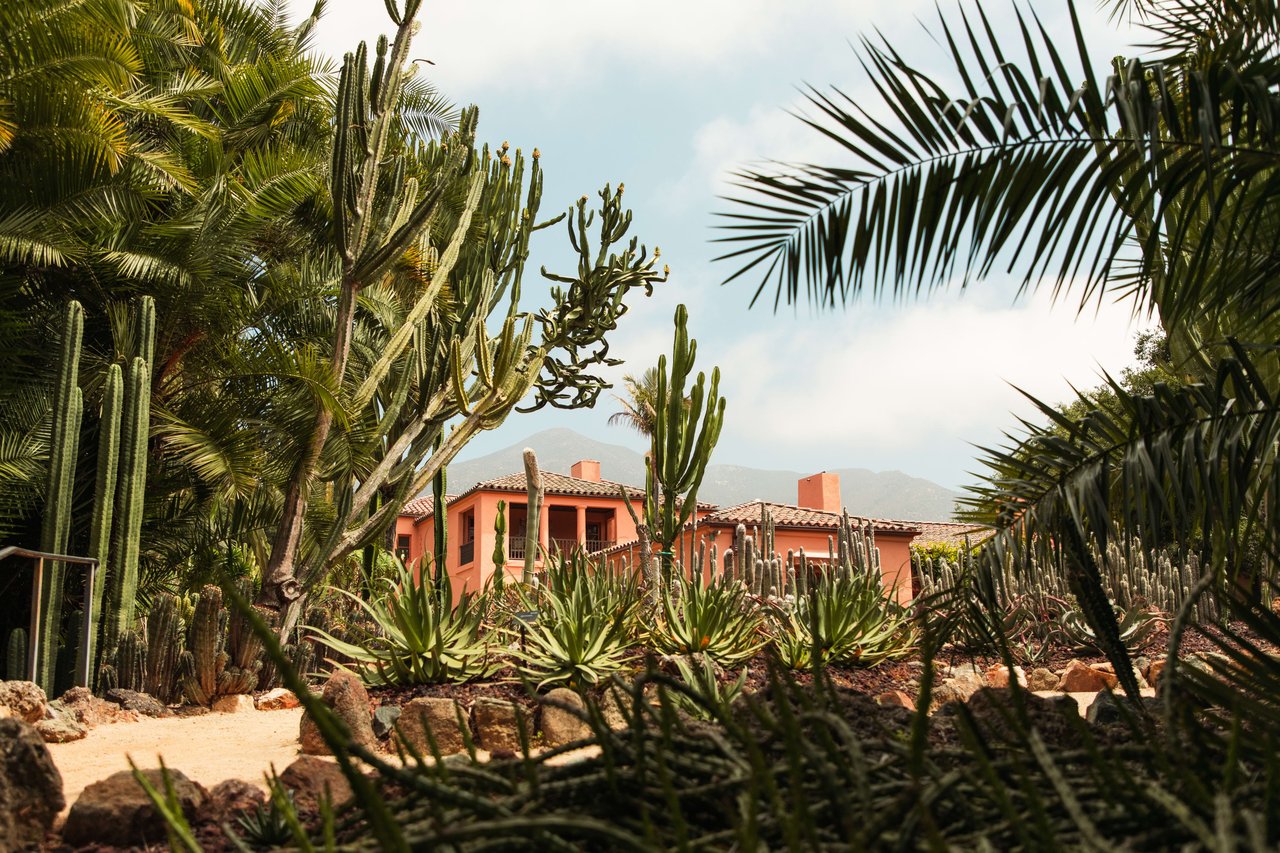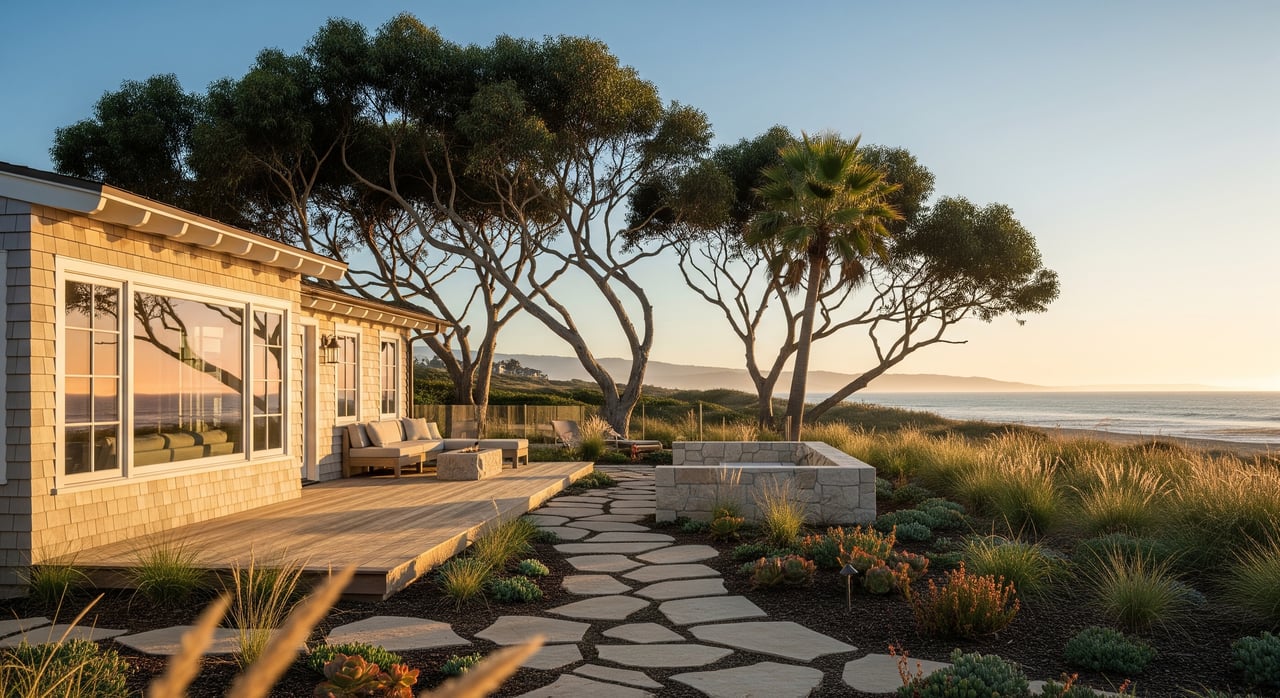
If you crave a slower coastal rhythm without giving up access to world-class amenities, Summerland may be your spot. Picture a compact beach village where you can stroll to coffee, linger at local boutiques, and catch sunset from a bluff overlook. If you are considering a move, you likely want the real story on walkability, beach access, daily conveniences, and what to expect from the homes themselves. This guide gives you a clear view of life in Summerland and how it compares to nearby hubs, so you can decide if it fits your lifestyle. Let’s dive in.
Where Summerland sits
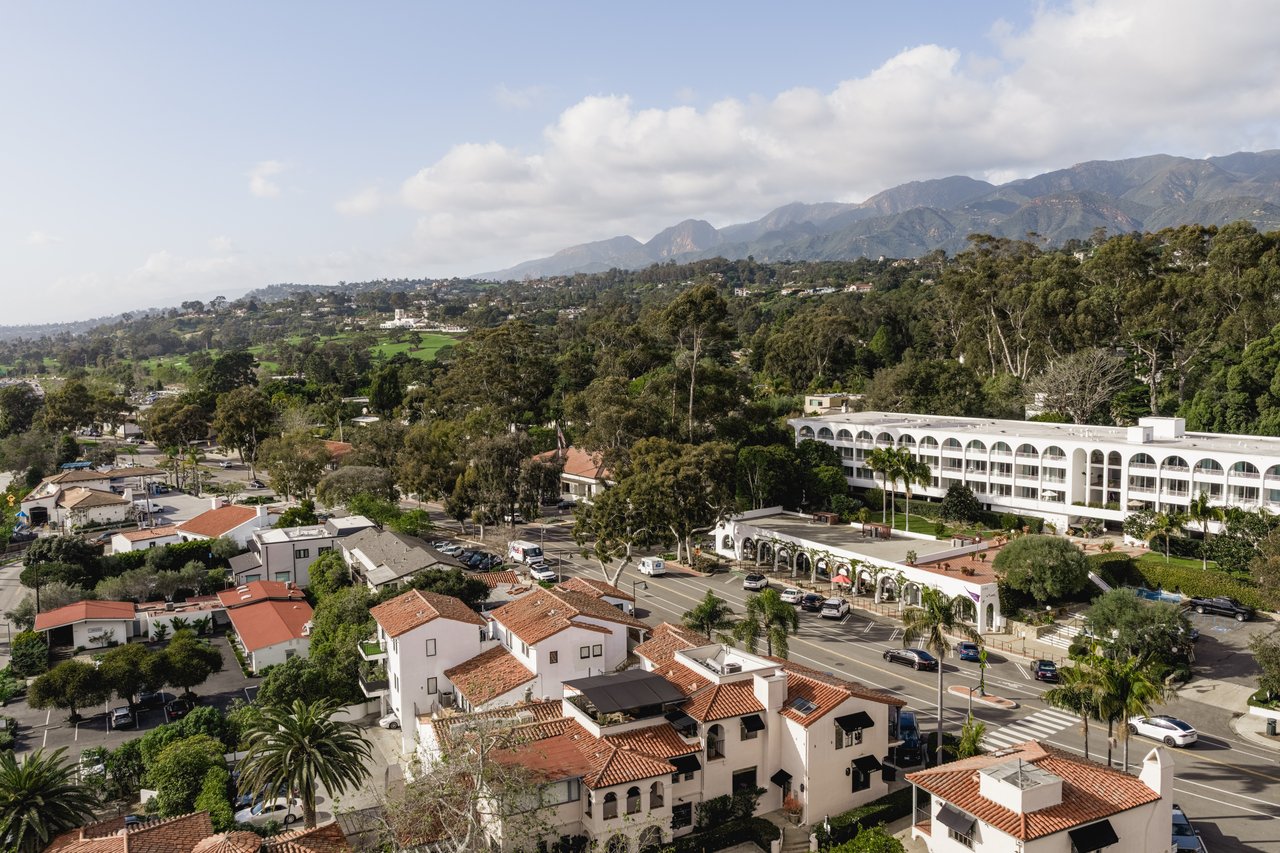
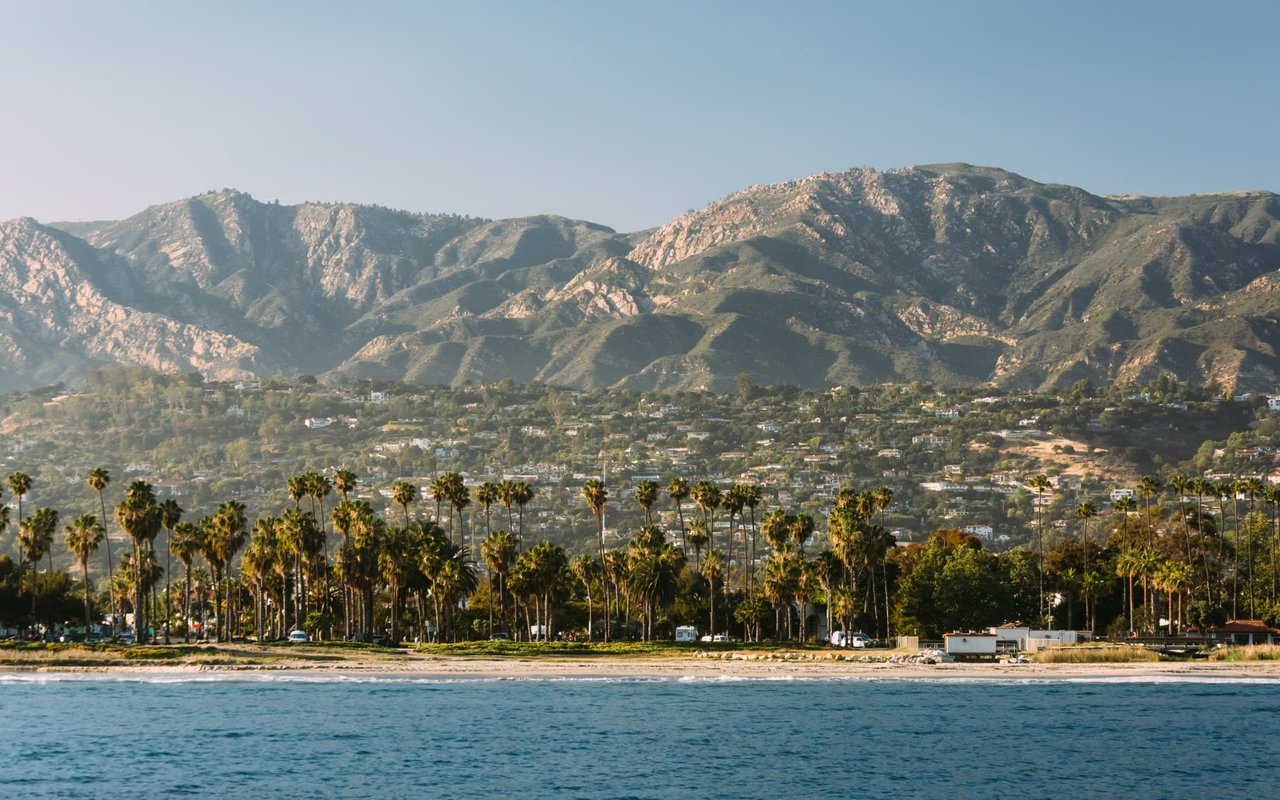
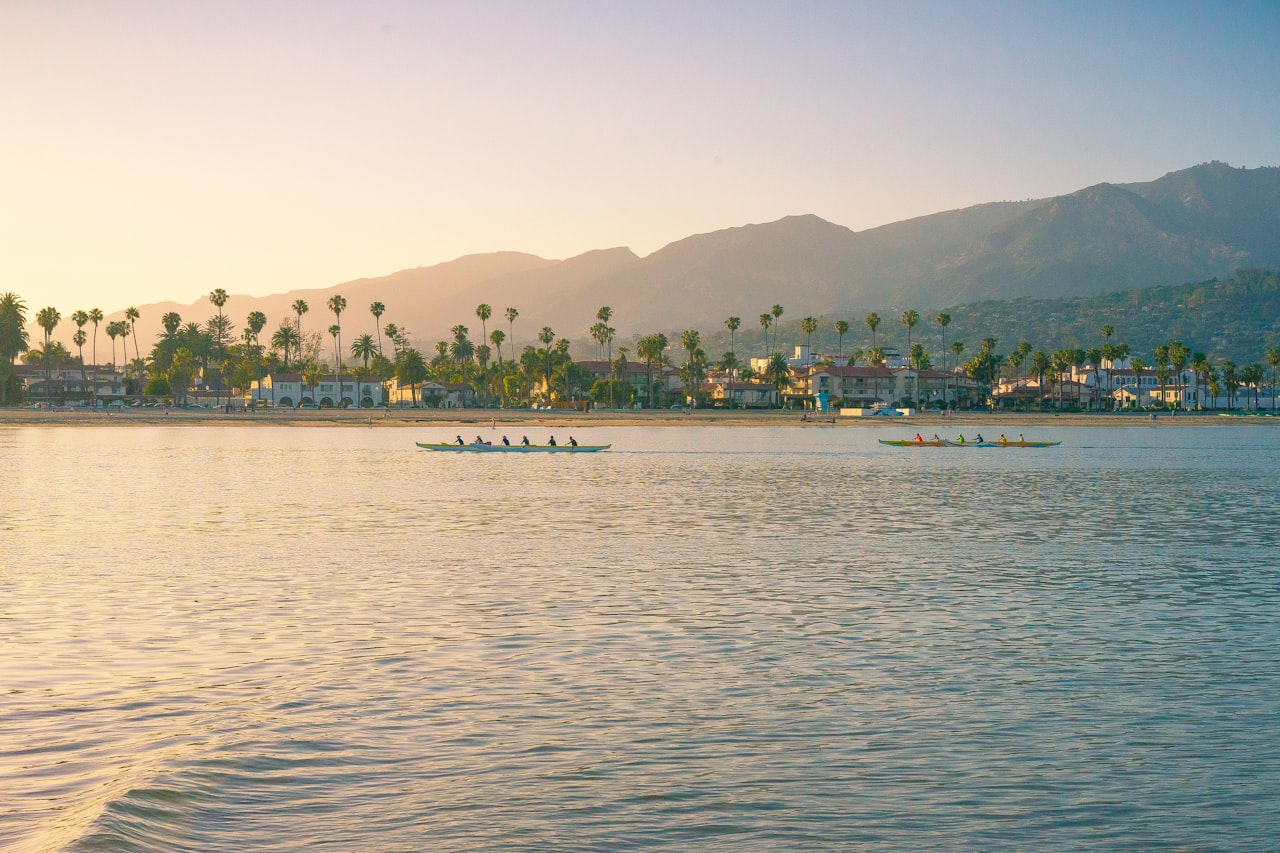
Summerland is an unincorporated coastal community in Santa Barbara County. It rests on a scenic stretch of the South Coast between Montecito to the northwest and Carpinteria to the southeast. The Pacific shoreline defines daily life here, with low hills rising just inland.
US-101 is the main corridor that connects Summerland to the region. Smaller local roads link you to nearby neighborhoods, parks, and beaches. Public transit and regional rail service operate within the county, though routes and schedules vary, so it is best to check current options when you plan your day.
Beach access and shoreline tips
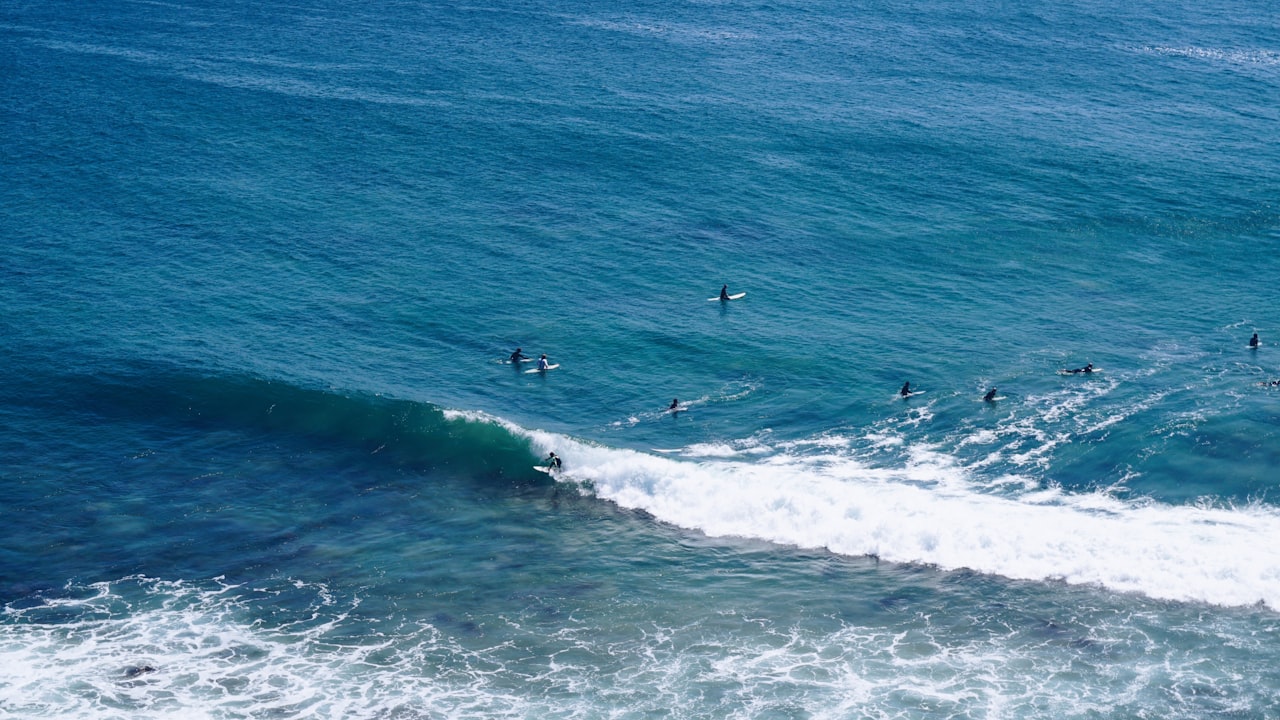
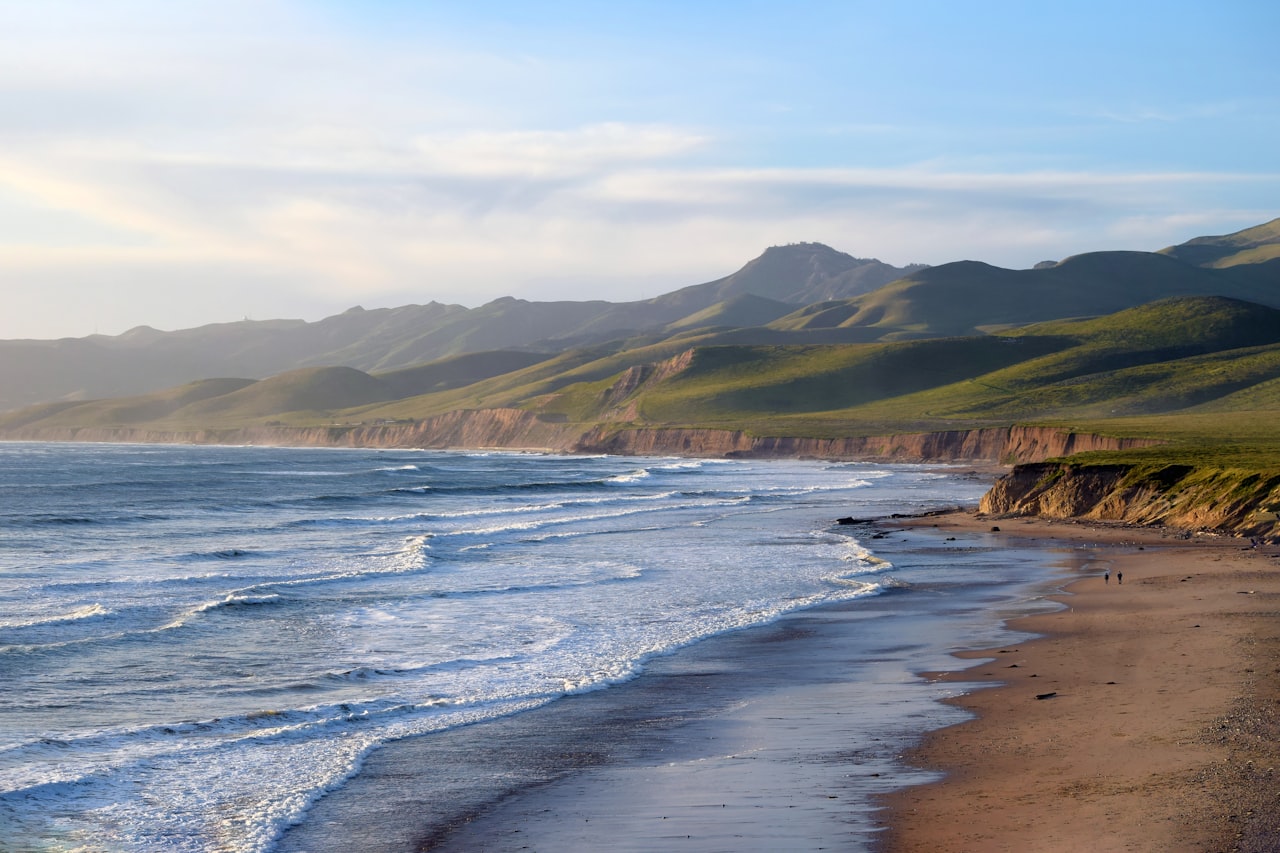
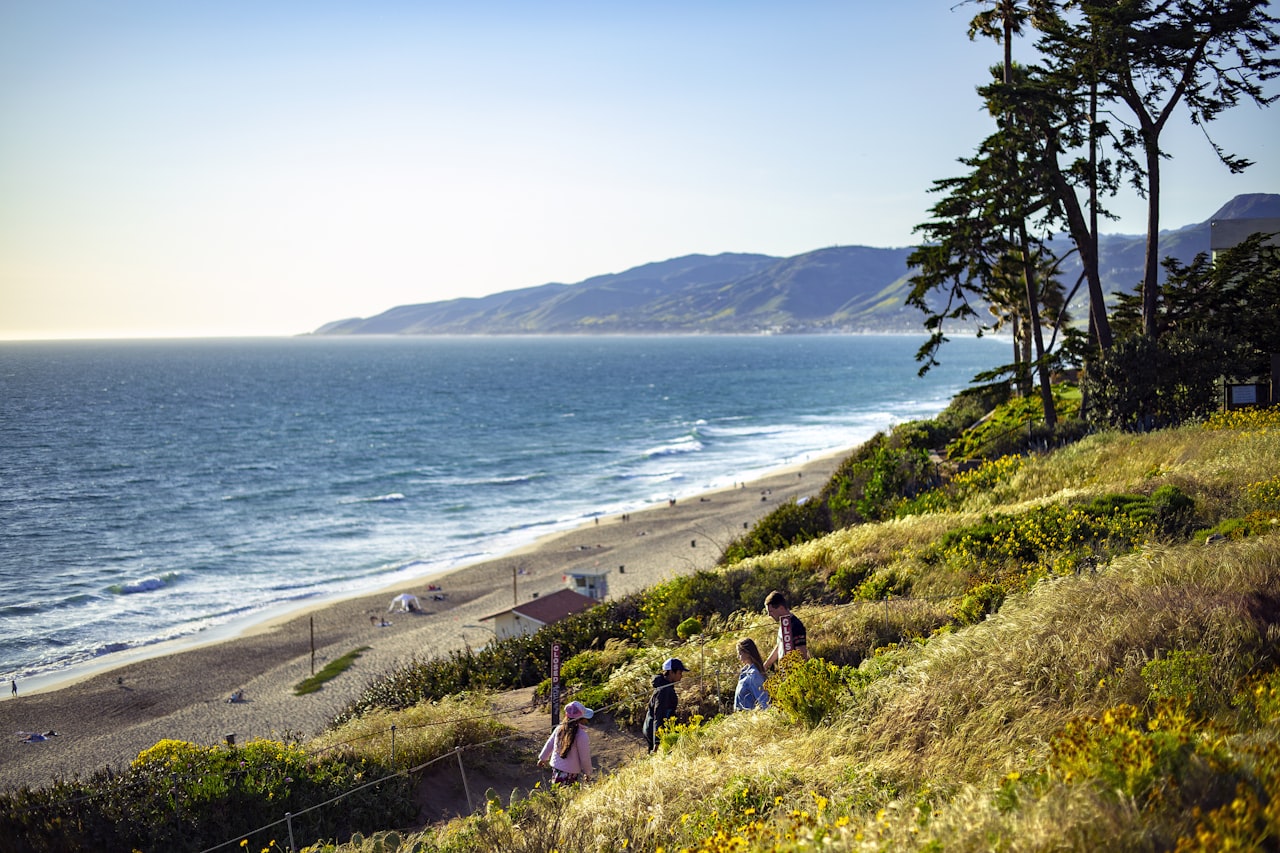
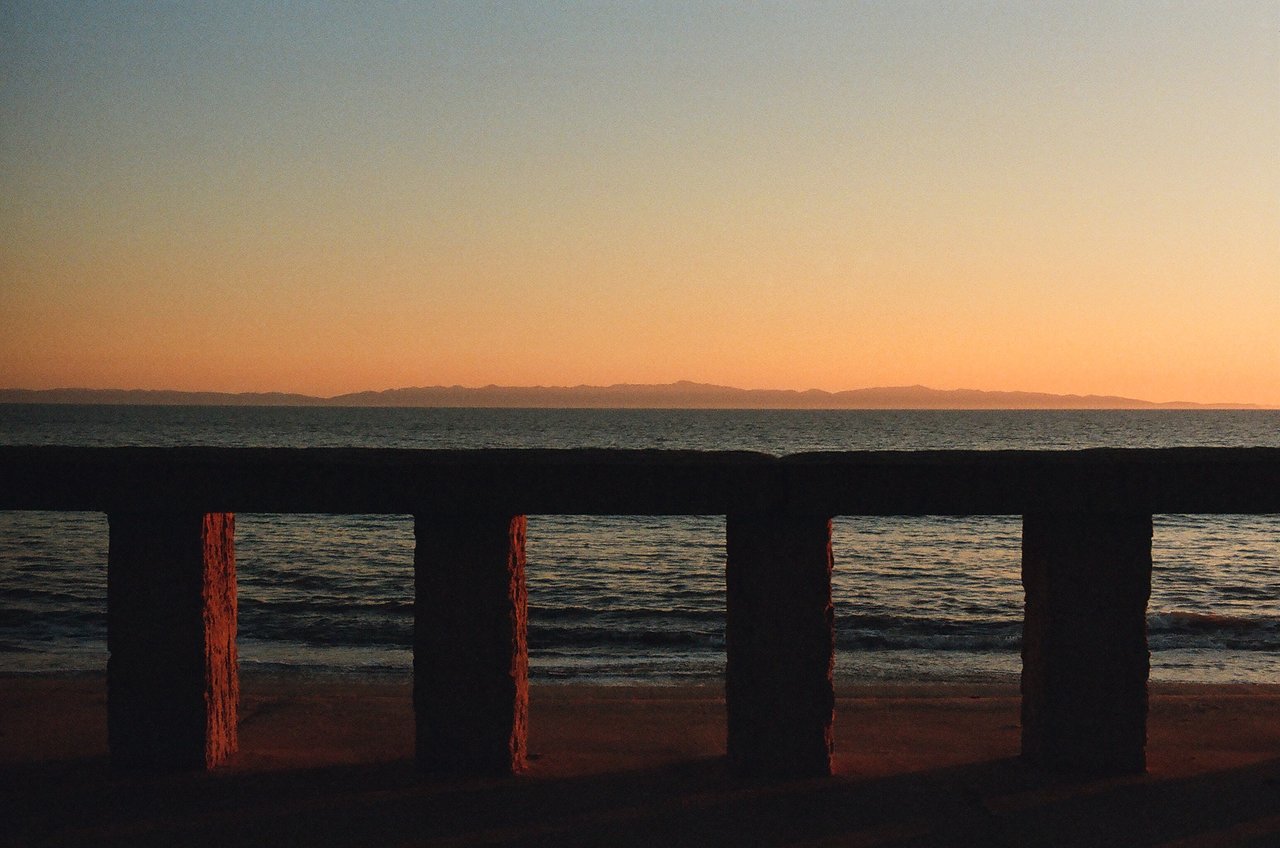
Summerland’s shoreline features sandy pockets, rocky outcrops, and coastal bluffs. Multiple public access points, including stairways and ramps, lead down to the beach. You can expect peaceful morning walks, tidepool exploration at low tide, and wide ocean views from bluff-top lookouts.
- Use signed public access routes. Some bluff-top stretches are next to private properties, so follow posted signs to reach the sand.
- Plan around tides and conditions. Rip currents and surf conditions change by season and location. Check local tide charts and pay attention to any posted guidance on the beach.
- Note seasonal services. Lifeguard presence varies by spot and time of year. Bring what you need for safety and comfort.
- Know the rules. Policies regarding dogs, bonfires, and glass can vary by beach. Review posted regulations at each access point.
Parks and a village rhythm
Public parks and small viewpoints near the shore serve as community gathering spots. Expect a relaxed, residential feel with a strong small-business presence and a local visitor draw during peak seasons. Community happenings tend to be intimate and design-forward, from seasonal markets to art-focused events. If you like a low-key calendar with easy access to bigger-city culture nearby, this balance is part of Summerland’s appeal. For specific dates and happenings, check local visitor resources before you go.
Dining and boutiques you can walk to
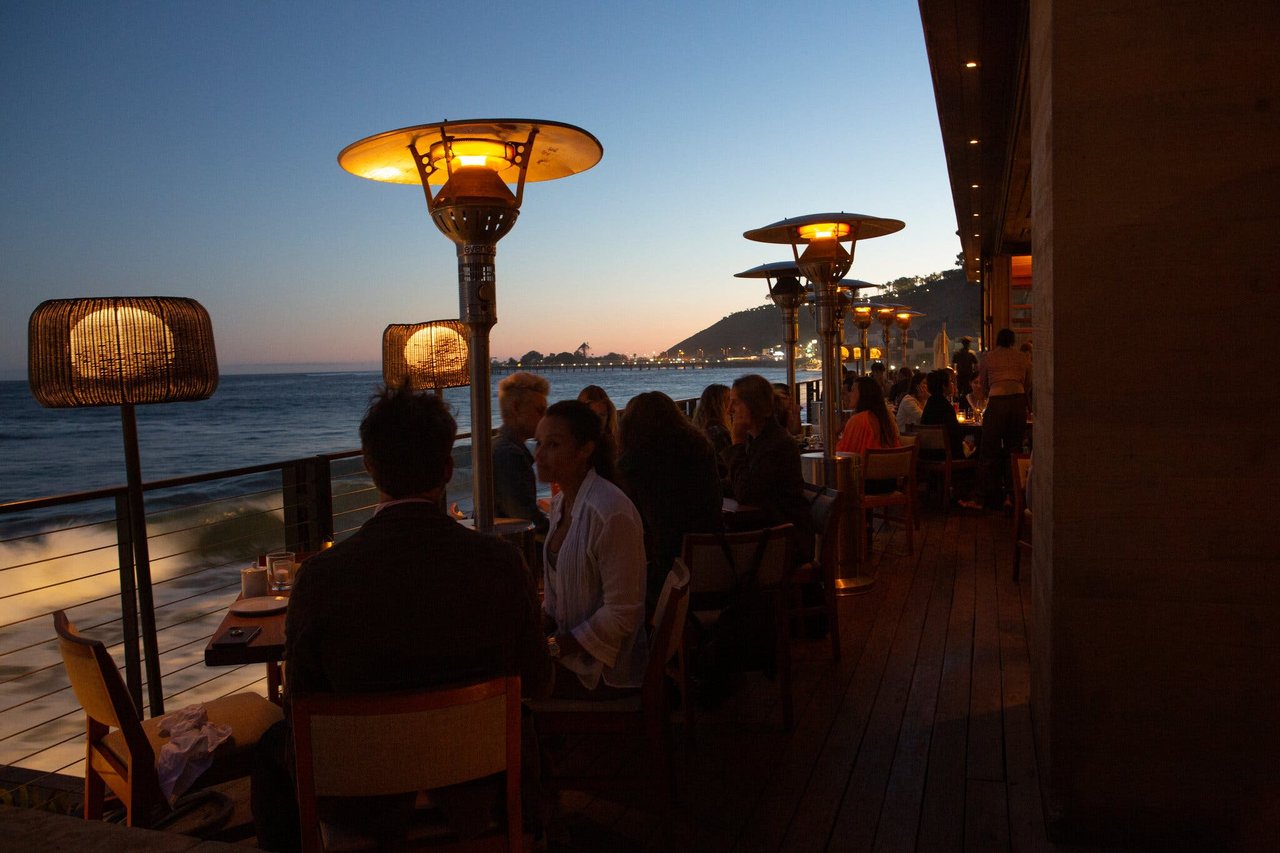
The commercial strip in Summerland reads like a curated lane of independent spots. You will find casual dining, coffee, small specialty food shops, art galleries, and locally owned boutiques that cater to both residents and day‑trippers. The experience is personal and artisanal rather than chain-driven.
- Expect straightforward parking. On-street spaces and small lots are common.
- Check hours in advance. Some businesses have seasonal schedules and may close early on certain days.
- Enjoy the stroll. From many nearby streets, you can walk the village core, pop into a shop, and be back at the beach for sunset.
Trails and outdoor life
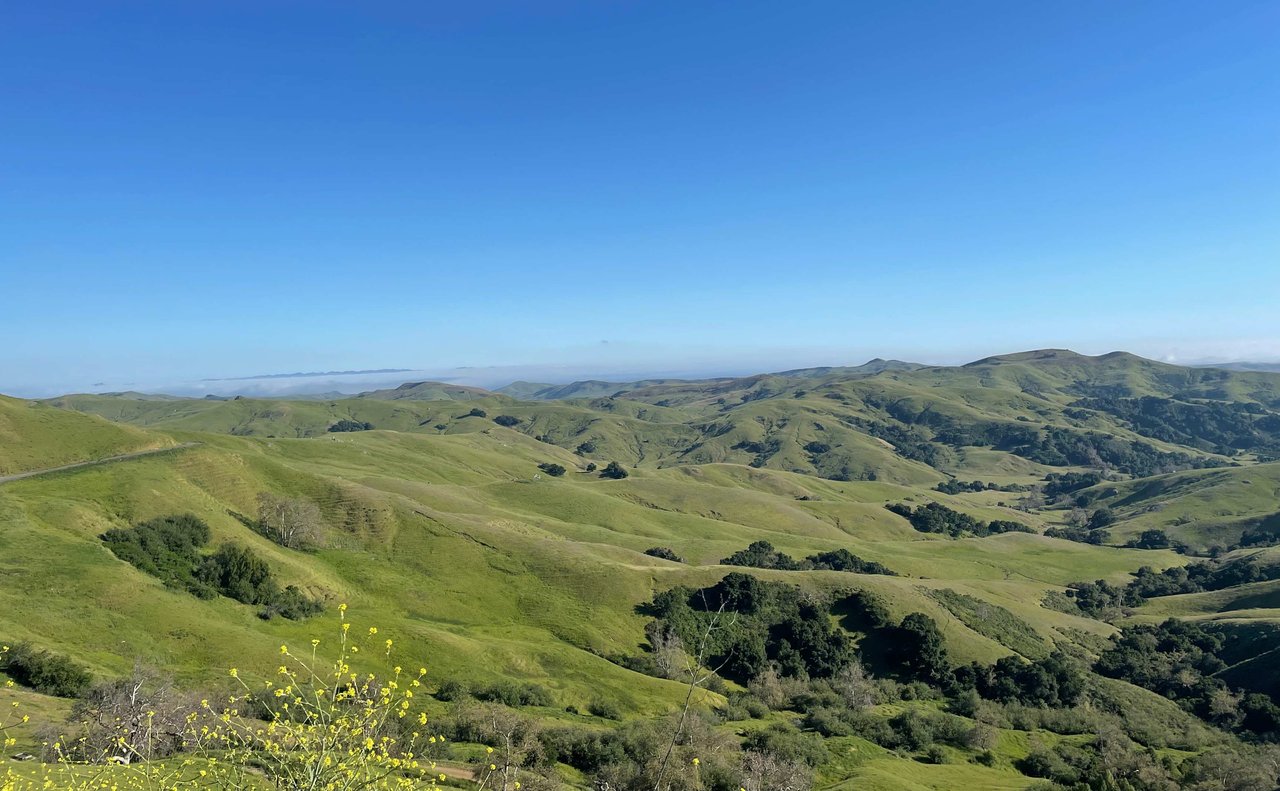
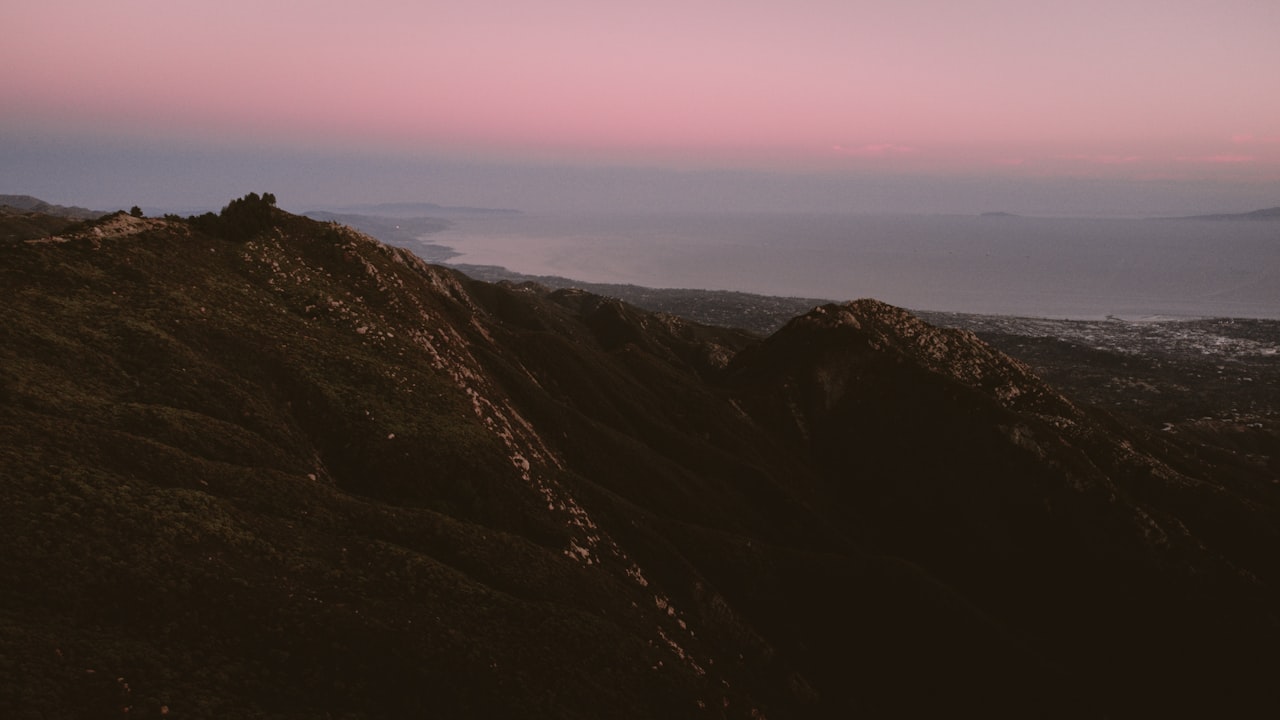
Behind the coastal strip, low hills open to local hiking and scenic viewpoints. These areas connect with broader trail systems elsewhere in Santa Barbara County, making Summerland a strong base for day trips.
On shore, simple pleasures carry the day. Beach walking, birdwatching, and tidepooling are favorites. Surfing and swimming are part of the South Coast lifestyle, though conditions vary. Follow posted guidance and check ocean reports before you head out.
For hillside trails, keep a few basics in mind:
- Verify trail conditions. After storms, some trails may be muddy or closed. Trailhead parking can be limited, especially on weekends.
- Respect seasonal risks. Wildfire season and post-storm closures can affect access. Obey all local notices and restrictions.
- Confirm permitted uses. Some trails allow dogs or mountain bikes, while others are hiking only.
Choosing your setting: near shore vs hillside
In Summerland you generally pick between two lifestyles. Each has clear tradeoffs.
Near‑shore homes
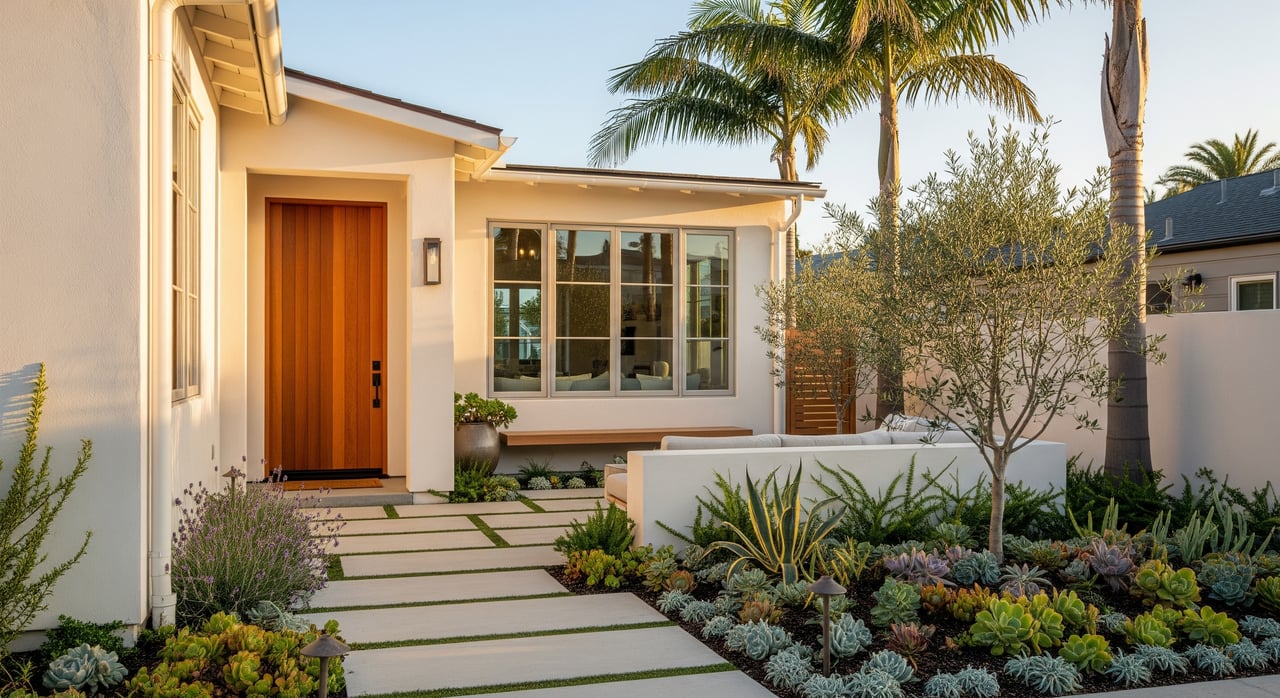
- What you get: Walkability to the beach and shops, classic beach cottages and bungalows, and remodeled coastal homes.
- Tradeoffs: Smaller lots and limited private outdoor space are common. Parking can be tighter in the village core.
Hillside and inland homes
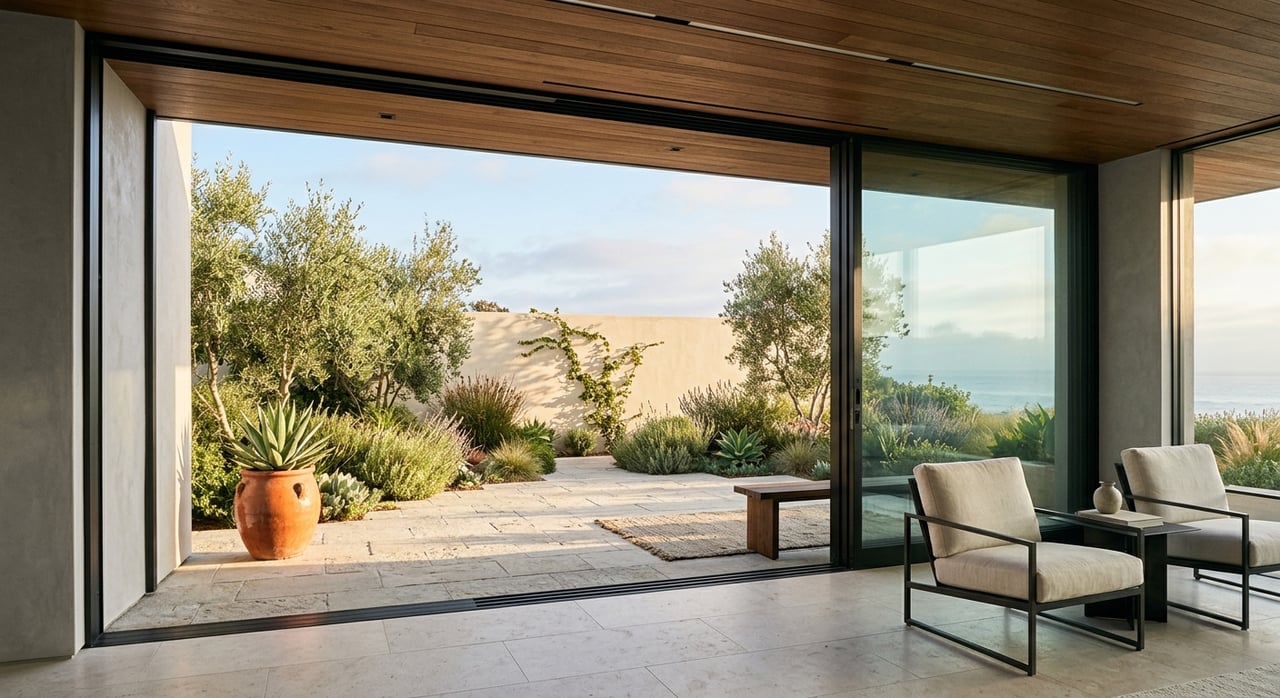
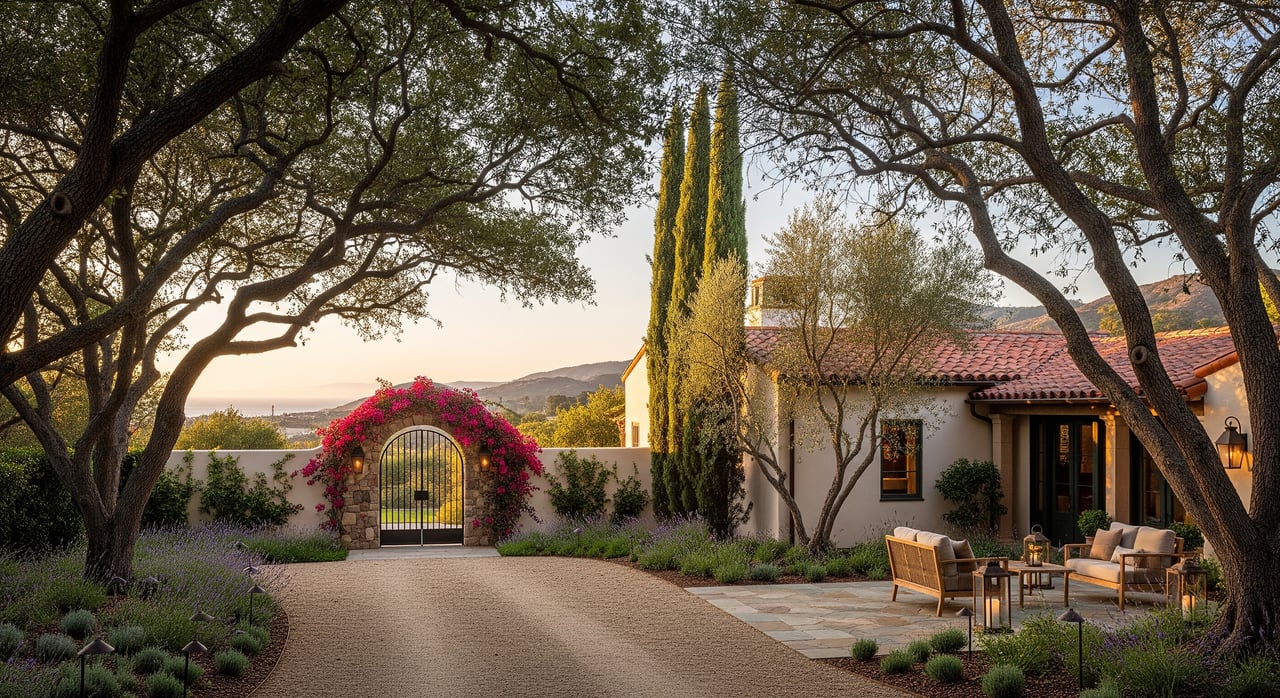
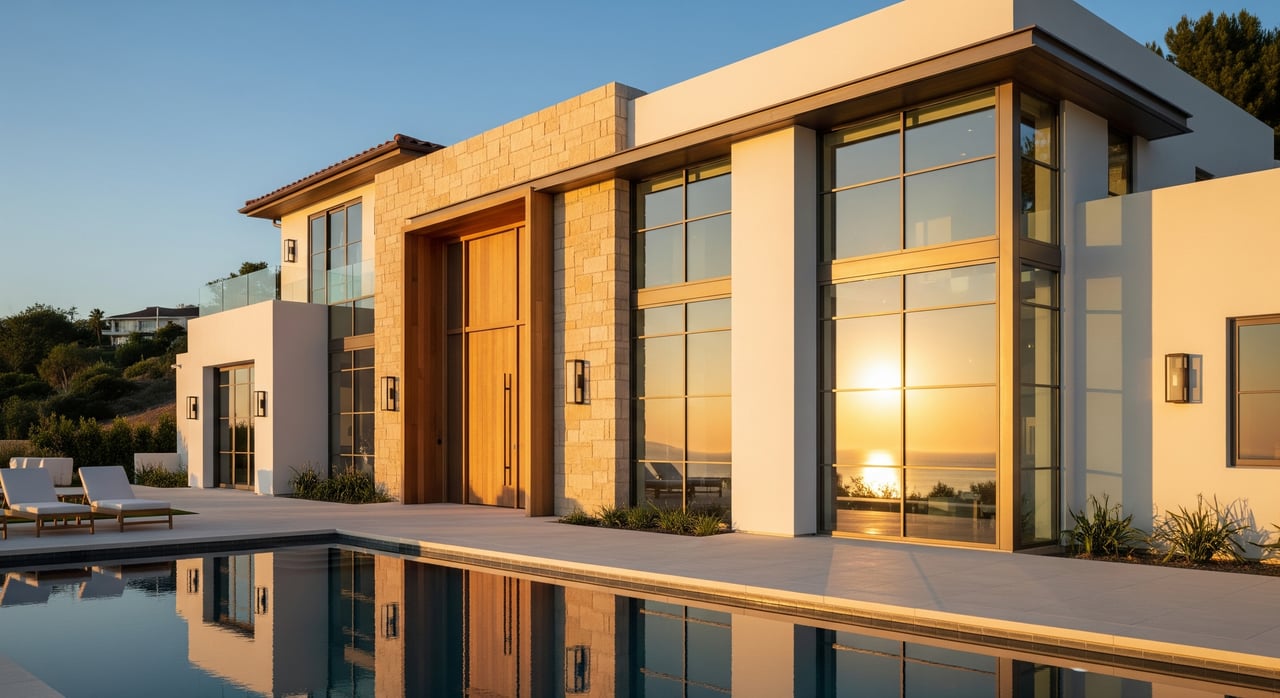
- What you get: Larger lots, more privacy, and wider ocean views from the slope above the coast.
- Tradeoffs: Steeper driveways and longer walks to the beach or village. In some locations, wildfire access and safety planning become more important.
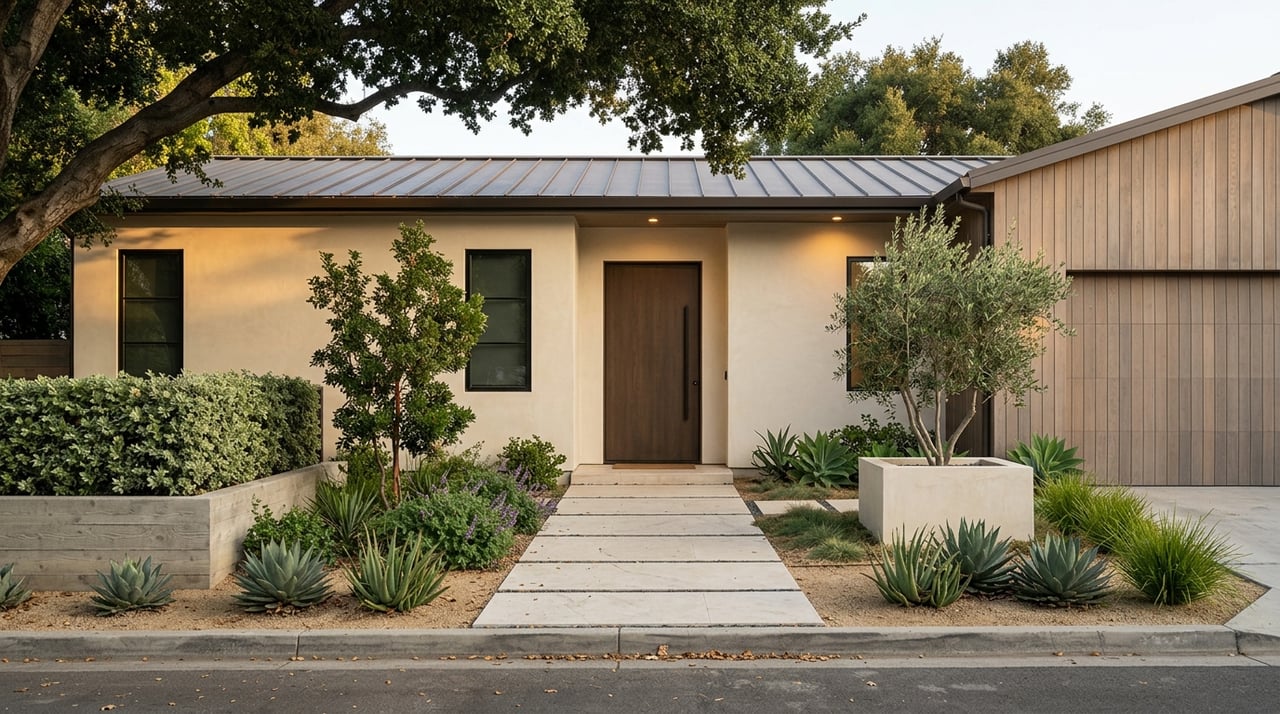
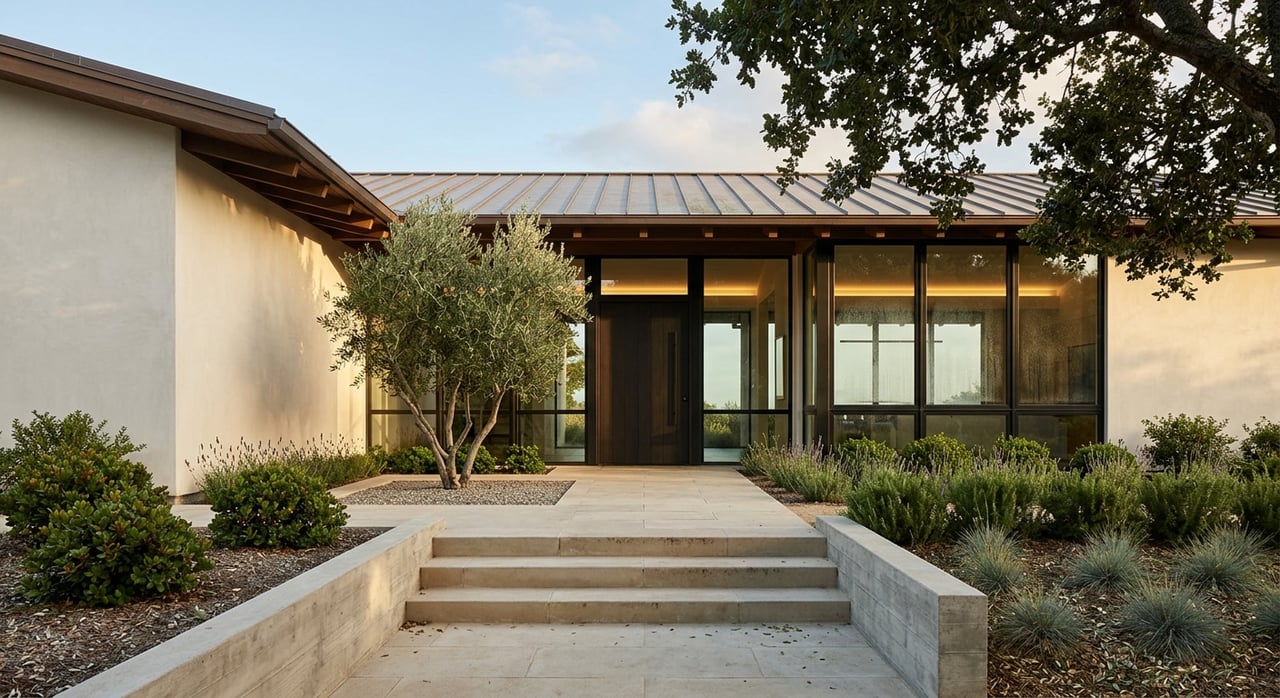
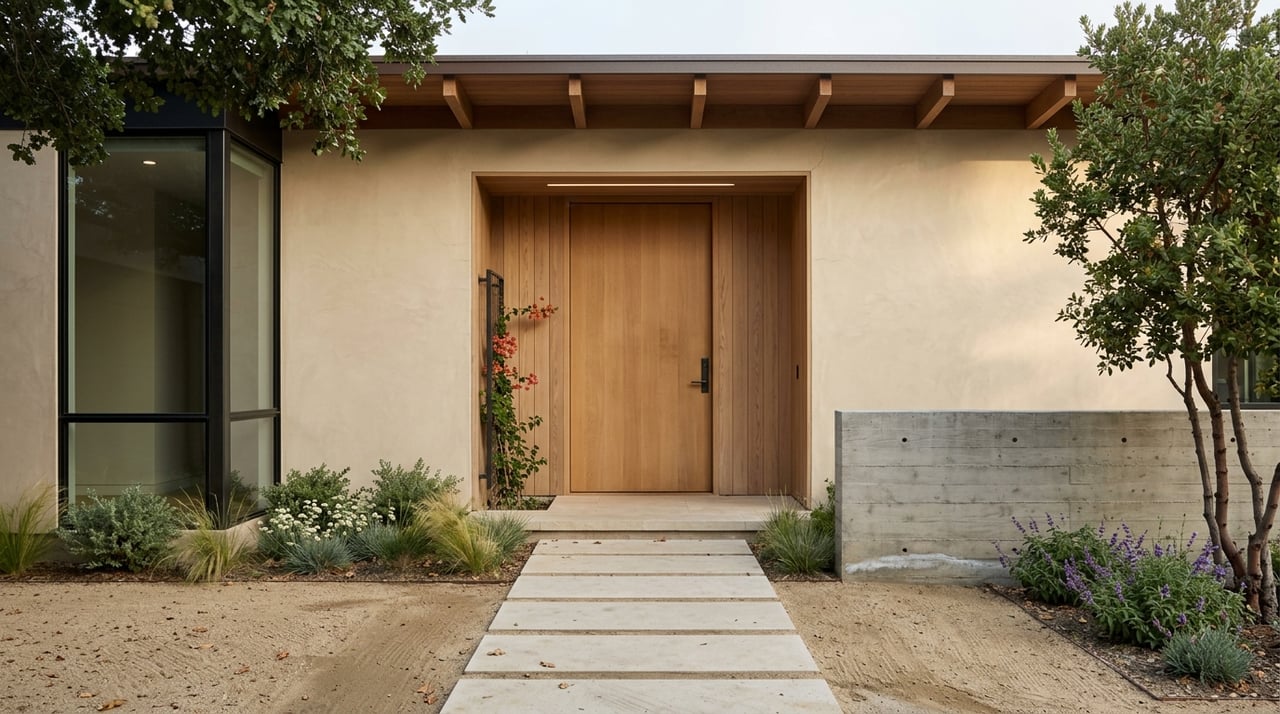
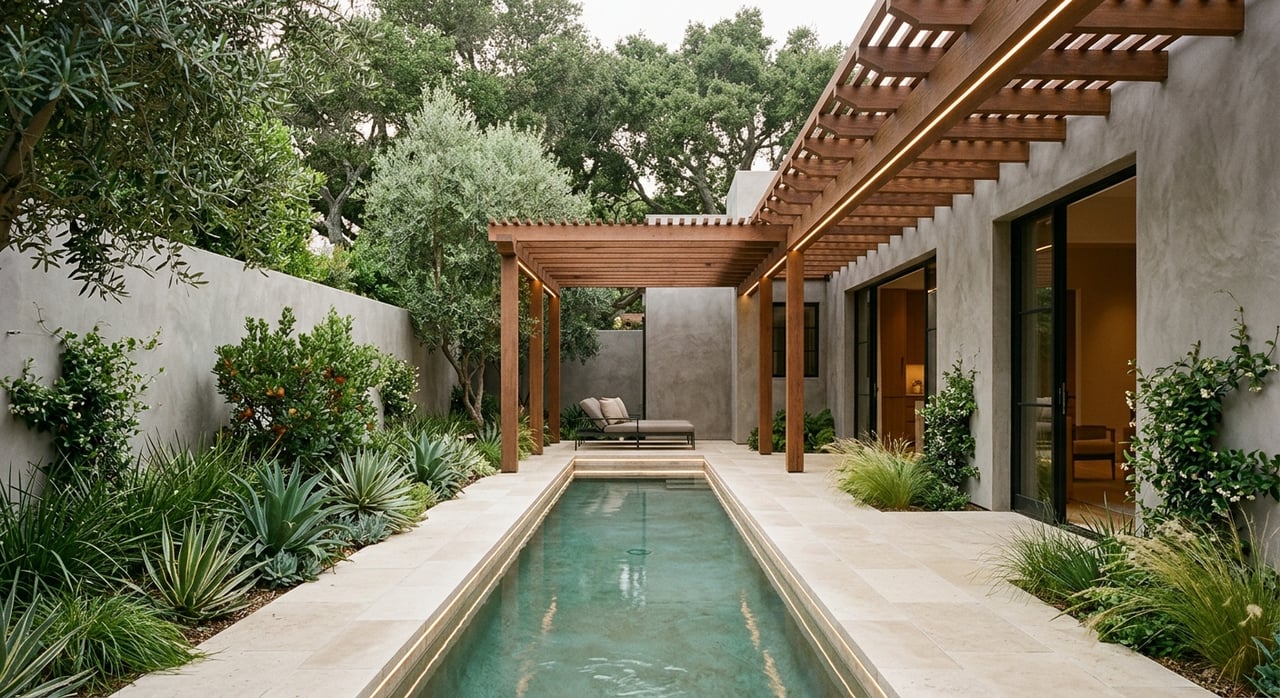
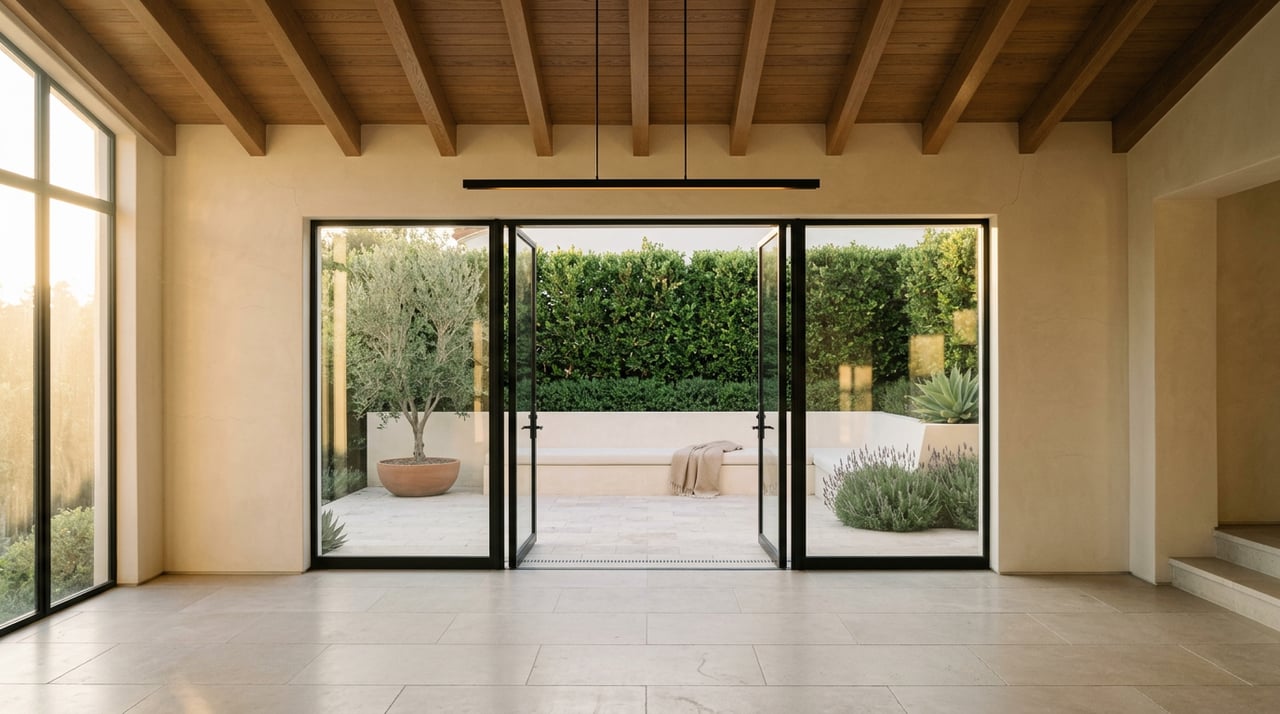
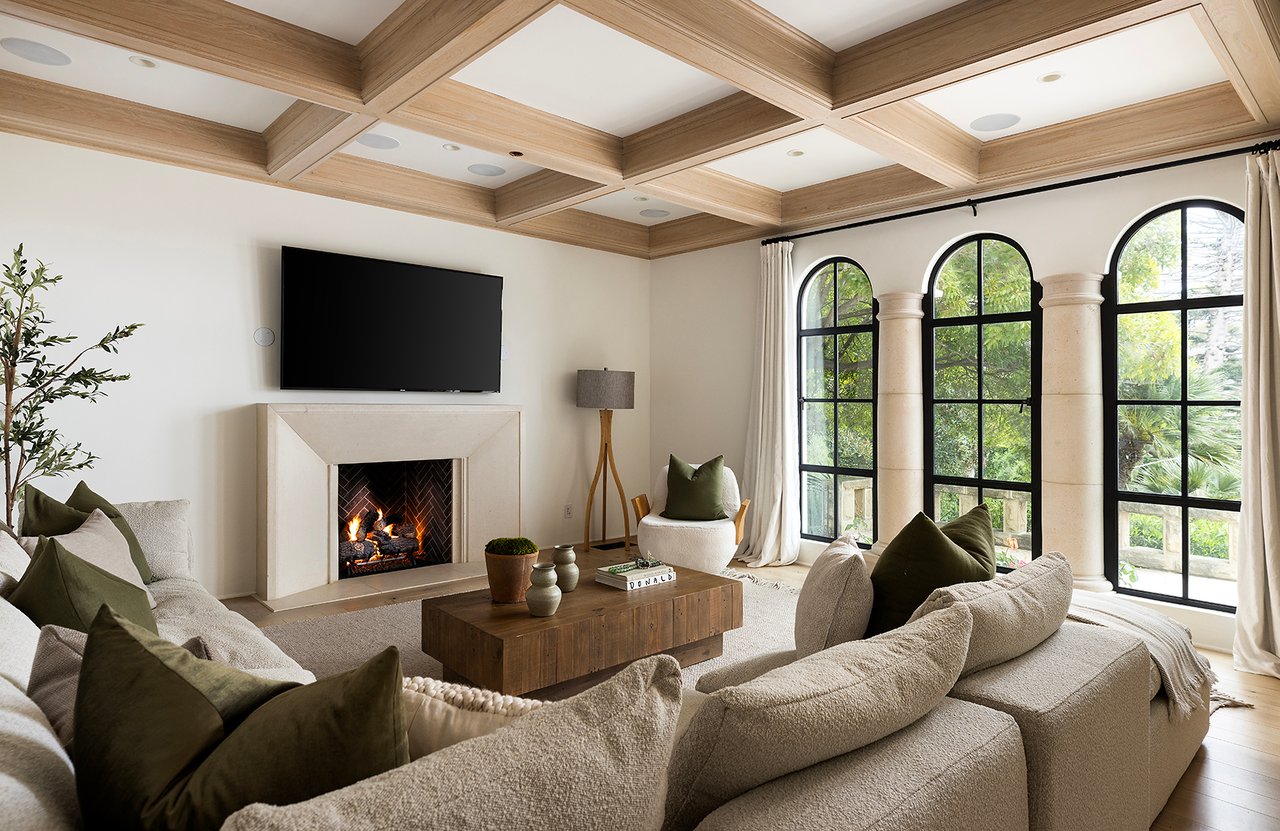
Many homes here reflect the region’s history. You will see older cottages and mid‑century properties, often alongside extensive renovations or complete rebuilds. In general, coastal properties with direct beach access or unobstructed views command premiums, while inland properties may offer more land and space for the price. For current market specifics, it is wise to review the latest local data before you bid.
Buyer due diligence checklist
A coastal setting brings unique considerations. Use this checklist to structure your diligence.
Coastal and bluff erosion
- Request any available geotechnical studies and learn the bluff setback and erosion history for the parcel.
- Review the stability of adjacent properties and the immediate shoreline.
Coastal Zone permitting
- Summerland lies within the Coastal Zone. Many alterations and new construction projects require Santa Barbara County permits.
- Certain projects may also need review by the California Coastal Commission. Confirm the property’s permit history and what is allowed.
Flood and tsunami exposure
- Check FEMA flood maps and local tsunami inundation maps. Even properties outside mapped flood zones can face coastal hazards such as storm surge or wave runup.
Insurance and financing
- Coastal properties may carry higher premiums and stricter requirements. Lenders and insurers can ask for disclosures or mitigation measures related to wind, flood, or erosion.
Wildfire planning
- Hillside parcels may fall within higher wildfire risk zones. Review defensible space requirements and confirm fire insurance availability.
Utilities and services
- As an unincorporated area, services come from a mix of county departments and special districts.
- Verify water and sewer status for the address. Some locations may use septic. Confirm road maintenance responsibilities as well.
Access and parking
- For near‑shore homes, evaluate on-street limitations and any neighborhood parking rules. For hillside homes, test driveway grades and turning radii for daily use and emergency access.
Everyday connectivity to nearby hubs
Part of Summerland’s charm is the quiet scale, yet you stay close to larger communities.
- Montecito offers higher-end shopping and dining, plus notable parks and estates.
- Carpinteria adds more beach parks and a regional rail station. Check current local rail schedules and stops when planning trips.
- Santa Barbara supplies broader city services, hospitals, cultural institutions, and a larger job market.
US-101 links all three, so your daily routine can flex. Travel times vary with traffic and season. When planning commutes or school runs, use current mapping tools to set realistic expectations for your route and time of day.
Who Summerland fits
If you value a small-scale, beach-oriented lifestyle with easy day trips to Montecito, Carpinteria, and Santa Barbara, Summerland hits a sweet spot. You get an intimate village pattern, independent shops, and simple access to the shoreline. Near‑shore homes deliver walkability and charm. Hillside homes provide space, privacy, and wide ocean views.
If you want a quieter base that still connects to the South Coast’s culture and services, you may feel right at home here.
How we help you buy or sell
Selecting the right Summerland property is about more than price. It is about site, setting, and long-term stewardship in a coastal zone. You deserve an advisor who blends local knowledge with meticulous diligence.
The Haskell Group pairs multigenerational insight with editorial-grade presentation. For sellers, refined marketing, strategic PR, and global distribution can unlock premium outcomes for special homes. For buyers, careful guidance on permitting, hazards, and design potential helps you make a confident move.
Ready to explore Summerland? Connect with Eric Haskell for a private consultation.
FAQs
How walkable is Summerland to the beach and shops?
- Many homes near the coastal strip are within walking distance of the commercial area and beach access points, though walkability varies by exact address and hillside topography.
Does Summerland have direct train service?
- Regional rail operates in Santa Barbara County, with a station in nearby Carpinteria; always confirm current schedules and stops before you plan a trip.
Are coastal homes in Summerland at risk from erosion or flooding?
- Some coastal parcels face bluff erosion, storm surge, wave runup, or flood risk; review FEMA and local hazard maps and request site-specific geotechnical and history reports.
What permits are needed for remodels in Summerland’s Coastal Zone?
- Many projects require permits from Santa Barbara County, and certain proposals may also need review by the California Coastal Commission; verify zoning, allowable uses, and permit history for the parcel.
What should hillside buyers know about wildfire risk near Summerland?
- Hillside areas may be in higher wildfire severity zones; confirm defensible space rules, access for emergency vehicles, and the availability and cost of fire insurance.
How do near‑shore and hillside homes differ day to day?
- Near‑shore homes offer quick beach access and walkability but often smaller lots and tighter parking; hillside homes offer more privacy, larger lots, and ocean views with longer walks and potential wildfire considerations.
How long is the drive to Santa Barbara or LAX from Summerland?
- Drive times vary based on traffic and time of day; use current mapping tools and note that US-101 is the principal route for regional travel.