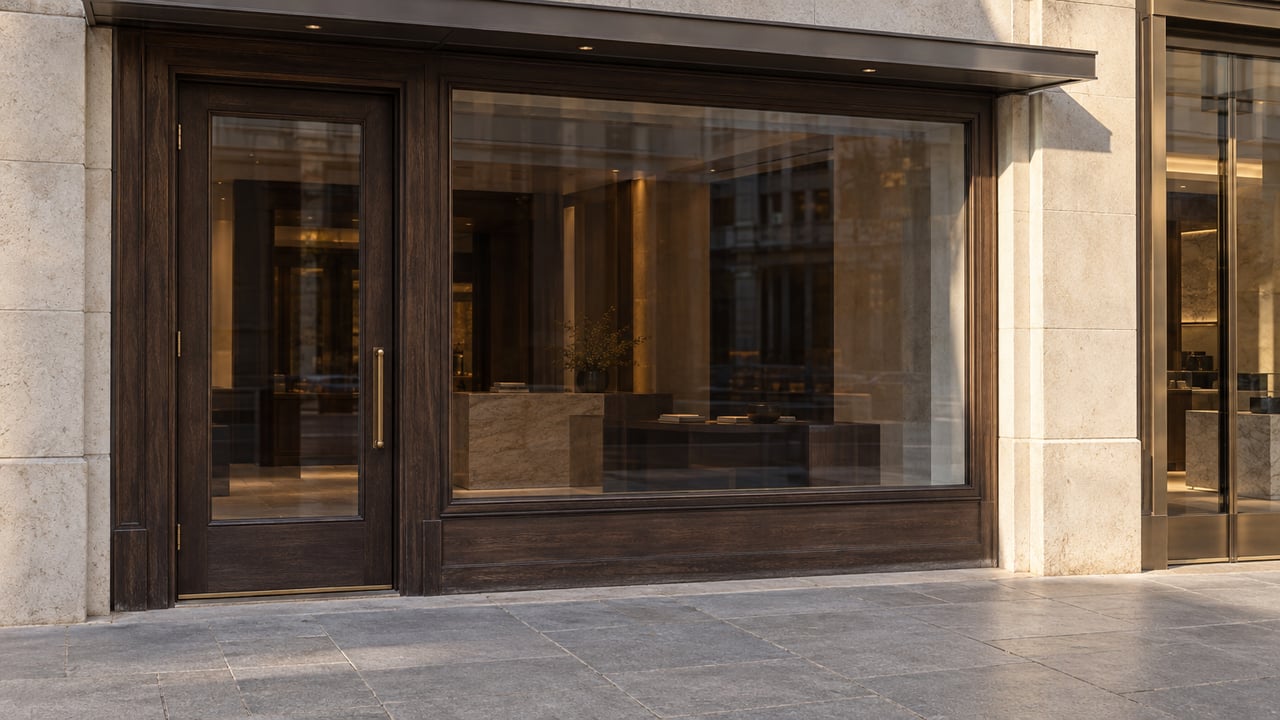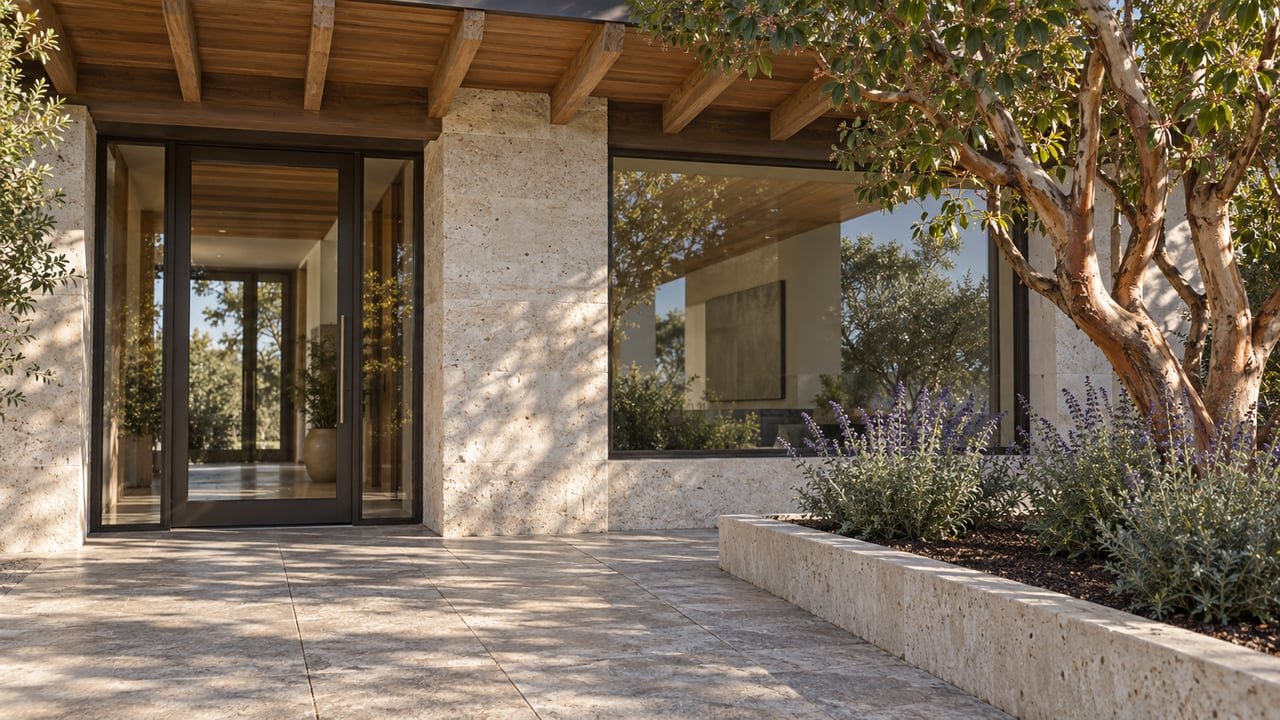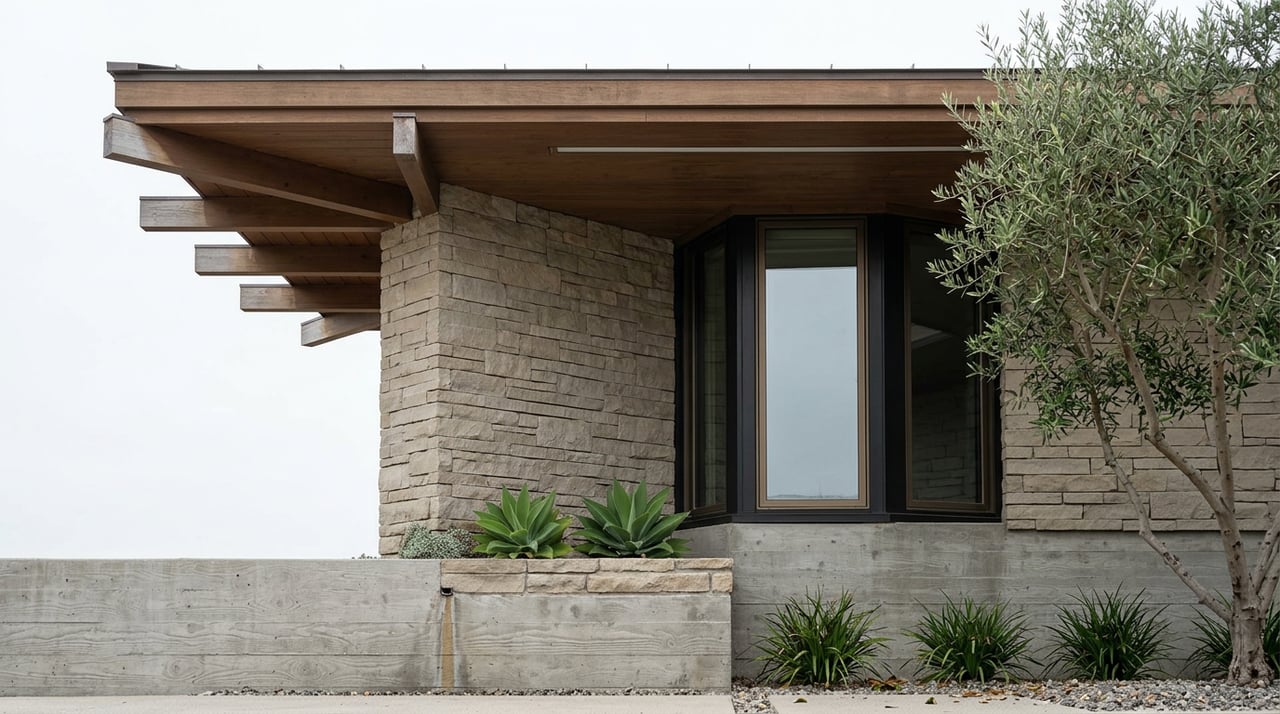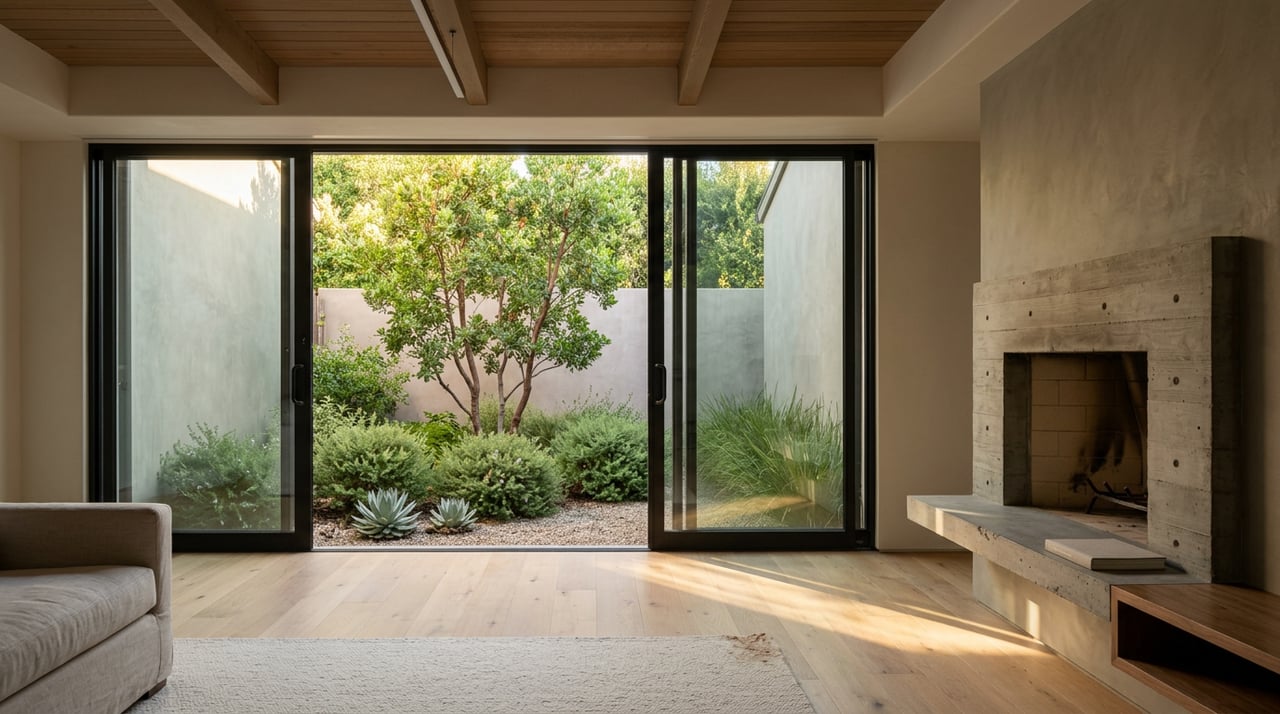
You come to Montecito for sunlight, gardens, and architecture that lives as beautifully outside as it does in. If you are design minded, the neighborhood’s signature styles tell you how a home will feel day to day, what it will ask of you to maintain, and how it fits the landscape. In this guide, you will decode four core Montecito home types, learn the visual cues that matter, and get practical checks to protect your purchase. Let’s dive in.
Montecito at a glance
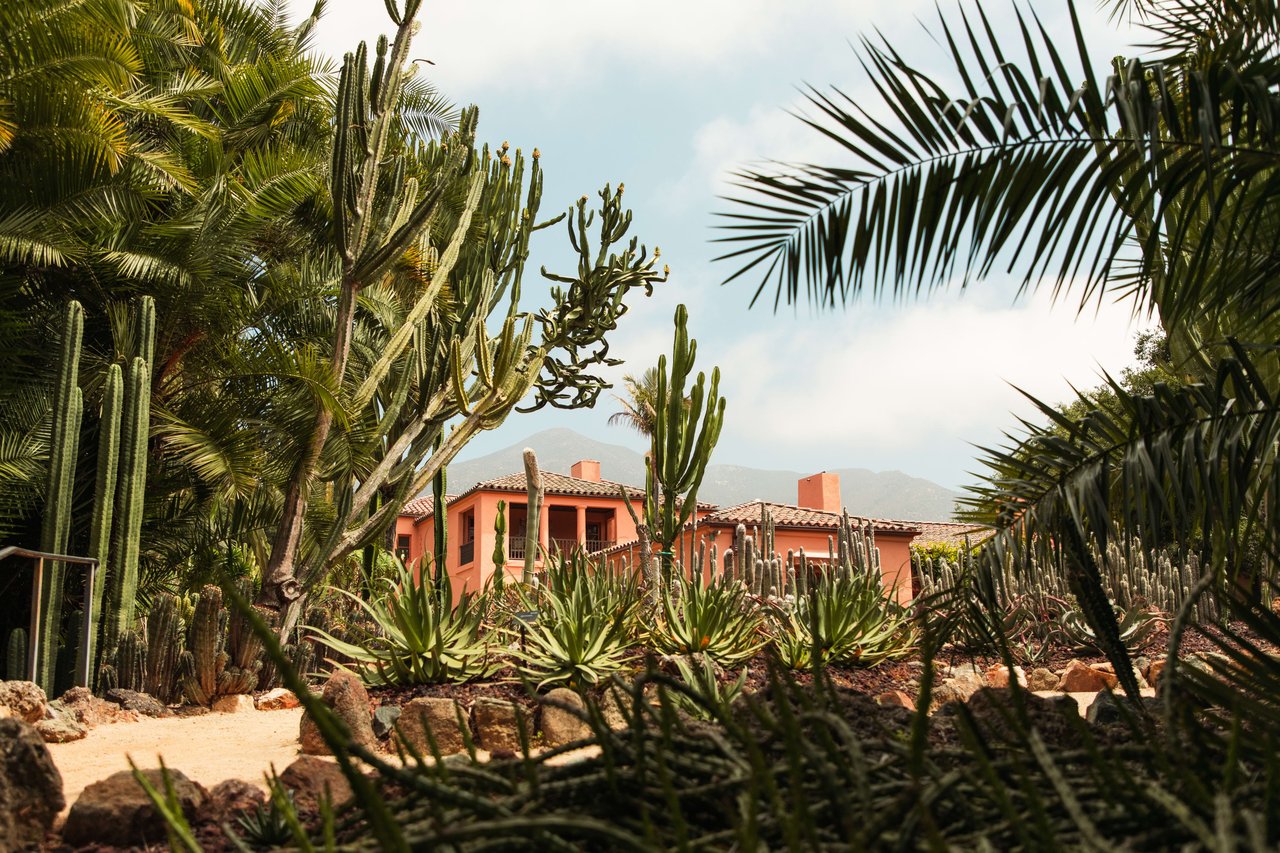
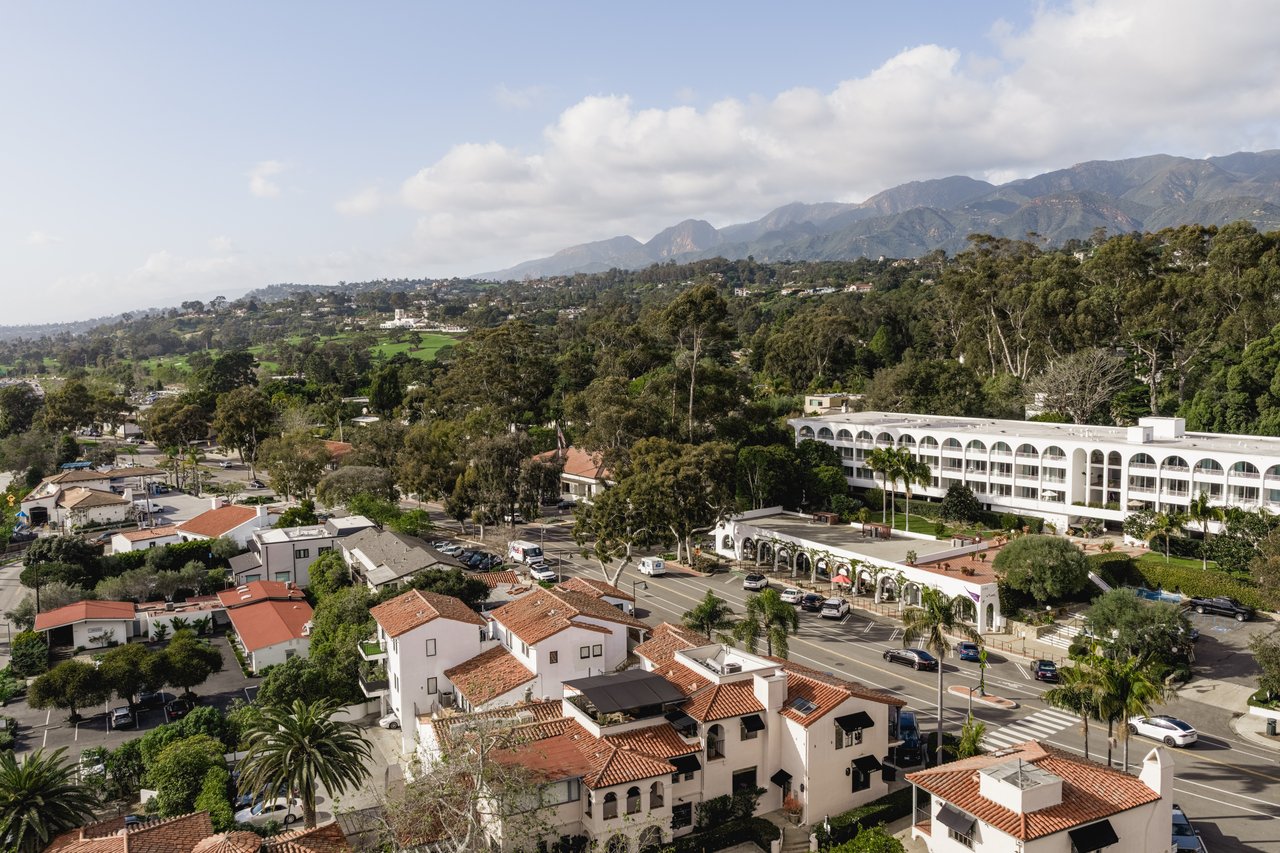
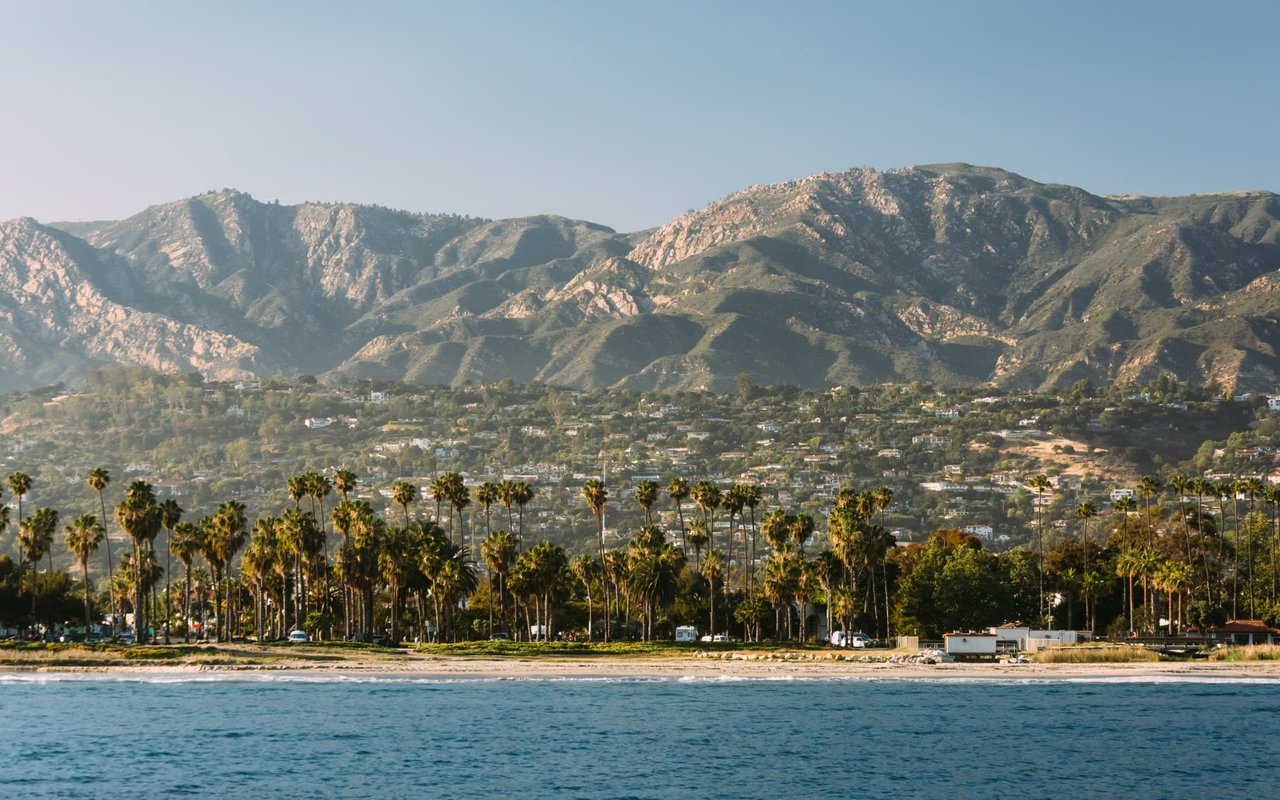
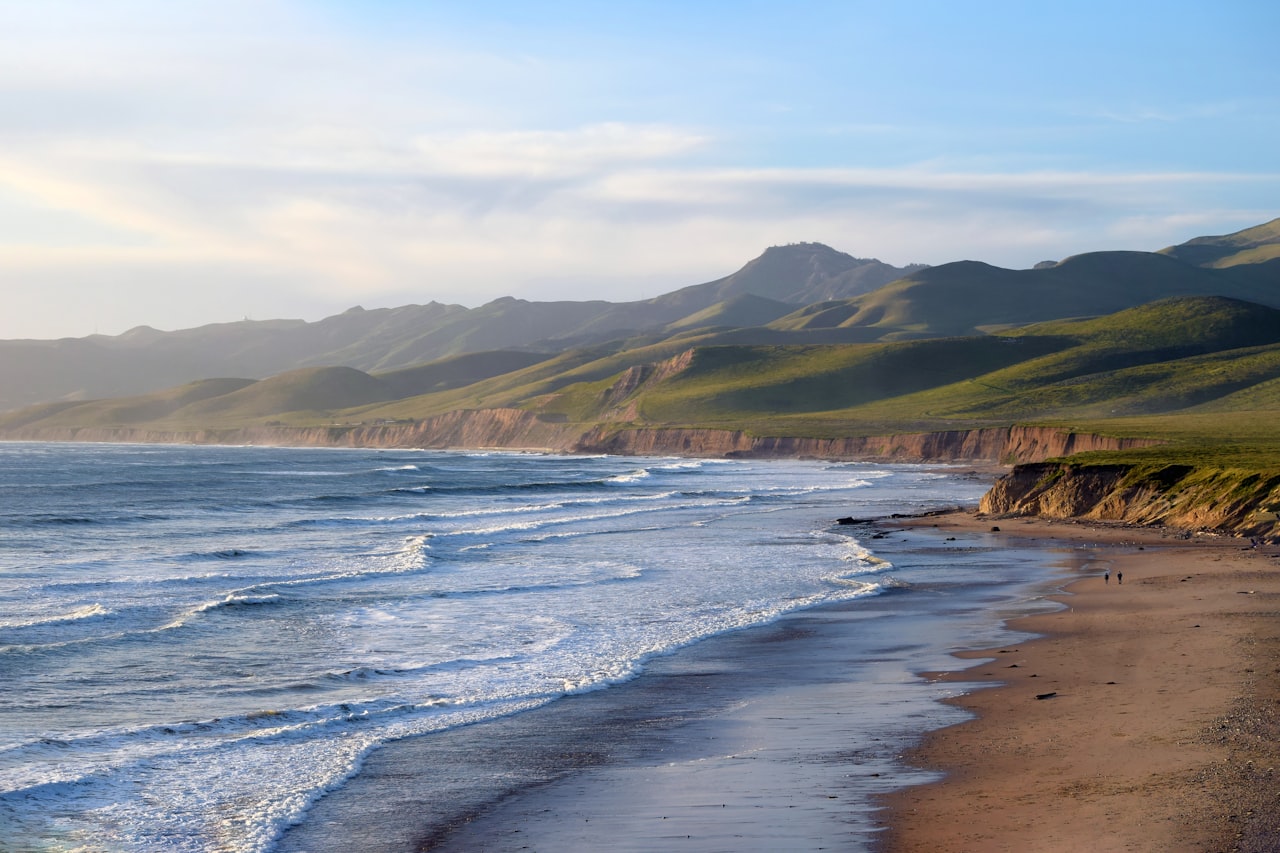
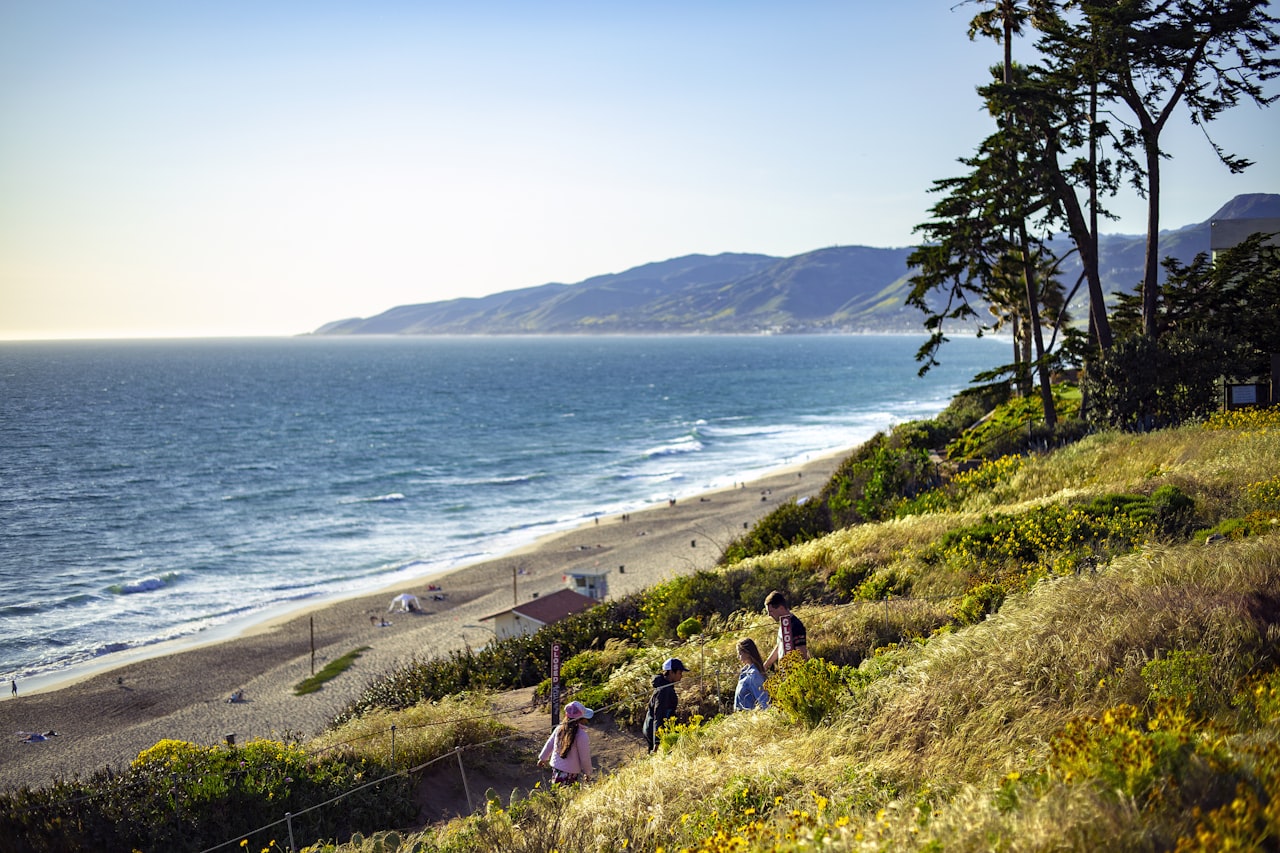
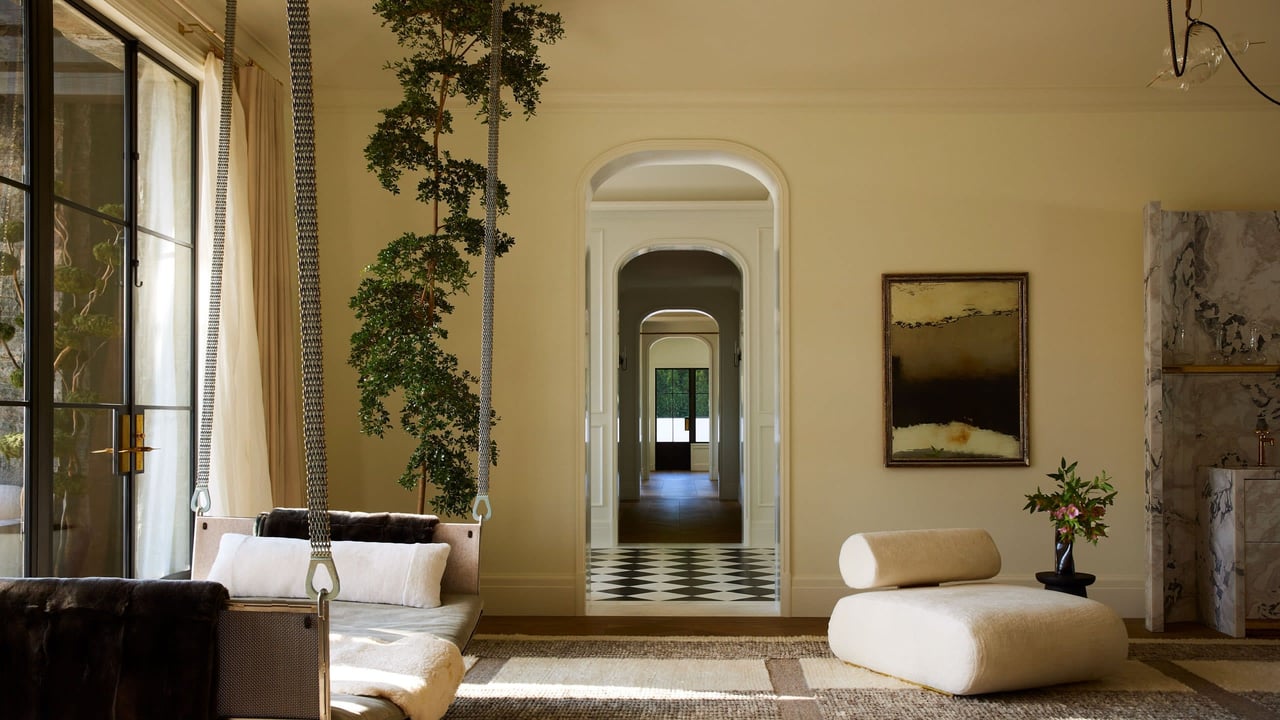
Set between the Pacific and the Santa Ynez foothills, Montecito blends historic Spanish estates, relaxed ranch compounds, curated cottages, and refined contemporary homes. The local culture prizes gardens, privacy, and indoor to outdoor flow that suits a coastal Mediterranean climate. For a quick feel of that lifestyle and heritage, explore the area overview on Montecito Valley.
Montecito is unincorporated, so Santa Barbara County is your primary reviewer for building and design. Many parcels sit in the Coastal Zone, where Coastal Development Permits and the Local Coastal Program guide what you can add or change on bluff tops and near the shoreline. For remodels and additions, start permit diligence early using this coastal permit primer for Santa Barbara buyers.
Recent natural events also influence planning. The 2017 Thomas Fire and the January 9, 2018 debris flows reshaped how canyon, slope, and creek-adjacent sites are evaluated. Ongoing research documents debris-flow hazards and informs today’s geotechnical studies and mitigation planning, as summarized in this peer-reviewed study of Montecito debris flows.
Spanish Colonial Revival
Quick history and context
Spanish Colonial Revival is Montecito’s most enduring architectural language. In the 1910s through the 1930s, architect George Washington Smith and contemporaries, including Lutah Maria Riggs, shaped the region’s look with masonry, courtyards, and crafted details. Casa del Herrero remains a benchmark estate that shows the style at its finest.
How to spot it
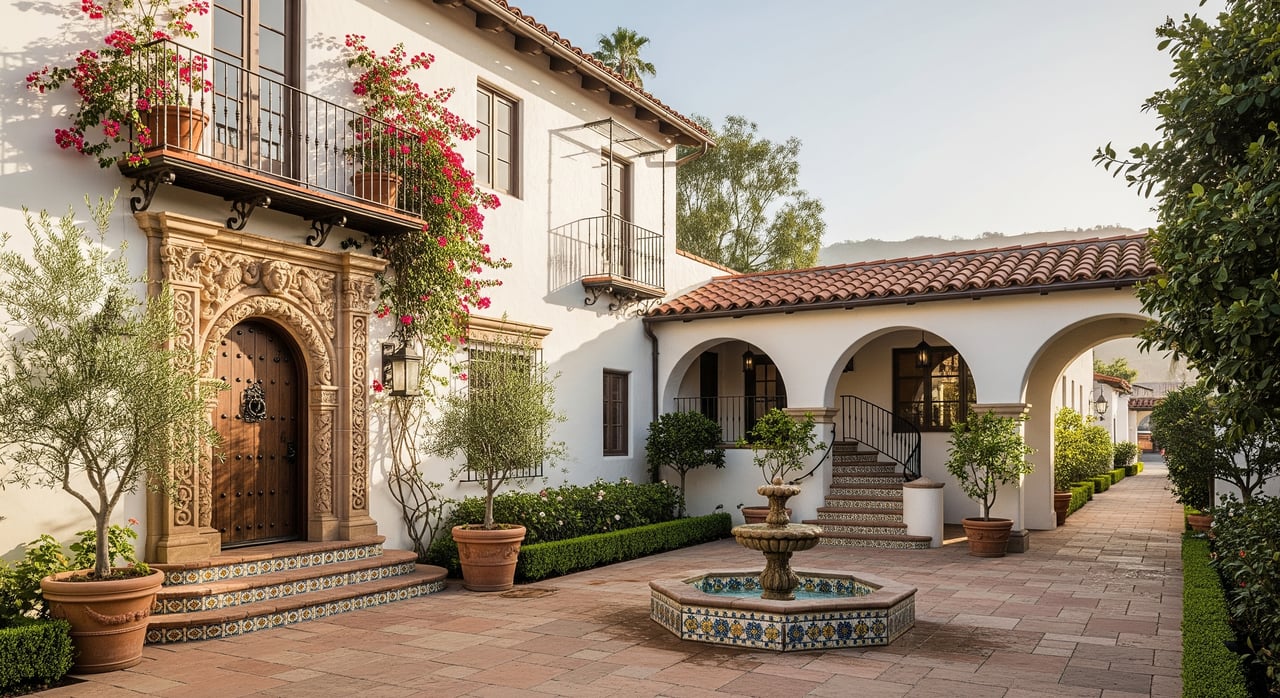
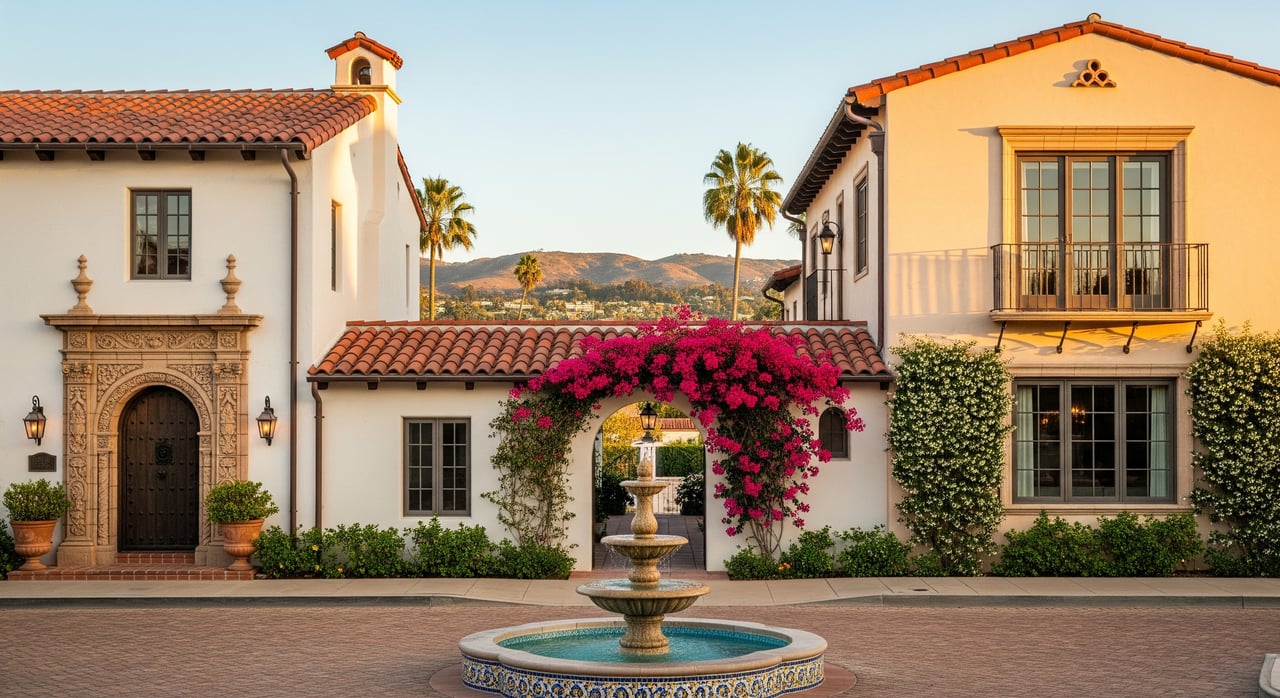
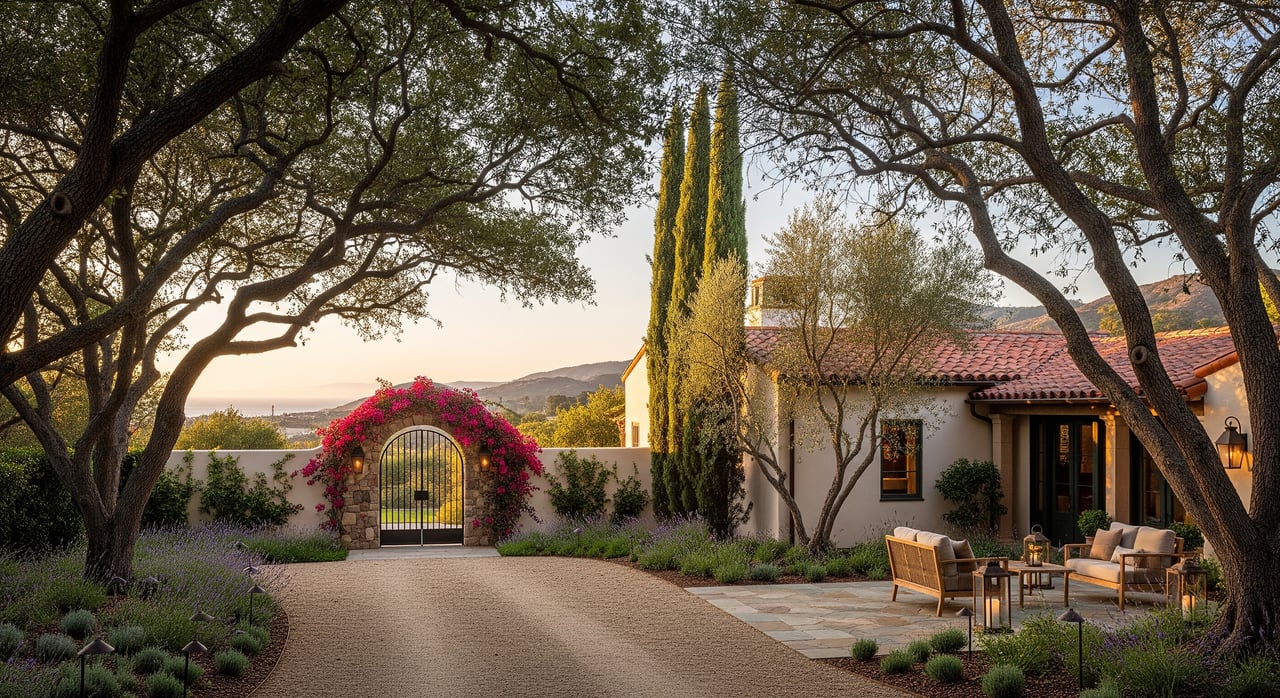
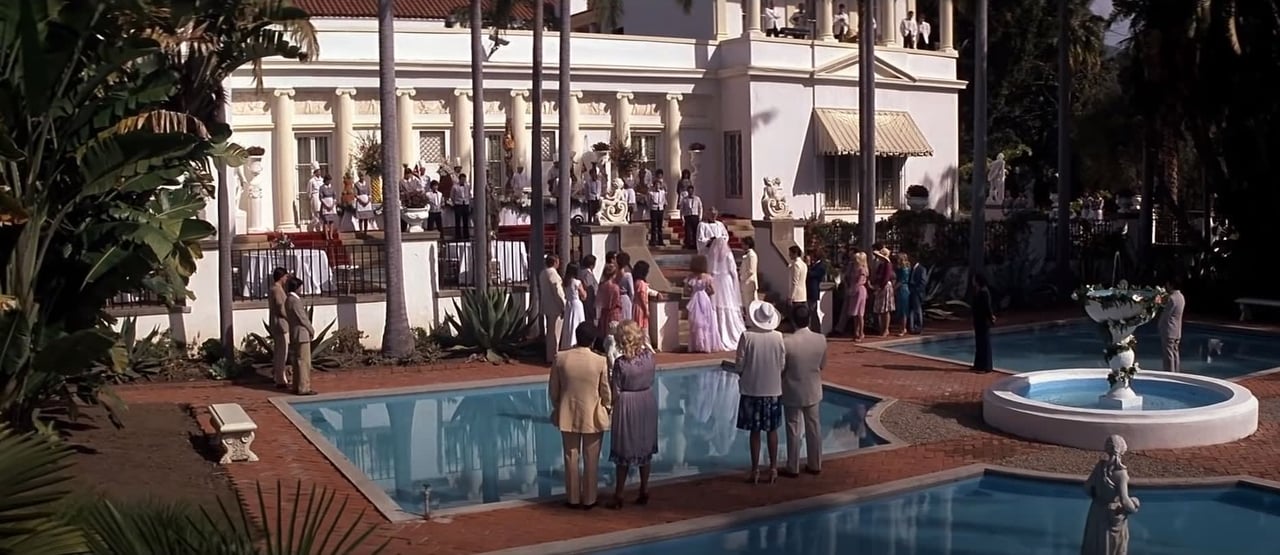
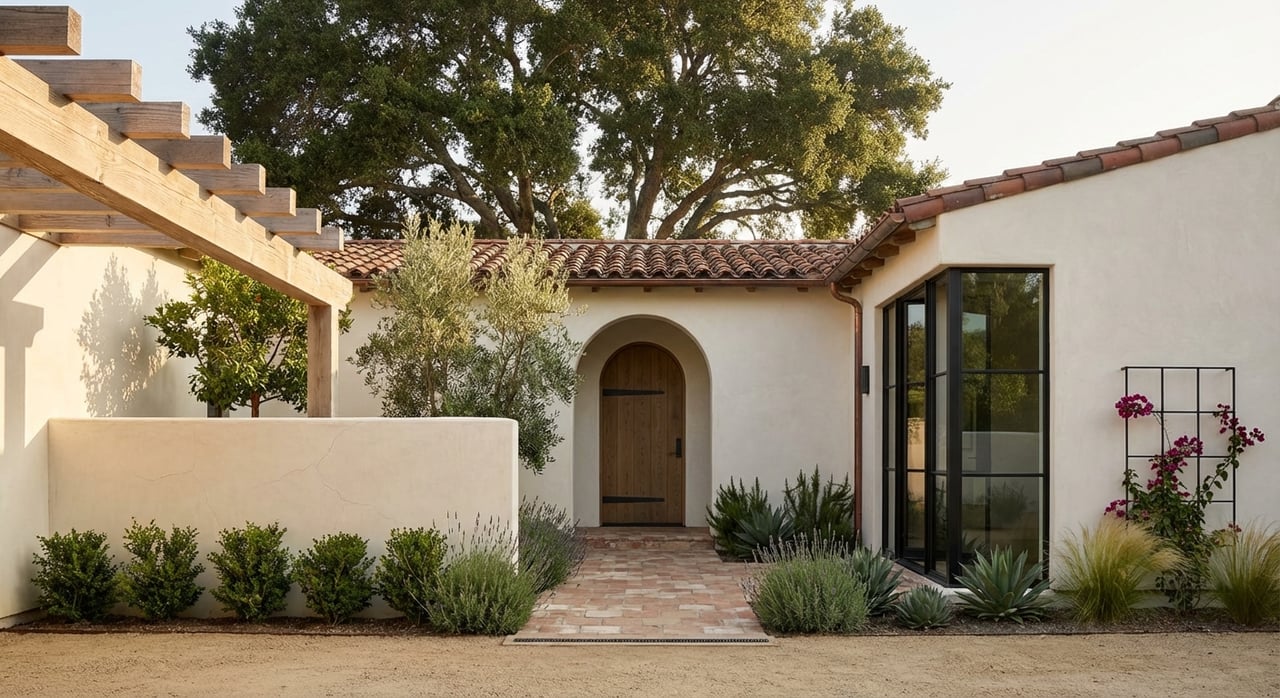
- White, hand-troweled stucco walls with gentle texture.
- Low-pitched red clay barrel tile roofs.
- Arched doors and windows, plus shaded arcades and loggias.
- Central courtyards with fountains, tilework, and layered garden rooms.
- Wrought-iron balconies and grilles, carved wood doors, and exposed beams. See a clear overview of these elements in this guide to Spanish Colonial architecture.
Materials you will feel underfoot
Expect Saltillo or terracotta floor tiles, decorative cement or encaustic tiles on stair risers, plaster and lime-wash walls, and heavy timber millwork. Get familiar with the warm patina of Saltillo and encaustic tiles in this tile materials explainer.
How it lives and what it needs
Spanish homes in Montecito lean into indoor to outdoor life. Courtyards provide privacy, shade, and a gracious flow to gardens. Stucco and clay tile roofs are durable here, though they benefit from periodic inspection and flashing checks. Older estates can call for seismic or systems upgrades. For a helpful overview of care points, revisit the Spanish Colonial architecture guide.
Local touchstone
Touring Casa del Herrero reveals authentic detailing, garden rooms, and how architecture and landscape work together. It is a living reference for materials, colors, and proportions that feel right in Montecito.
Montecito modern
Design intent
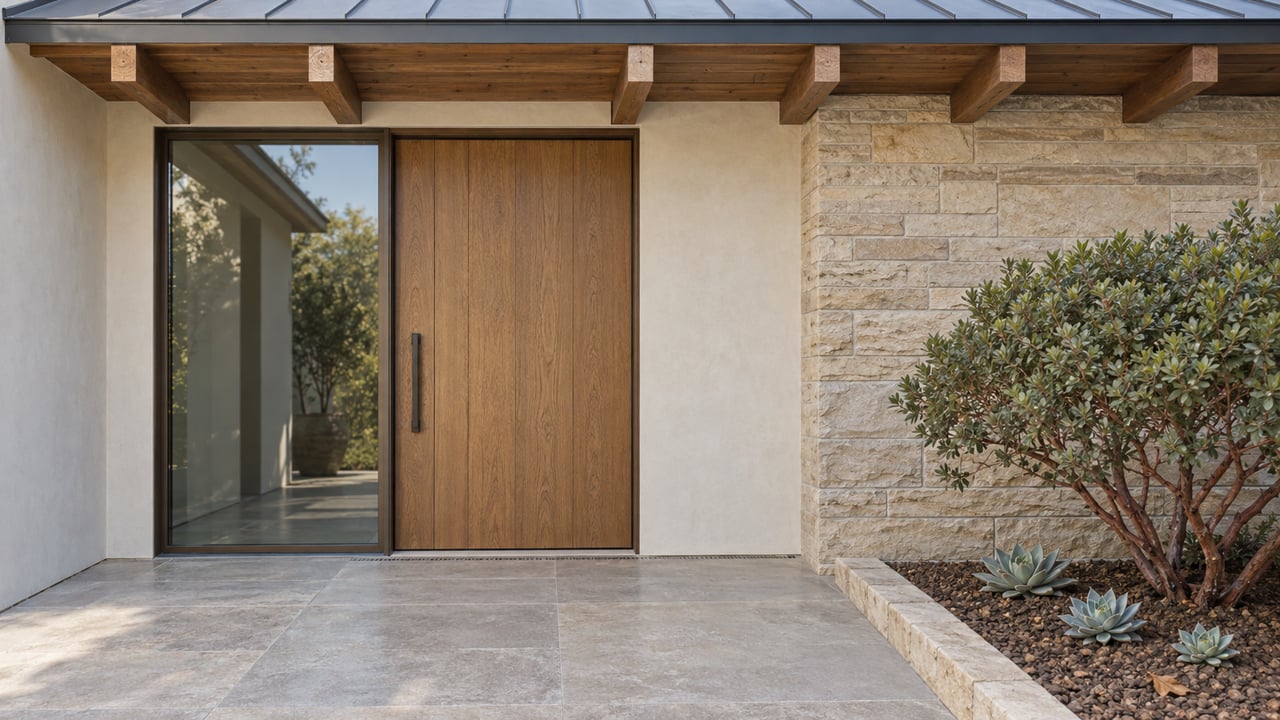
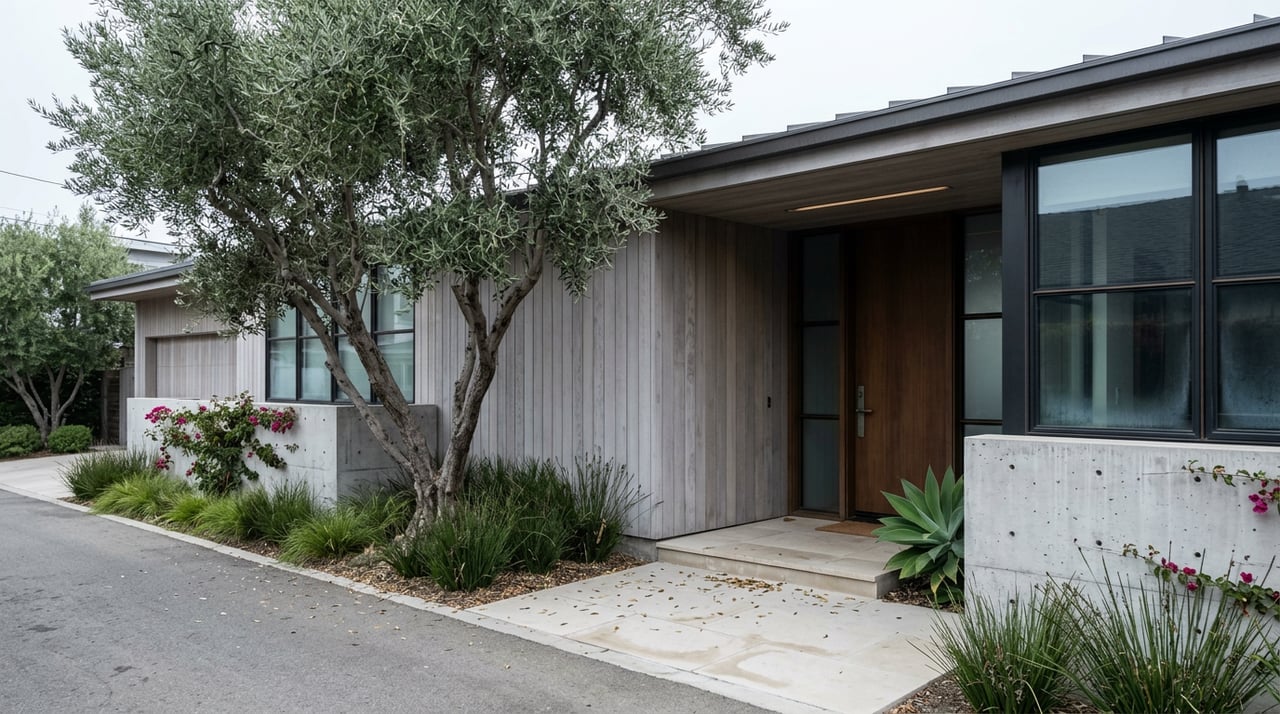
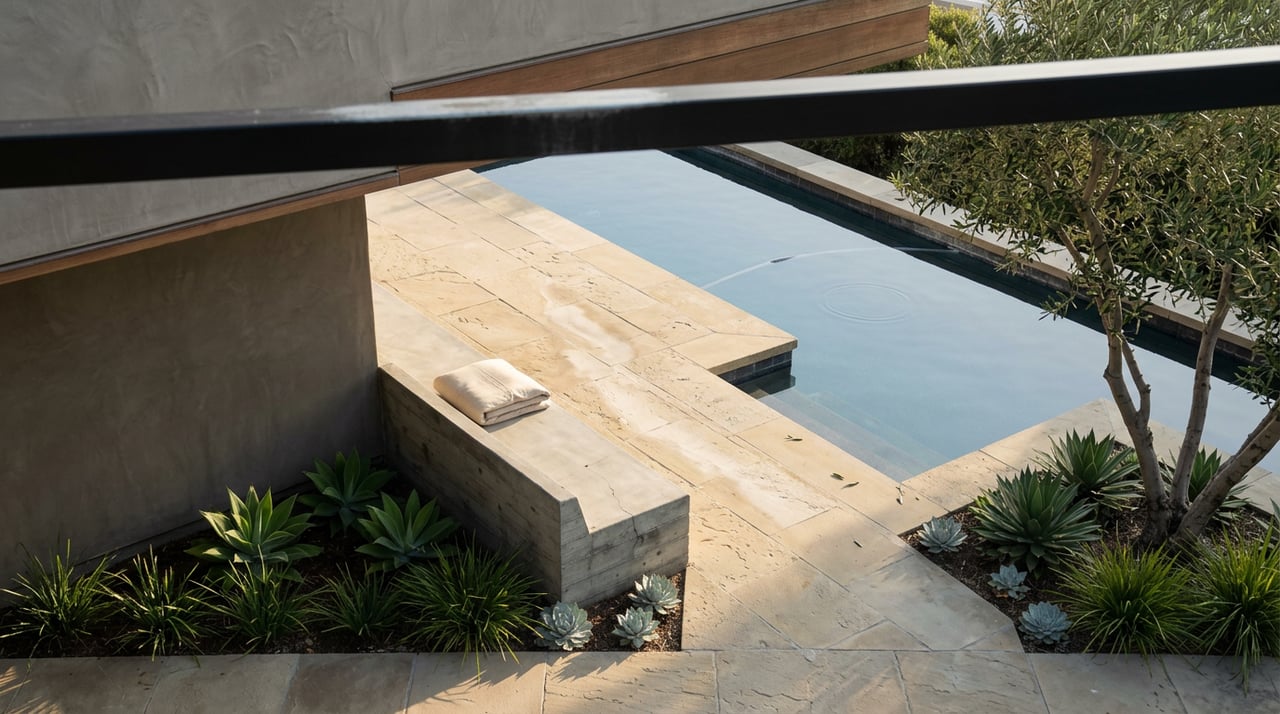
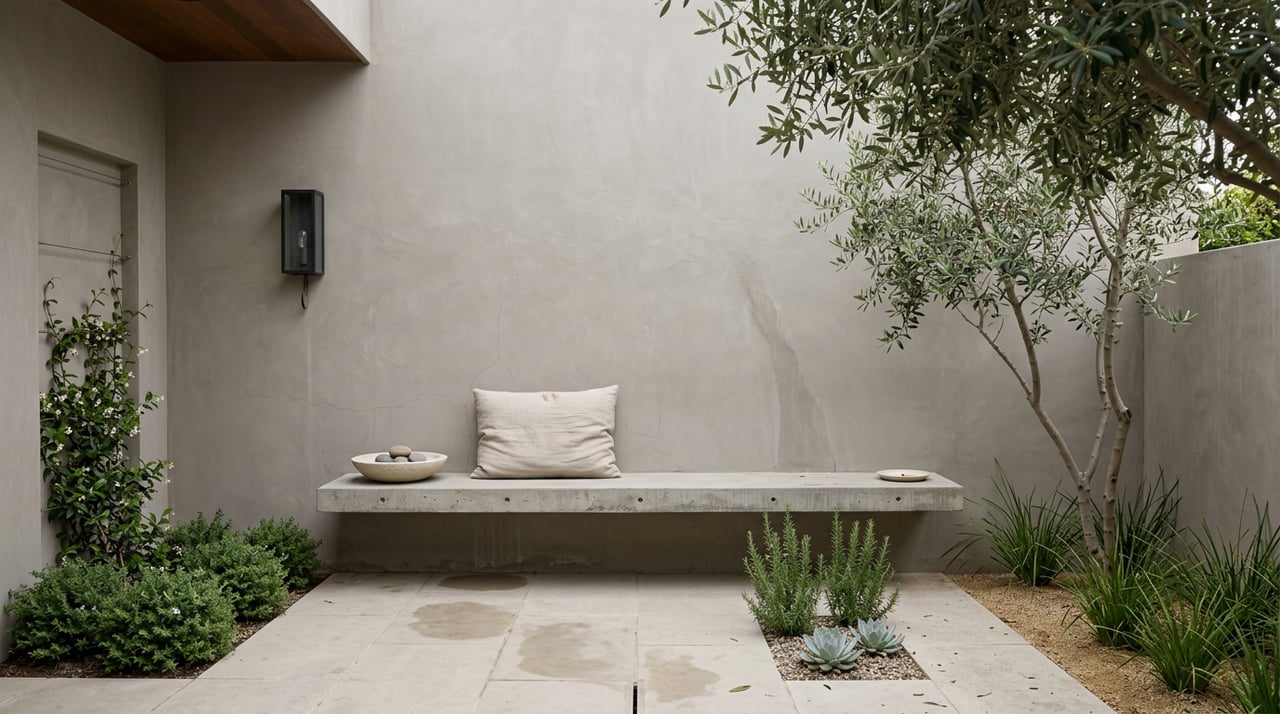
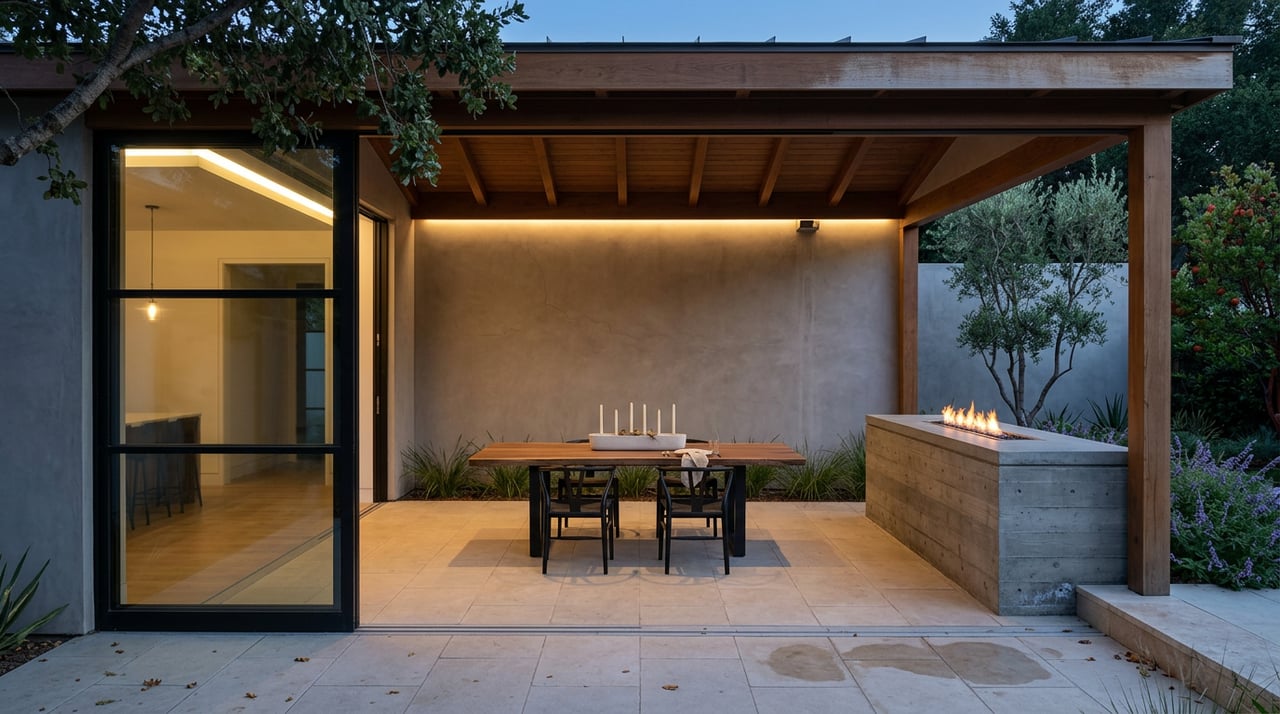
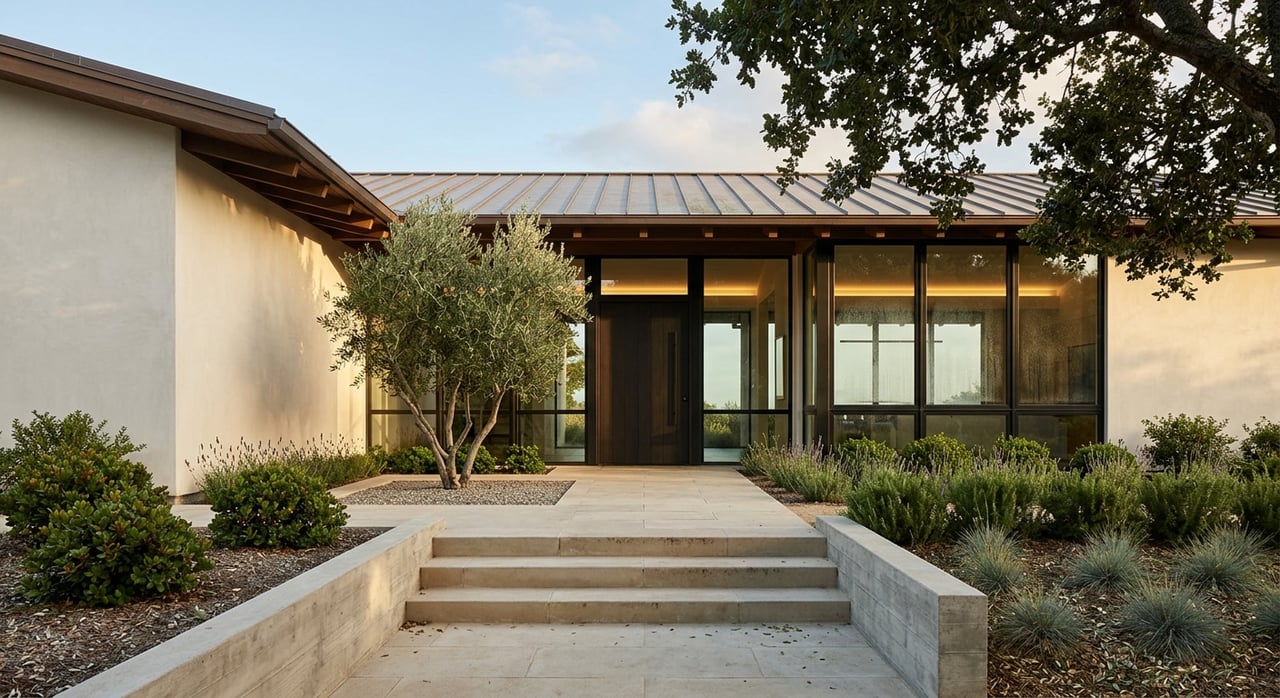
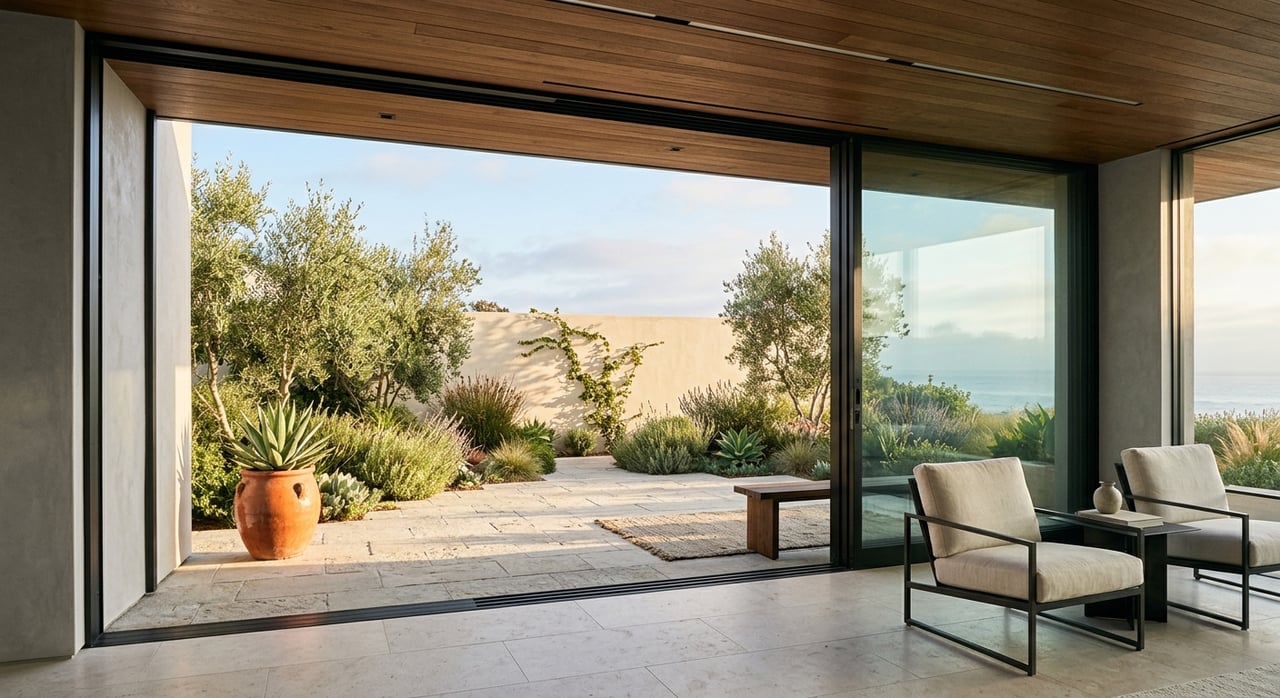
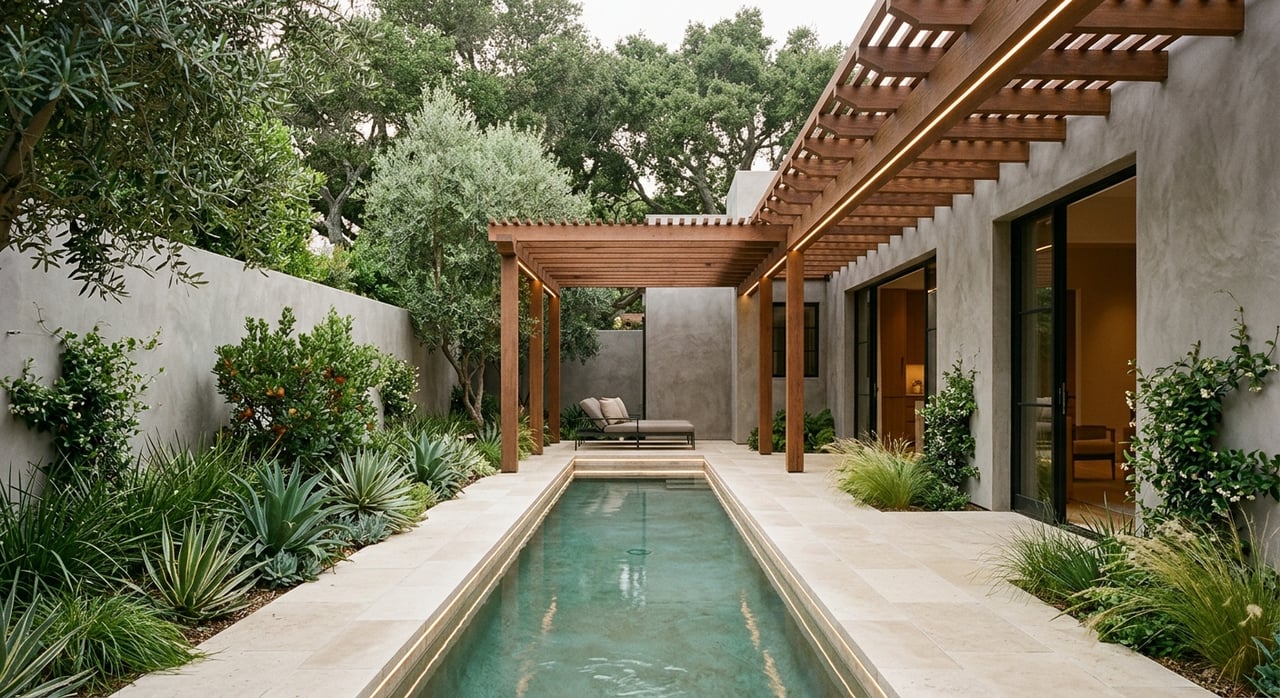
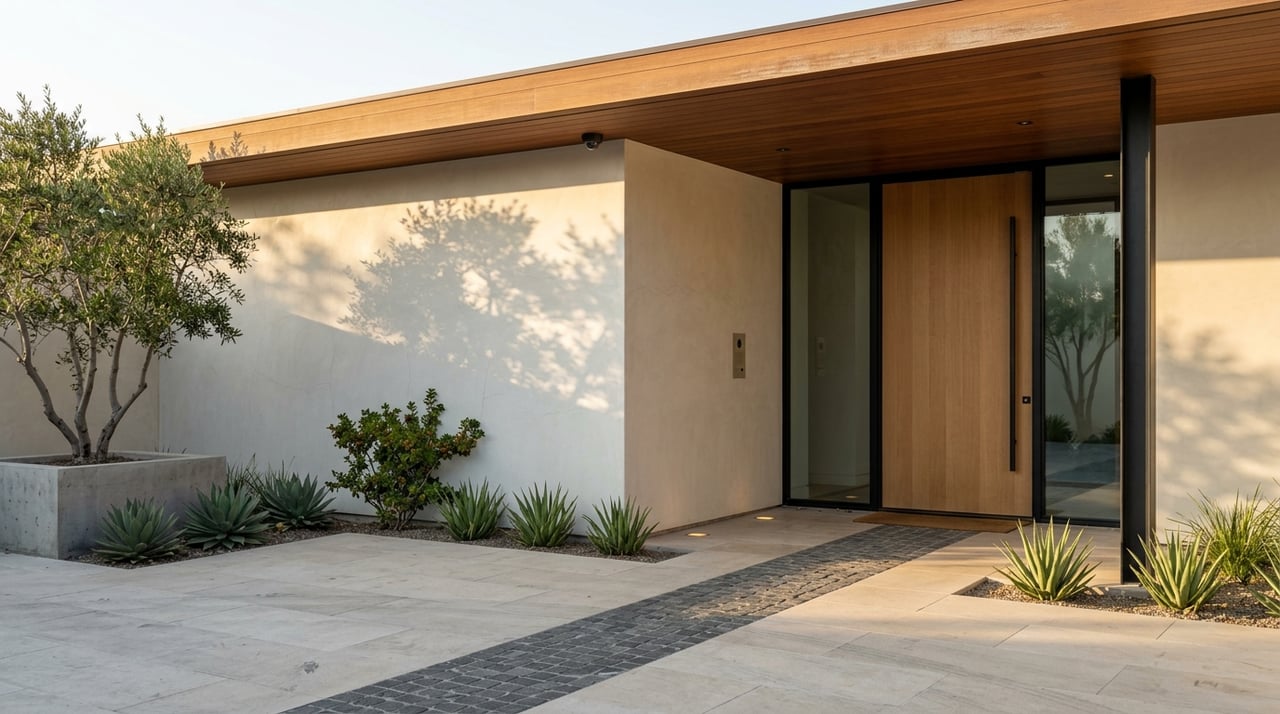
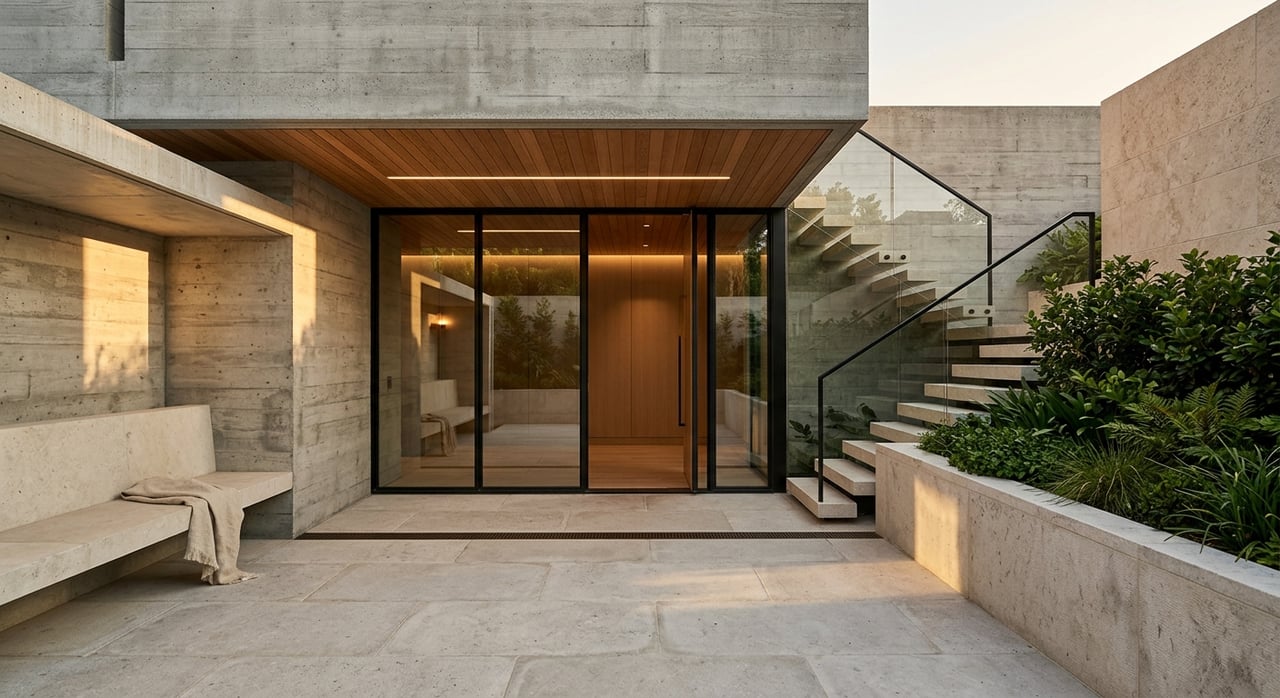
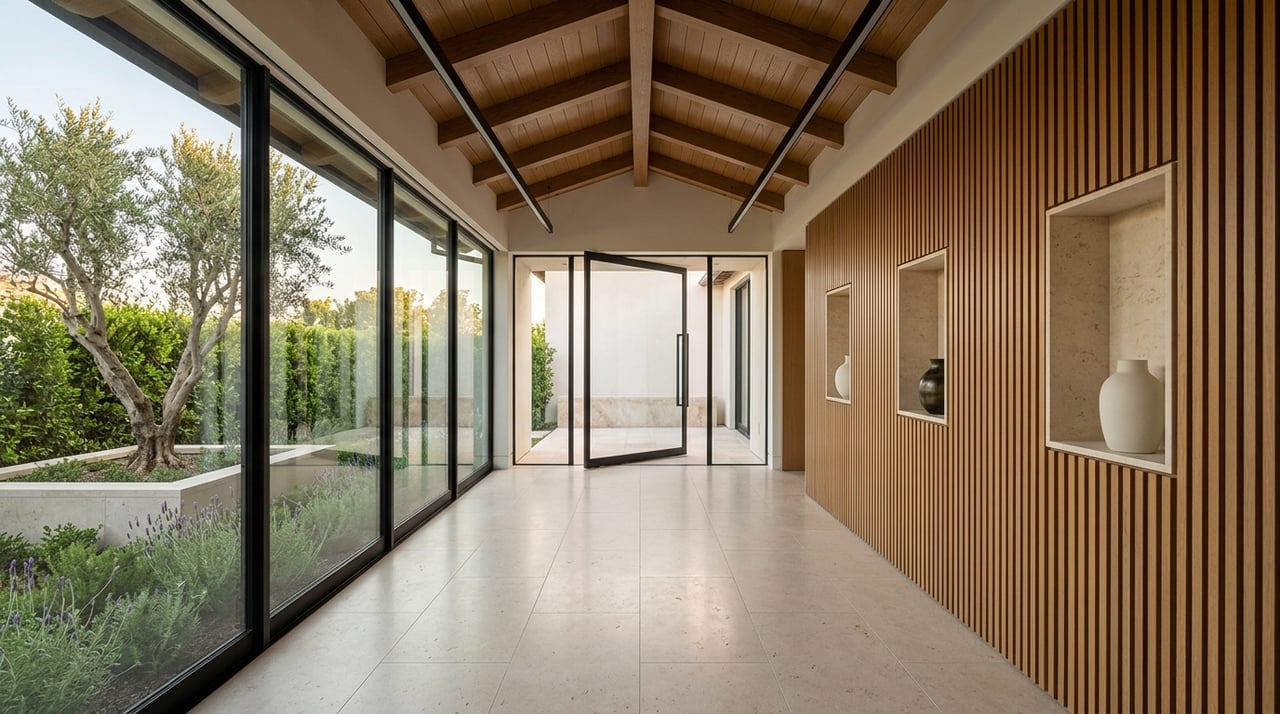
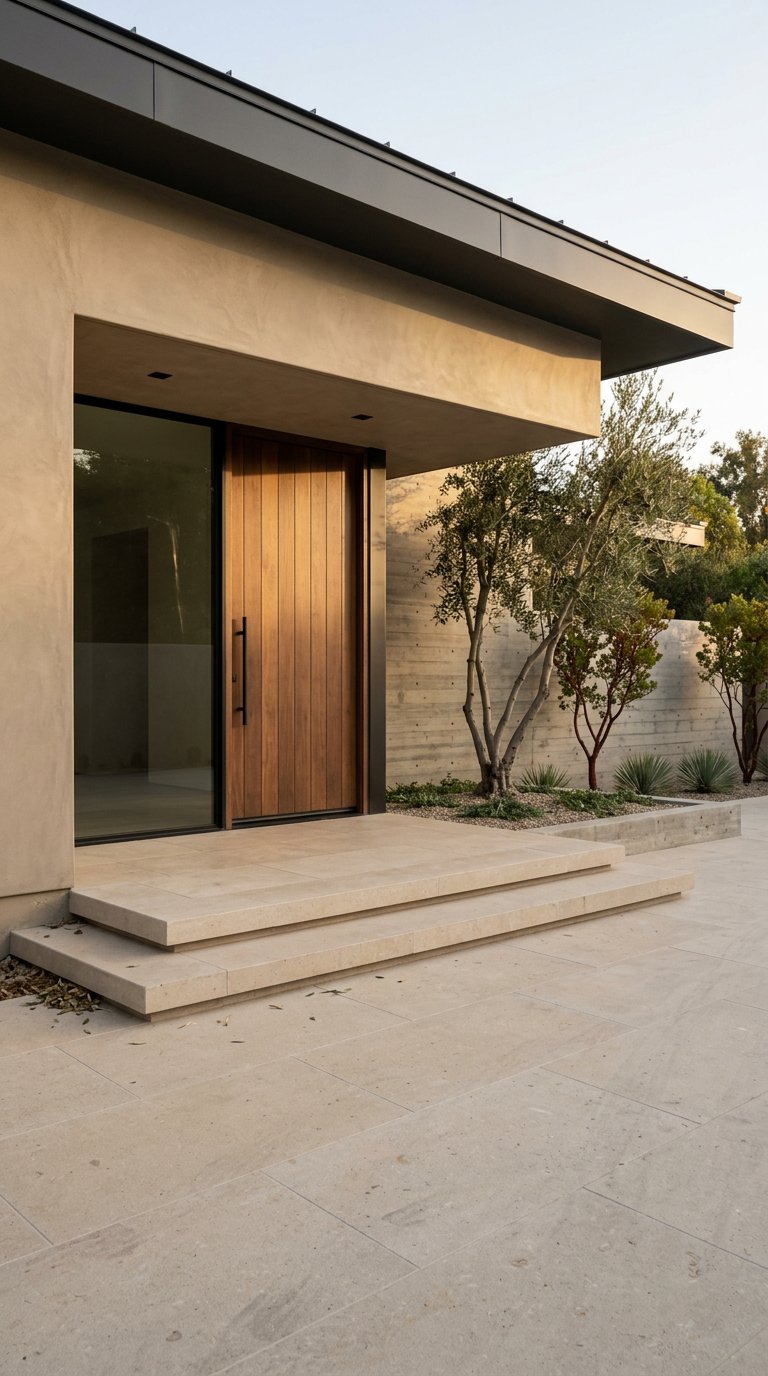
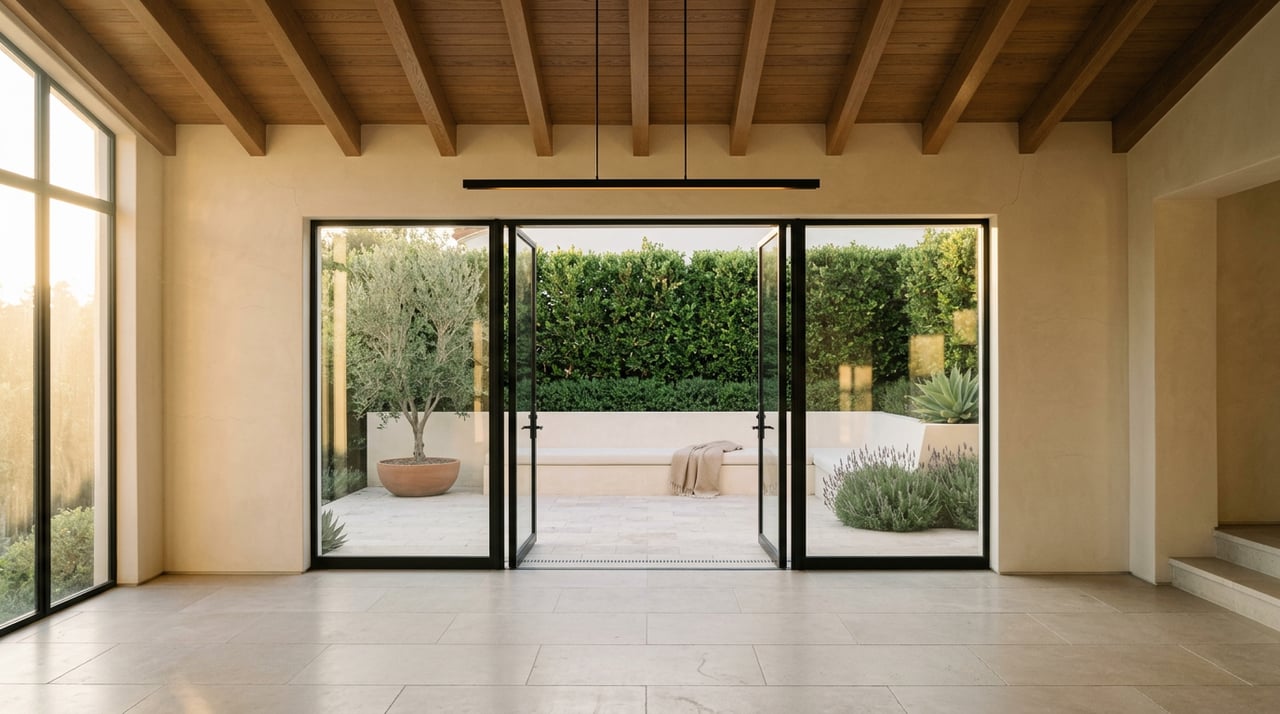
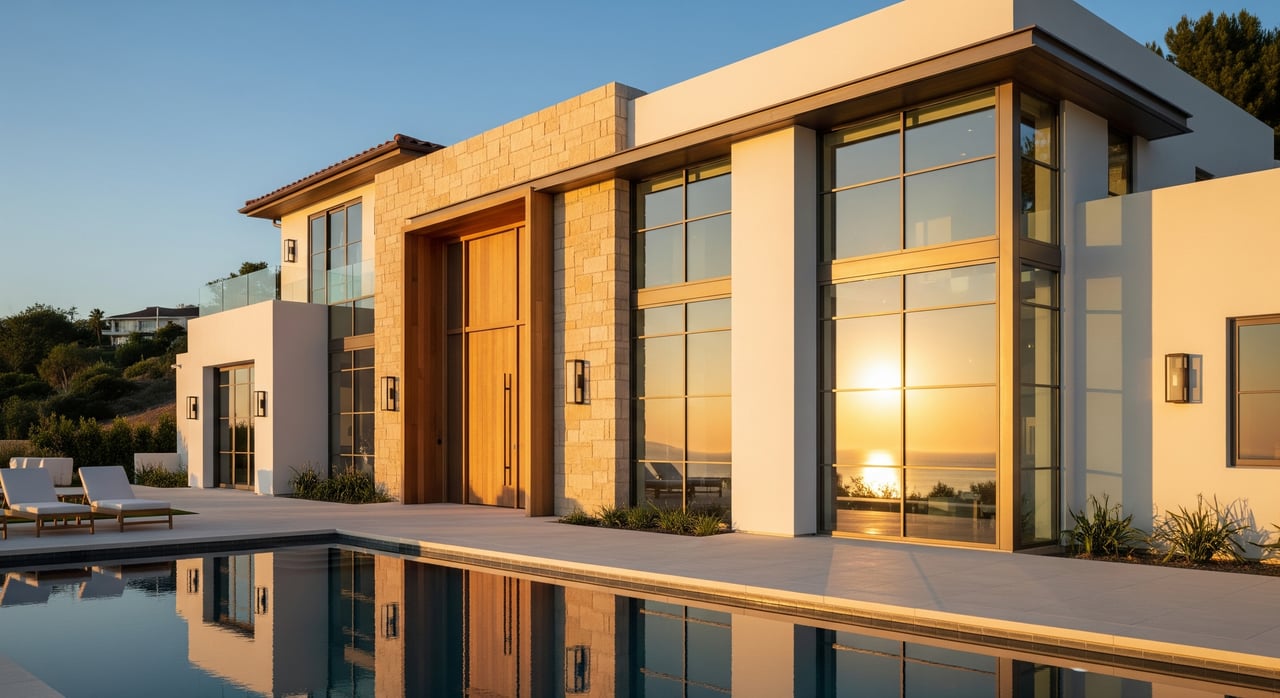
Contemporary Montecito homes translate regional DNA into a refined modern language. You will see pared-back forms, long window walls that frame the mountains or ocean, and a focus on terraces, loggias, and pools. Recent features, like Abramson Architects’ Barker Residence, show how designers balance privacy with broad views using a calm, material-forward palette, as covered in this project profile.
Signature cues
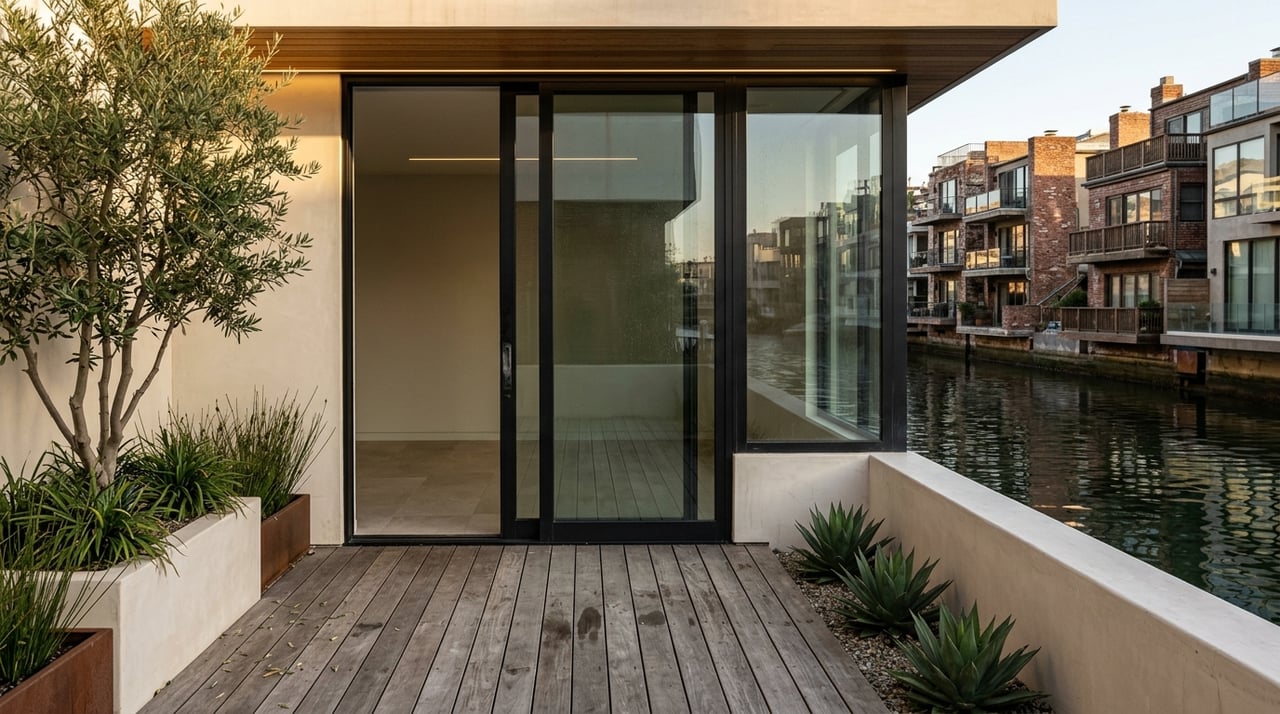
- Clean, simple massing with large glazed openings or sliding walls.
- Thin black or dark metal window frames and custom steelwork.
- Material contrast, such as honed stone and warm plaster against timber.
- Roofs that read as flat or low-slope pavilions, shaped to create shaded thresholds.
Materials, systems, and upkeep
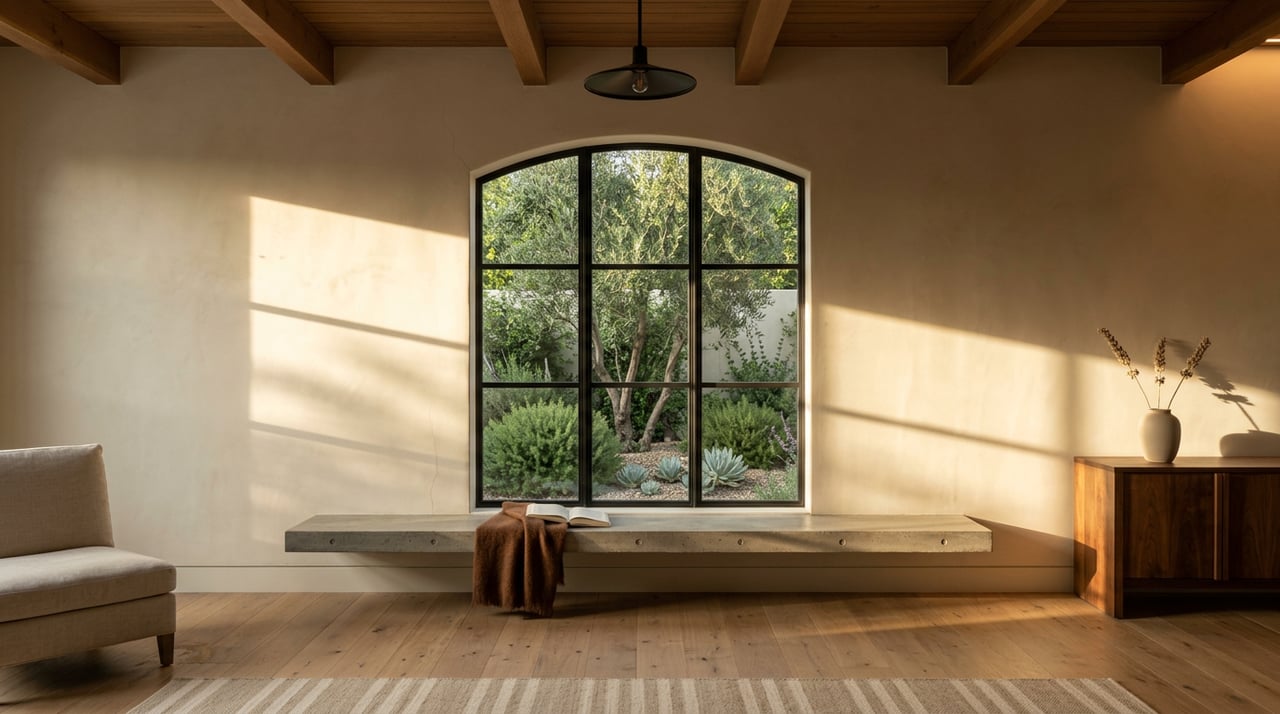
Expect engineered stone, wide-plank oak floors, plaster-forward interiors, and bespoke steel and glass assemblies. In coastal air, glass and metal hardware need thoughtful selection and routine care. Learn why marine-grade finishes matter in this note on weatherproofing glass and metal in coastal settings.
How it lives
Plans are typically open and flexible, with generous connection to terraces and gardens. Many modern homes pair minimalist interiors with landscape-forward outdoor rooms, which keeps the focus on light, views, and ease of use.
Ranch and estate houses
Context and feel
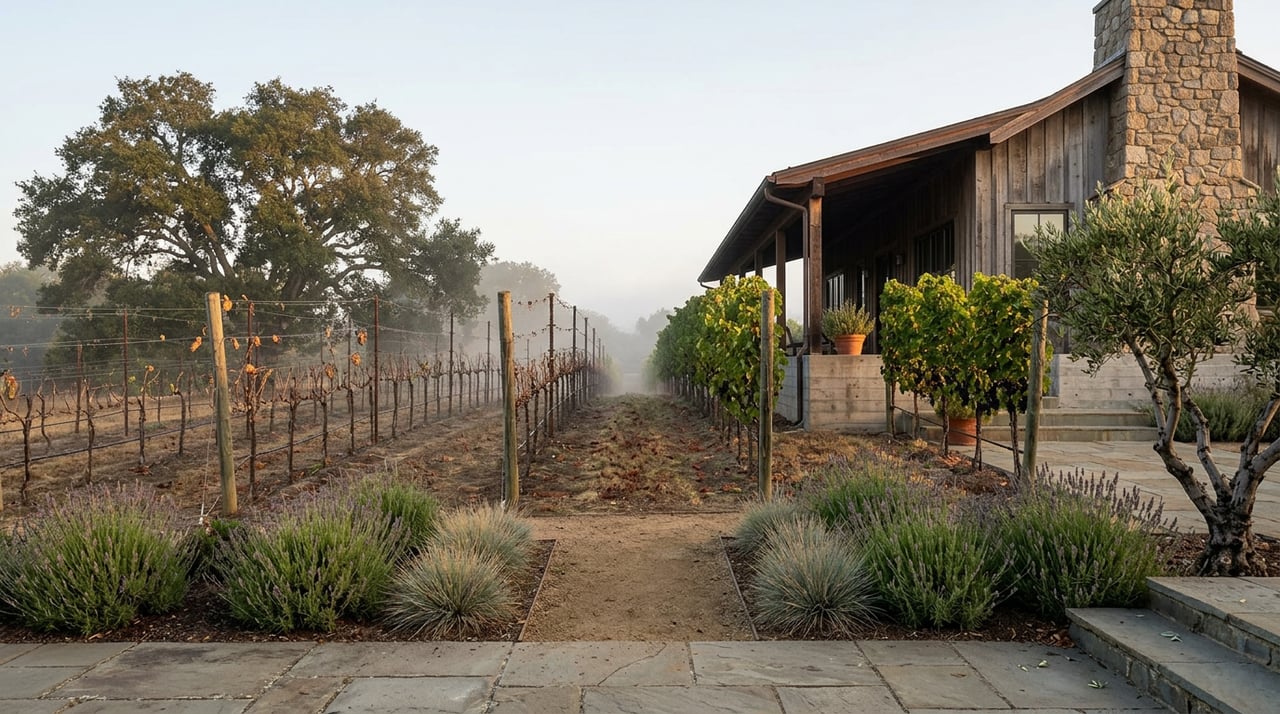
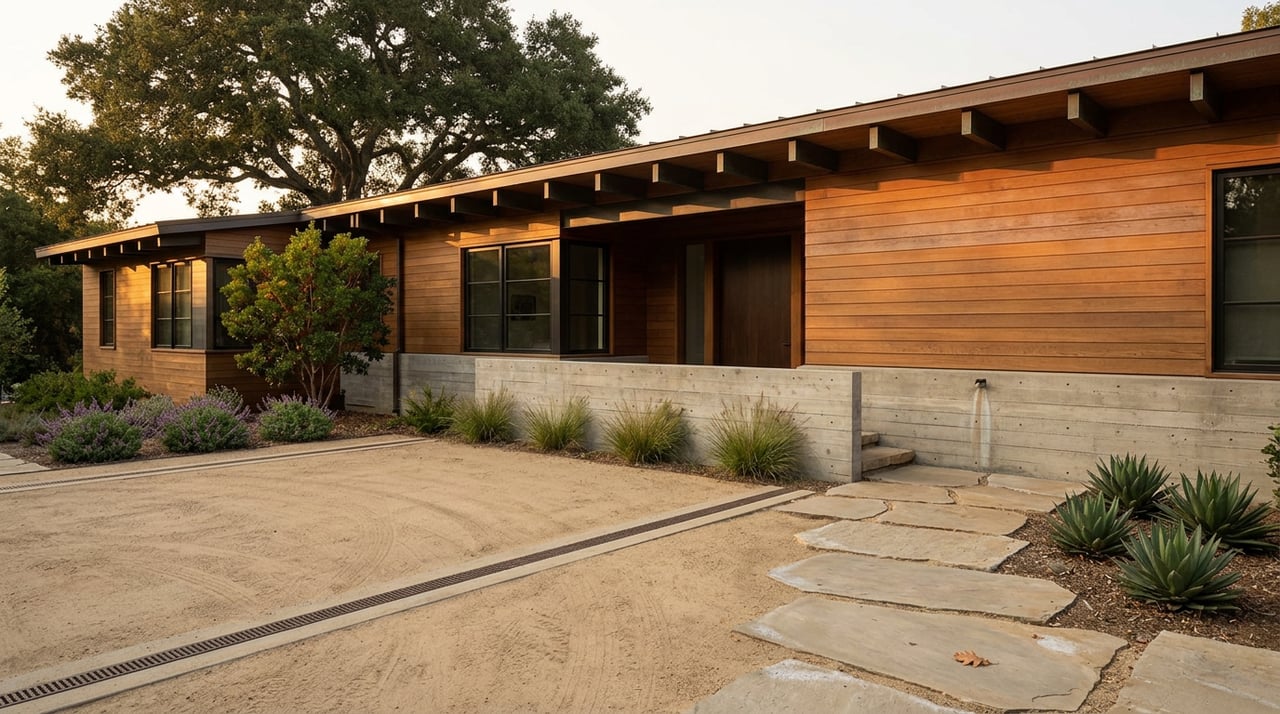
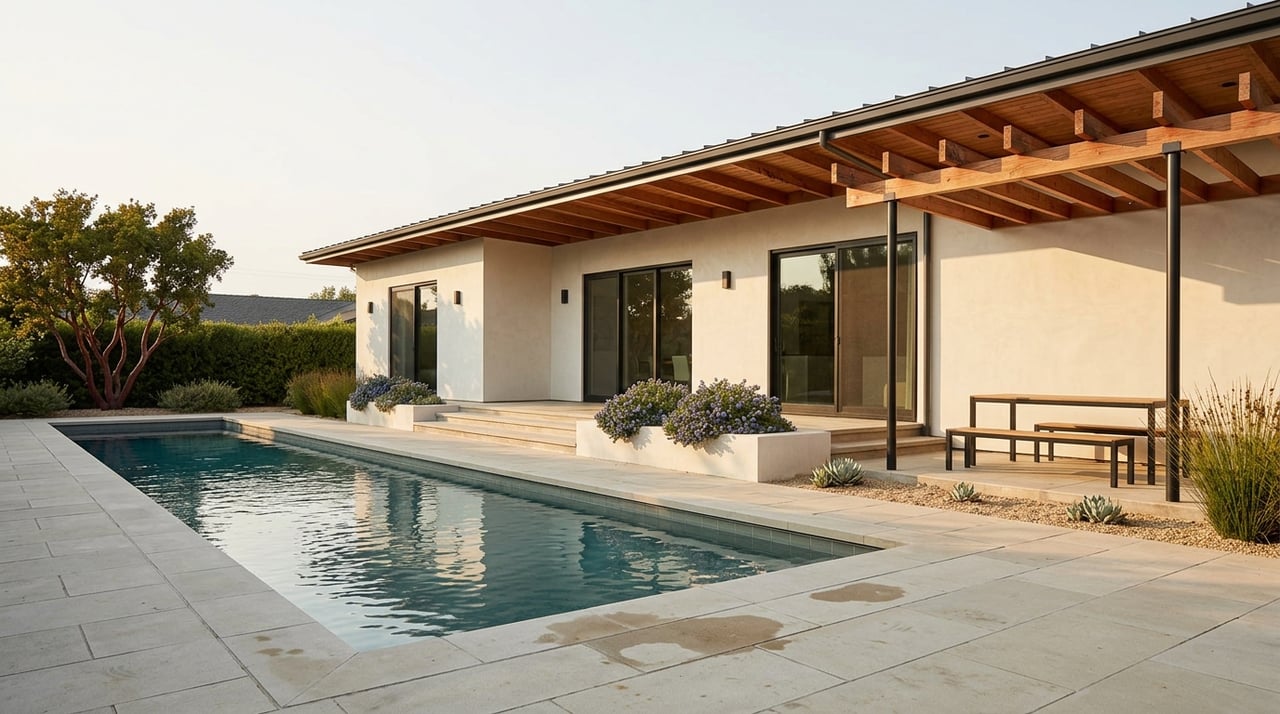
On larger or flatter parcels, you will find long, low ranch forms or single-level estates. The California Ranch tradition evolved from Spanish antecedents into relaxed indoor to outdoor living with simple profiles and big yards. For background on the type, see the ranch-style house overview.
Visual cues
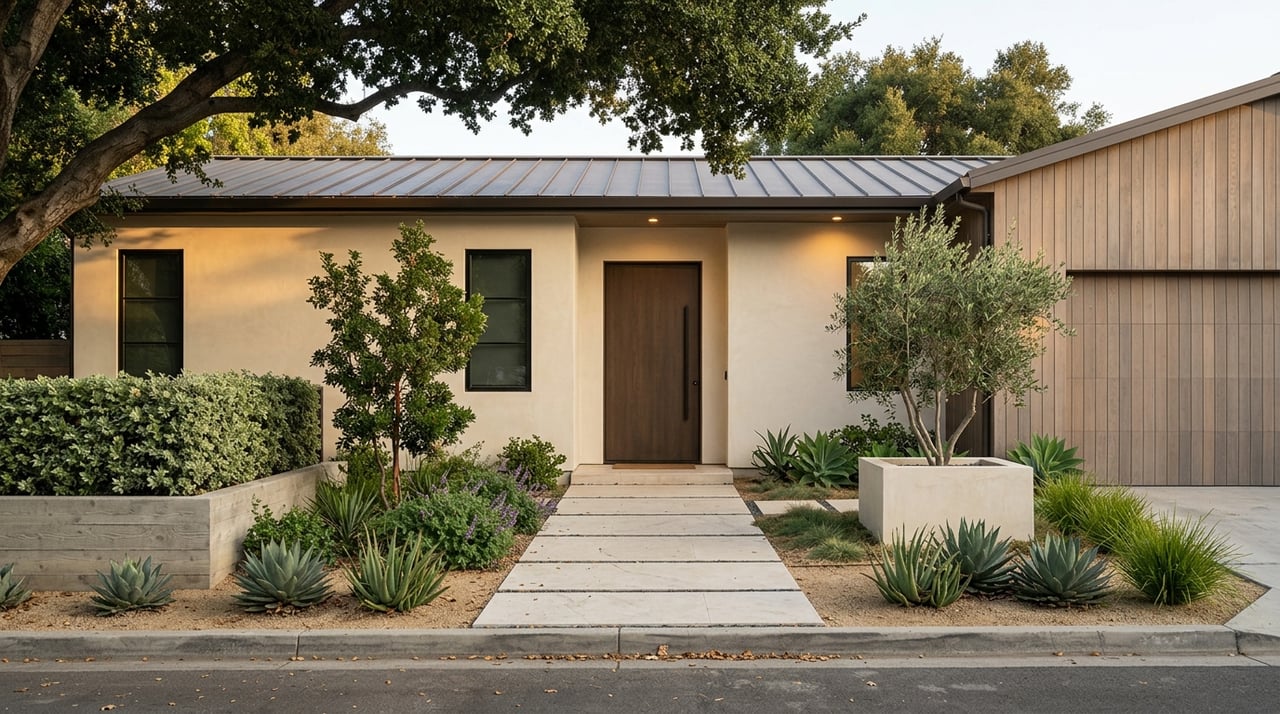
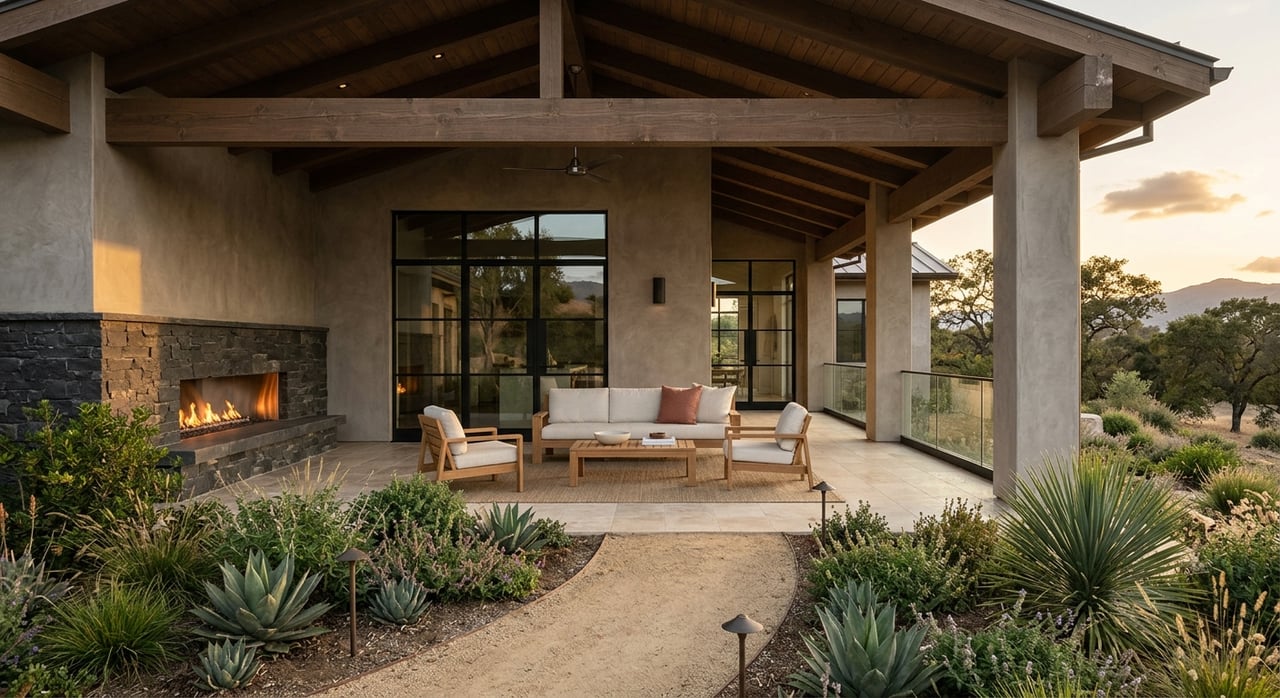
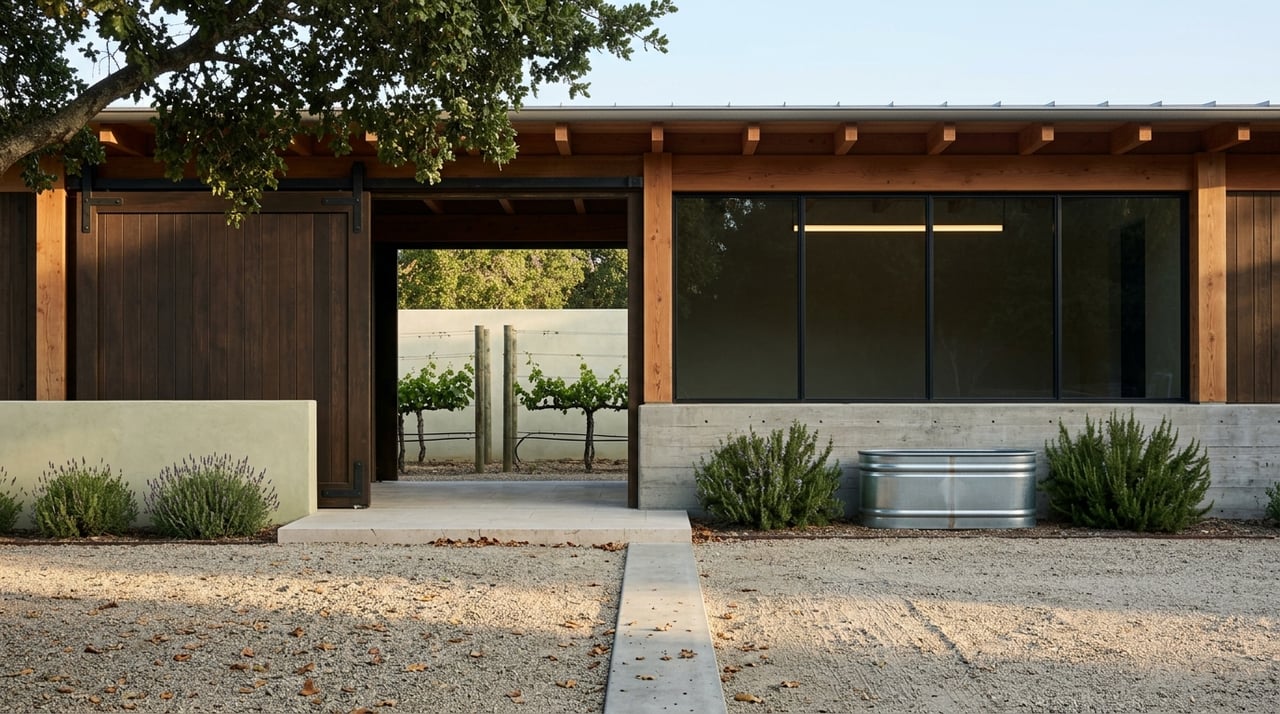
- Single-level footprints with long, low rooflines and wide eaves.
- L or U-shaped plans that frame a patio, pool, or private lawn.
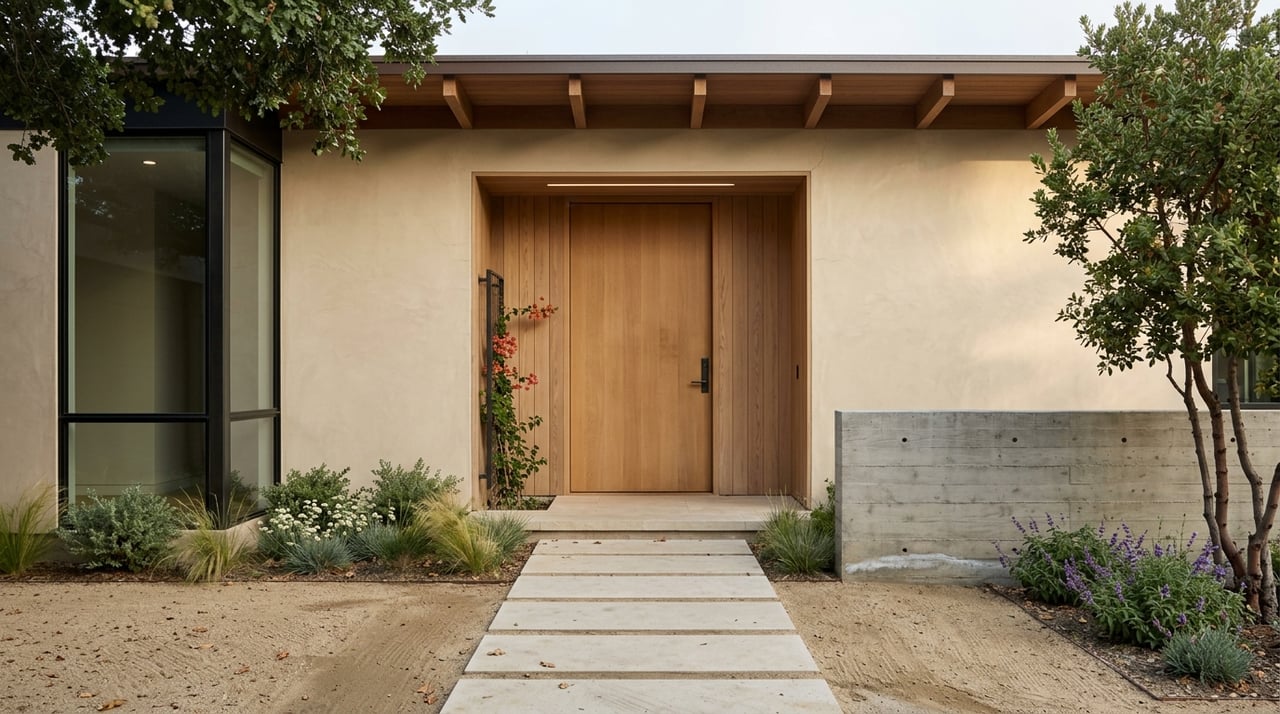
- Mixed materials, with stucco, wood, and stone accents, plus large sliders.
Materials and property program
You will often see broad-plank wood floors, exposed beams in vaulted rooms, and masonry details. On equestrian parcels, barns, arenas, and service yards sit within a larger landscape program, which brings specialized maintenance.
Lifestyle and buyer notes
Single-level living suits many households and often offers easy garden access from most rooms. For larger parcels, confirm irrigation infrastructure, well or water rights, and any equestrian or agricultural permits and covenants that shape use and upkeep.
Coastal cottages and Lower Village charm
Context and scale
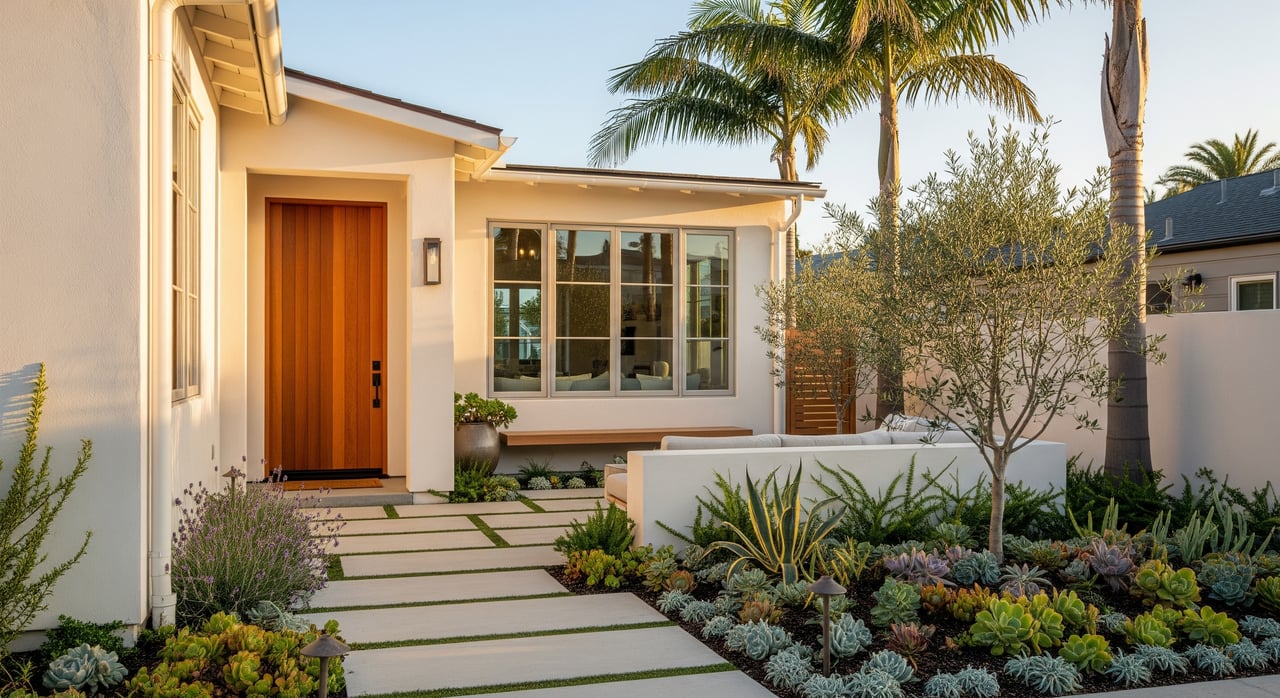
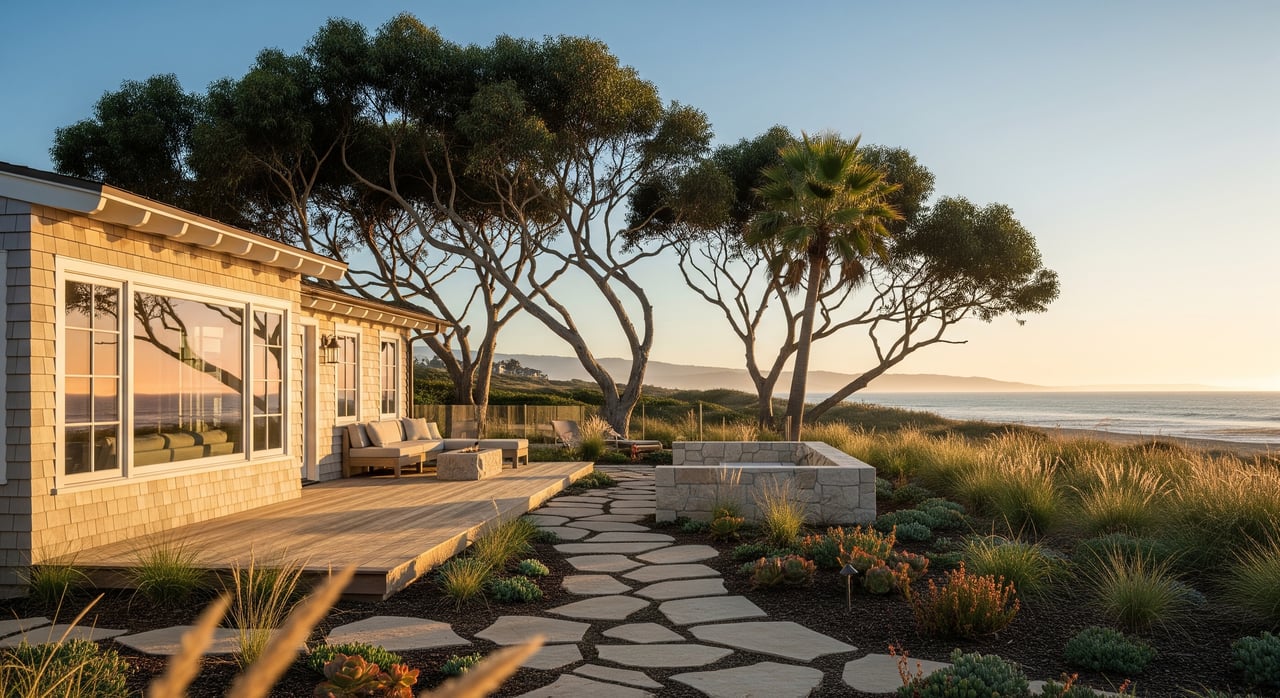
Close to beaches and the Lower Village, smaller cottages present a light footprint with welcoming porches and weathered materials. The historic cottages at San Ysidro Ranch are a curated hospitality reference for this intimate, highly crafted scale.
Visual cues
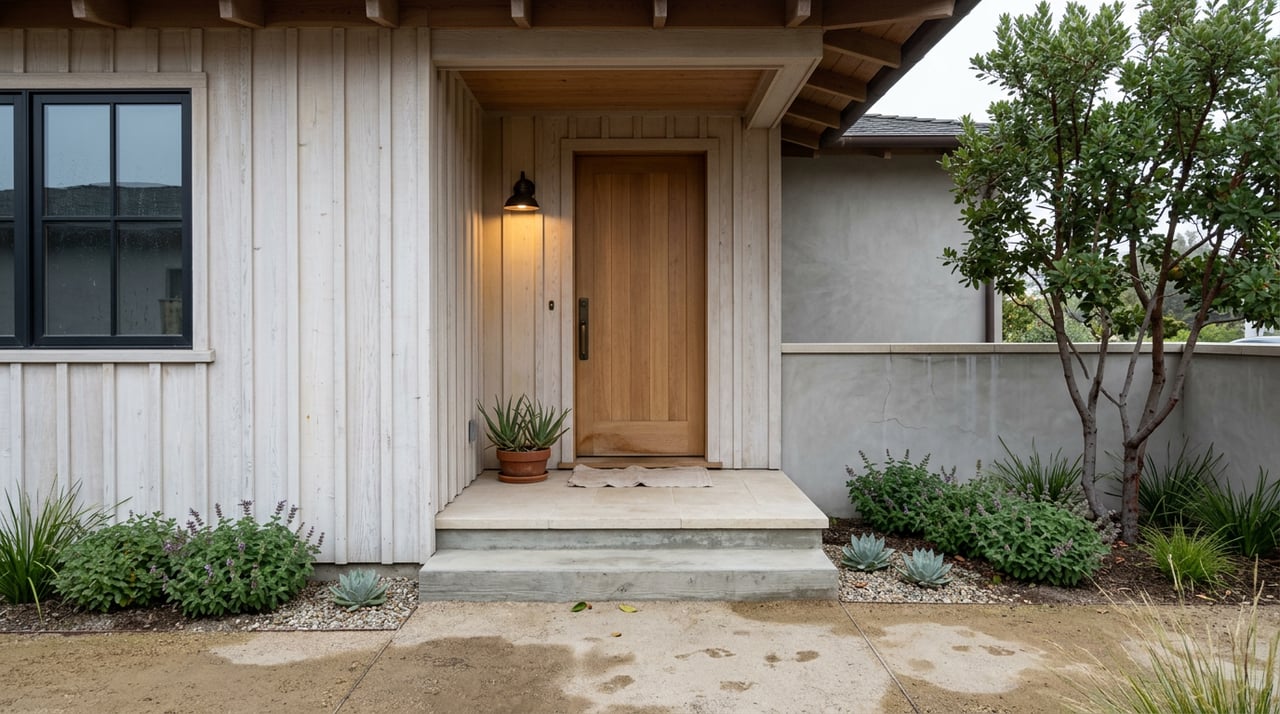
- Weathered cedar shingles or crisp painted clapboard and shiplap.
- Pitched roofs with dormers, covered porches, and window boxes.
- Light interior palettes, beadboard and tongue-and-groove details. For a visual primer, see this look at coastal cottage exteriors.
Materials and maintenance
Cedar shingles weather gracefully but need periodic treatment or replacement. Coastal hardware and storm-rated windows are common. The small footprint keeps care focused and is popular for guest use or second homes. Material choices influence maintenance cycles, as noted in the same coastal exterior guide.
A buyer’s design checklist for Montecito
Permits and coastal diligence
- Confirm whether the parcel lies in the Coastal Zone. Ask for recorded Coastal Development Permits and the full permit history early in escrow. Review what typically triggers a CDP and how county rules relate to the Local Coastal Program in this Santa Barbara coastal permit guide.
Hazards, geotech, and site reality
- Request any geotechnical reports and documentation of site-specific mitigation. For canyon, slope, or creek-adjacent addresses, ask what debris-flow measures or channel work exist and who maintains them. The 2018 debris-flow research summary explains why these checks matter.
Coastal materials and maintenance budgeting
- Glass, steel, and exterior metals: confirm marine-grade alloys and finish specs, and plan for regular cleaning and inspection. Get a quick overview of coastal performance in this glass and metal care note.
- Exterior wood and shingles: verify species, treatments, and typical replacement cycles. The coastal exterior primer outlines common choices.
Historic stewardship and restoration
- If a home is designated or listed, conservation standards can shape alterations. Restoration budgets for masonry, decorative tile, and custom ironwork tend to be higher than for contemporary finishes. Use Casa del Herrero as a lens for authentic details and the level of craft they represent.
Program and lifestyle planning
- Montecito buyers often prioritize shaded loggias, outdoor kitchens, private gardens, and separate casita suites for guests or staff. See how these program elements reflect the area’s indoor to outdoor lifestyle in the Montecito overview.
Quick questions to ask the listing side
- Is the parcel inside the Coastal Zone or in a mapped debris-flow, landslide, or floodplain area? Request geotechnical and hazard reports.
- Provide recorded CDPs, building permits, and any enforcement history.
- Document roof, stucco, and systems upgrades, plus any seismic or foundation retrofits.
- For historic houses, ask about preservation easements, landmark status, and any covenants that affect alterations.
Visual vocabulary for house tours
- Loggia: A covered exterior gallery or porch that is open on one side and integrated into the building massing. It creates shaded outdoor rooms that extend living areas.
- Courtyard or patio: A private outdoor room, often central to Spanish plans, used to organize circulation and bring light and air into interiors. See examples in the Spanish Colonial overview.
- Saltillo or terracotta tile: Handmade clay tiles common in Spanish-inspired homes. They develop a warm patina and typically need sealing in wet areas. Learn more in this materials guide.
- Viga or exposed beam: Heavy timber members that signal a craft-forward or rustic vocabulary in Mediterranean and Spanish interiors, often paired with plaster walls.
- Casita or guesthouse: A detached or semi-detached suite for guests or staff that preserves privacy and flexibility on estate parcels.
Putting it all together
When you recognize the vocabulary of Montecito’s signature homes, you can choose a house that truly fits how you live. Spanish Revival offers courtyards and texture-rich craft. Montecito modern delivers clean-lined light, views, and effortless indoor to outdoor flow. Ranch estates give you single-level ease and acreage options. Coastal cottages provide intimacy and charm steps from the sea. Pair that design reading with coastal permit diligence, hazard-aware site checks, and a clear maintenance plan, and you will buy with confidence.
If you are weighing styles, sites, or a renovation path, connect for a discreet, design-led consult. For tailored advice and a valuation of your property, reach out to Eric Haskell for a boutique strategy that aligns architecture, presentation, and market timing.
FAQs
What defines Spanish Colonial Revival in Montecito?
- Look for white stucco, red clay barrel tiles, arched openings, loggias, and crafted ironwork, with courtyards that connect rooms to gardens, as outlined in the Spanish Colonial overview.
How do Coastal Development Permits affect remodels in Montecito?
- In the Coastal Zone, many additions, grading, shoreline work, and some ADUs require CDPs; start early and review this Santa Barbara coastal permit guide.
What should I know about debris-flow hazards after the 2018 events?
- Ask for geotechnical reports and mitigation records for canyon, slope, or creek-adjacent sites and review the 2018 debris-flow research summary.
What maintenance is typical for glass and metal near the ocean?
- Specify marine-grade metals and plan for routine cleaning and inspection to manage salt exposure, as noted in this coastal performance guide.
How do coastal cottages hold up over time in Montecito’s climate?
- Cedar shingles weather naturally and may need periodic treatment or replacement, while storm-rated windows and durable hardware help reduce upkeep, per this coastal exterior primer.
Are ADUs allowed in Montecito’s Coastal Zone?
- State ADU law applies, but coastal and county rules can add requirements; confirm CDP triggers and local standards using the coastal permit guide.