If you picture Carpinteria as only a beach stop, you miss what makes it special. This small Santa Barbara County coastal town moves from sand and bluffs to a compact downtown core and then up toward quieter residential streets near the foothills. If you are considering a move, a second home, or simply want to understand how Carpinteria lives day to day, this guide will help you see how the town fits together. Let’s dive in.
A Small Coastal Town With Layers
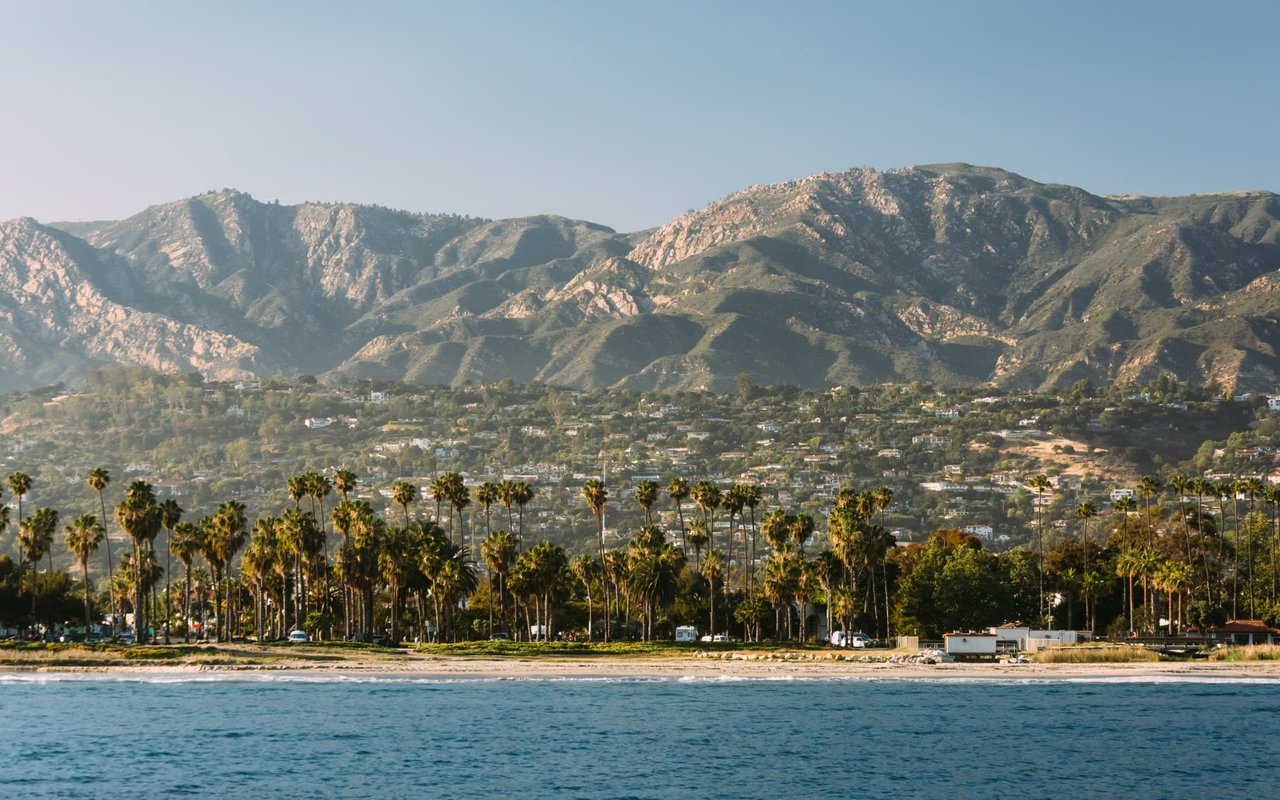
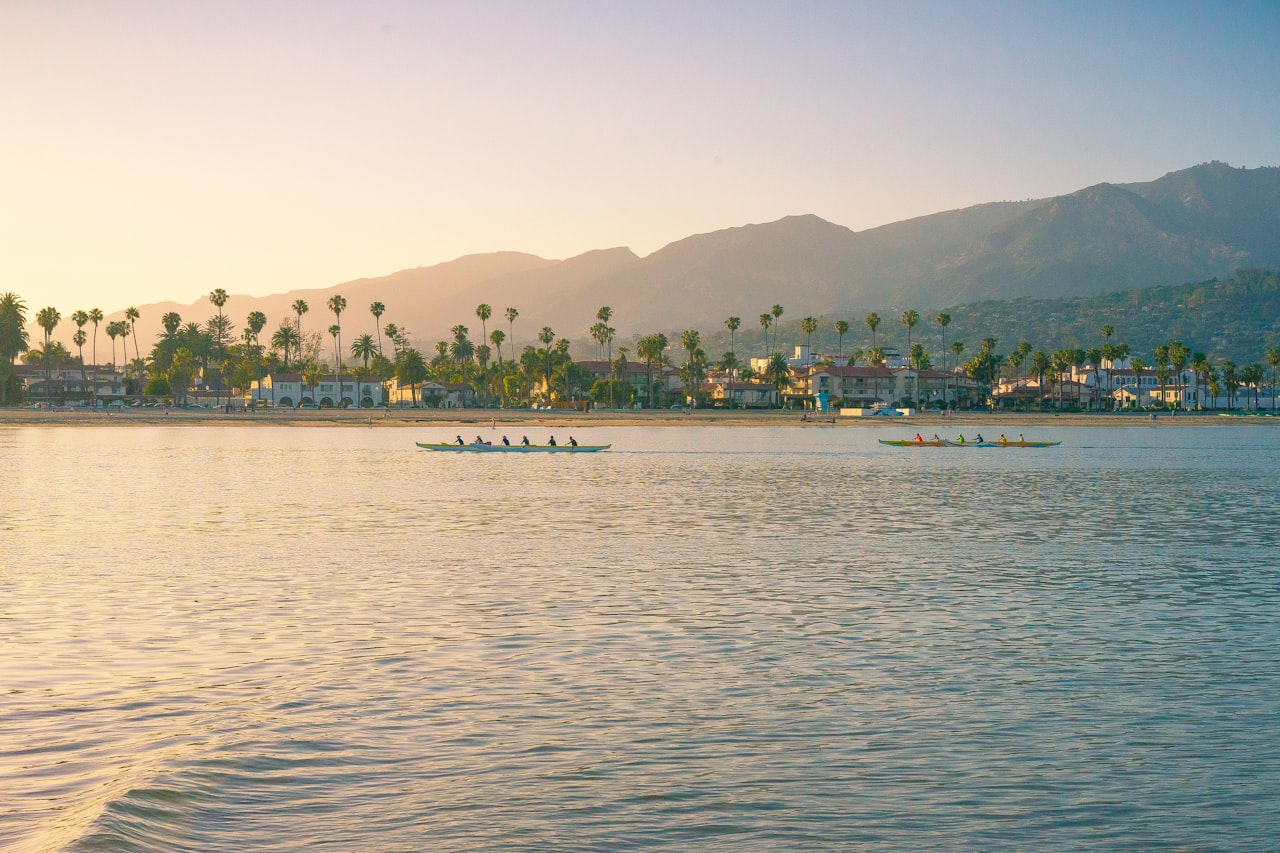
Carpinteria sits about 12 miles southeast of Santa Barbara in south Santa Barbara County. According to the city, it covers 2.6 square miles of land, 4.7 square miles of ocean area, and rises from sea level to about 700 feet in elevation. That compact footprint is a big reason the town feels connected.
The city’s General Plan describes Carpinteria as one of the last small, rural Southern California coastal communities, with a strong desire to preserve its small beach-town lifestyle and residential character. You can feel that intention in the way the town is organized. Life here tends to unfold in three linked layers: the beach edge, the Linden and Carpinteria Avenue core, and the inland neighborhoods that rise toward Foothill Road.
Carpinteria also has a broader economic base than many visitors expect. The city points to agriculture, tourism and retail, light industry, and research and development as key parts of the local economy. That mix gives the community a more grounded, year-round rhythm than a town built around tourism alone.
Beach Living Starts at the Shore
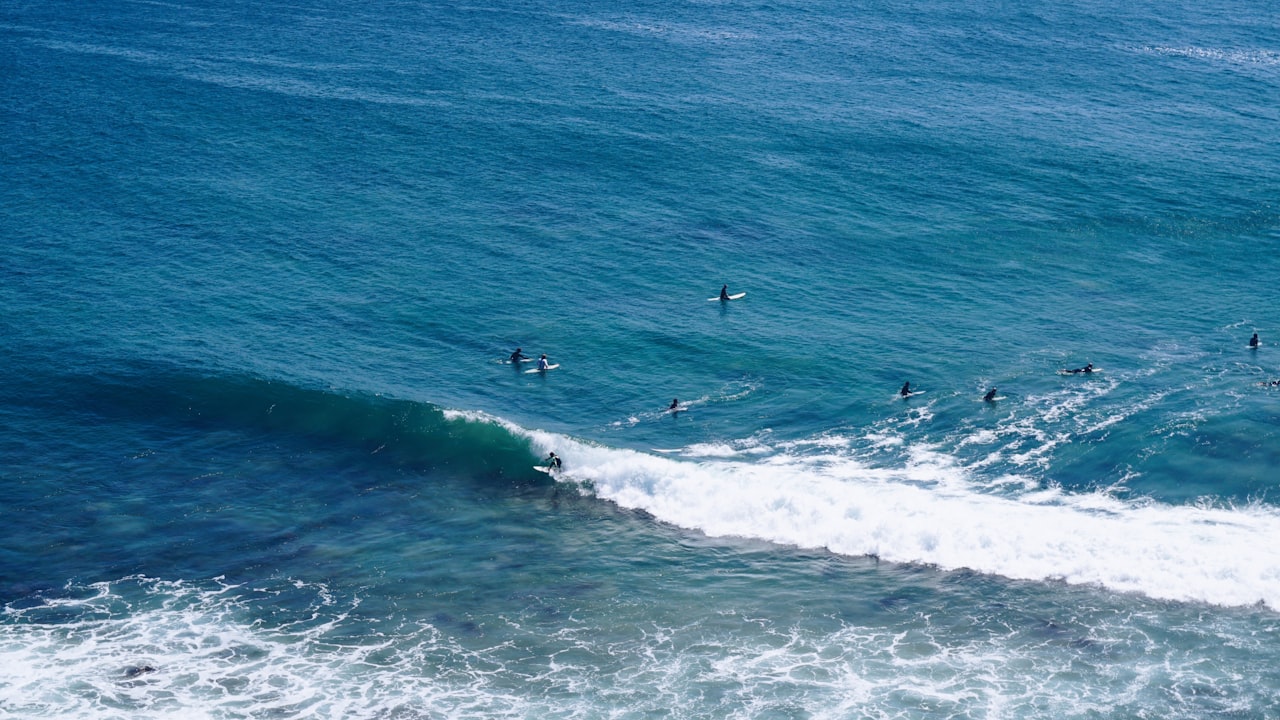
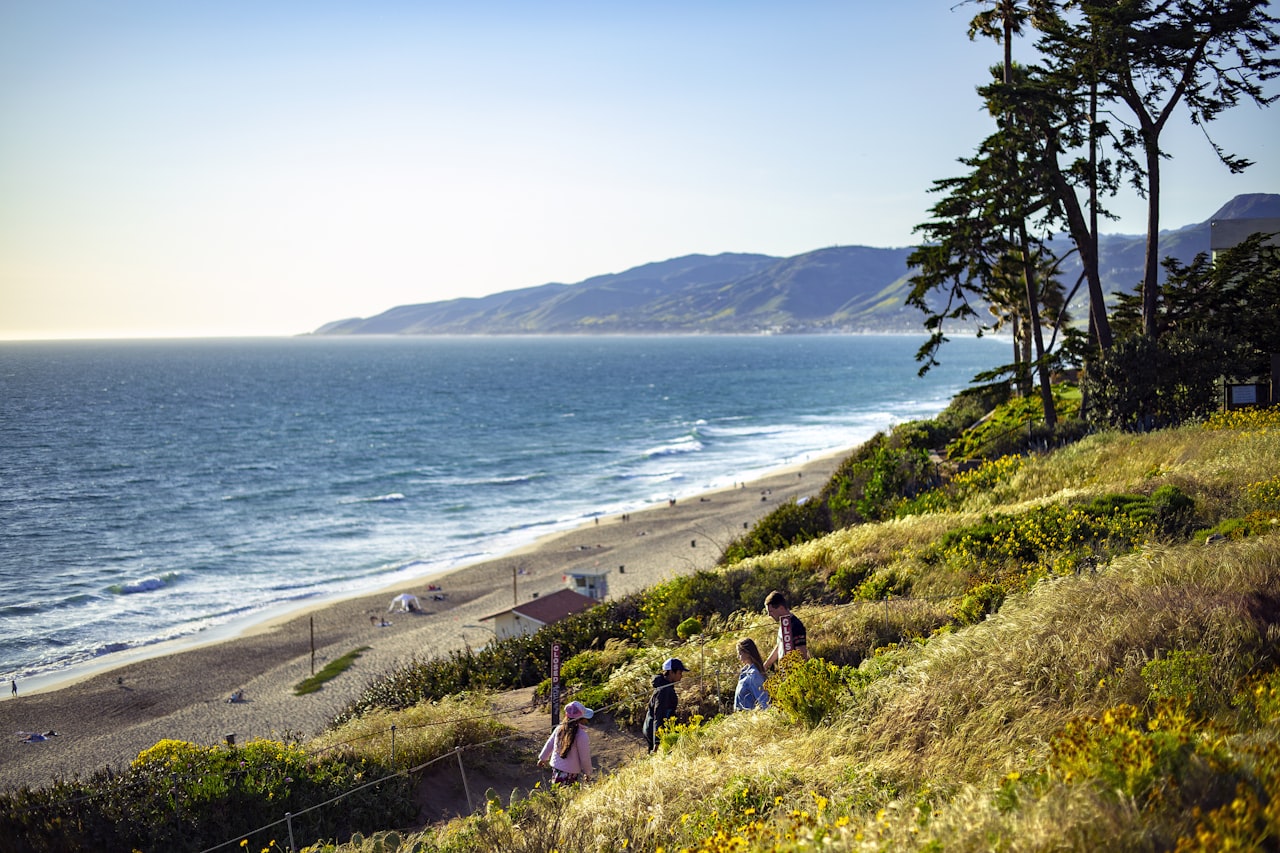
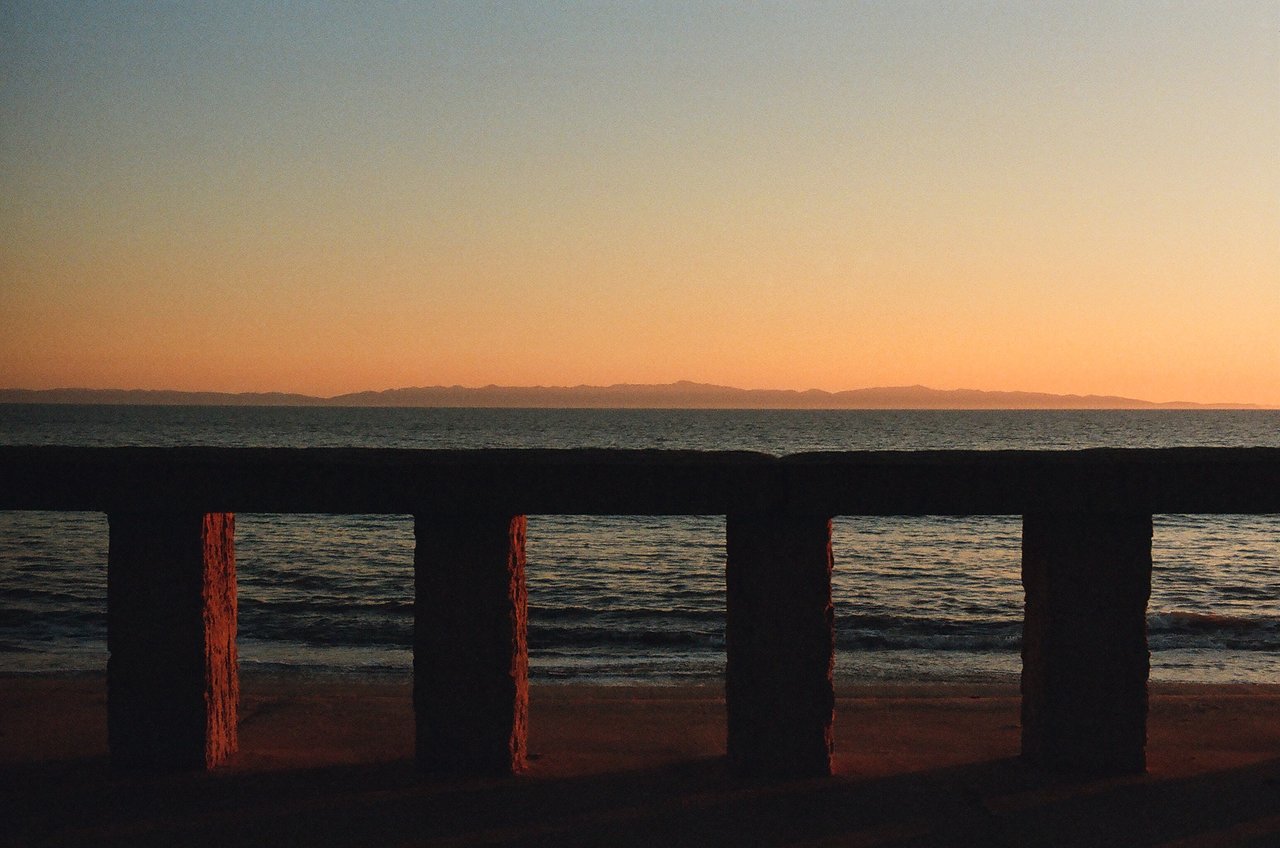
The shoreline runs the full length of the city, which shapes daily life in a very direct way. Carpinteria City Beach is at the foot of Linden Avenue, Carpinteria State Beach Park is at the foot of Palm Avenue, and Rincon Beach Park is at the foot of Bates Road. In practical terms, the ocean is not hidden away here. It is part of the town’s front yard.
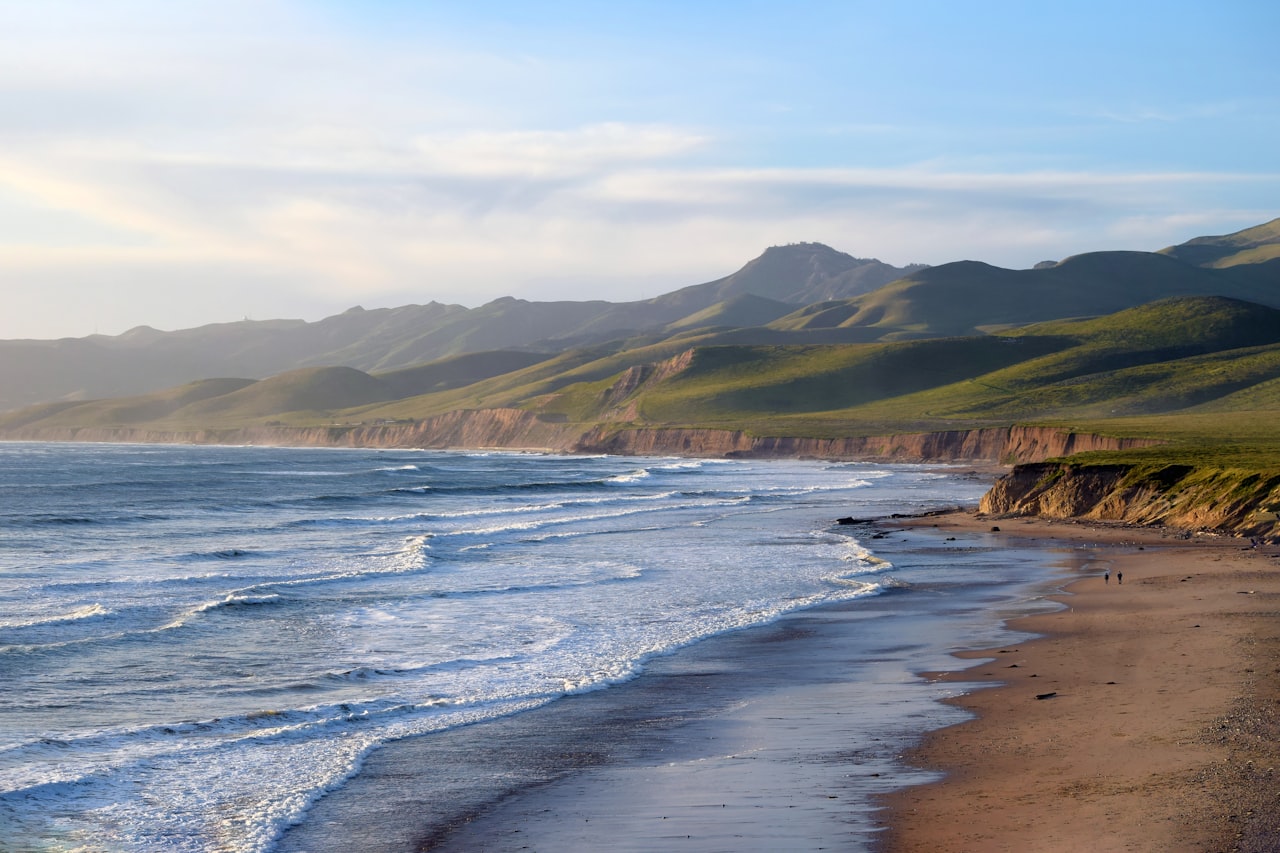
Carpinteria State Beach is the signature outdoor destination. California State Parks describes it as a stretch of white sand with rock outcroppings, terraced bluffs, dune areas, and about a mile of beach used for swimming, surf fishing, tidepool exploring, and camping. For many people, this setting defines the easy coastal pace that makes Carpinteria so appealing.
The campground adds another layer to the local lifestyle. It is open year-round and organized into four loops named for the Channel Islands, with reservations available day-of or up to six months ahead. Even if you are not camping yourself, that steady flow of outdoor activity contributes to the town’s relaxed, active atmosphere.
Parks Expand the Coastal Lifestyle
In Carpinteria, outdoor living does not stop at the sand. The city’s park and open-space system spreads recreation through town in a way that supports everyday use, not just weekend outings. That matters if you want a place where a walk, bike ride, or quiet view can become part of your normal routine.
Monte Vista Park offers views toward the Santa Ynez Mountains and sits beside Villa Del Mar and Casitas Village condominiums. Carpinteria Creek Park borders a bike path, which helps connect recreation with daily movement. These are the kinds of amenities that make the town feel practical as well as scenic.
The bluff and marsh areas are especially distinctive. Carpinteria Bluffs Nature Preserve and the Coastal Vista Trail are used for ocean views, birding, and whale watching, while Tar Pits Park offers bluff-top views and trail access. Salt Marsh Nature Park adds walking trails and interpretive signage, creating a quieter side of coastal life that feels more ecological than resort-like.
One of the town’s most memorable wildlife areas is the Carpinteria Harbor Seal Rookery. The beach portion closes from December 1 through May 31 during pupping season, and the city asks visitors to view quietly from the bluff trail. That small detail says a lot about Carpinteria’s character: the landscape is meant to be enjoyed, but also respected.
Downtown Carpinteria Feels Close and Walkable
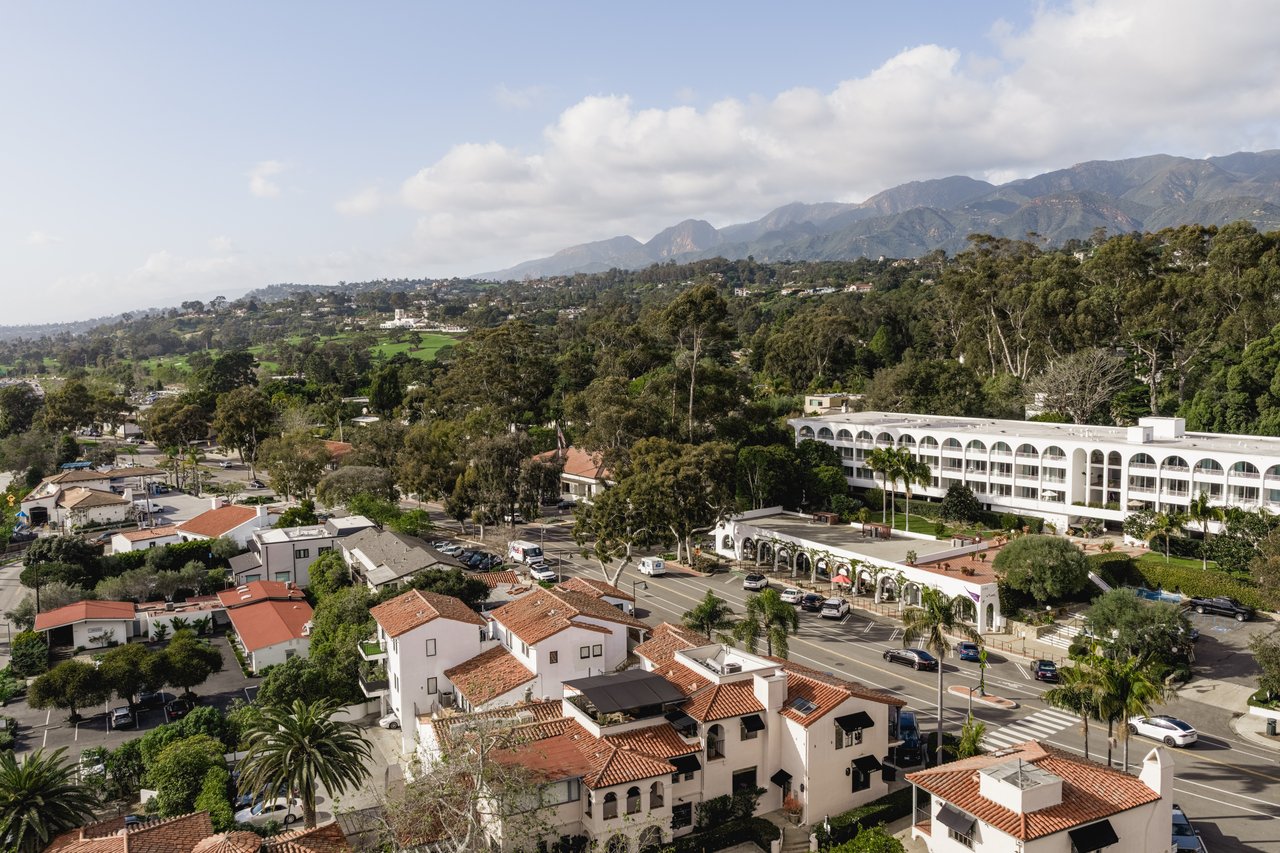
The downtown core has a simple shape and a clear purpose. The city’s downtown design overlay describes a T-shaped center around Linden Avenue and Carpinteria Avenue, with Linden serving as the hub of civic and commercial activity and the main street connection to the beach. That layout makes the town easy to understand from the moment you arrive.
Linden Avenue is more than a main street. It is the seam between everyday town life and the shoreline. You can move from coffee or errands to the beach in a matter of minutes, which is one reason Carpinteria feels so livable.
The city’s visitor and merchant materials reinforce that neighborhood-scale feel. During the summer, HOST volunteers staff a kiosk at Seal Plaza in the 800 block of Linden Avenue and offer maps, recommendations, and local information. The official downtown merchants map shows a casual mix of coffee, bagels, bakery options, pizza, seafood, sushi, breweries, a wine bar, cafes, and grocery or carryout spots clustered around the core.
Rather than feeling like a formal dining district, downtown reads as a compact local center where daily needs and casual gathering overlap. That is a major part of Carpinteria’s appeal if you value convenience without the pace of a larger coastal city.
Community Rhythm Is Easy to Picture
Some towns are hard to read until you live there. Carpinteria is not one of them. Its daily rhythm is fairly intuitive: beach access in the morning, errands or lunch in the downtown core, then parks, recreation, or neighborhood time later in the day.
The city map supports that pattern. It shows an Amtrak station, a bike-path connection to Santa Claus Lane, the bluff preserve, the marsh, the state beach, and several civic and park destinations near the core. Together, those features suggest a relatively compact and somewhat car-light pattern in the center of town.
Community events also help animate the calendar. The California Avocado Festival, held downtown since 1986, brings three days of food, music, and family-focused activities, with the city noting attendance of about 30,000 to 40,000 visitors. Events like that reinforce the sense that downtown is not just a commercial strip, but a civic gathering place.
Recreation Reaches Beyond the Beach
If you think coastal living here is only about surf and sand, the city’s year-round amenities tell a broader story. Carpinteria operates a community pool at 5305 Carpinteria Avenue with an average water temperature of about 80 degrees. That gives residents another option for regular exercise and recreation.
The Carpinteria Skate Park on the City Hall campus adds another dimension. The city says it includes 19,500 square feet of skating area along with plaza and picnic space, landscaping, and restrooms. Together with neighborhood parks and trails, these amenities make the town feel active in a way that extends beyond the shoreline.
Housing in Carpinteria Has More Variety Than You Might Expect
For such a small town, Carpinteria offers a surprisingly broad housing spectrum. The city’s 2025 zoning map includes single-family districts with minimum lot sizes ranging from 4,000 to 20,000 square feet, along with planned residential development districts, planned unit development districts, a mobile home park district, and RMU-20 and RMU-25 residential mixed-use areas. In other words, the housing story here is not limited to beach cottages.
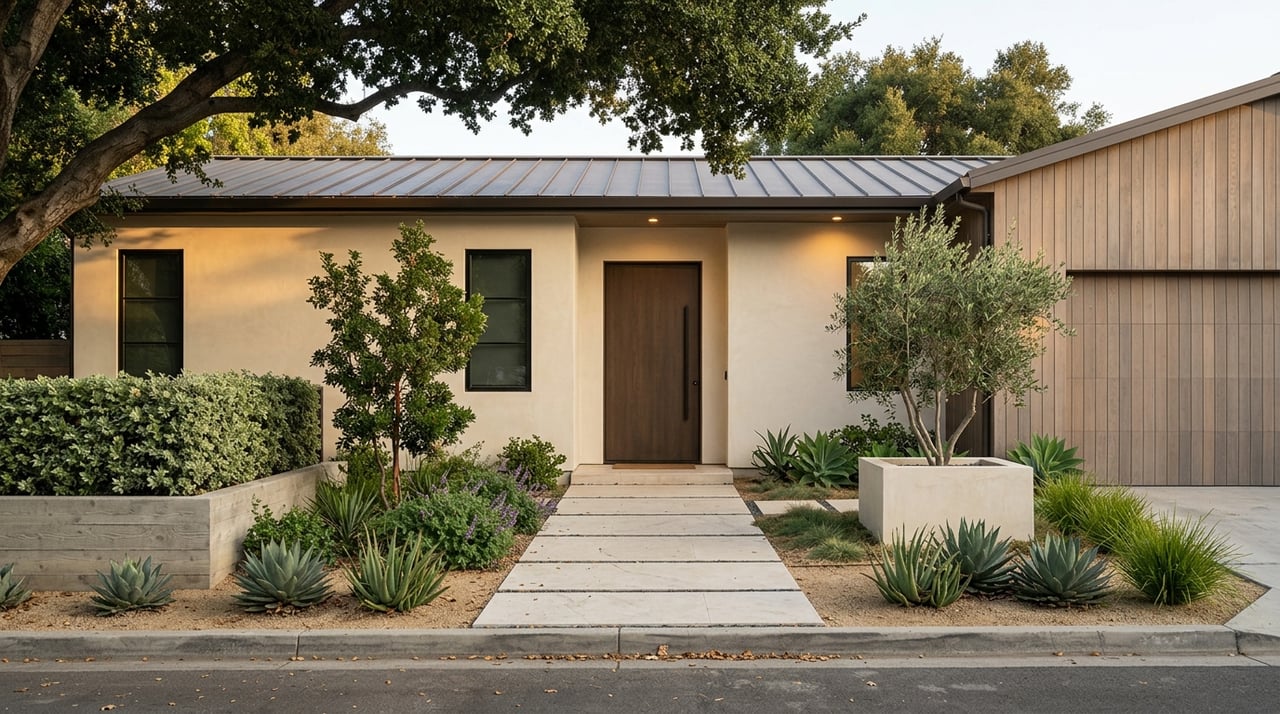
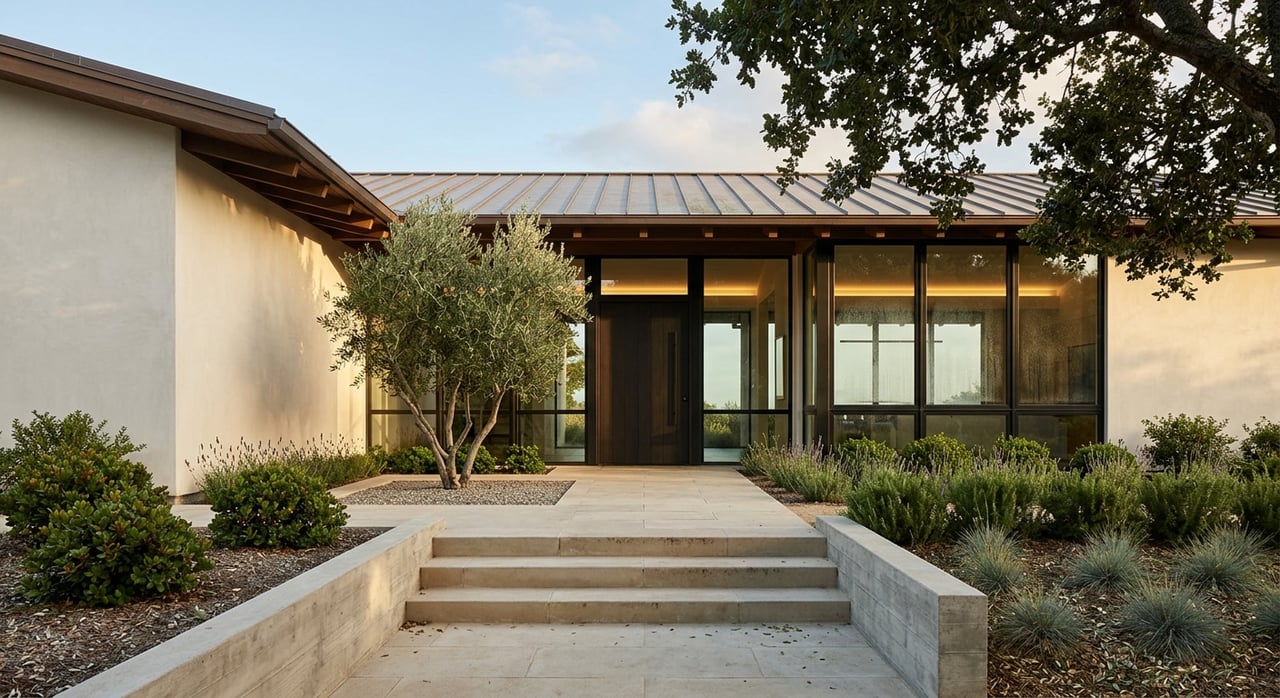
A useful way to think about the market is by setting. Near the coast, you will find beach-adjacent older homes and easy access to the shore. Around the downtown area, there are compact residential blocks and mixed-use patterns. Farther inland and at higher elevations, the town transitions toward single-family neighborhoods that climb in the direction of Foothill Road.
The city’s housing and planning materials also show active efforts to expand and preserve housing options. Carpinteria administers programs to build new housing, maintain existing stock, identify redevelopment sites, and promote housing for all persons. Proposed projects listed by the city include Via Real Townhomes, 5885 Carpinteria Avenue, and 5115 Ogan Road.
ADUs and Infill Matter Here
Accessory dwelling units are part of the local housing picture. The city approved ADU Ordinance No. 758 in January 2023 and offers prototype plans for detached 400-square-foot and 480-square-foot ADUs, along with a preapproved ADU pathway. If you own property or are considering a purchase with long-term flexibility in mind, that is an important local detail.
The city’s planning work also points to an ongoing push toward infill and mixed-use housing. In its 2025 housing-element update, Carpinteria notes that HCD found the Housing Element in substantial compliance after the city adopted RMU ordinances and rezoned 19.83 acres to RMU. In a small coastal market, that signals active planning around how the town can evolve while staying compact.
Mobile home communities are also part of the local housing landscape, with city rules that include rent-stabilization and disclosure requirements. The city also references a Workforce Homebuyer Down Payment Loan Program offered with the Housing Trust Fund of Santa Barbara County. Taken together, these policies show a housing mix that is more varied than many people assume.
Schools and Civic Anchors Shape the Valley
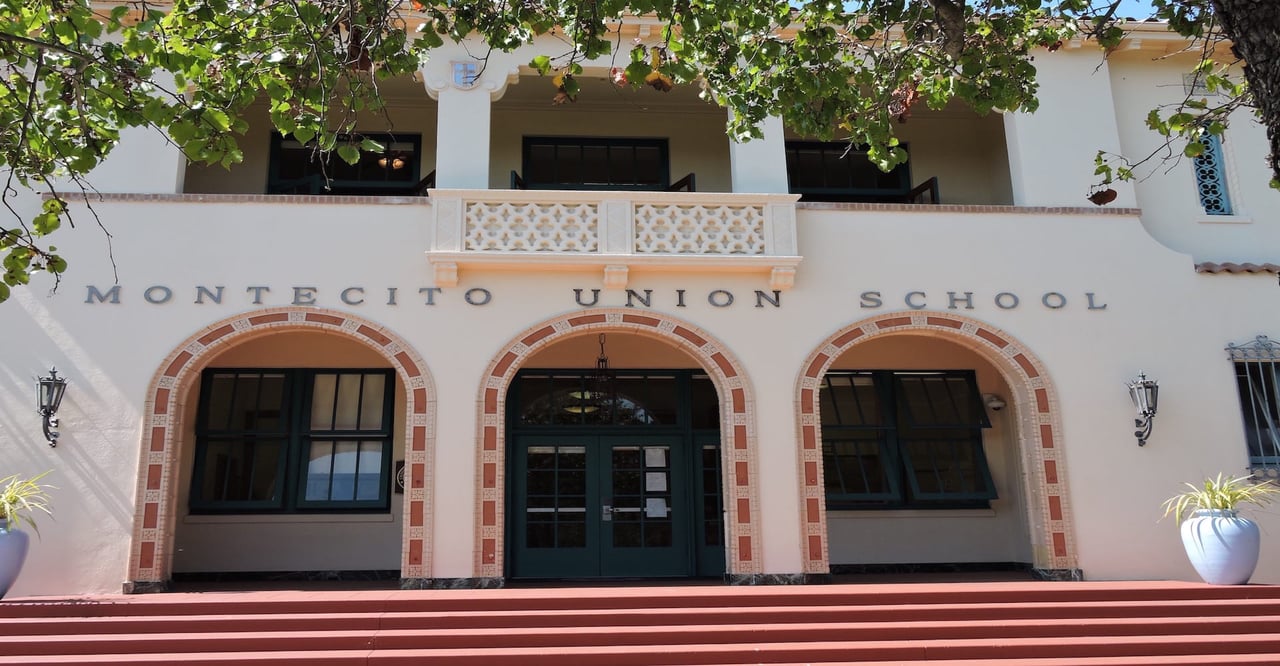
Carpinteria Unified School District serves about 1,900 TK through 12th grade students. The district says it has six schools, with five in Carpinteria city limits and one elementary campus in Summerland. The district office is on Linden Avenue, and Carpinteria High School is located on Foothill Road.
These civic anchors help explain the town’s geography and flow. As you move from the downtown area inland, the setting becomes less beach-centric and more tied to everyday local patterns. That transition from coast to core to foothills is one of Carpinteria’s defining traits.
What “From Sand to Foothills” Really Means
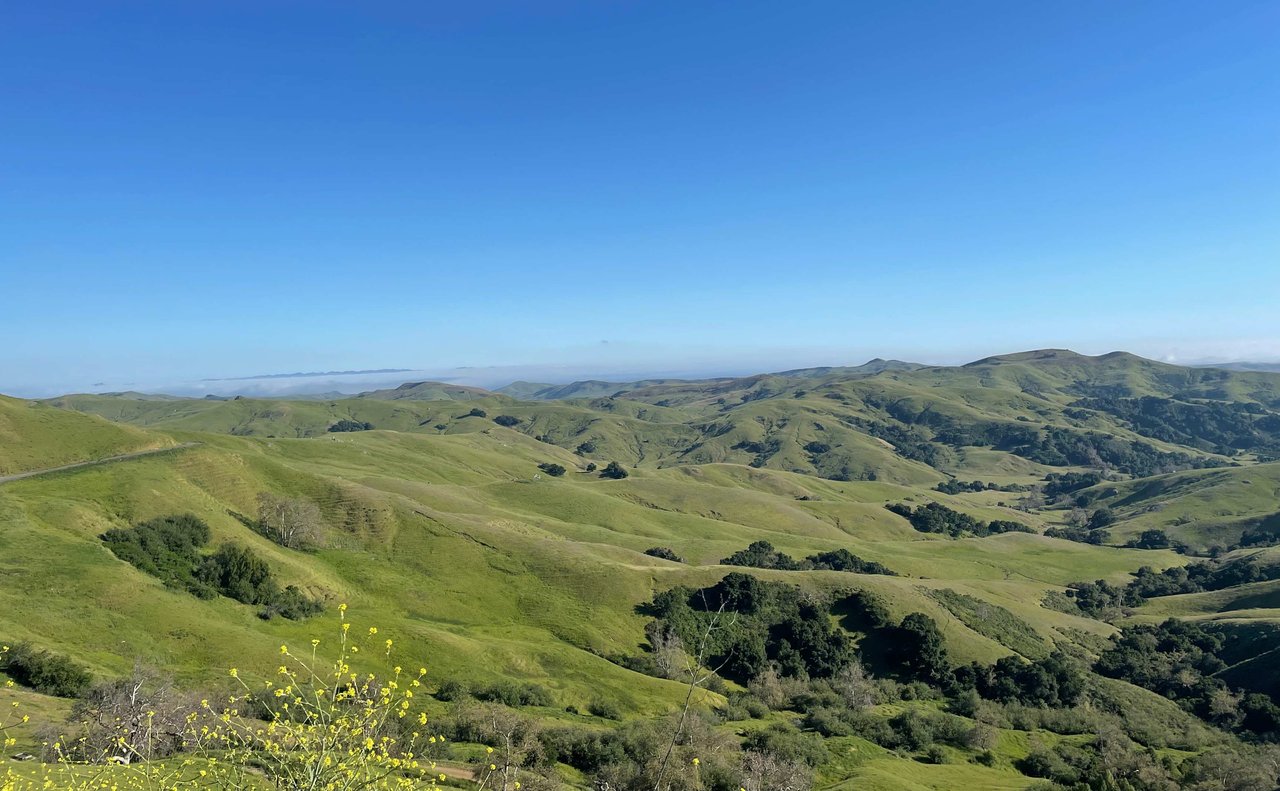
In Carpinteria, that phrase is not just poetic. It is a practical description of how the town lives. You can start near the beach, pass through a compact and active downtown, and reach higher residential streets and valley views in a short drive or ride.
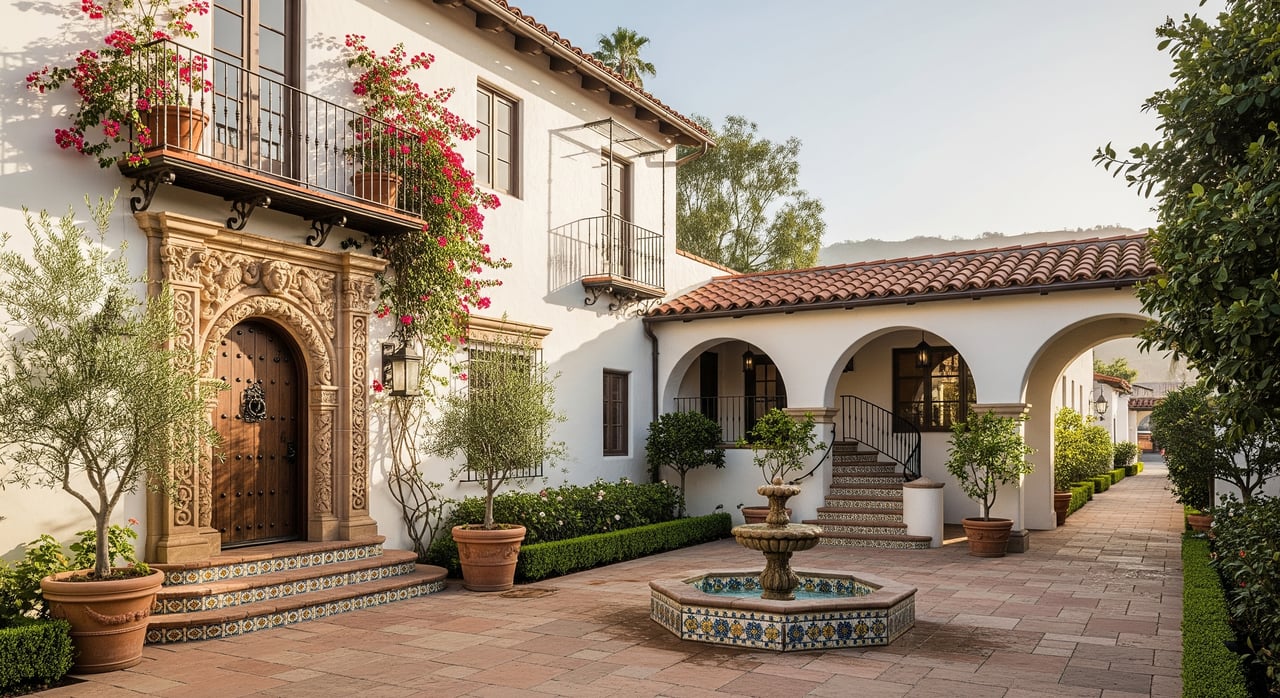
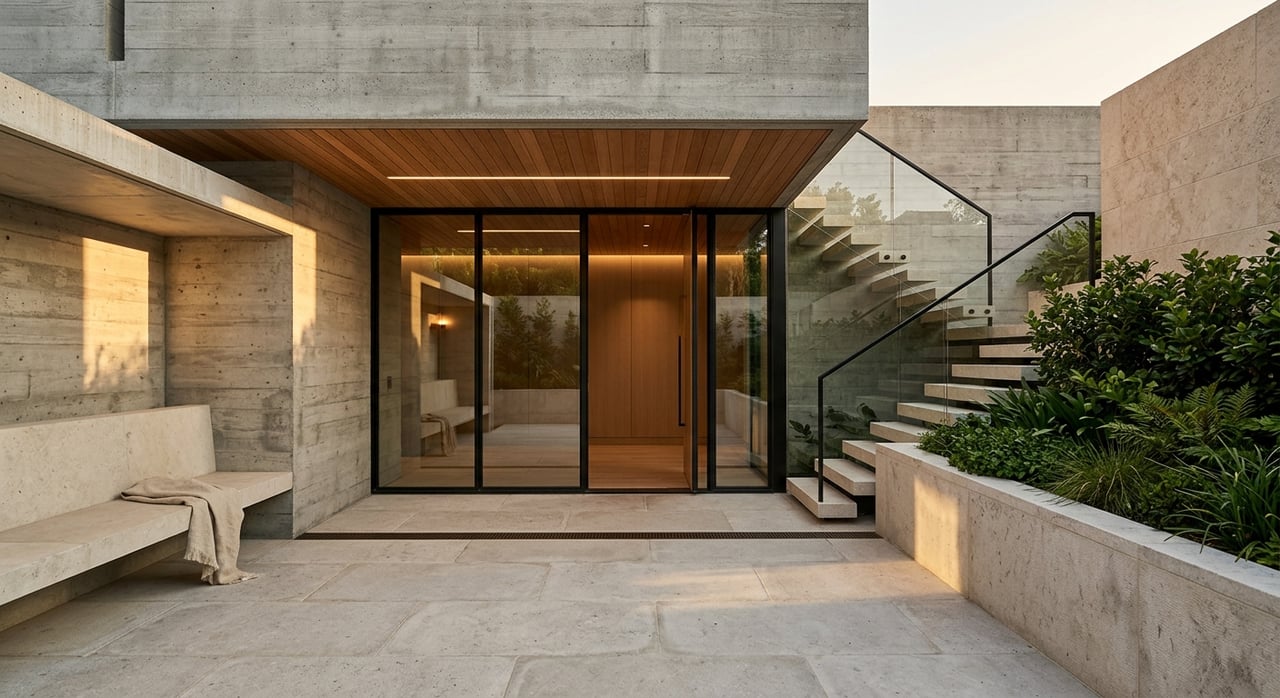
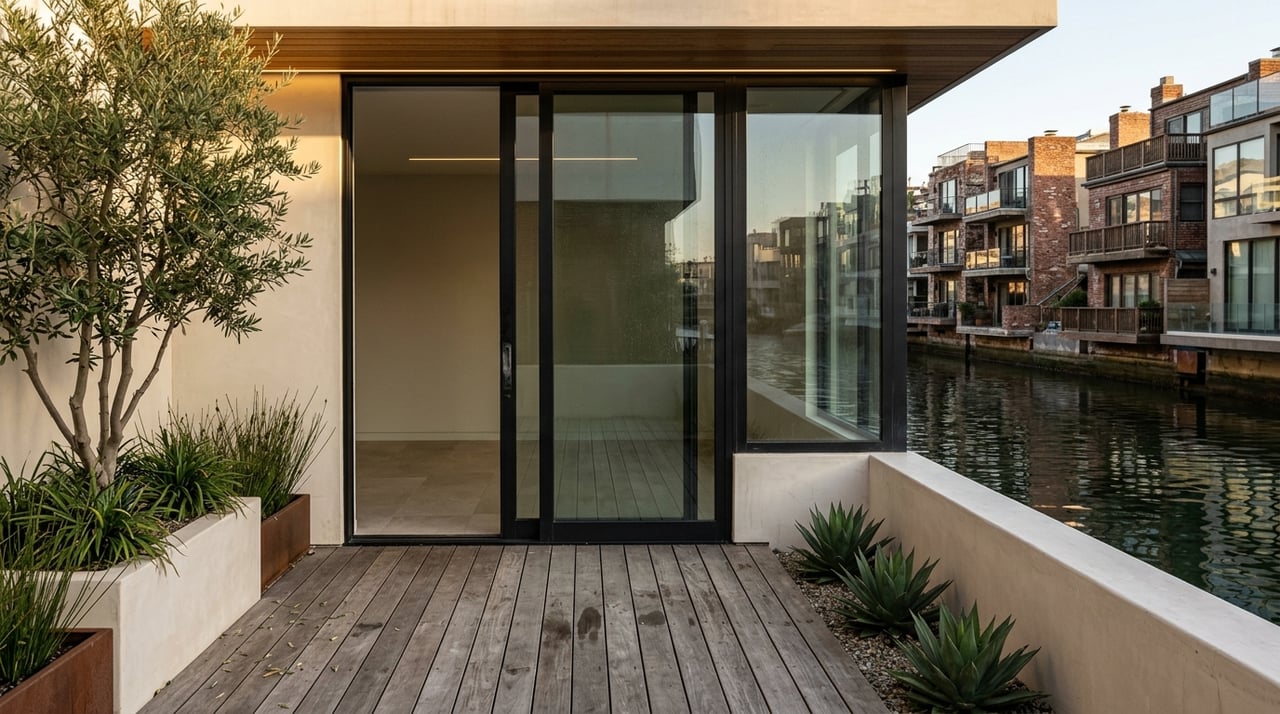
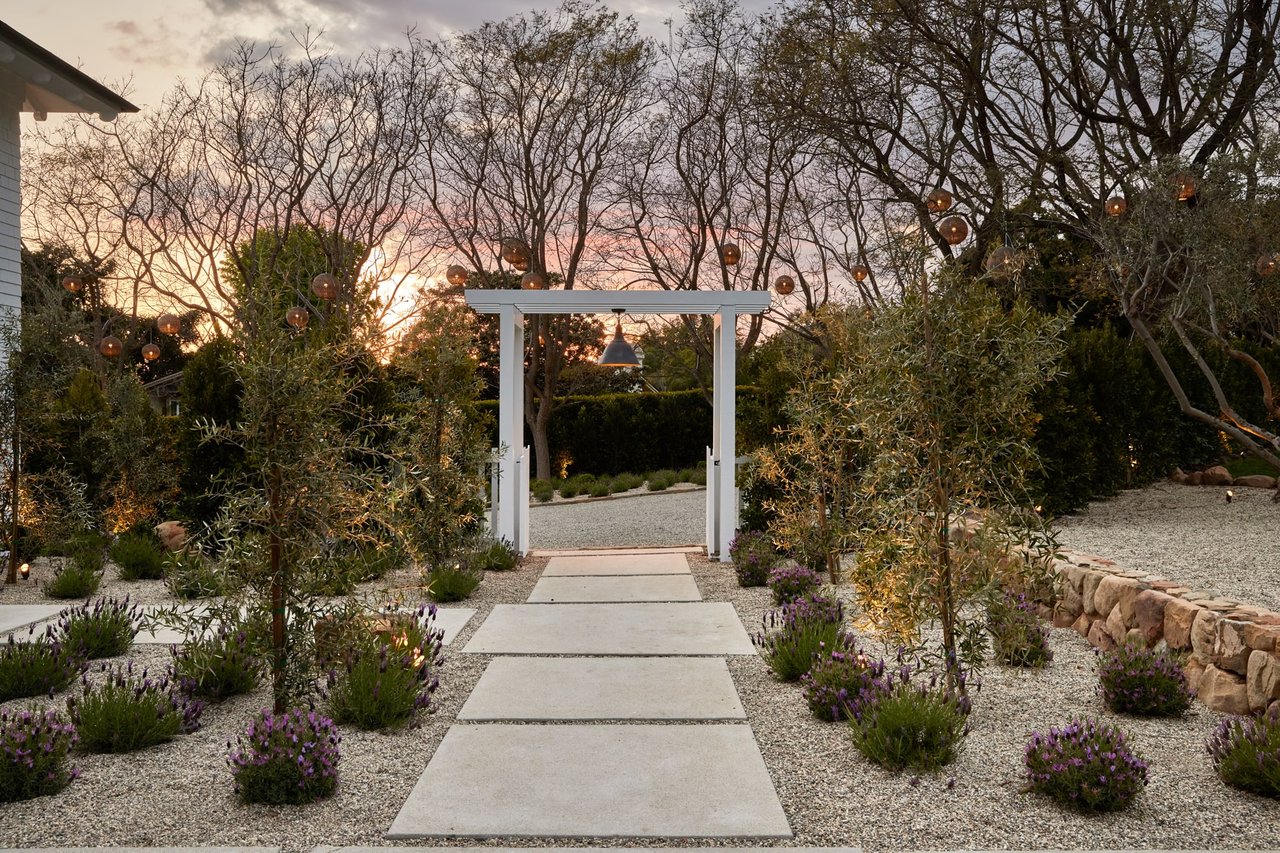
For buyers, that means your experience of Carpinteria can vary meaningfully within a small area. Some homes prioritize beach access and walkability. Others feel more tucked away, elevated, or residential in character. The town’s appeal lies in that compressed variety.
For sellers, that same structure matters when it is time to position a property. A home near Linden Avenue tells a different lifestyle story than one near the bluffs, a condo near Monte Vista Park, or a property rising toward Foothill Road. In a place this compact, context is everything.
If you are exploring Carpinteria real estate, it helps to work with an advisor who understands not just values, but the finer distinctions in setting, lifestyle, and presentation. To learn more or discuss a property strategy in Carpinteria and across the Santa Barbara coast, connect with Eric Haskell Group.
FAQs
What is the lifestyle like in Carpinteria, CA?
- Carpinteria offers a small coastal-town lifestyle shaped by beach access, a compact downtown core, neighborhood parks, bluff trails, and residential areas that rise inland toward the foothills.
What beaches are in Carpinteria?
- The city says the shoreline includes Carpinteria City Beach at Linden Avenue, Carpinteria State Beach Park at Palm Avenue, and Rincon Beach Park at Bates Road.
What is downtown Carpinteria like?
- Downtown Carpinteria centers on Linden Avenue and Carpinteria Avenue, with Linden serving as the main civic and commercial corridor that connects town to the beach.
What types of homes are in Carpinteria?
- City planning and zoning materials show a mix that includes single-family homes, condominiums, townhomes, mixed-use residential areas, ADU opportunities, mobile home communities, and higher-elevation neighborhoods inland.
Are ADUs allowed in Carpinteria?
- Yes. The city approved ADU Ordinance No. 758 in 2023 and offers prototype plans and a preapproved pathway for certain detached ADUs.
How large is Carpinteria, California?
- According to the city, Carpinteria has 2.6 square miles of land, 4.7 square miles of ocean area, and elevations ranging from sea level to about 700 feet.
What outdoor spaces are popular in Carpinteria?
- Popular outdoor areas named by the city include Carpinteria State Beach, Carpinteria Bluffs Nature Preserve, the Coastal Vista Trail, Salt Marsh Nature Park, Monte Vista Park, Tar Pits Park, and Carpinteria Creek Park.
What is the Carpinteria Harbor Seal Rookery closure period?
- The city says the beach portion of the rookery is closed from December 1 through May 31 to protect seals during pupping season.