If your idea of a second home is less about spectacle and more about ease, Carpinteria deserves a close look. This compact stretch of the Santa Barbara County coast offers a quieter beach setting, everyday access to sand and open space, and a main street that still feels connected to local life. If you are weighing where a coastal retreat should be, this guide will show you why Carpinteria stands out and what to keep in mind as you explore the market. Let’s dive in.
Why Carpinteria Fits Second-Home Living
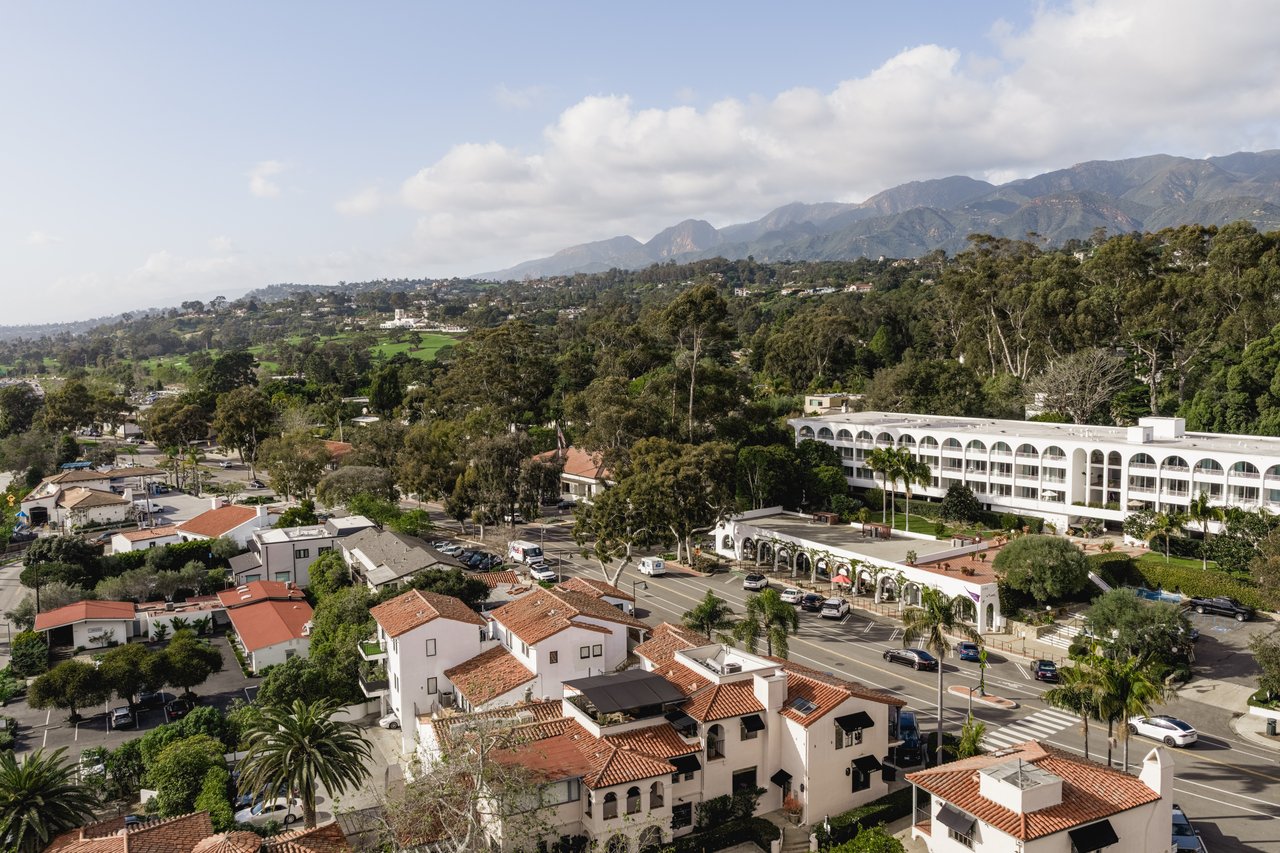
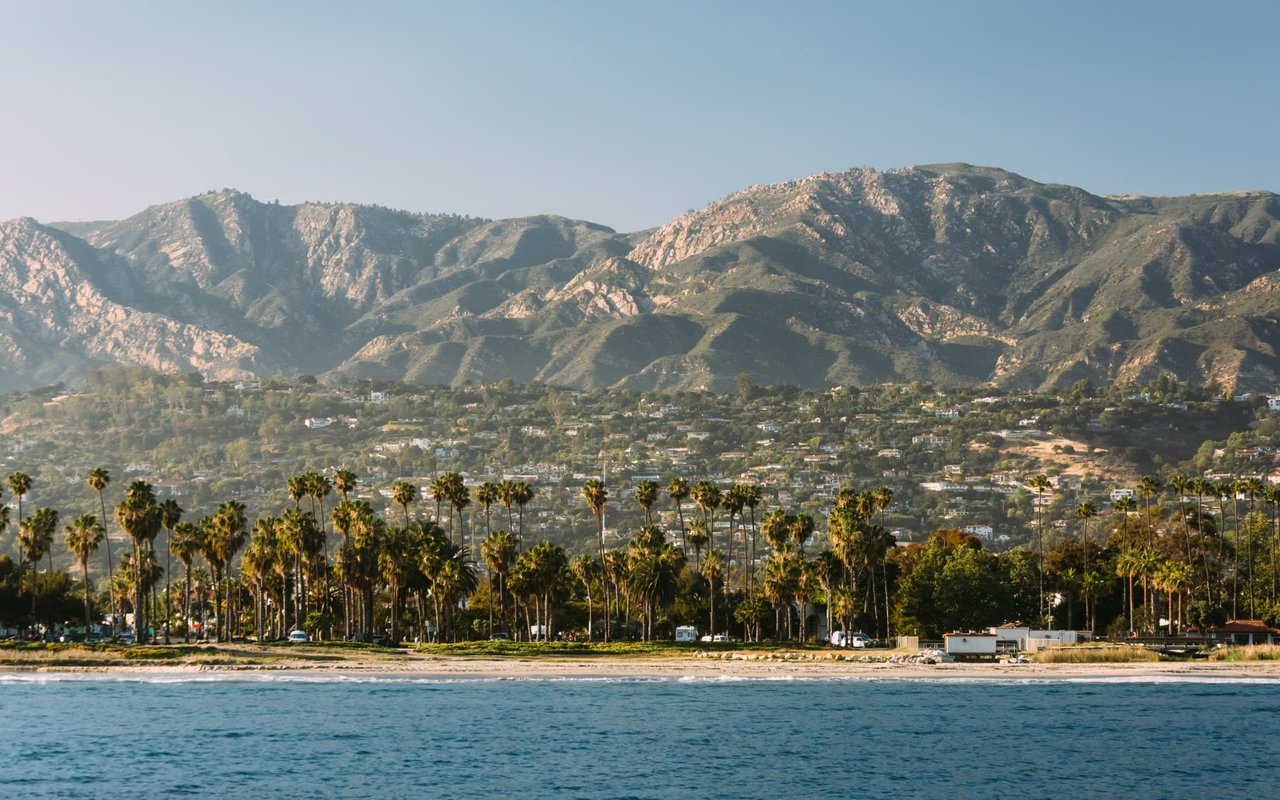
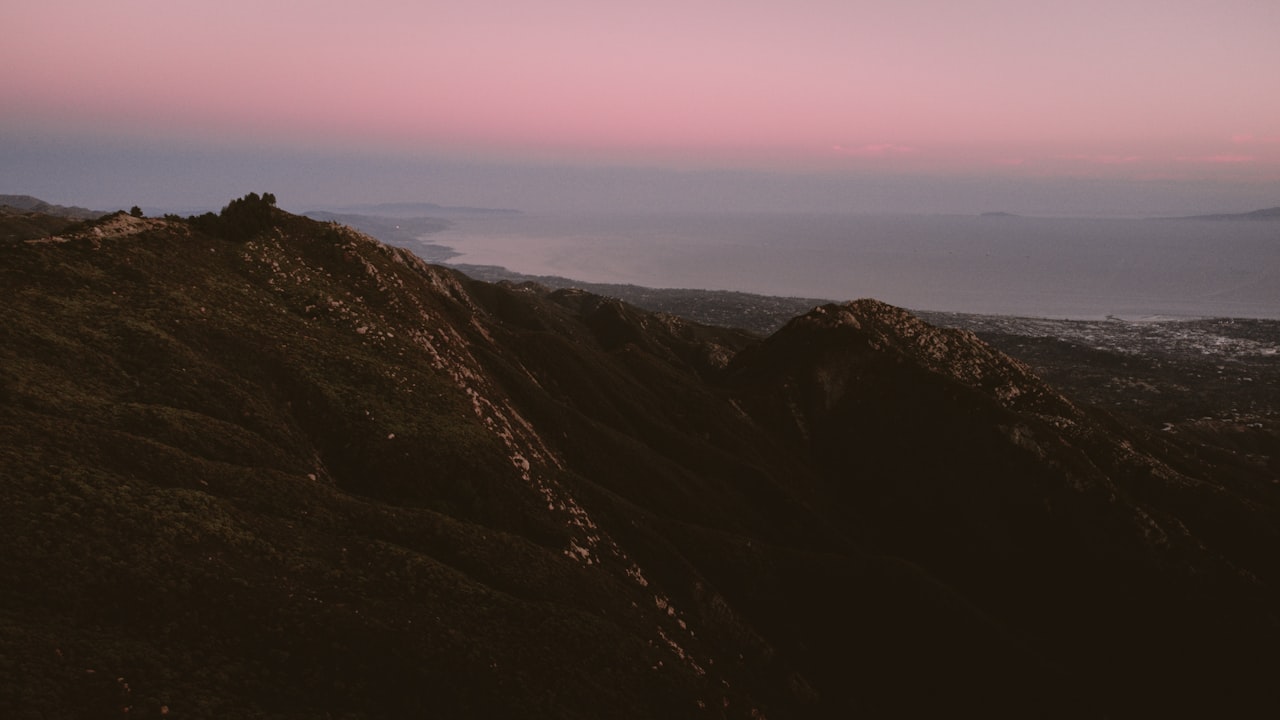
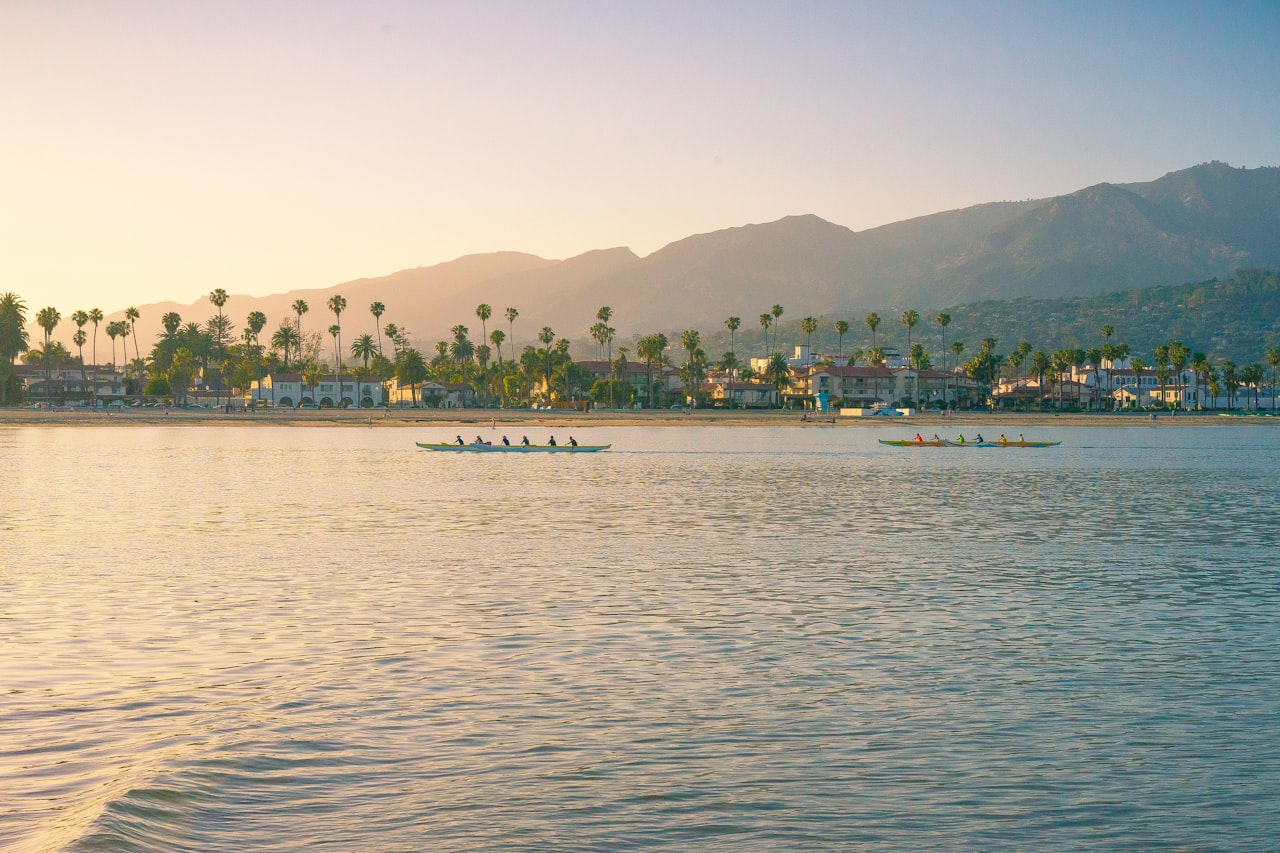
Carpinteria sits about 12 miles southeast of Santa Barbara on the south coast of Santa Barbara County. The city covers just 2.6 square miles of land, with the Pacific Ocean along its southern edge and beaches running through the community. That compact scale shapes the experience in a meaningful way.
For many second-home buyers, that means a coastal base that feels approachable rather than overwhelming. Carpinteria is not framed by the city as a large resort destination. Instead, its identity is rooted in small town charm and a small beach town character, especially in and around downtown.
That difference matters when you are choosing a place you may use for weekends, extended stays, or quiet time between work and travel. In Carpinteria, the setting supports a rhythm that is more relaxed, more walkable, and more tied to the landscape.
Beach Access Feels Built In
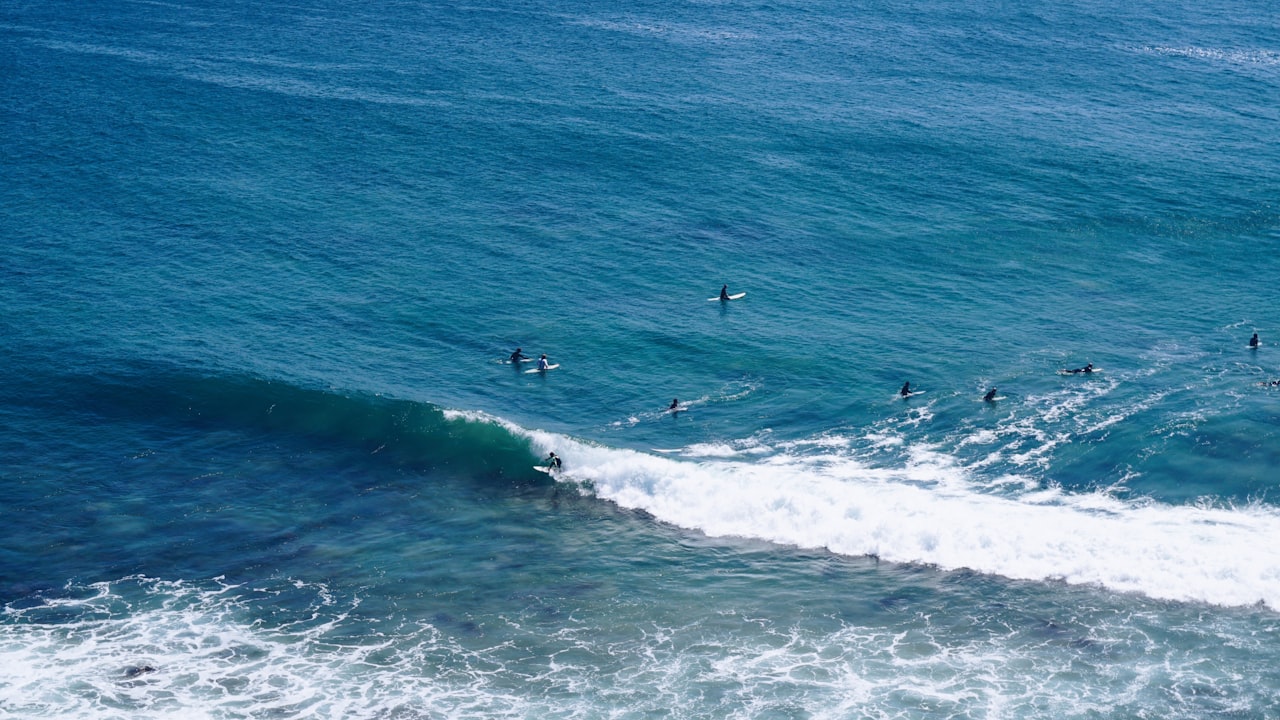
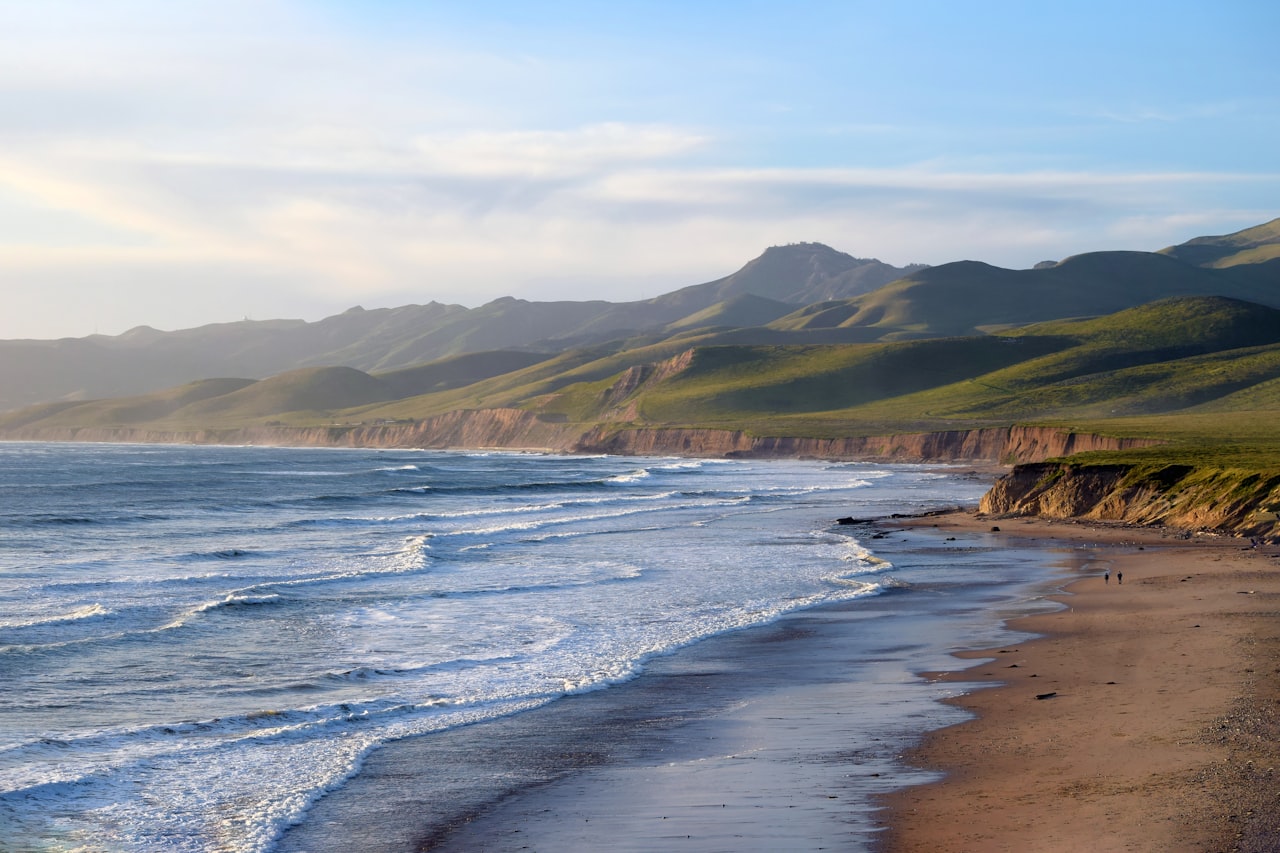
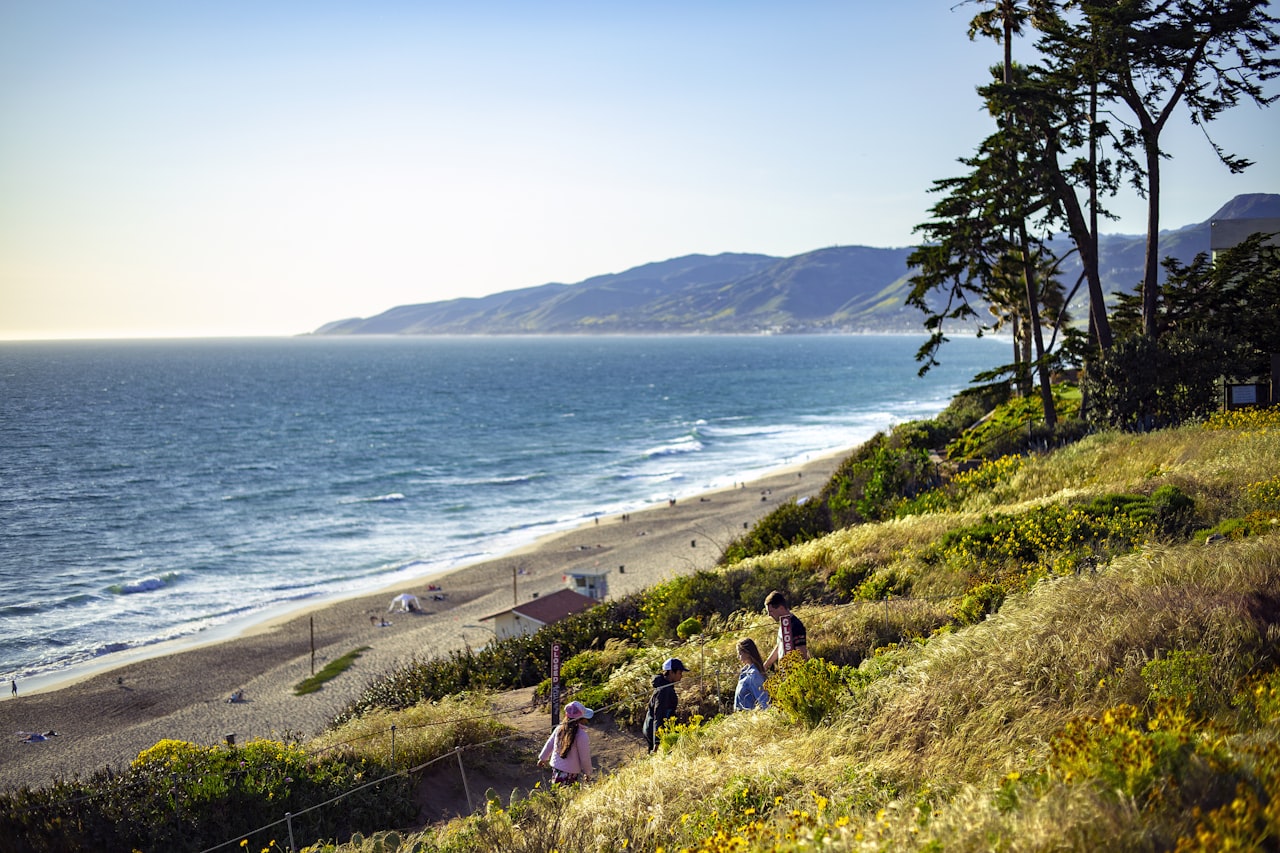
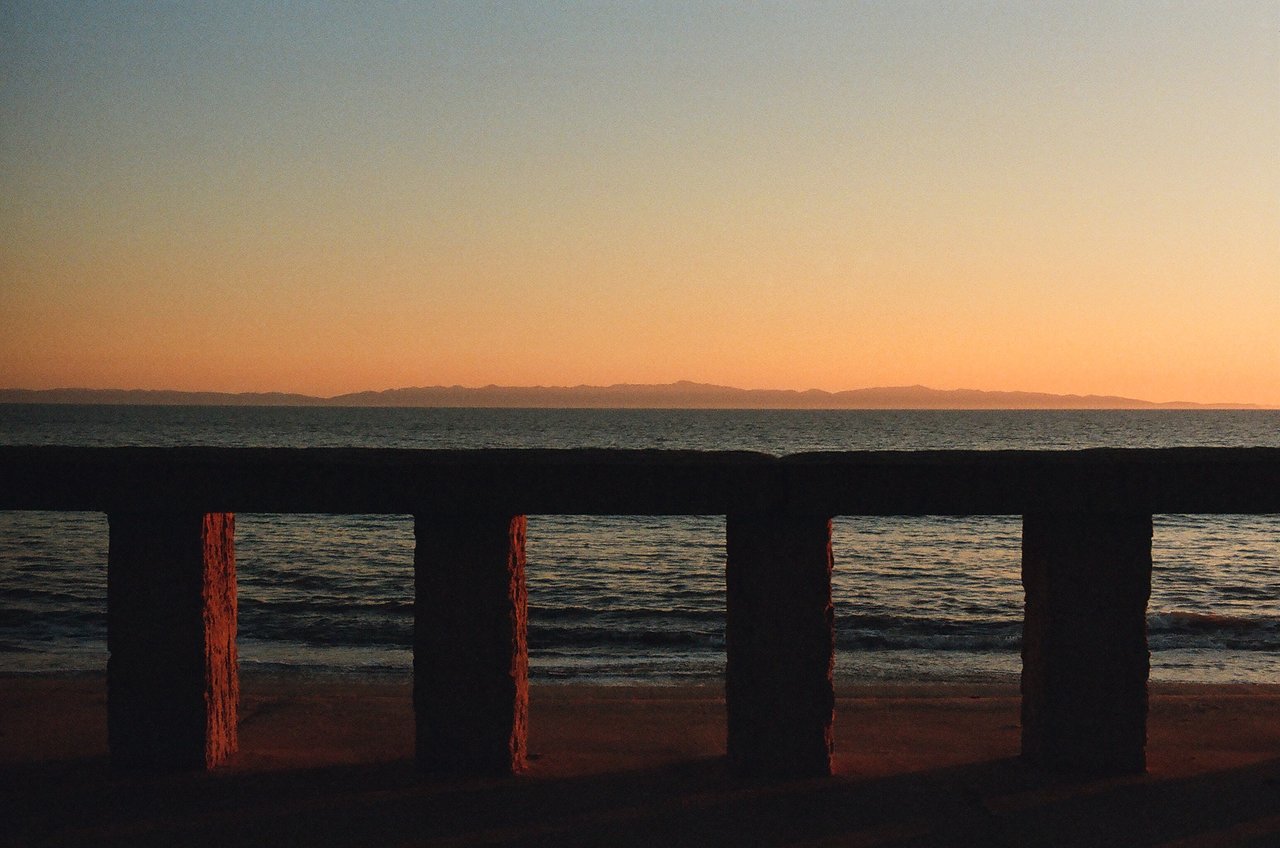
One of Carpinteria’s strongest advantages is how naturally the beach fits into daily life. The city says City Beach, State Beach, and Rincon Beach Park run the length of the community, so access to the coast is not limited to one isolated pocket. You are never far from the water.
Carpinteria State Beach is a major anchor for that lifestyle. California State Parks describes it as offering a mile of beach, terraced bluffs, dune areas, swimming, surf fishing, tidepool exploring, and camping. It is also positioned within minutes of both Santa Barbara and Ventura, which adds flexibility for owners who want a retreat with regional access.
For a second-home buyer, this creates a very specific kind of value. The appeal is not only the beach itself, but how easily it can become part of a normal morning, afternoon, or sunset routine.
The Bluffs Add Another Layer
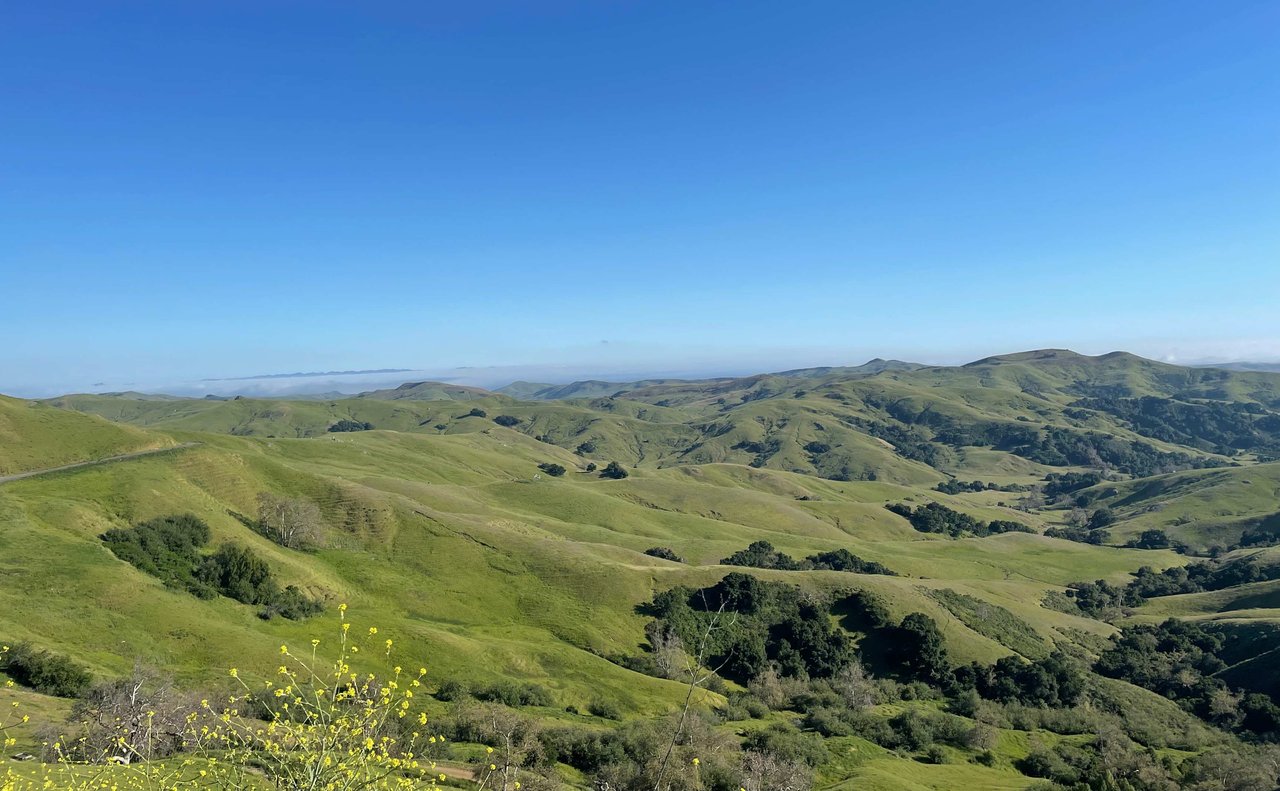
Beach towns can feel similar on paper, but the Carpinteria Bluffs give this community a distinct edge. The preserve spans 52 acres and includes ocean vistas, eucalyptus-lined paths, coastal sage, wildflowers, and views toward Anacapa, Santa Cruz, and Santa Rosa Islands. It is open daily from sunup to sundown for walking, hiking, painting, and bike trail rides.
There is also a low-tide beach above one of the four remaining harbor seal rookeries on the Southern California coast. That detail says a great deal about the area’s character. The setting feels scenic and active, but it also retains a sense of ecological significance and calm.
For buyers looking at a second home through a lifestyle lens, the bluffs broaden what a beach retreat can be. You are not limited to sand and surf. You also have trails, big views, and open space that invite slower, more restorative use of the coast.
Open Space Extends Beyond the Shore
Carpinteria’s appeal is not only oceanfront. The city’s park and open-space system adds more variety to everyday living, which is especially useful if you plan to spend repeated weekends or longer stays here.
Monte Vista Park offers views of the Santa Ynez Mountains. Viola Fields sits along the bluffs with Pacific Ocean and Channel Islands views, while Tar Pits Park has bluff-top views of the Santa Barbara Channel and the Channel Islands Marine Sanctuary. The Carpinteria Salt Marsh Nature Park adds another dimension, with a rare Southern California salt wetland that is home to hundreds of migrating birds.
This mix gives the town depth. A second home in Carpinteria is not just about a beach address. It is also about access to a range of outdoor settings that make the area feel layered, livable, and visually rich.
Downtown Carpinteria Keeps Daily Life Simple
A successful second-home location needs more than scenery. It also needs a practical center where you can settle in quickly, host guests comfortably, and enjoy the town without overplanning every outing.
In Carpinteria, downtown is organized around Linden Avenue and Carpinteria Avenue. The city describes Linden Avenue as the hub of civic and commercial activity and as a main street that connects the town to the beach. Storefronts and a mix of commercial uses support a simple, intuitive day-to-day experience.
The city’s Downtown Design Overlay is intended to preserve the area’s small beach town character. For buyers who care about place-making and long-term feel, that is important. It suggests a local commitment to maintaining the scale and identity that draw people to Carpinteria in the first place.
Why Ease Matters for Part-Time Owners
When you are not using a home full-time, convenience becomes part of the luxury. Carpinteria offers several practical features that can make ownership feel smoother.
The city manages parking in the downtown and beach areas and notes that it is one of only a few California beach communities with free public parking, though supply is limited and carefully managed. That may sound like a small detail, but in coastal towns, parking often shapes how easy it is to enjoy your surroundings or welcome visitors.
The city also supports local mobility through transit service contracts and train-station platform maintenance. Amtrak’s Pacific Surfliner includes a Carpinteria station stop, with service through Santa Barbara, Ventura, and Los Angeles counties. If you are coming from Southern California or planning a low-stress guest arrival, that extra connection can be meaningful.
Carpinteria’s Market Context
For buyers considering a second home, it helps to understand the broader housing backdrop. Census QuickFacts show an owner-occupied housing rate of 61.5 percent in Carpinteria, along with a median value of owner-occupied homes of $1,043,100 and a median gross rent of $2,377 for 2020 through 2024.
These are citywide figures, not a snapshot of every coastal segment or property type. Still, they point to a market with a substantial ownership base and an established residential foundation. That context can be useful if you are comparing Carpinteria with more transient or more heavily resort-oriented coastal locations.
For many buyers, the stronger story here is not flash. It is stability, setting, and quality of life.
Who Carpinteria Appeals To Most
Carpinteria can be especially compelling if you are looking for a coastal retreat that feels understated. Buyers from Los Angeles, the Bay Area, or other urban markets often respond to places that offer a clean change of pace without sacrificing access to dining, walkability, and regional connections.
This town is well suited to that profile. You get a compact coastal footprint, a walkable main street, beach and bluff access, and proximity to Santa Barbara. The result is a second-home setting that feels calm and usable, not performative.
That is often the difference between a home you visit occasionally and one you genuinely weave into your life.
What To Look For In A Second Home
As you explore Carpinteria, it helps to evaluate properties through the lens of actual use. A beautiful home is only part of the equation. The surrounding experience matters just as much.
Consider these questions as you narrow your search:
- How close do you want to be to the beach, bluffs, or downtown core?
- Do you want a home that supports easy weekend arrivals and departures?
- How important is walkability for coffee, dining, and casual errands?
- Would you prefer a setting tied more closely to open space and views?
- How will you use the home when hosting friends or family?
In a market like Carpinteria, the best fit often comes down to lifestyle precision. The goal is not simply to buy near the coast. It is to choose the version of coastal living that feels right for you.
A More Considered Coastal Retreat
Carpinteria offers something increasingly rare on the California coast: a beach town that still feels scaled to everyday enjoyment. Its shoreline, bluffs, open space, and village center create a second-home environment that is easy to return to and easy to share.
If you are searching for a retreat that balances beauty with simplicity, Carpinteria is worth serious attention. And if you want guidance with a nuanced coastal search in Santa Barbara County, Eric Haskell Group can help you approach the market with local insight and a highly tailored perspective.
FAQs
Why is Carpinteria popular for second homes?
- Carpinteria offers a compact coastal setting, beaches that run through the community, open-space amenities like the Carpinteria Bluffs, a walkable downtown, and close proximity to Santa Barbara.
What beaches are in Carpinteria?
- The city says City Beach, State Beach, and Rincon Beach Park run the length of the community, and Carpinteria State Beach offers a mile of beach along with bluffs, dune areas, swimming, surf fishing, tidepools, and camping.
What makes Carpinteria different from a larger beach town?
- Carpinteria is defined by its small town charm, compact footprint, and downtown focus on preserving a small beach town character, which supports a quieter and more village-like atmosphere.
Is Carpinteria easy to navigate for part-time owners?
- Carpinteria offers practical advantages for part-time use, including a downtown and beach parking system with free public parking, limited and managed supply, local transit support, and an Amtrak Pacific Surfliner stop.
What is the housing market context in Carpinteria?
- Census QuickFacts report a 61.5 percent owner-occupied housing rate, a median owner-occupied home value of $1,043,100, and a median gross rent of $2,377 for 2020 through 2024, reflecting an established residential market.