Venice rarely reads like a single neighborhood. Instead, it unfolds as a series of distinct residential pockets, historic pathways, and architect-driven homes set against one of Los Angeles’ most public stretches of coastline. If you are drawn to design, lifestyle, and place in equal measure, Venice offers a rare mix of all three. This guide will help you understand how the area’s architectural homes and creative enclaves fit together, and why that layered identity continues to shape buyer interest. Let’s dive in.
Venice Has a Layered Design Identity
Venice began in 1905 as Abbot Kinney’s beachfront resort town, with canals and amusement attractions shaping its early identity. It was renamed Venice in 1911 and annexed to Los Angeles in 1925. Today, city sources describe it as a mixed residential and commercial coastal neighborhood with roughly 37,000 residents.
That civic history still matters when you look at the housing stock. Venice is not defined by one dominant residential pattern or one architectural style. Its appeal comes from the overlap of beachfront living, pedestrian-oriented residential fabric, and a long-running design culture.
The public side of Venice is also unusually visible. Venice Beach is described by Los Angeles Recreation and Parks as the busiest city-operated facility, drawing about 28,000 to 30,000 daily visitors and more than 10 million annual visitors. Ocean Front Walk, the boardwalk that stretches more than two miles, concentrates much of that energy through beach activity, vendors, performers, and public gathering spaces.
Architectural Venice Is Really a Series of Enclaves
One of the most useful ways to understand Venice is to think in terms of micro-enclaves. SurveyLA identified three residential historic districts in Venice, including two centered on walk streets and one centered on canals, along with a distinct cluster of residential beach cottages. That framework helps explain why moving just a few blocks can change the feel of the built environment so dramatically.
For buyers, that means home searches in Venice often become highly specific. You may be drawn to pedestrian pathways, canal frontage, beachfront architecture, or a tucked-away street with strong historic character. For sellers, it means the story of a property often depends as much on its enclave as on square footage or finish level.
Venice Canals Offer Historic Character
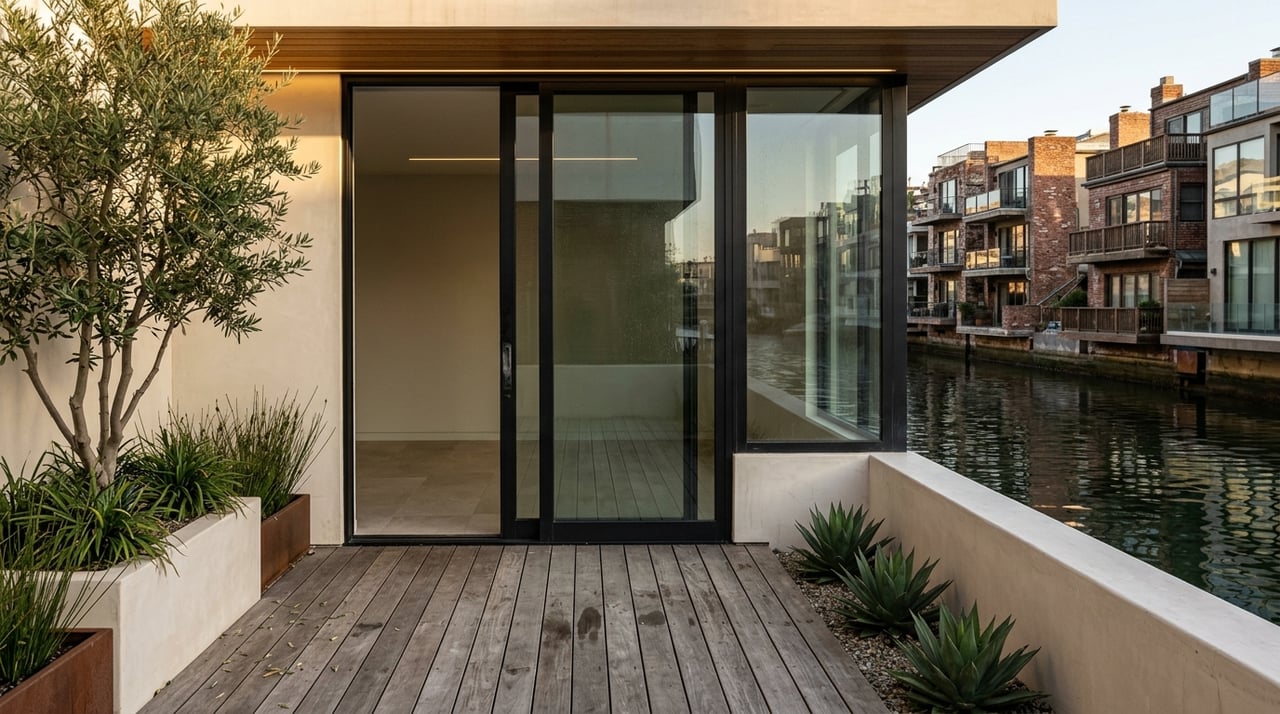
The Venice Canals remain the clearest surviving piece of Kinney’s original plan. According to the Venice Local Coastal Program, the six canals, along with their sidewalks and bridges, are listed on the National Register of Historic Places and are designated City Historic-Cultural Monument No. 270.
SurveyLA found that the Lost Venice Canals Historic District contains 449 properties, most of them single-family homes from the 1910s and 1920s. Lots are generally modest, and Craftsman houses are common. The district also includes the traffic circle at Main, Grand, and Windward, where a lagoon once sat.
For many people, the canals represent a very specific version of Venice living. You get water, footbridges, and an intimate residential rhythm that feels distinct from the larger city around it. That setting is part of the value proposition, especially for buyers who want a home with both architectural context and a recognizable sense of place.
Walk Streets Create a Different Residential Experience
Venice’s walk streets offer another defining housing pattern. These are pedestrian rights-of-way rather than conventional car-centered blocks, and they shape how homes relate to one another and to the street.
SurveyLA identifies the North Venice Walk Streets Historic District with 448 properties, largely one- and two-story homes built from 1900 through the 1920s. Styles there include Craftsman and Victorian vernacular. The Milwood Venice Walk Streets Historic District includes 471 properties and is noted for narrow concrete sidewalks, mature vegetation, front-yard walls and fences, and a strong concentration of Craftsman, Period Revival, and vernacular homes.
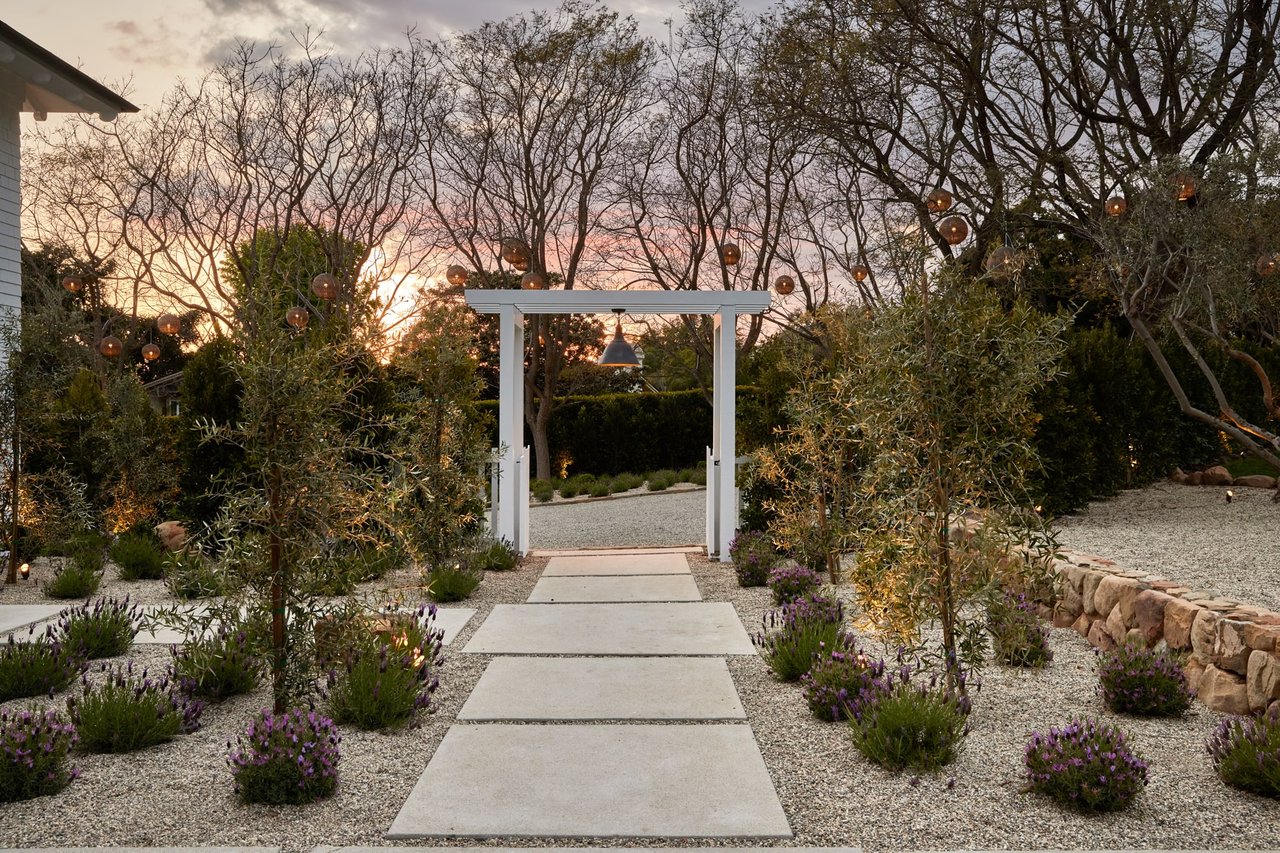
From a lifestyle standpoint, walk streets tend to create a softer edge between private home life and the public realm. You notice landscaping, pathways, front gardens, and the slower pace of foot traffic. In a neighborhood known for movement and visibility, that pedestrian fabric can feel especially compelling.
Ocean Front Walk Blends Exposure and Design
Along the beach edge, Venice presents yet another architectural story. SurveyLA records early apartment houses and original beach cottages along Ocean Front Walk, showing that the beachfront has long supported a mix of residential forms.
The Los Angeles Conservancy also points to highly visible single-family homes along this corridor, including the Norton Residence. Homes here often carry a different kind of presence. They are part of the daily visual experience of Venice, seen not just by neighbors but by the large number of people moving through the shoreline area.
That level of exposure is not for everyone, but for the right buyer it is part of the appeal. Beachfront homes in Venice often sit at the intersection of architecture, public identity, and coastal lifestyle in a way few Los Angeles neighborhoods can match.
Architect-Designed Homes Deepen Venice’s Appeal
Venice has long attracted creative residents, and that influence shows up clearly in its architect-designed homes and compounds. The Los Angeles Conservancy’s Venice modern architecture survey notes that Frank Gehry shared studio space near the beach with artist Charles Arnoldi in the 1970s, reflecting the neighborhood’s deep connection to creative practice.
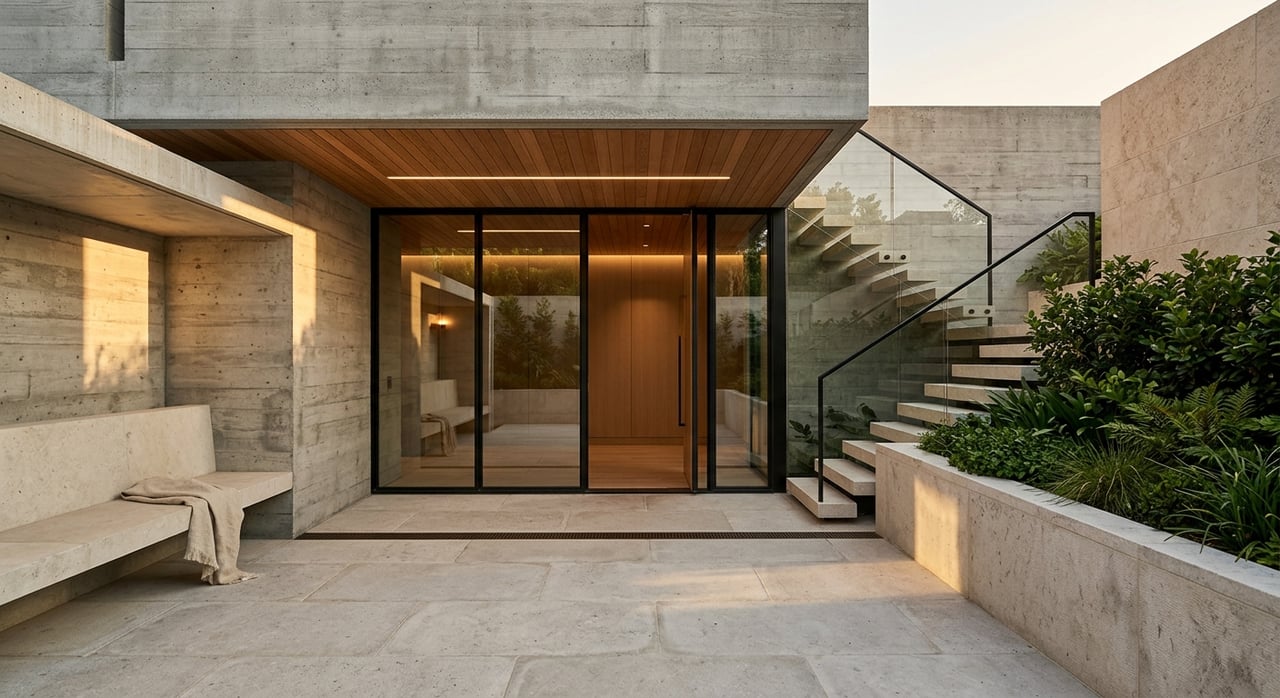
Several standout residences help illustrate that design legacy. The Norton Residence at 2509 Ocean Front Walk, designed by Frank Gehry in 1984, is associated with Deconstructivist architecture. The Caplin House on San Juan Avenue, designed by Frederick Fisher in 1979, uses a wave-like form that nods to Venice’s surf culture.
The Hopper Residence on Indiana Avenue adds another layer to that story. It is a five-parcel compound that includes three Frank Gehry condominiums and a guest cottage. Together, examples like these show that Venice is not only historic, but also deeply engaged with architectural experimentation.
SurveyLA reinforces that broader point by identifying a wide range of styles in Venice, including Craftsman, Shingle, Prairie, Streamline, Late Modern, and Post Modern. For design-minded buyers, that range is part of what makes Venice so enduring. The neighborhood supports both preservation-minded interest and appreciation for bold architectural authorship.
Creative Corridors Shape Daily Life
Architecture in Venice does not stop at the front door. The neighborhood’s creative identity is also shaped by its commercial corridors and public spaces, which influence how daily life feels from block to block.
Abbot Kinney Boulevard is the best-known design and retail corridor in Venice. Discover Los Angeles notes that the street was renamed in 1990 for Abbot Kinney and now serves as both a visitor draw and a local gathering place, with shops focused on artwork, furniture, jewelry, clothing, galleries, restaurants, wine shops, and nightlife.
SurveyLA adds an important architectural detail. Early residences along the boulevard were converted into retail shops and restaurants, giving the corridor a built character that reflects adaptation as much as new development. That layering helps explain why the street feels curated but still rooted in neighborhood history.
The Windward-Pacific commercial district tells a related story. SurveyLA identifies it as Venice’s original commercial core, centered around Windward and Pacific, with 13 properties, seven surviving arcade buildings, and original structures designed in an interpretation of the Mediterranean Revival style.
Public Access and Preservation Matter in Venice
In Venice, private property and public access exist in close conversation. The Venice Local Coastal Program says public shoreline access is provided through local streets, walk streets, pedestrian walkways, paths, and bikeways. That means circulation patterns are part of the neighborhood’s identity, not just a planning detail.
The same planning framework also emphasizes historic and cultural resource protection. The Local Coastal Program directs the city to identify, protect, and restore those resources, and it states that designated historic districts and monuments may be subject to special regulations governing demolition or alteration.
That matters if you are evaluating a home with historic context or considering future changes. It is also useful to know that the Venice Survey 2021 FAQ clarifies that survey findings do not automatically create an HPOZ. Surveys and formal designations are separate processes, which is an important distinction when assessing a property’s planning context.
What the Market Says About Venice Homes
Recent neighborhood-level market trackers place Venice in the high seven-figure range, though figures vary by methodology and timing. Zillow’s updated May 31, 2026 page listed average home value at $1,848,346, with homes pending in around 33 days.
Redfin’s May 2026 snapshot reported a median sale price of $1,951,594, about 47 days on market, and described the market as somewhat competitive. Read together, those figures are most useful as a range rather than a single exact benchmark.
For buyers and sellers alike, that reinforces an important point. In Venice, price is often tied to a property’s niche appeal, architectural significance, location within a specific enclave, and how clearly that story is presented to the market.
Why Storytelling Matters for Venice Properties
A Venice home is often more than a set of finishes or a lot size. It may belong to a canal district, a walk street pattern, a beachfront row, or a design lineage that gives it meaning beyond standard inventory categories.
That is why presentation matters so much here. Homes with architectural pedigree or distinctive placement tend to benefit from thoughtful positioning that explains not only what the property is, but why it matters within Venice itself.
For sellers, that can mean framing a home through design history, residential context, and lifestyle rhythm. For buyers, it means looking past surface trends and understanding how a property fits into the neighborhood’s larger cultural and architectural map.
If you are considering buying or selling in Venice, a clear understanding of these enclaves can help you make more confident decisions. For tailored guidance on architecturally significant coastal homes and thoughtful market positioning, connect with Eric Haskell Group.
FAQs
What makes Venice architecture different from other Los Angeles neighborhoods?
- Venice stands out for its mix of canals, walk streets, beach cottages, early apartment houses, and architect-designed homes, rather than one single housing type or style.
What are the main historic residential areas in Venice?
- SurveyLA identified the Lost Venice Canals Historic District, the North Venice Walk Streets Historic District, and the Milwood Venice Walk Streets Historic District, plus a notable cluster of residential beach cottages.
What should you know about buying a home in the Venice Canals?
- The canal area is a historic district with six canals, sidewalks, and bridges recognized as historic resources, and designated properties may be subject to special regulations affecting demolition or alteration.
What is special about Venice walk streets for homebuyers?
- Venice walk streets are pedestrian-oriented rights-of-way that create a distinct residential feel shaped by pathways, landscaping, and close neighborhood-scale design.
How expensive are homes in Venice, Los Angeles?
- Recent 2026 neighborhood-level trackers placed Venice in roughly the high seven-figure range, with Zillow reporting average home value at $1,848,346 and Redfin reporting a median sale price of $1,951,594.
Why do architect-designed homes matter in Venice real estate?
- Architect-designed homes add depth to Venice’s identity, reflecting the neighborhood’s long connection to creative culture and its wide range of styles from Craftsman to Post Modern.