Craving the beach lifestyle without the boardwalk crowds? On the Venice Walk Streets, you step out your front gate onto a quiet pedestrian path, hear the ocean in the distance, and trade car traffic for neighborly hellos. If you love design, history, and being on foot, this pocket of Venice offers a rare mix of charm and calm. In this guide, you’ll learn how the Walk Streets began, what the homes are like, how daily life works on a car‑free corridor, and the practical checks you should make before you buy. Let’s dive in.
What are the Venice Walk Streets?
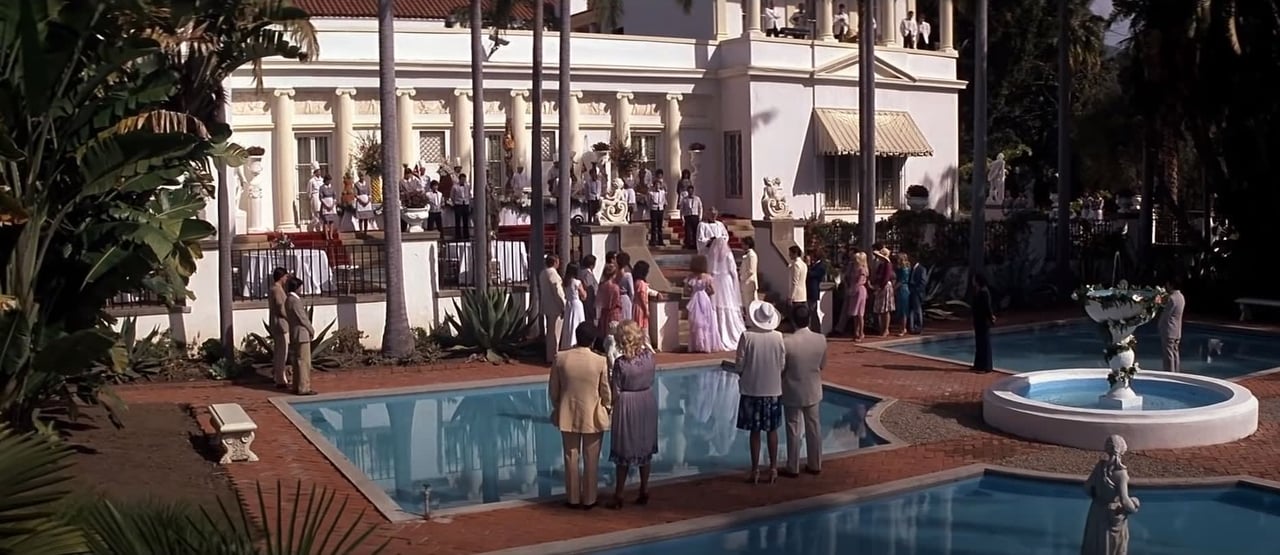
Venice began as a seaside resort in the early 1900s, envisioned by developer Abbot Kinney with promenades, canals, and intimate pedestrian passages. The Walk Streets grew out of that plan and today thread between interior blocks parallel to the ocean. They feel distinctly quieter and greener than the busy Ocean Front Walk and the main commercial corridors.
For deeper context on this history and architecture, explore the resources from the Los Angeles Conservancy and the Venice Historical Society. The Venice Neighborhood Council also shares local guidance on community issues and planning.
Architecture and lots at a glance
Classic bungalows and cottages
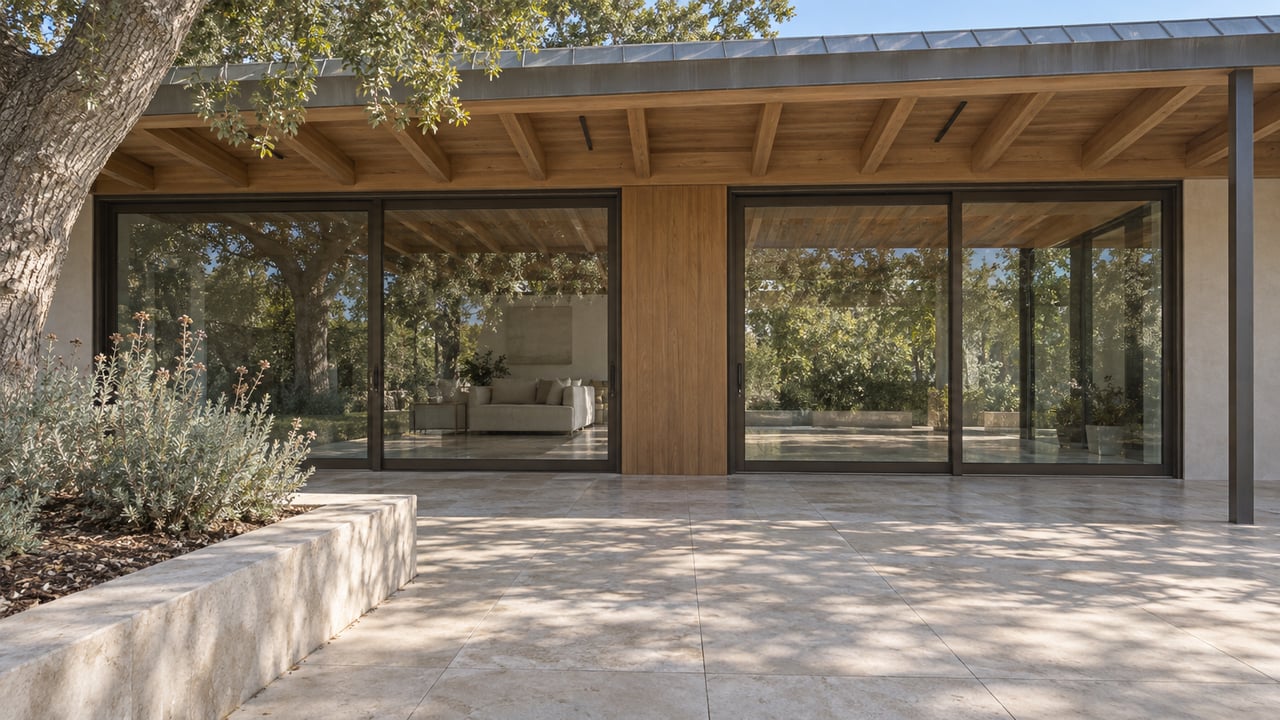
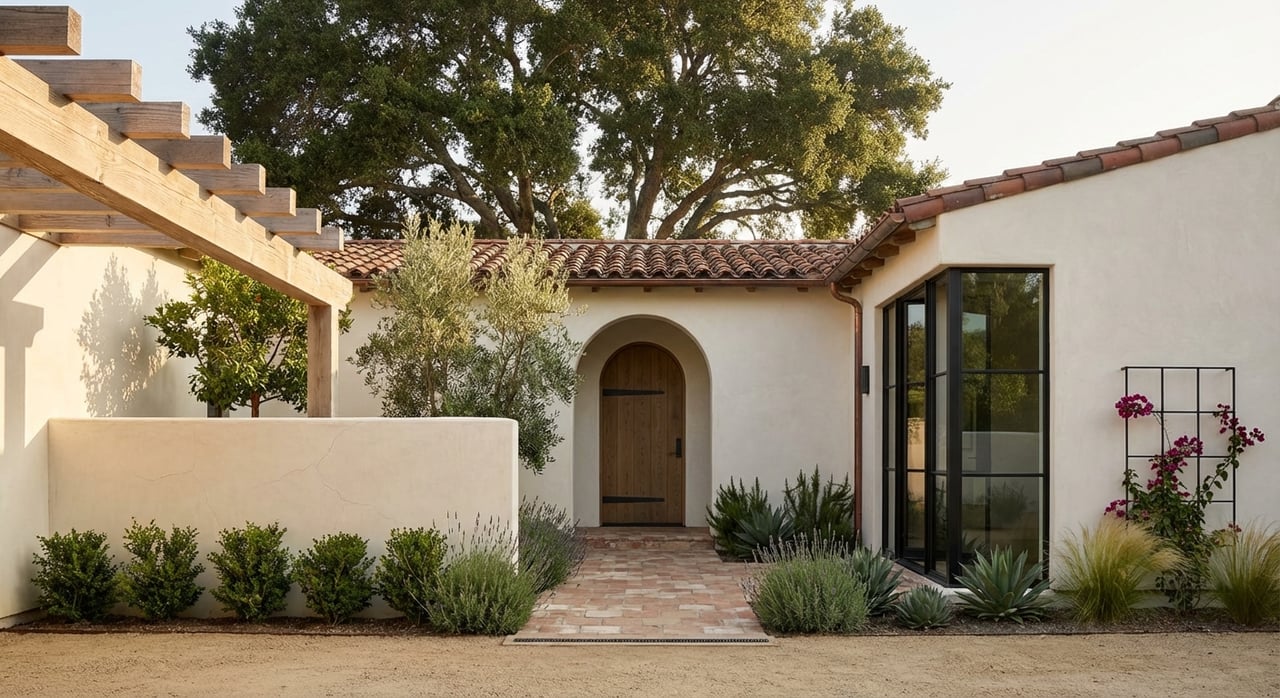
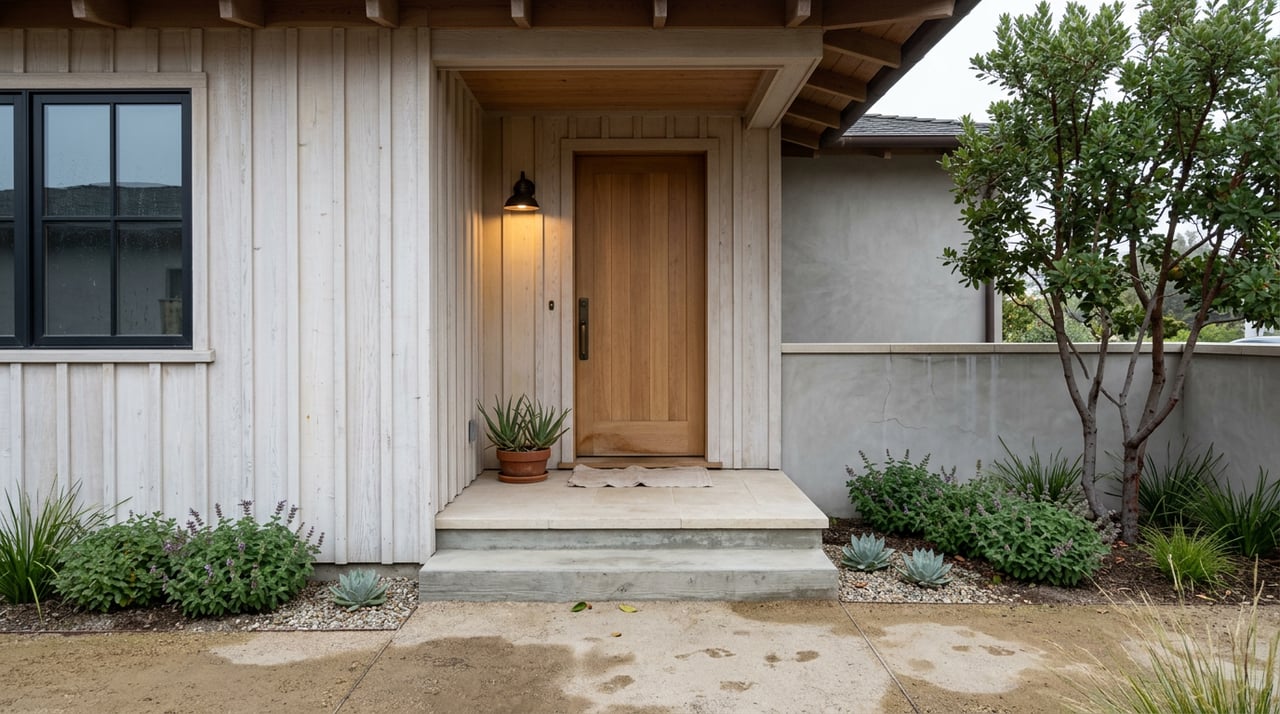
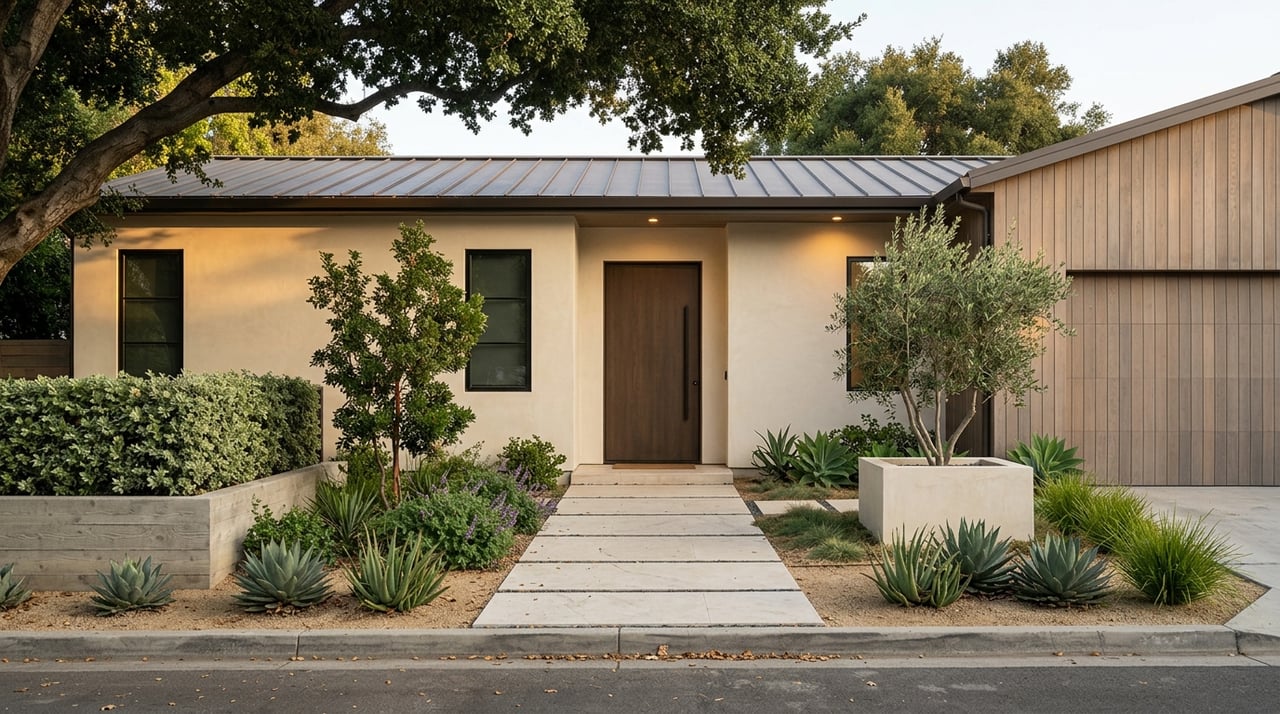
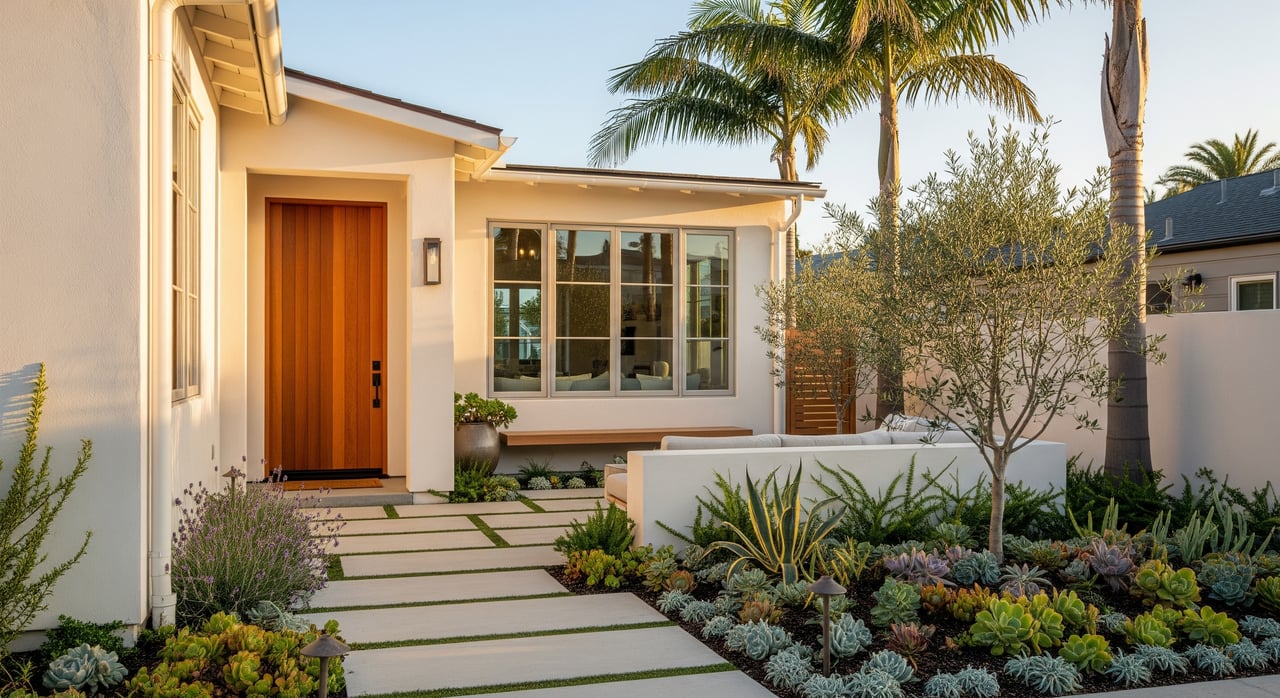
Many Walk Street homes began as Craftsman or California bungalows. You’ll see low rooflines, wood siding, and front porches that sit close to the path. There are also beach cottages with relaxed, coastal details and compact footprints that favor easy indoor–outdoor flow.
Modern remodels and infill
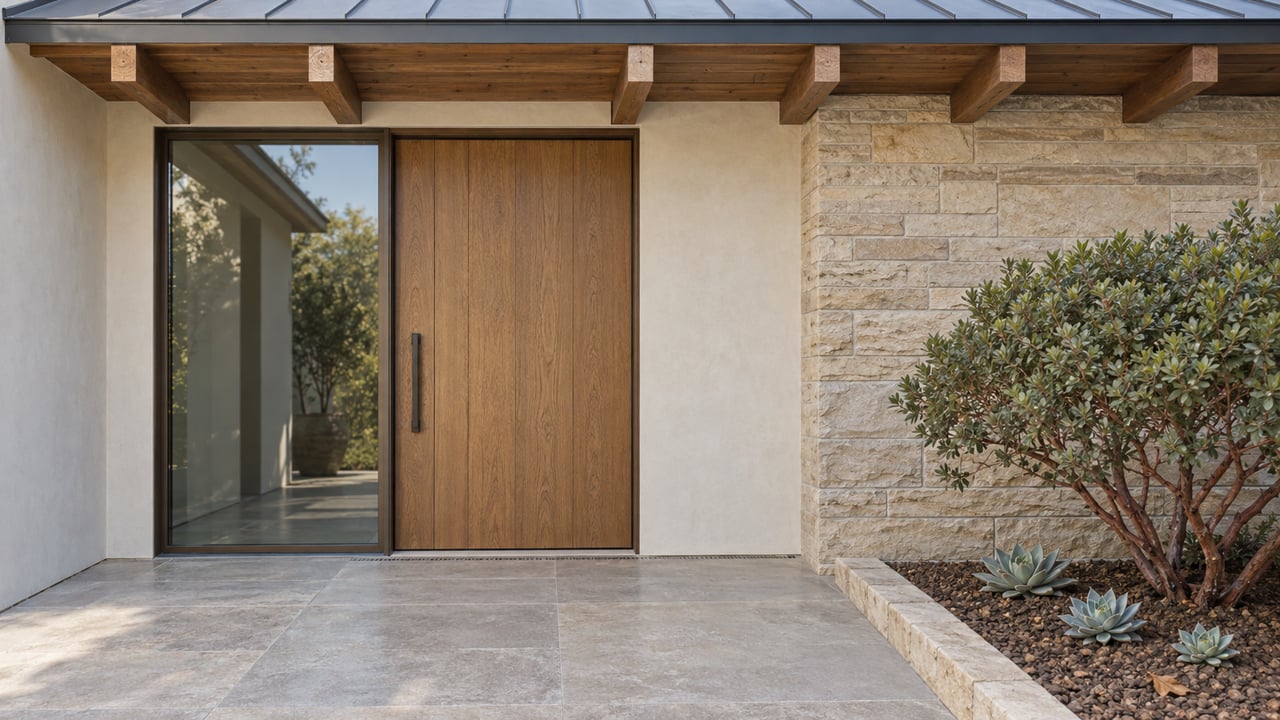
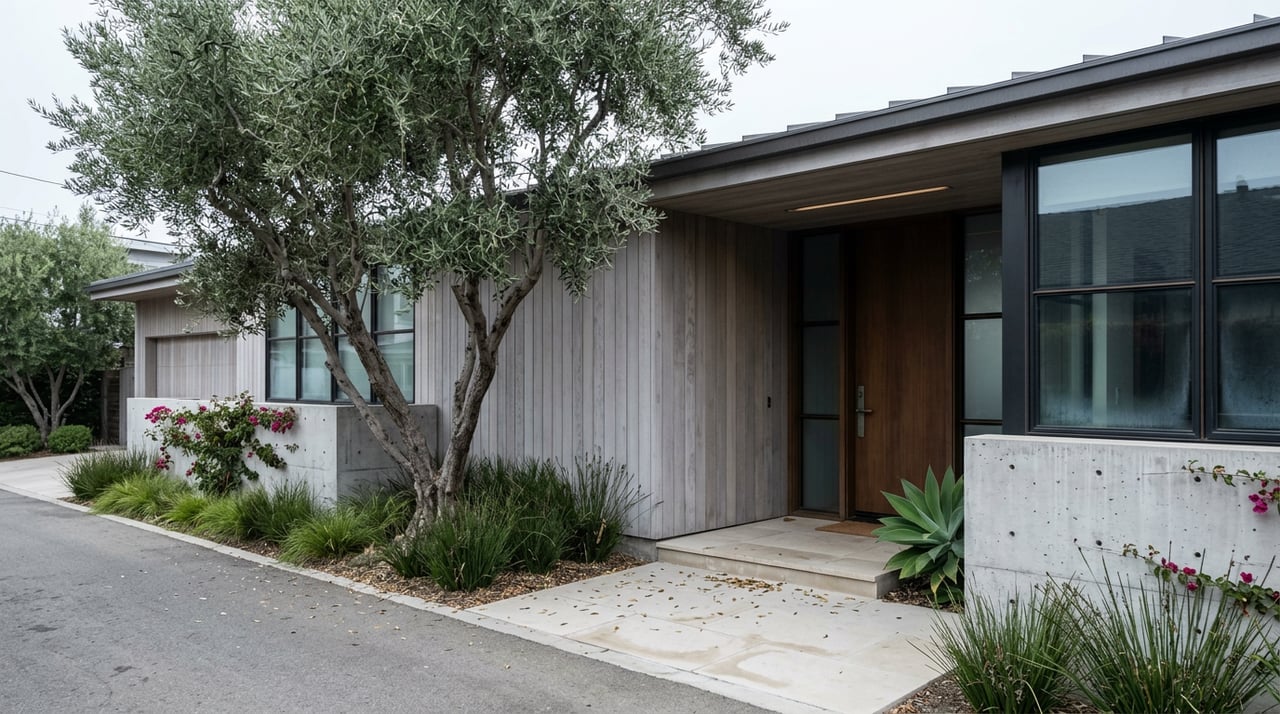
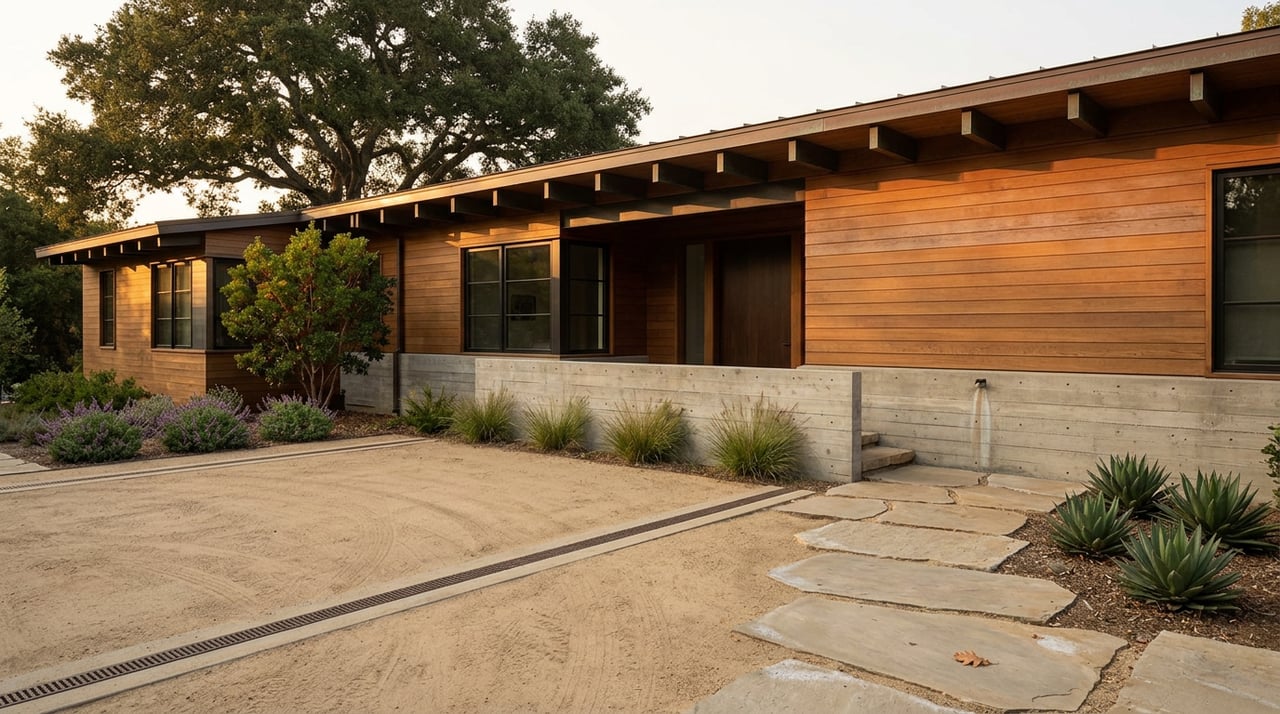
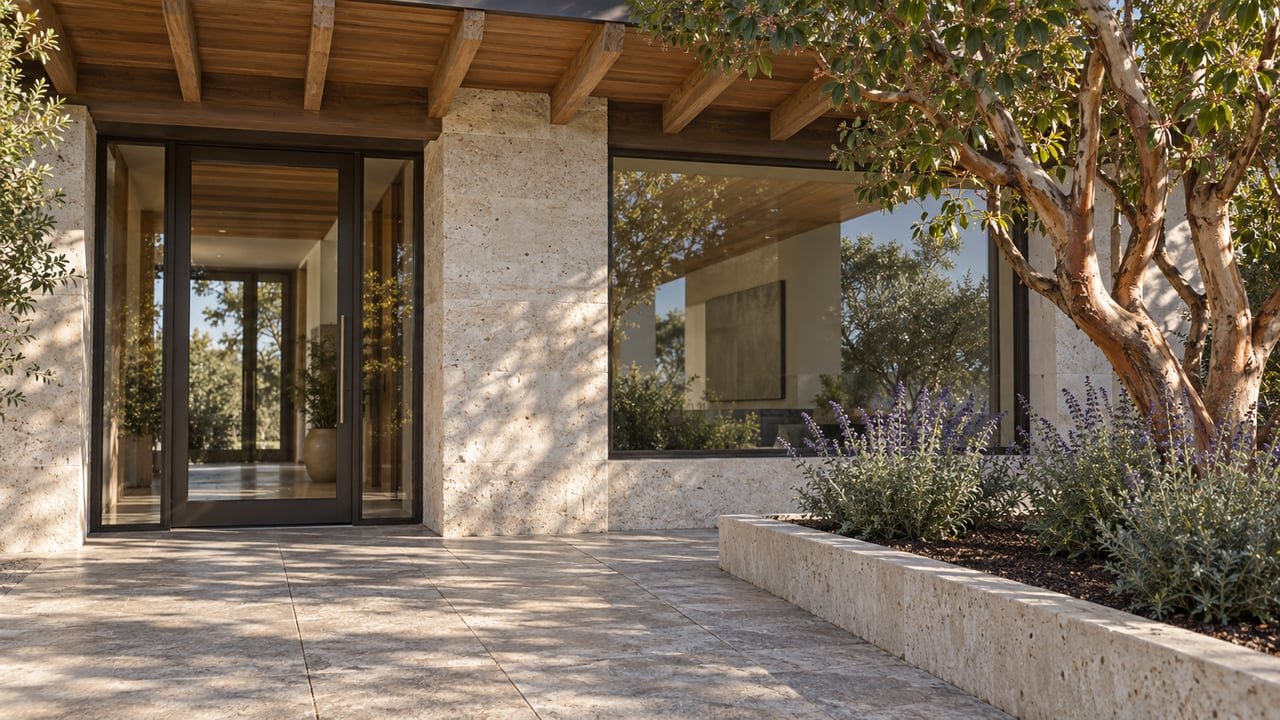
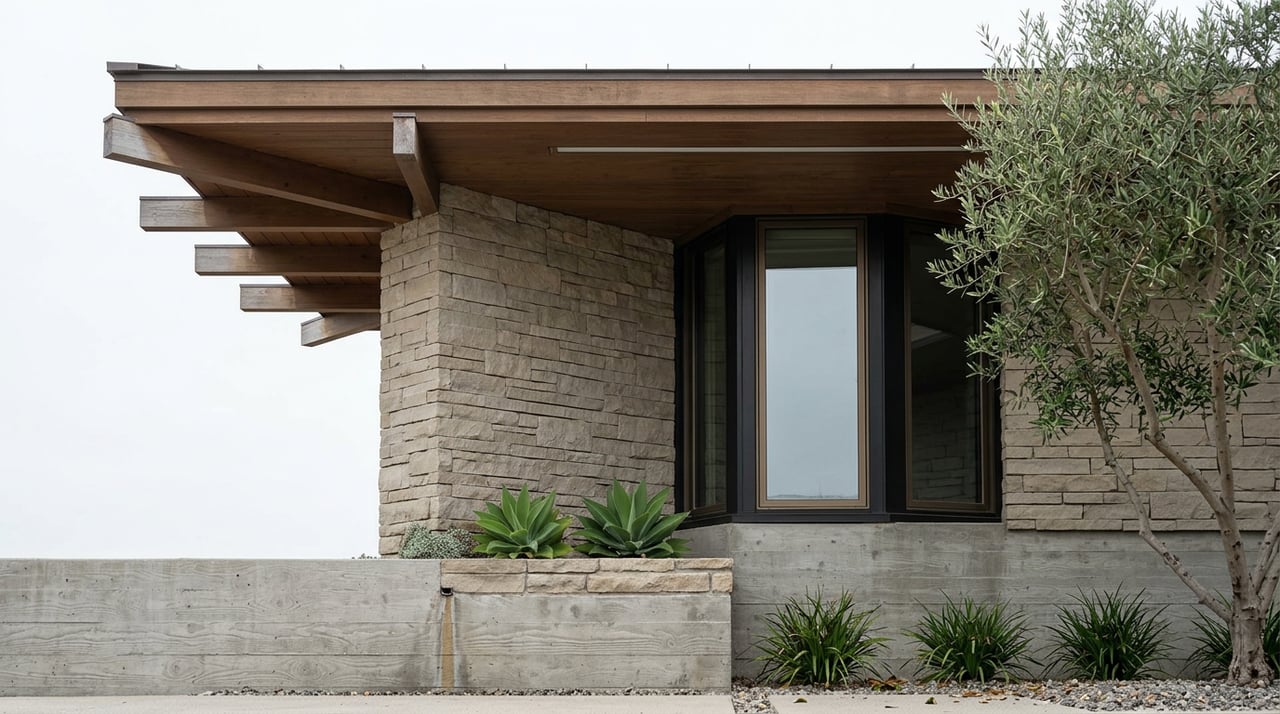
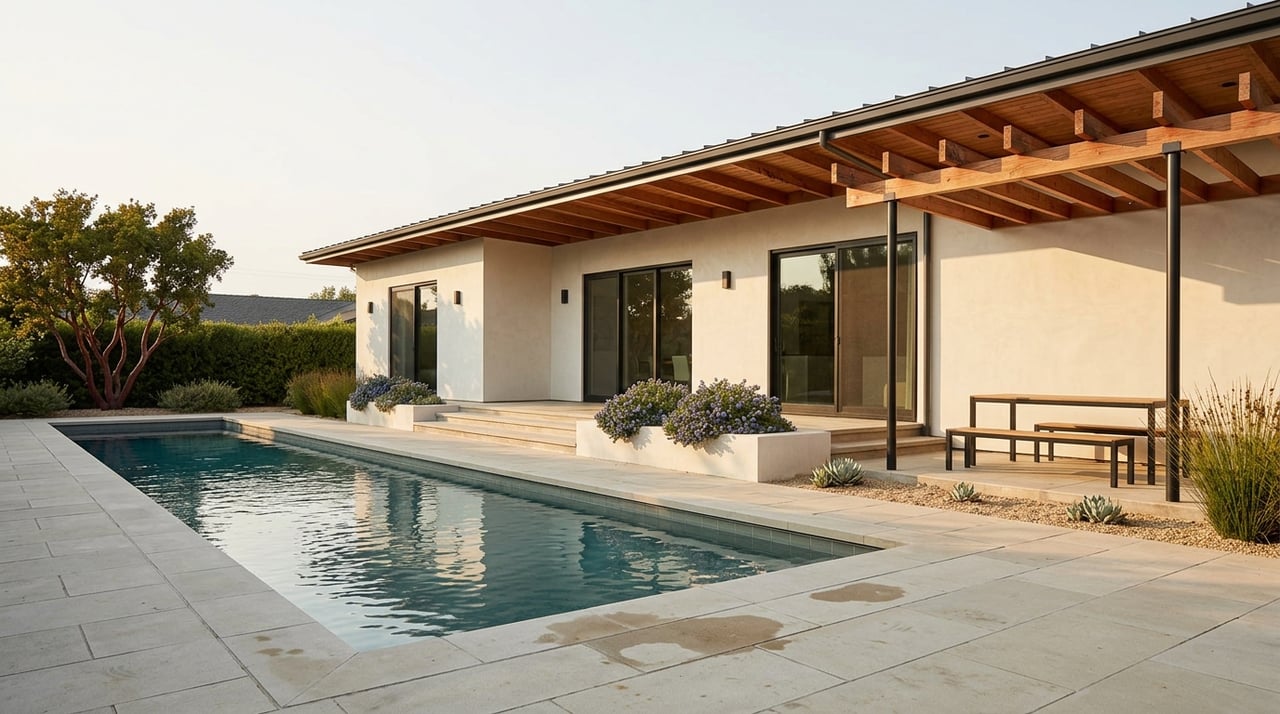
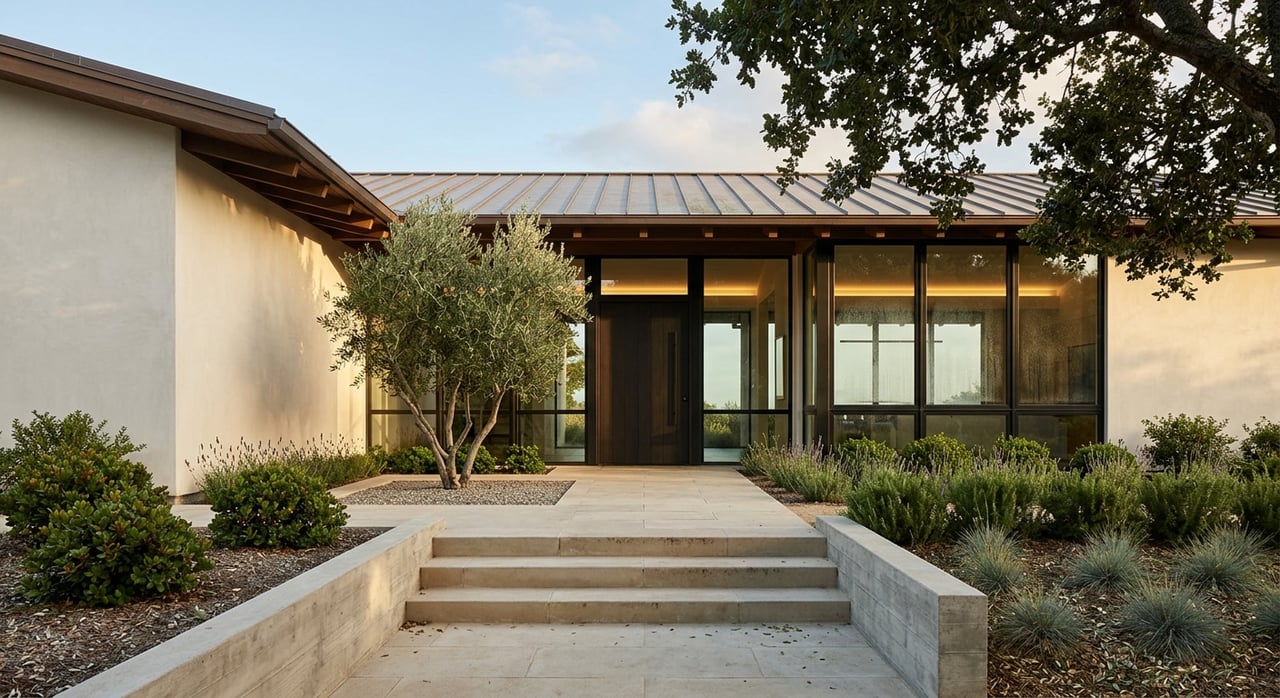
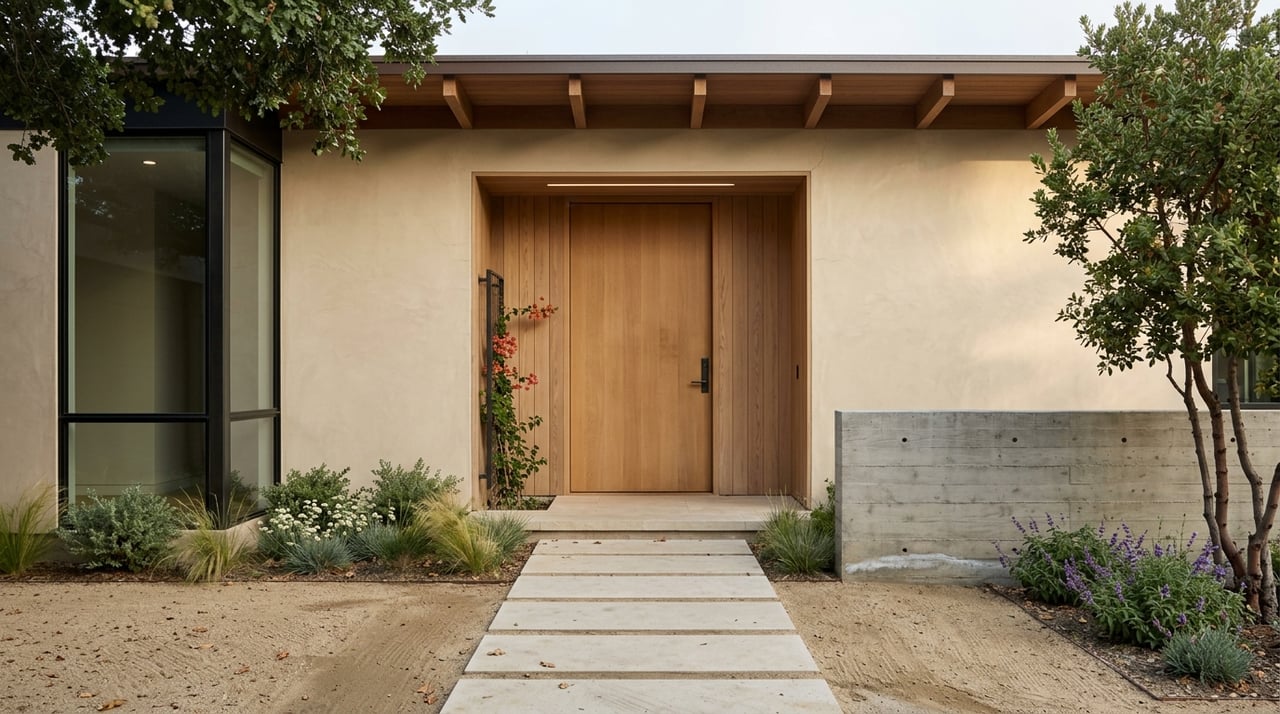
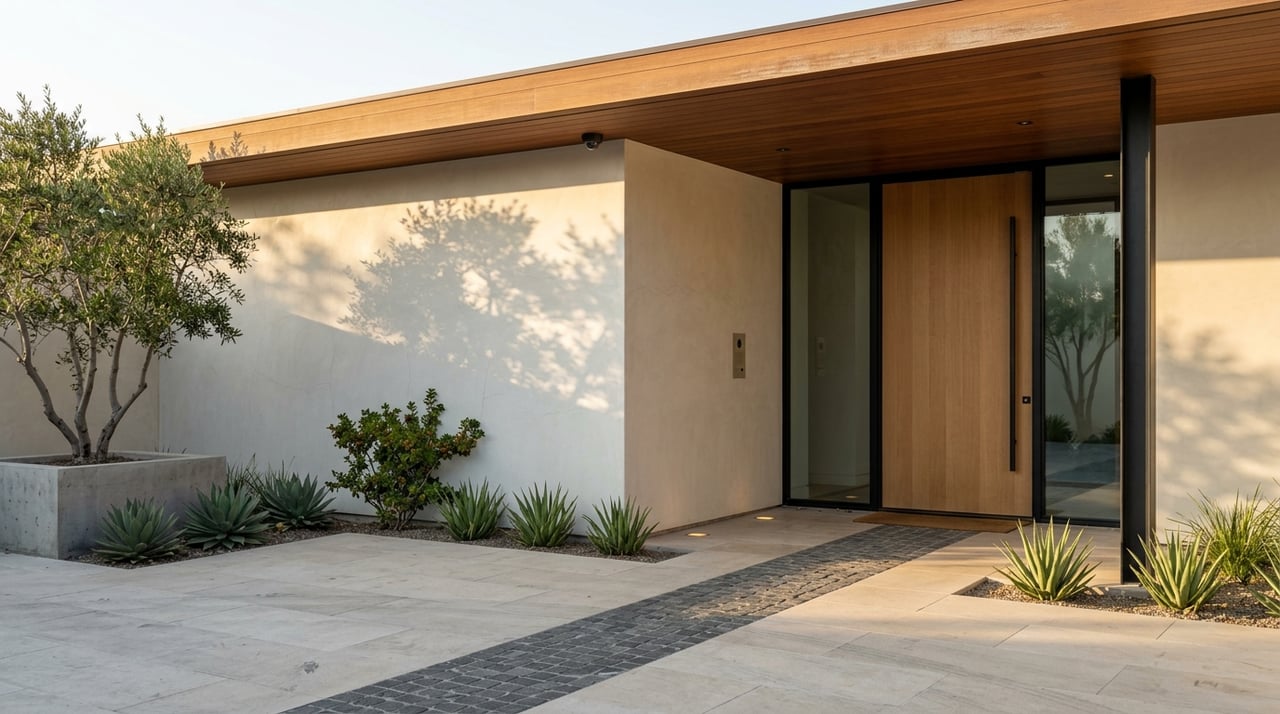
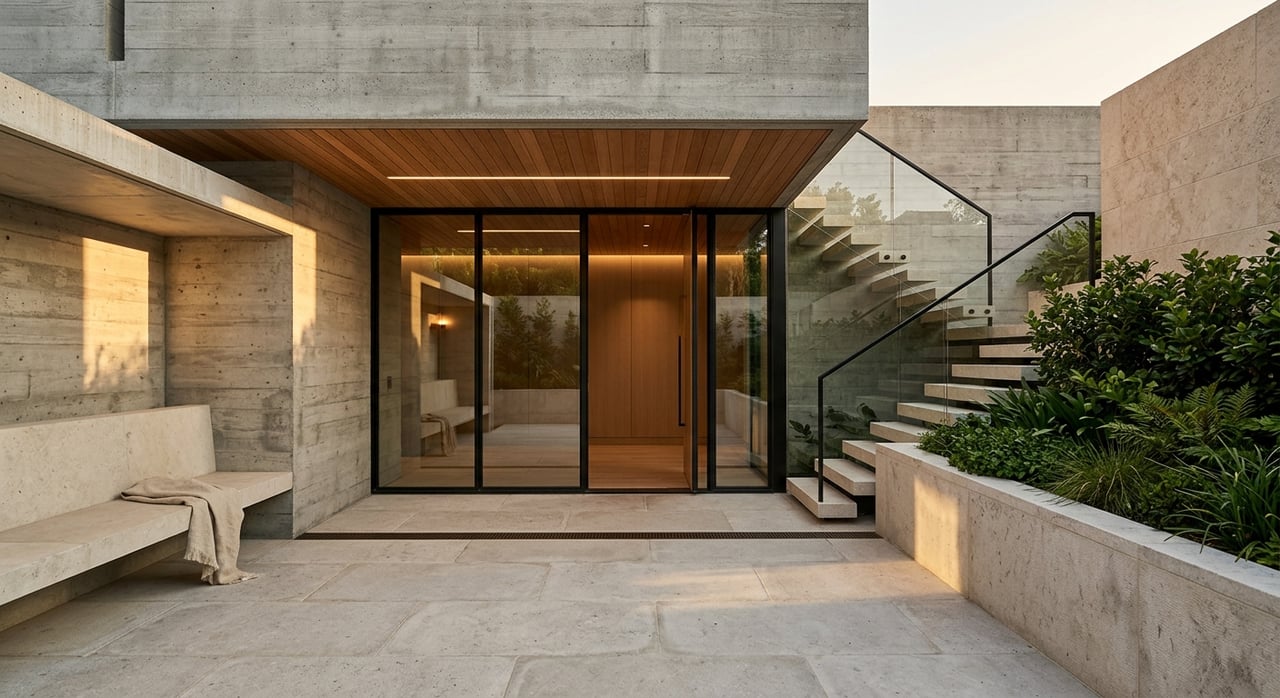
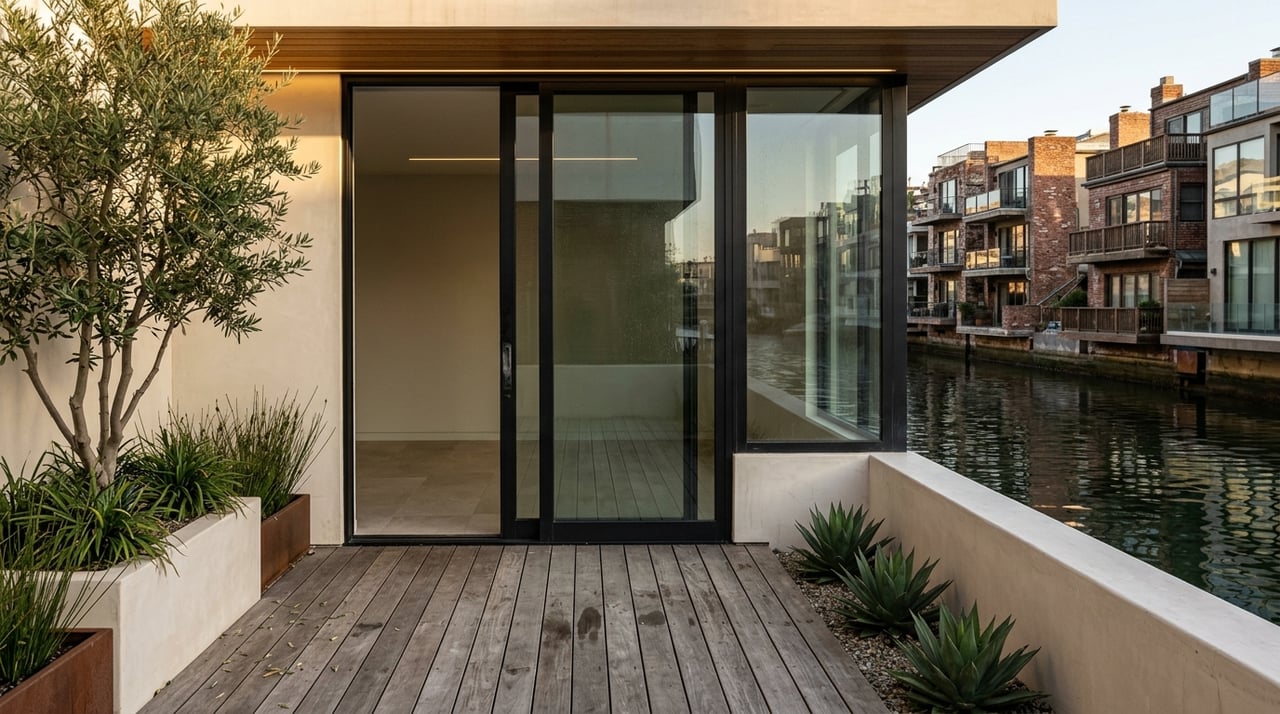
Over time, owners have renovated or rebuilt on some lots with mid‑century updates and later modern designs. You’ll find multi‑level homes, thoughtful glazing for light and privacy, and high‑end finishes that respect the neighborhood scale. Properties with careful landscape design and mature trees tend to stand out.
Lot size and outdoor space
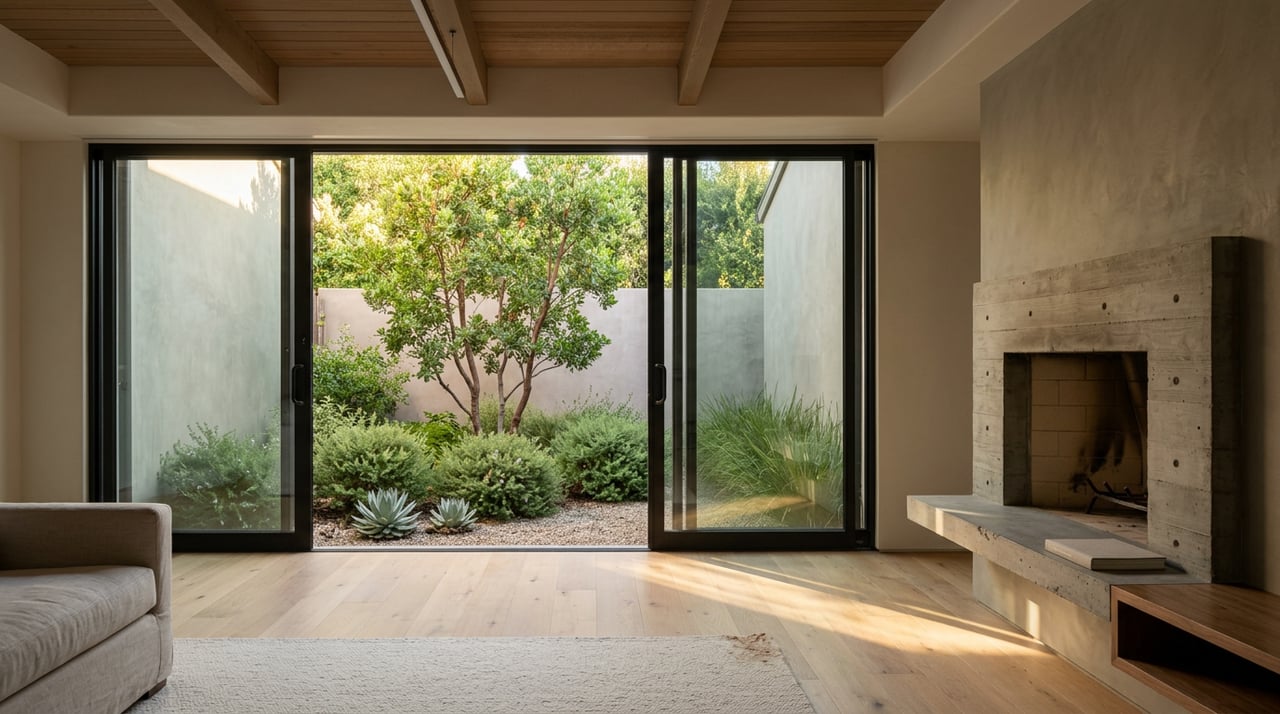
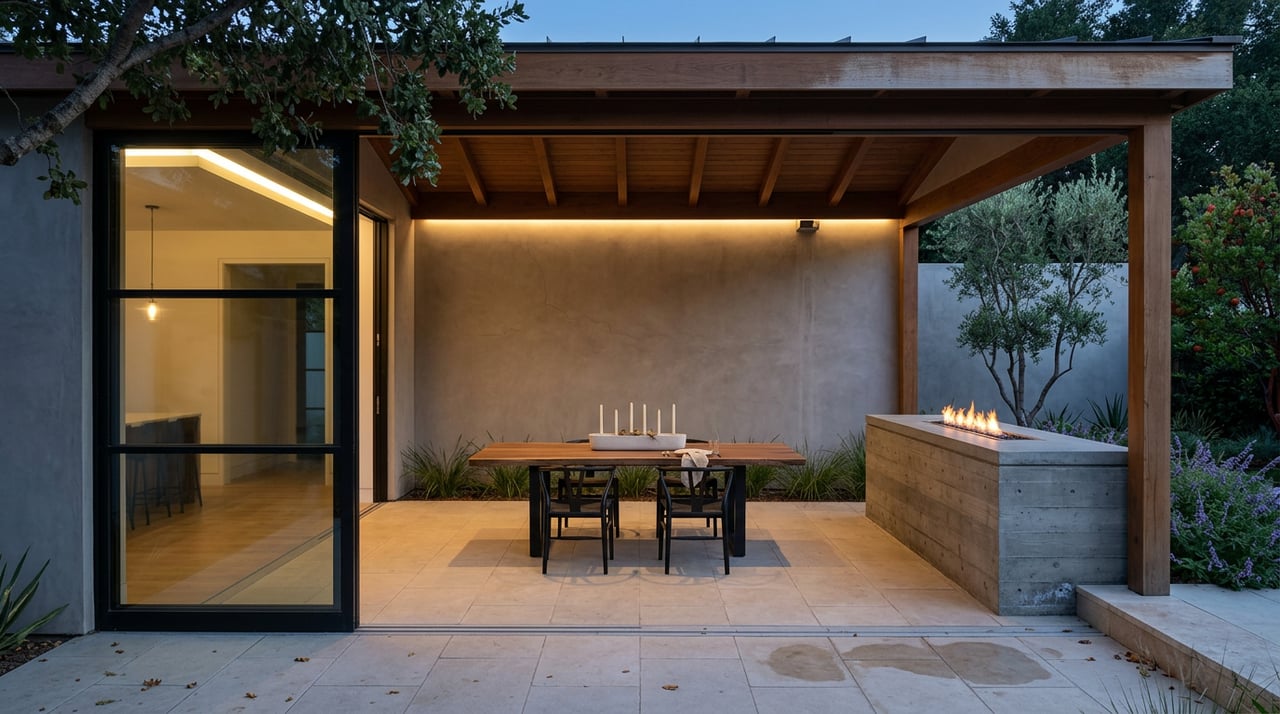
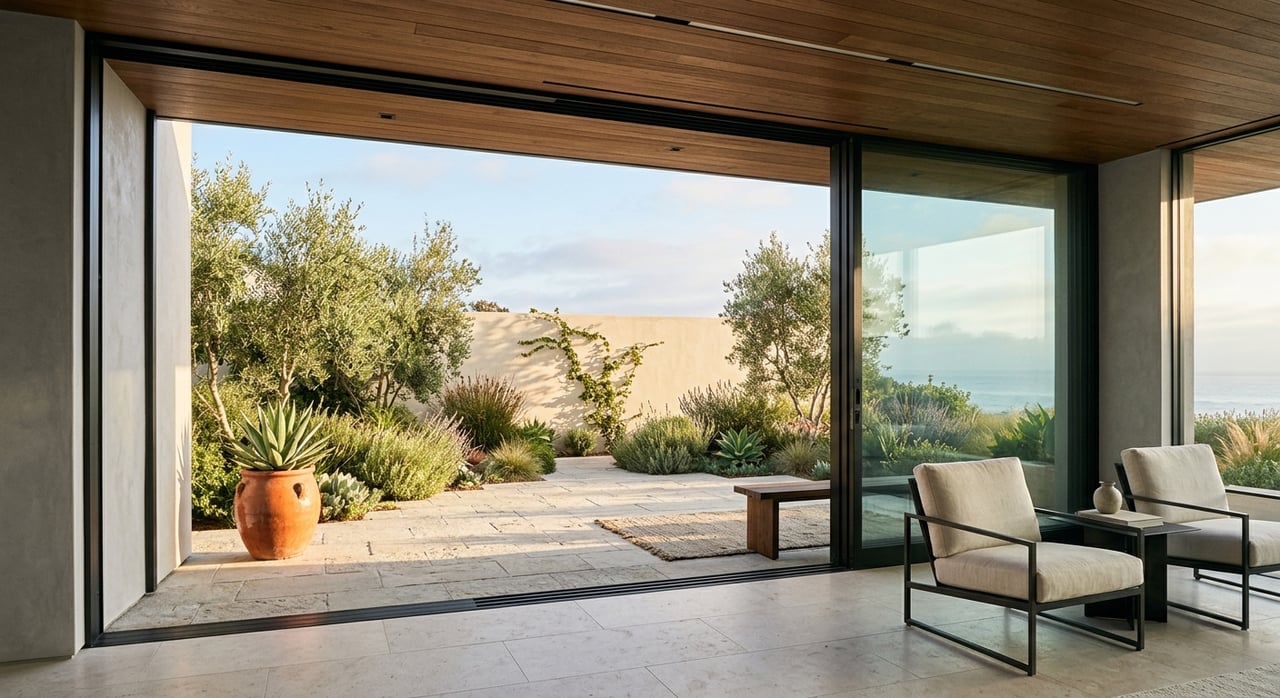
Lots are often narrow and shallow compared to inland suburbs. Setbacks are tight, so many homes trade big yards for courtyards, decks, or roof terraces. Private garages are less common on interior Walk Streets and, where present, are frequently tucked at the rear or converted to studios, depending on permits.
Interiors and upgrades
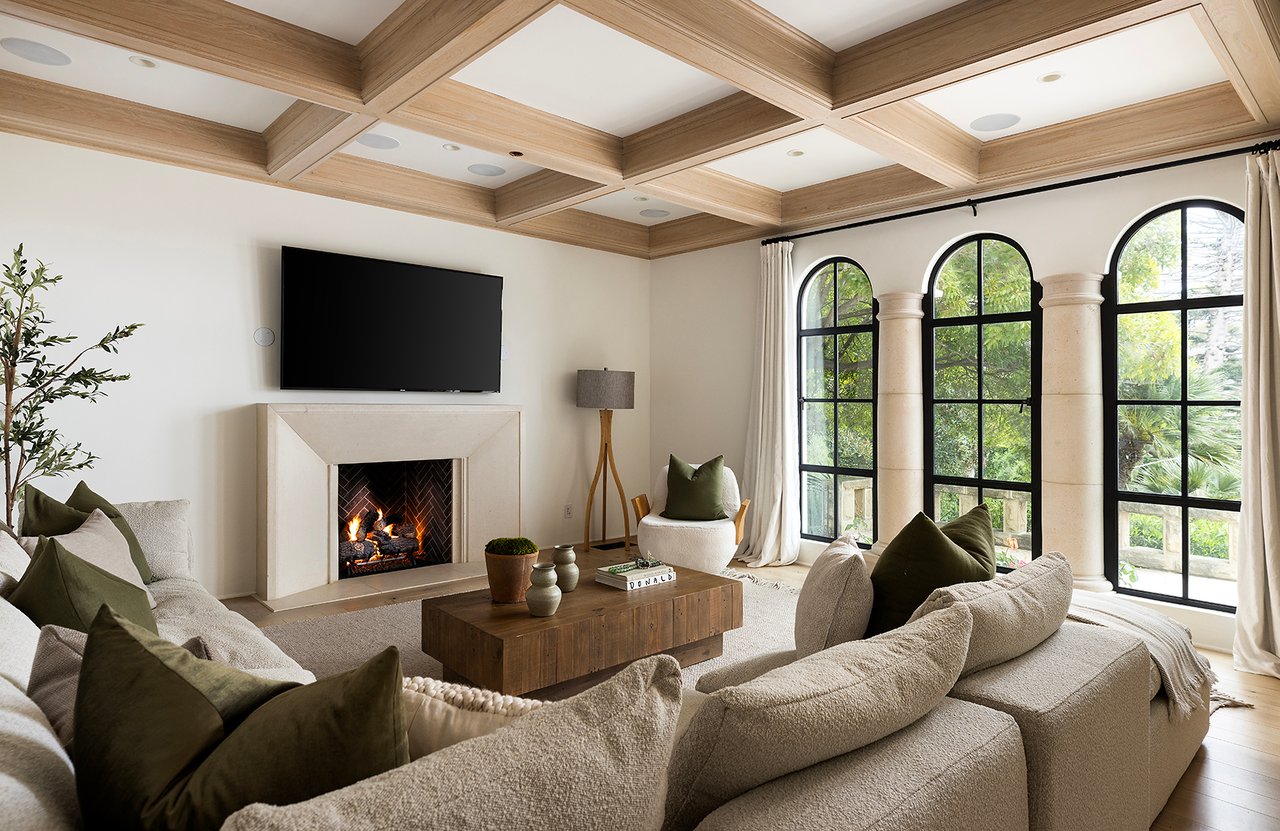
Older structures can require modernization, especially for seismic and mechanical systems. Buyers often preserve character elements like beams and windows while updating kitchens and baths. If you plan to renovate, start with the Los Angeles Department of Building and Safety for permit history and current requirements.
ADUs and design review
Accessory Dwelling Units can be possible under state and city rules, but site constraints like setbacks and easements matter. Confirm feasibility with LADBS and the Department of City Planning early in your process. Some blocks or structures may also be subject to historic review, so factor design sensitivity into your plans.
Daily life on a pedestrian street
The upside
The Walk Streets feel calm and neighborly. With fewer cars, you get a softer soundscape and an easy place to walk the dog or chat with neighbors. You are still close to Venice’s best amenities, so your daily routine can include the beach, cafes, galleries, and parks without getting in the car.
Trade‑offs to plan for
Deliveries and moves usually stage on nearby vehicle streets, then roll the last stretch on the walkway. Trash and recycling can require bringing bins to a designated pickup point. Emergency access routes and property line responsibilities can vary by block. The Venice Neighborhood Council is a helpful starting point for local practices and maintenance questions.
Parking and access basics
Parking is a common question for Walk Street buyers. Some homes have no on‑site parking, and street parking in Venice can be competitive, especially near commercial corridors and the beach. Check resident permit programs and posted rules through the Los Angeles Department of Transportation, and visit the property at different times of day to gauge typical availability. If a property includes a dedicated space or an alley‑access garage, that can be a meaningful value add.
For move‑ins, large deliveries, or remodels, confirm where trucks can stage and the route to your entry. A simple site walk with movers or contractors before closing can save time and cost later.
Coastal hazards and insurance
Parts of Venice sit in flood or coastal hazard zones. Before you fall in love with a home, check the FEMA Flood Map Service Center and review coastal vulnerability resources from the California Coastal Commission. Ask for quotes that include homeowners, earthquake, and, if applicable, flood coverage so you can factor insurance into your budget. Drainage, grading, and elevating critical systems are common resilience upgrades to review with your inspector.
Renovations, ADUs, and short‑term rentals
If you plan to remodel or add an ADU, confirm permit history and site constraints with the Los Angeles Department of Building and Safety. Older wood‑framed cottages often benefit from seismic retrofits and foundation evaluations.
If you are interested in short‑term rental income, be aware that the City of Los Angeles enforces specific Home‑Sharing rules and registration. Start with the Department of City Planning to review policy and the Office of Finance for registration requirements. Compliance is essential, and rules can affect projected returns.
Value drivers and resale outlook
Walk Street homes draw design‑minded buyers who want character and a quieter setting near the beach and Abbot Kinney. Supply is limited, which supports demand, but value still varies block to block. Features that tend to enhance pricing include proximity to the beach and amenities, preserved historic details, mature landscaping, and verified on‑site or guaranteed parking.
Flood exposure, higher insurance costs, or unpermitted work can weigh on value and timing. Documented, well‑executed renovations that respect neighborhood scale support stronger resale. When you are ready to run numbers, public records from the Los Angeles County Assessor help confirm lot size, assessed values, and ownership details during due diligence.
How to evaluate a Walk Street home
Visit at multiple times
Walk a property early morning, midday, and evening on both weekdays and weekends. Listen for ambient noise, note pedestrian activity, and track parking patterns. This gives you a realistic read on daily rhythms, especially during peak beach seasons.
Study access and services
Ask where bins are staged for pickup, how deliveries are handled, and whether any HOA‑like agreements govern walkway maintenance. If the path is a public right‑of‑way, confirm who handles upkeep and what rules apply for landscaping or hardscape changes.
Align design goals with constraints
If your vision includes a second story, roof deck, or ADU, bring in your architect early and check the municipal path to approval. Confirm setbacks, easements, and height limits before you place an offer or remove contingencies.
Buyer due‑diligence checklist
- Confirm exact property boundaries and lot size, and obtain a survey if needed.
- Determine whether the adjacent Walk Street is public or private and who maintains it.
- Review permit history with the Los Angeles Department of Building and Safety for all additions and conversions.
- Check zoning and any local overlay or historic status with the Department of City Planning.
- Obtain structural, seismic, foundation, pest or termite, and drainage evaluations.
- Verify parking options and LADOT resident permit programs, and assess street parking at different times.
- Get insurance quotes for homeowners, earthquake, and if applicable, flood coverage after checking the FEMA Flood Map Service Center.
- Review covenants, easements, or maintenance agreements that affect the walkway or access.
- Visit at multiple times of day and week to assess noise and activity.
- Connect with neighbors or the Venice Neighborhood Council for local insights on events and maintenance.
How we can help
Buying on the Walk Streets is as much about design and daily rhythm as it is about square footage. You deserve guidance that blends architectural literacy with transaction precision. Our team specializes in architecturally significant coastal homes and knows how to assess value drivers that matter here, from historic character to access and resilience.
If you are considering a Venice Walk Street home, we can help you evaluate feasibility, coordinate the right inspections, and position you to win. To start a confidential conversation or request a tailored market brief, connect with Eric Haskell.
FAQs
What defines the Venice Walk Streets compared with other Venice blocks?
- They are narrow pedestrian paths between residential blocks that prioritize foot traffic and a quieter streetscape while keeping close to the beach and commercial areas.
How do deliveries and move‑ins work on a pedestrian street in Venice?
- Large trucks typically stage on adjacent vehicle streets, then use the walkway for final access. Plan routes and timing with movers in advance.
Is parking available for Walk Street homes in Venice?
- Some properties have on‑site or alley‑access parking, but many rely on street parking. Check LADOT rules and visit at peak times to assess availability.
Are Venice Walk Street homes in flood zones or coastal hazard areas?
- Some are. Verify location‑specific risk through the FEMA Flood Map Service Center and the California Coastal Commission.
Can I add an ADU or expand a Venice Walk Street home?
- Often possible, but site constraints and permits apply. Confirm feasibility early with LADBS and the Department of City Planning.
What are the short‑term rental rules for a Venice Walk Street property?
- The City of Los Angeles requires Home‑Sharing compliance and registration. Review policy with City Planning and register through the Office of Finance.