Thinking about selling a piece of Santa Barbara history? Downtown’s most charming homes attract a special kind of buyer, but they also come with unique rules, disclosures, and marketing needs. You want to honor the home’s story while reaching qualified buyers who value authenticity. This guide walks you through how to prepare, price, and present a historic downtown property so you maximize value with confidence. Let’s dive in.
What makes downtown homes stand out
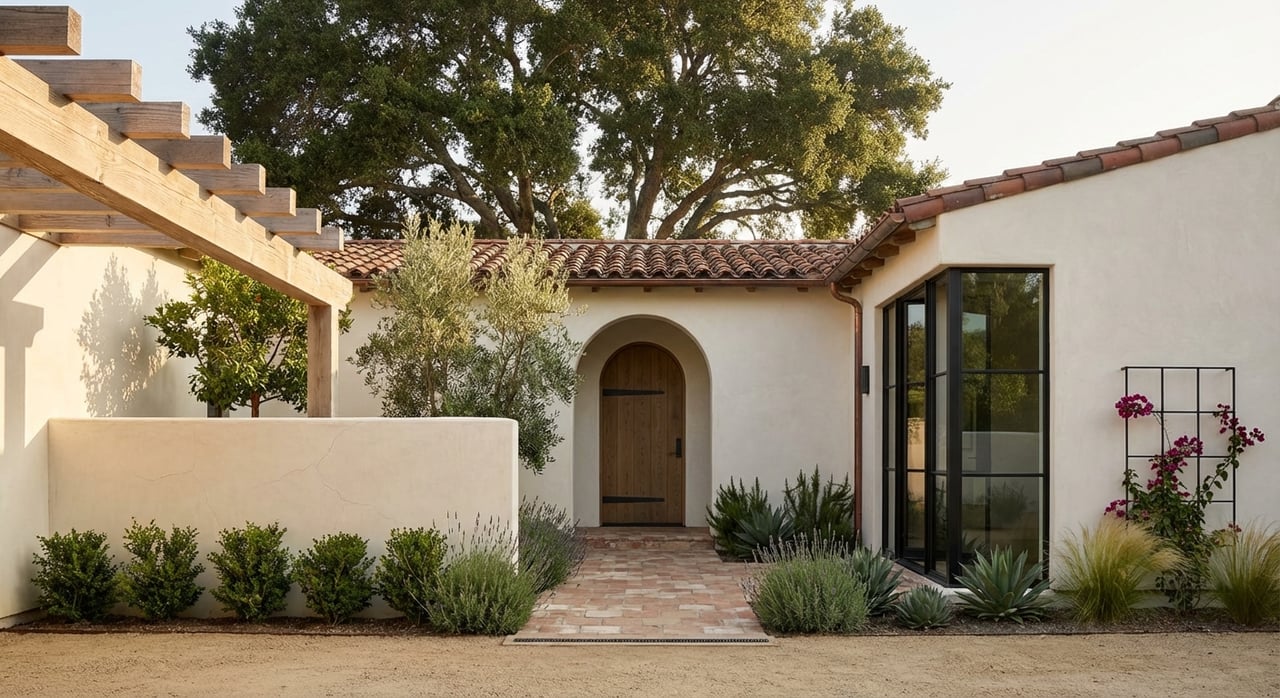
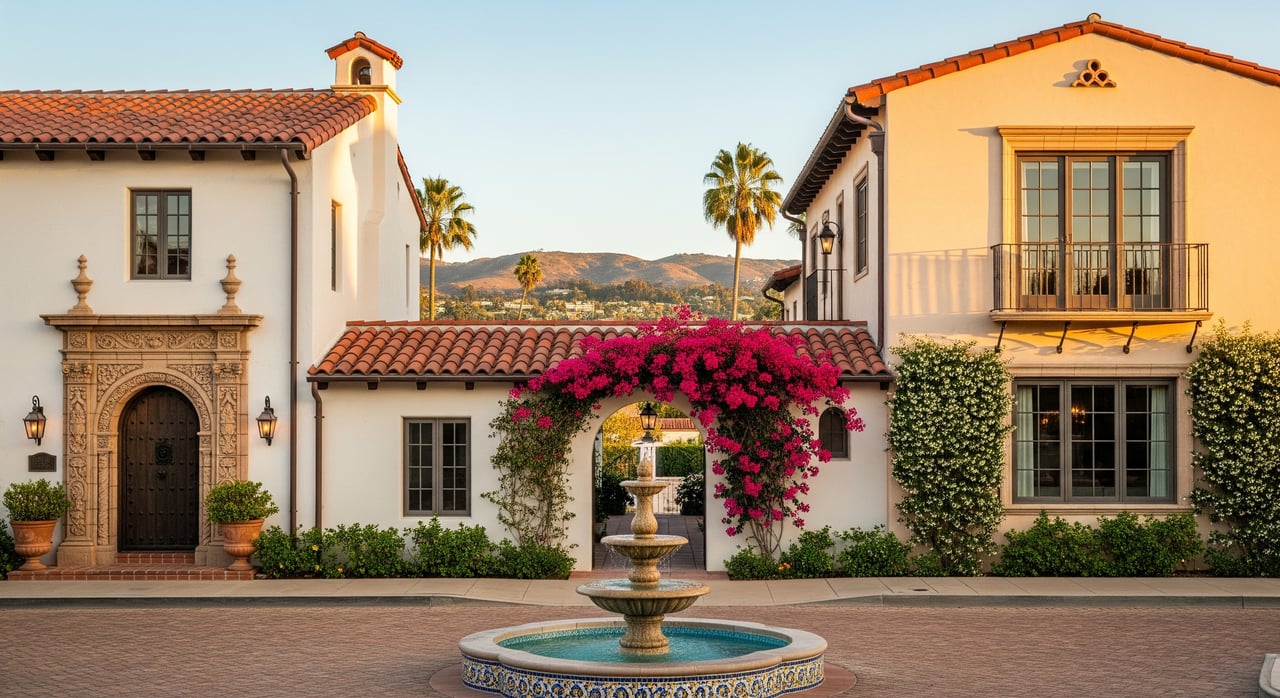
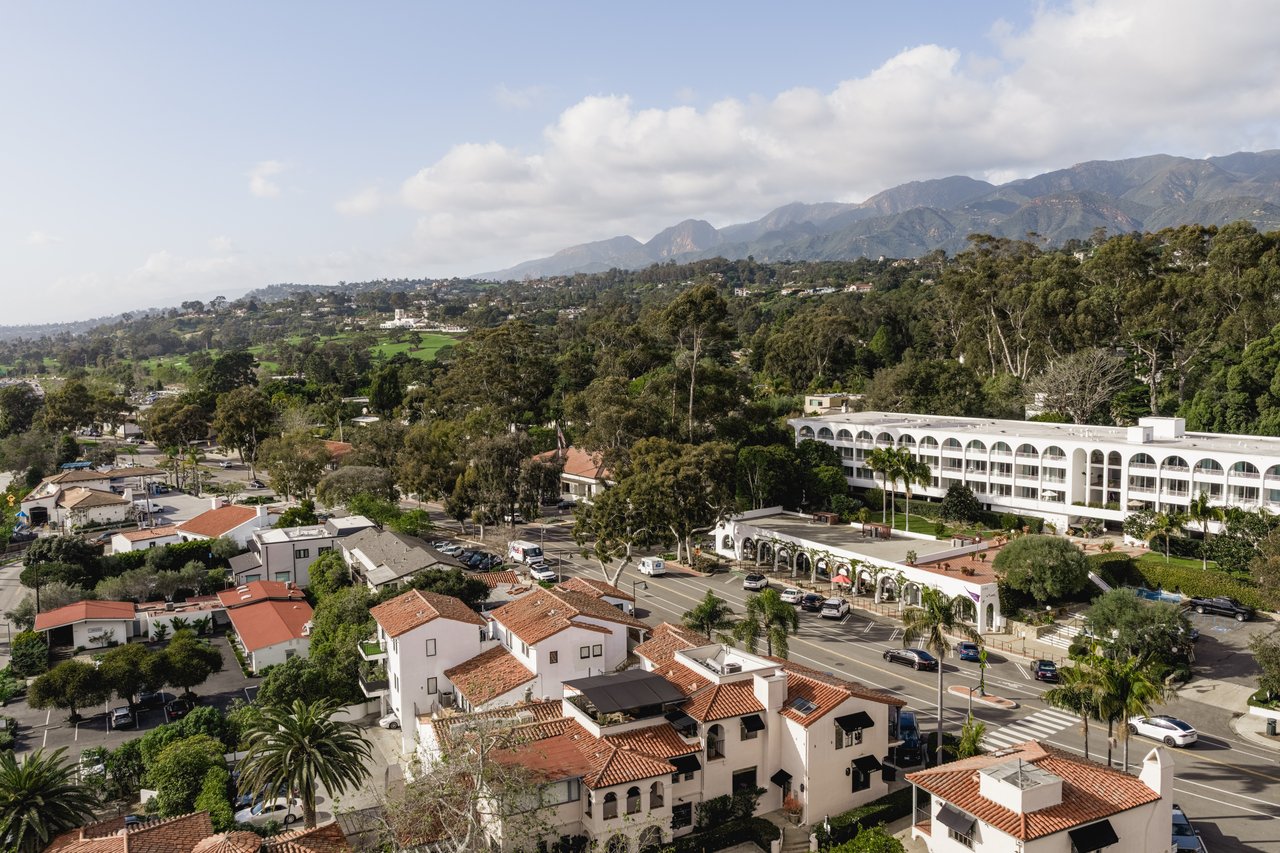
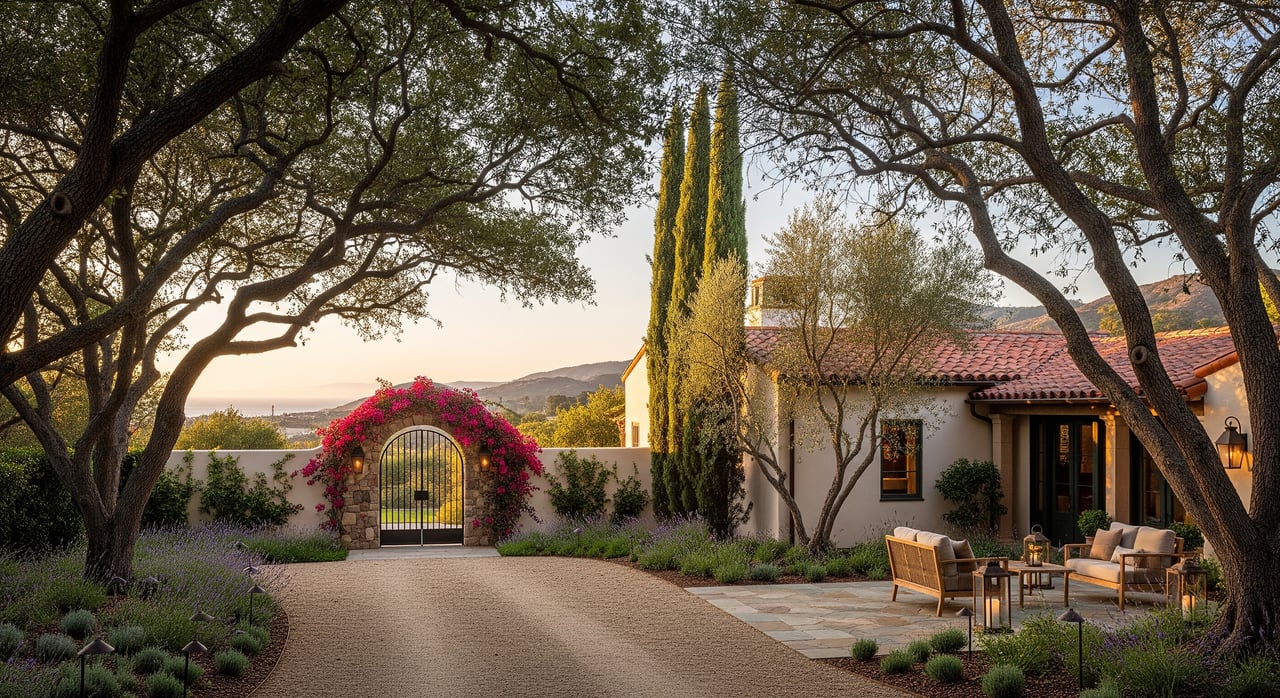
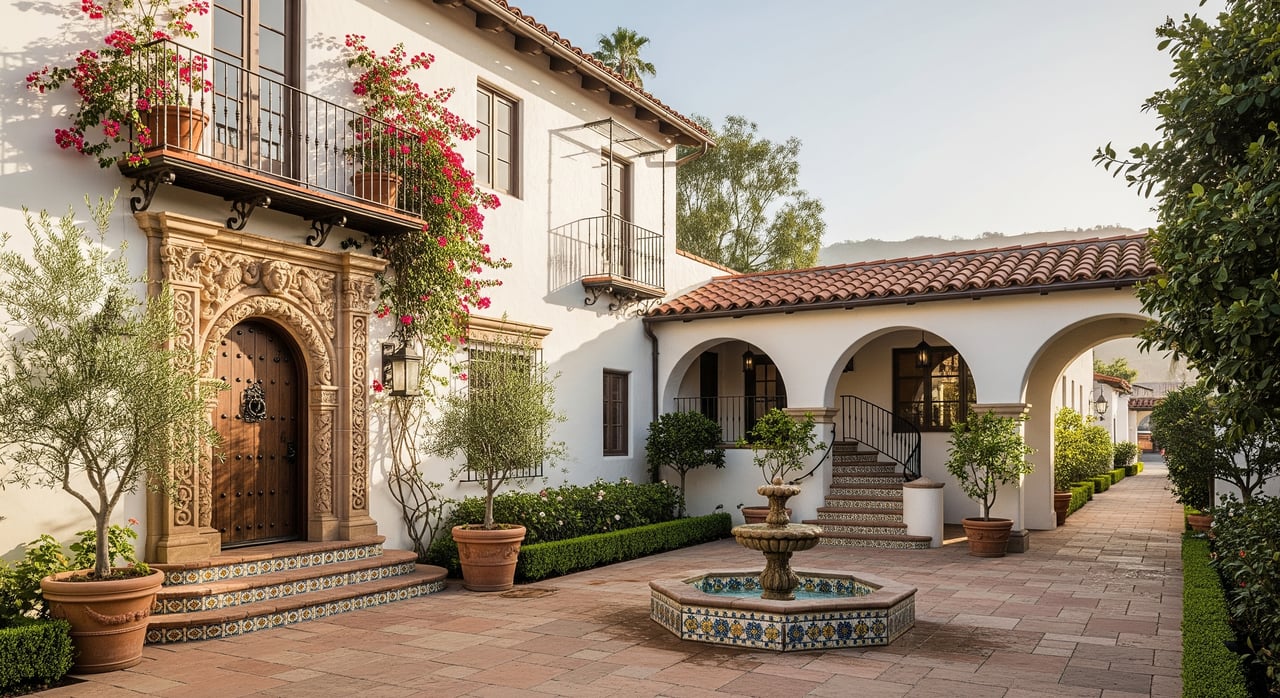
Santa Barbara’s downtown core showcases Spanish Colonial Revival, Victorian, and late-19th-century architecture shaped by the 1925 reconstruction. Buyers come for architectural integrity, walkability, cultural institutions, and premium amenities. When the history is documented and craftsmanship is preserved, these homes often command stronger interest and can justify premium pricing.
Confirm historic status and rules
Designation and local review
Start by confirming whether your property is a City Historic Landmark, within a local historic district, or listed on the National Register. Local designation usually means exterior changes require review and specific approvals. Gather any past approvals or Certificates of Appropriateness and add them to your disclosure package.
Mills Act and property taxes
If your home has a Mills Act contract, the property may benefit from reduced taxes in exchange for ongoing preservation. Confirm whether the contract transfers to the buyer, the obligations involved, and how it impacts negotiations. Be ready to disclose the agreement and related documentation.
Permits, codes, and compliance
Historic homes often need or have had upgrades for electrical, plumbing, seismic, fire safety, or accessibility. Determine which improvements were permitted and keep copies of finaled permits. If you know of unpermitted work, disclose it and provide options or estimates for bringing it into compliance.
Required disclosures
Older homes typically require a Transfer Disclosure Statement, Natural Hazard Disclosure, and federal lead-based paint disclosures for pre-1978 structures. Also disclose any preservation easements, Mills Act contracts, recorded covenants, and known material facts. Complete, organized disclosures build trust and speed up your sale.
Price with a preservation lens
Value drivers to highlight
- Provenance and documented history, including architect, era, and any notable owners.
- Architectural integrity, such as original windows, tile, ironwork, plaster, and built-ins.
- Condition and function, including kitchens, baths, roof, and major systems.
- Location benefits like proximity to State Street and cultural venues.
- Zoning and permitted uses that may support residential or sensitive adaptive reuse.
Appraisal strategy
Suitable comps can be scarce for one-of-a-kind properties. Create a “comparables plus narrative” package for the appraiser with an architectural history, preservation work summaries, permits, and professional photos that document original features. This context helps justify value when direct comps are limited.
Pre-listing inspections that pay off
Reduce buyer uncertainty and avoid renegotiations by ordering key reports before listing:
- General home inspection for structural, mechanical, plumbing, and electrical.
- Preservation-focused assessment to document historic materials and repair strategies.
- Termite and wood-destroying organism report.
- Lead paint and asbestos surveys for pre-1978 homes.
- Seismic and structural evaluation, especially if unreinforced elements are present.
Provide these reports along with estimates for any recommended work. You will help buyers make faster, stronger offers.
Marketing that honors the story
Story-driven positioning
Lead with the home’s architectural era, craftsmanship, and preservation record. Share verified details about the architect or builder, the construction date, and notable features. Use a one-page house history sheet, an extended brochure with archival photos, and a media-ready fact sheet for press.
Preservation-minded staging
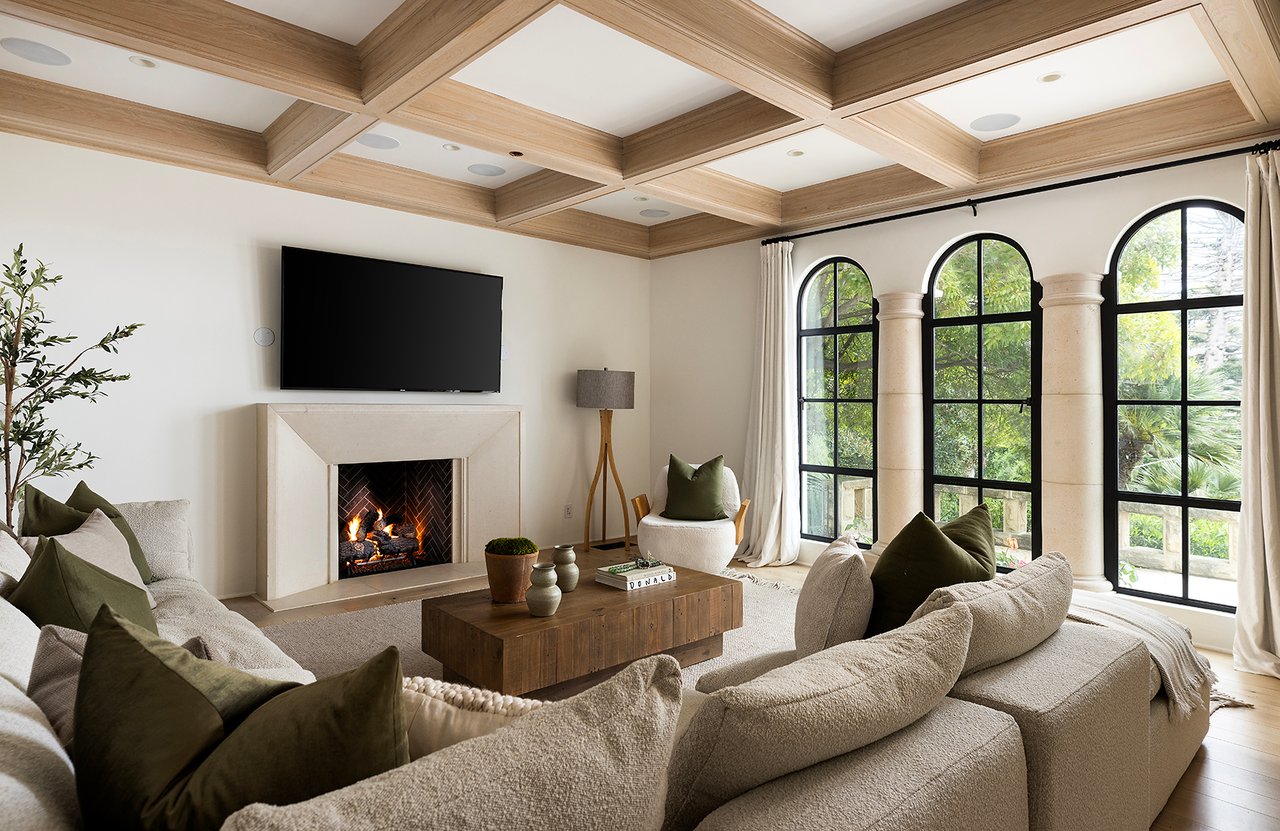
Stage to protect and showcase original fabric. Use padded pathways, reversible lighting, and modular furnishings so nothing harms floors, plaster, or millwork. Bring in period-sympathetic accents, while demonstrating modern livability. Document before-and-after staging to show careful stewardship.
Visual storytelling
Commission a photographer experienced with historic architecture. Capture detail close-ups, context and streetscape, and twilight exteriors for mood. Produce a concise cinematic video and a guided 3D tour with hotspots that note provenance. Consider a brief expert narration from a historian or architect for high-value listings.
Press and community outreach
Target local outlets for human-interest angles and architectural press for design credibility. Prepare a press kit with high-res images, the house history, and interview availability. Engage local preservation organizations when appropriate to reach buyers who value authenticity.
Distribution from local to global
Use local MLS exposure, curated broker opens, and a targeted reach into major feeder markets. For qualified luxury buyers, extend distribution across national and international channels. A boutique practice with strong creative, PR, and global networks helps you reach the right pool without diluting the story.
Privacy, discretion, and qualified access
Pocket listing options
If privacy matters, consider discreet marketing to vetted buyers. Use NDAs and targeted outreach rather than broad public campaigns.
Secure showings
Limit tours to prequalified prospects with proof of funds or pre-approval. Control photography during showings to protect sensitive details.
Controlled publicity
Use embargoed features, selective editorial, and timed social content that supports private showing schedules. Balance exposure with confidentiality.
Timeline, costs, and team
Typical sale timeline
- Pre-listing due diligence and prep: 4 to 12 weeks or more.
- Photography, video, and collateral: 2 to 4 weeks.
- Active marketing period: often 3 to 9 months for unique properties.
- Escrow and closing: typically 30 to 60+ days, with historic-specific terms potentially extending timelines.
Common cost items
- Architectural/preservation and structural assessments: roughly $1,500 to $10,000+.
- General, pest, and environmental inspections: roughly $500 to $3,000+.
- Seismic or major deferred maintenance: variable, often significant.
- Photography and video: roughly $1,500 to $8,000.
- 3D tour: roughly $500 to $2,000.
- Preservation-minded staging: roughly $5,000 to $25,000+.
- PR and editorial outreach: roughly $2,000 to $15,000+.
Your recommended roster
- Historic preservation consultant or architectural historian.
- Licensed general contractor with historic expertise.
- Structural engineer or seismic specialist.
- Termite, lead, and asbestos inspectors.
- Architectural photographer and videographer.
- Stager experienced with older homes.
- PR professional with design and luxury contacts.
- Title and escrow team familiar with easements and specialty contracts.
Who is your buyer
Expect interest from owner-occupiers who value authenticity, out-of-area buyers seeking a downtown lifestyle, and preservation-minded individuals or groups. In some cases, zoning may support sensitive adaptive reuse, though historic controls often limit redevelopment. Tailor your narrative to the motivations of each segment.
Metrics that matter
Track showings and qualified showings per week, plus media impressions and social engagement. Monitor the response from top agents in feeder markets. During negotiations, measure the number and strength of offers, price-to-list ratio, and time to first acceptable offer. In escrow, track due diligence issues and concessions to help manage risk.
Next steps for sellers
- Confirm historic designation, gather permits, and compile any Commission approvals.
- Order pre-listing inspections and a preservation assessment.
- Prioritize safety and function repairs; prepare estimates for larger work.
- Build a narrative package for valuation and appraisal support.
- Execute preservation-minded staging, photography, and video.
- Choose a marketing path that balances global reach with privacy needs.
- Qualify buyers, control showings, and manage disclosures proactively.
If you want a boutique team that treats your home as a cultural asset and markets it with editorial rigor, The Haskell Group can help. With deep Santa Barbara roots, editorial-grade creative, and global distribution through The Agency’s network, we position historic properties for premium outcomes while respecting privacy. For a confidential strategy session tailored to your home, connect with Eric Haskell.
FAQs
How does historic designation affect selling price in Santa Barbara?
- It narrows the buyer pool to those who value authenticity, but documented history and preserved features can increase appeal and support premium pricing.
What disclosures are required when selling a pre-1978 downtown home?
- Expect a Transfer Disclosure Statement, Natural Hazard Disclosure, and federal lead-based paint disclosures, plus any preservation easements, Mills Act contracts, and known unpermitted work.
Do I need major restoration before listing a historic home?
- Not always; prioritize safety, function, and items that shape buyer confidence like roof, systems, water intrusion, and pest issues, then provide estimates for larger projects.
How should I work with an appraiser on a unique property?
- Provide a “comparables plus narrative” packet with the house history, permits, preservation work, and high-quality images of original features to support valuation.
Which inspections help prevent escrow surprises on historic homes?
- General home, termite, lead and asbestos for pre-1978, preservation-focused assessment, and seismic or structural evaluations where relevant.
Can Mills Act contracts complicate my sale?
- They can add obligations and transfer steps; full disclosure and clarity on buyer acceptance help streamline negotiations and closing.
How can I market discreetly while reaching qualified buyers?
- Use pocket-listing strategies with NDAs, broker-to-broker outreach, controlled press, and private showings limited to prequalified prospects.
What is a realistic timeline to sell a unique historic property?
- Plan for 3 to 9 months of active marketing to find the right buyer, followed by a 30 to 60+ day escrow that may extend for historic-specific terms.