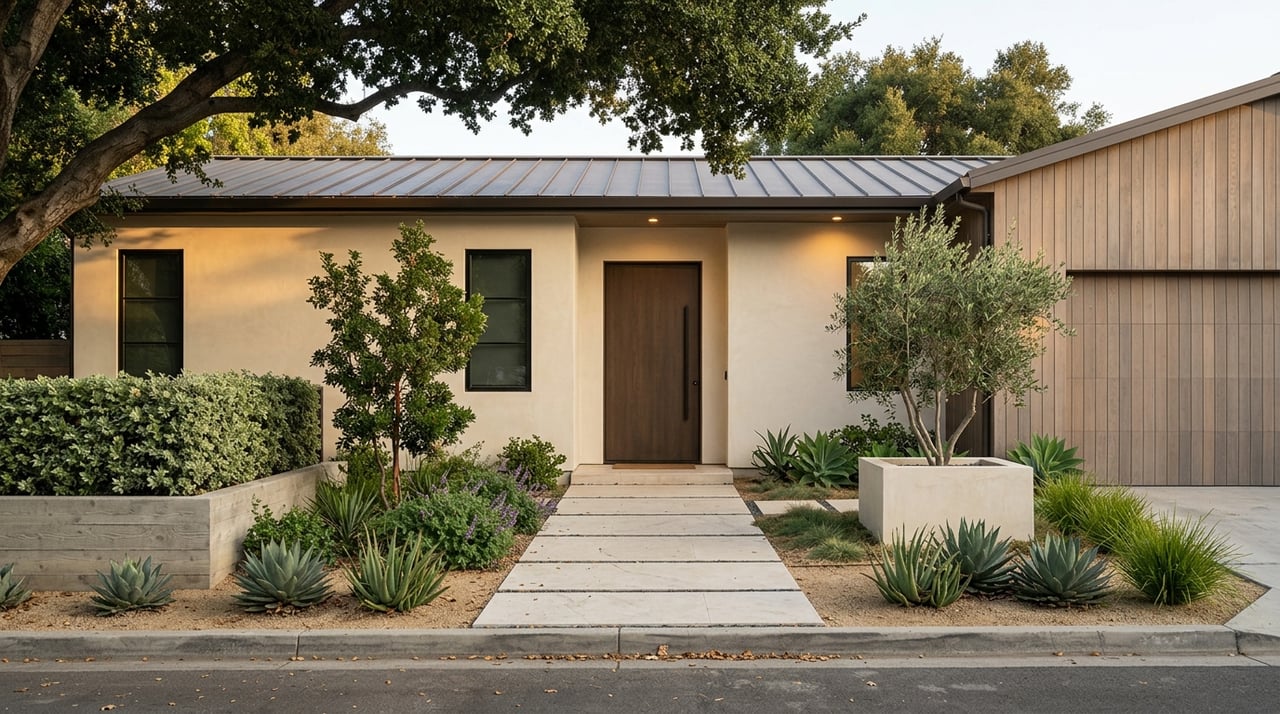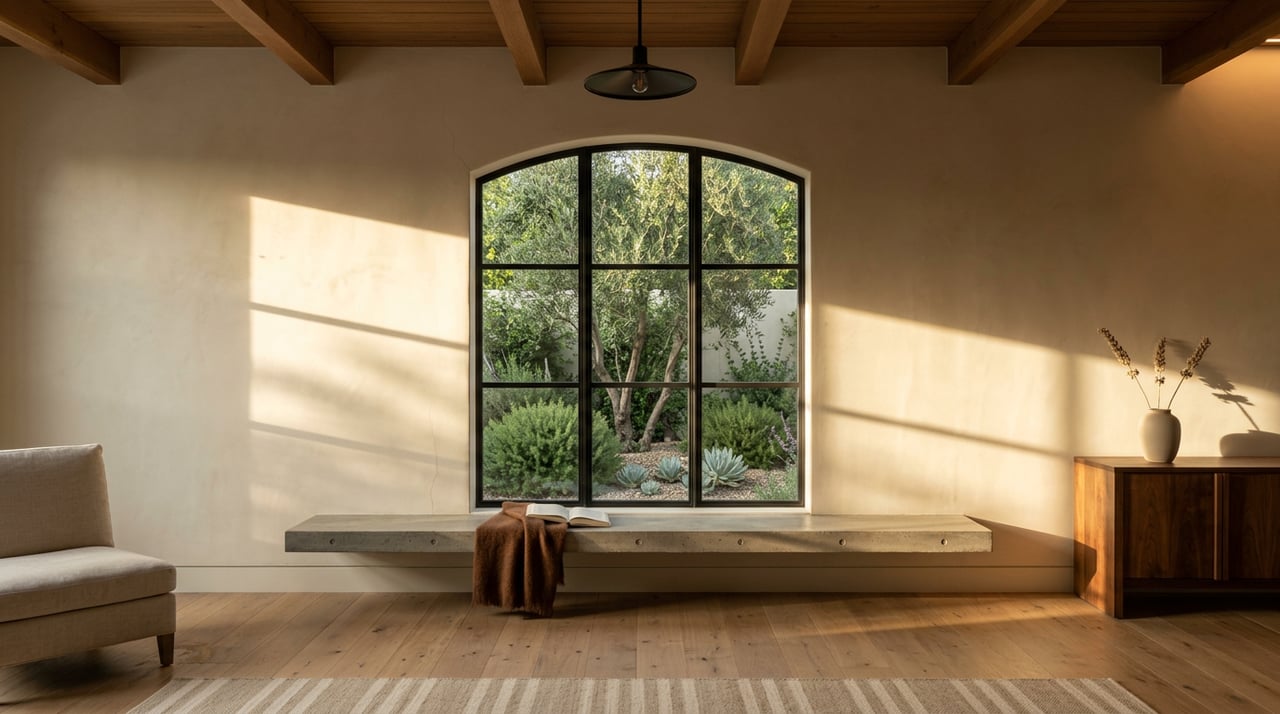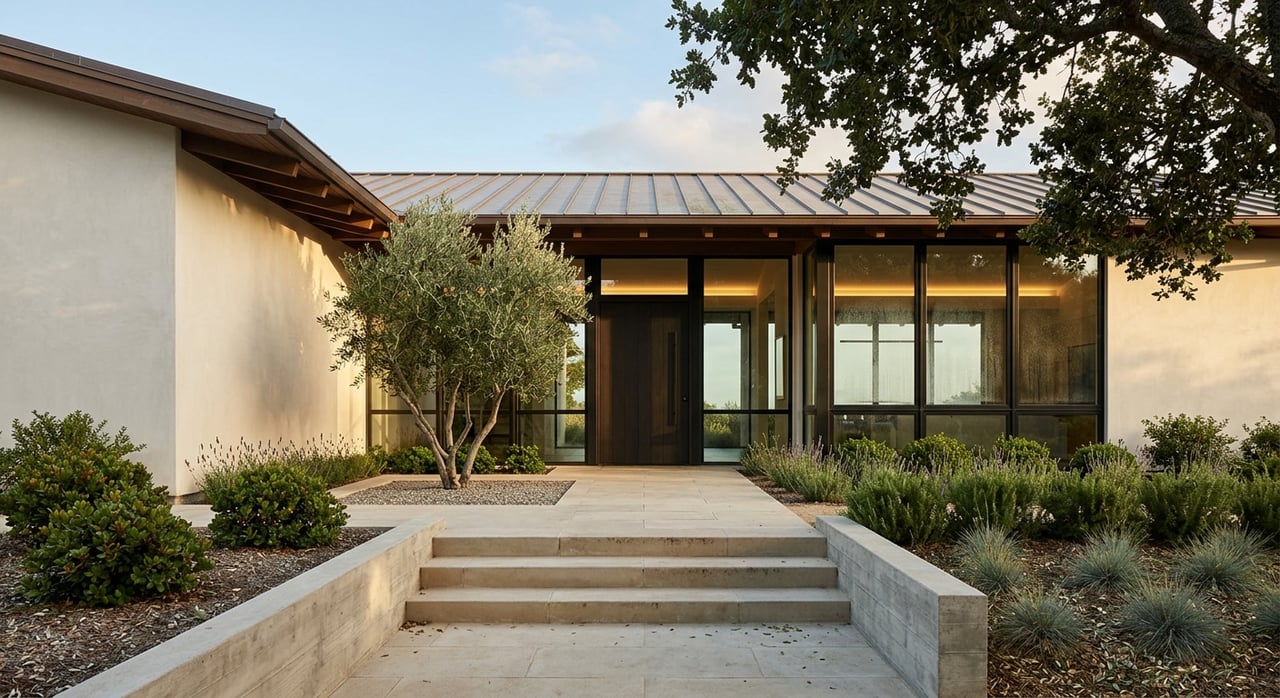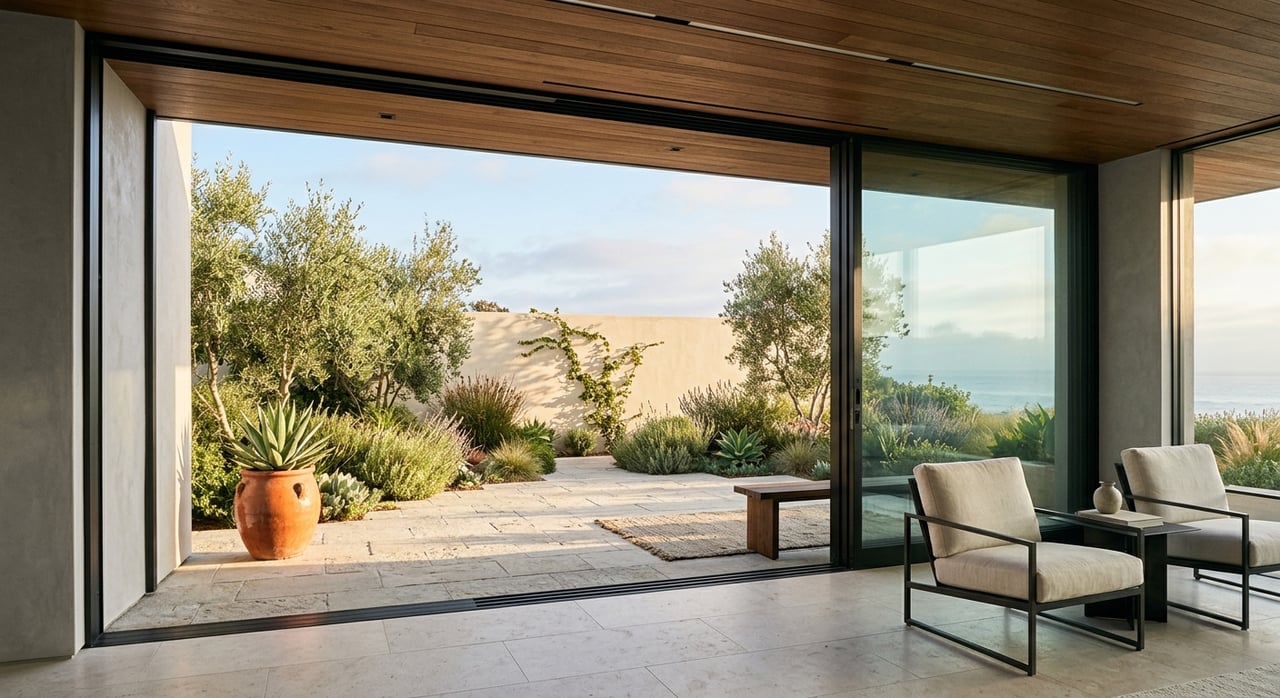
What if choosing your Beverly Hills home started with choosing a language? From sun‑washed Spanish villas to glass‑walled hilltop pavilions, the city reads like a living gallery of design. If you care about architecture, style shapes more than curb appeal. It affects daily comfort, maintenance, and long‑term value. This glossary breaks down the styles you’ll see most, how materials and site placement work in Beverly Hills, and what to check before you write an offer. Let’s dive in.
Beverly Hills at a glance
Beverly Hills spans both the incorporated City and nearby areas that share the 90210 mailing identity, known as Beverly Hills Post Office. Planning rules, services and permit processes can differ, so verify which side of the line a property sits on with the City or your team. You can review local procedures on the City of Beverly Hills Community Development pages for clarity on planning and preservation.
The city’s building story is layered. Spanish Colonial and Mediterranean Revival set the tone in the 1920s and 1930s. Postwar years brought Mid‑Century Modern hillside estates, then waves of contemporary rebuilds from the 1990s to today. Architectural pedigree matters here. Noted regional architects, including Paul R. Williams, left a mark, and that authorship can influence value and review standards. Explore the Paul R. Williams Project to understand how pedigree interacts with stewardship in Los Angeles.
For style context and neighborhood history, the Los Angeles Conservancy offers accessible guides and case studies. National publications also highlight local examples and design trends. You’ll often see Beverly Hills and Trousdale Estates featured in Architectural Digest and Dwell, which helps illustrate how tastes evolve in this market.
The buyer’s glossary of styles
Spanish Colonial Revival
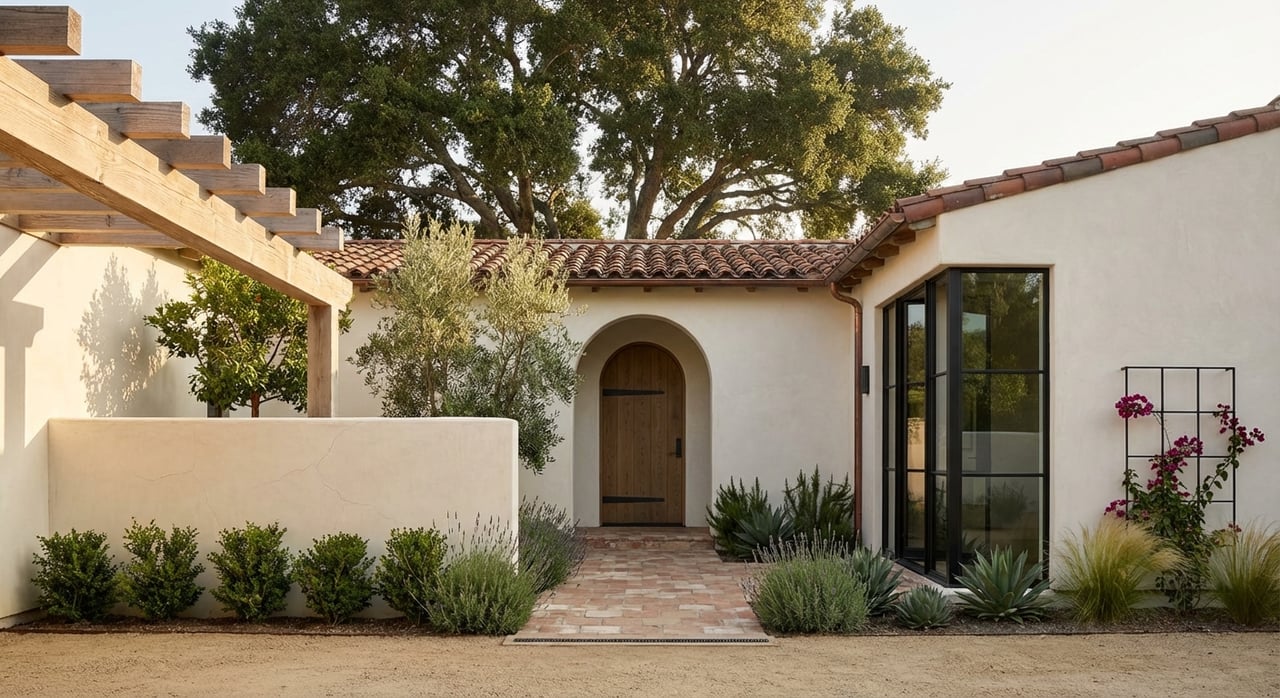
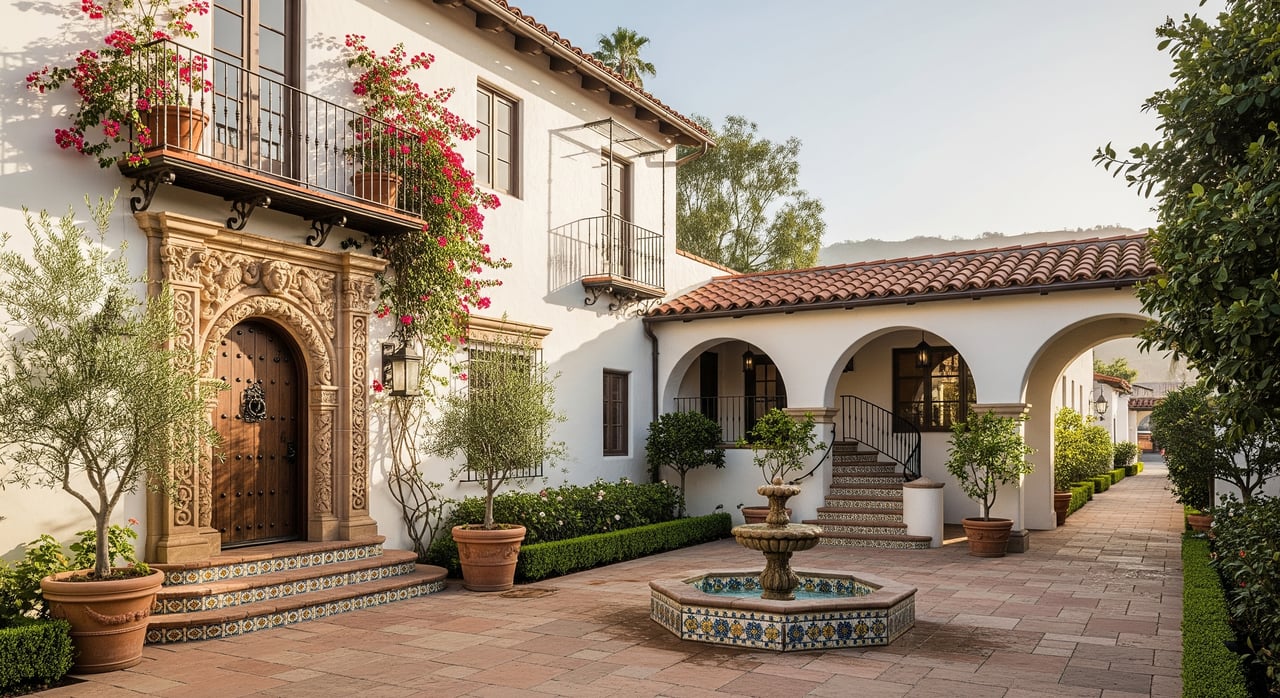
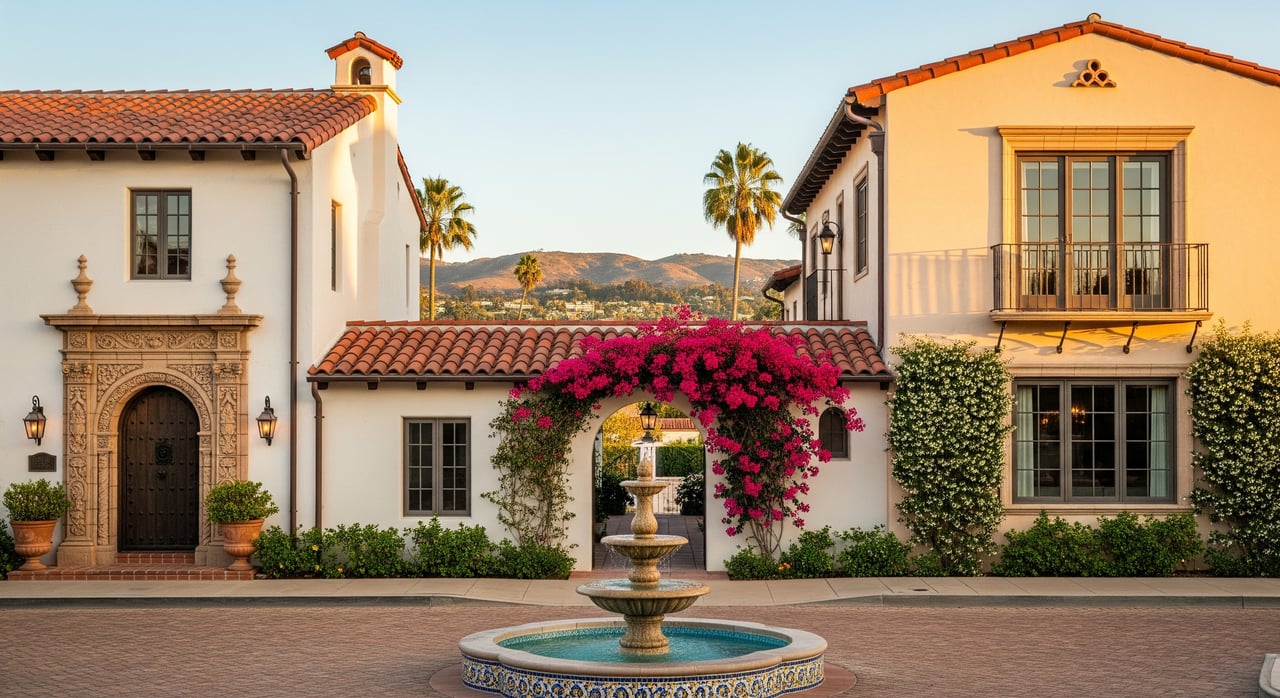
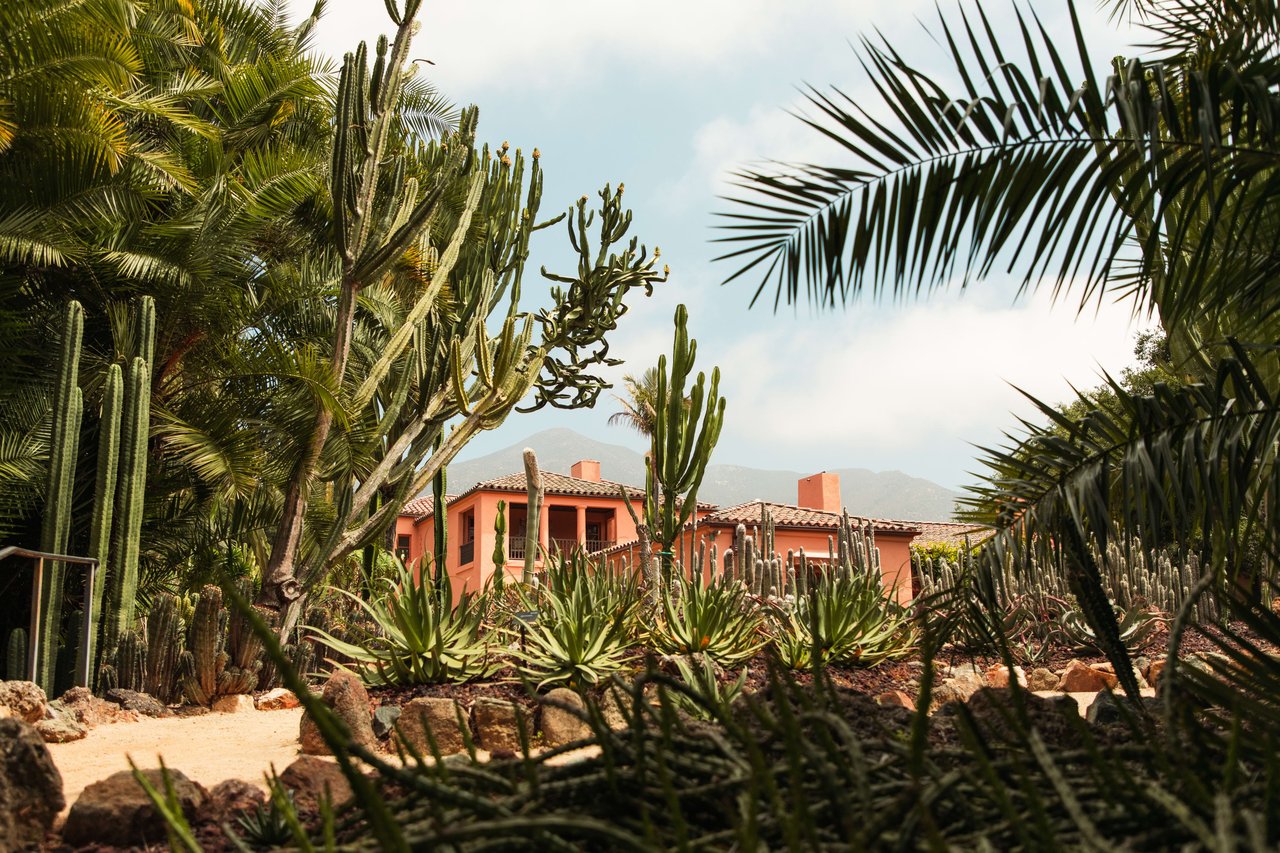
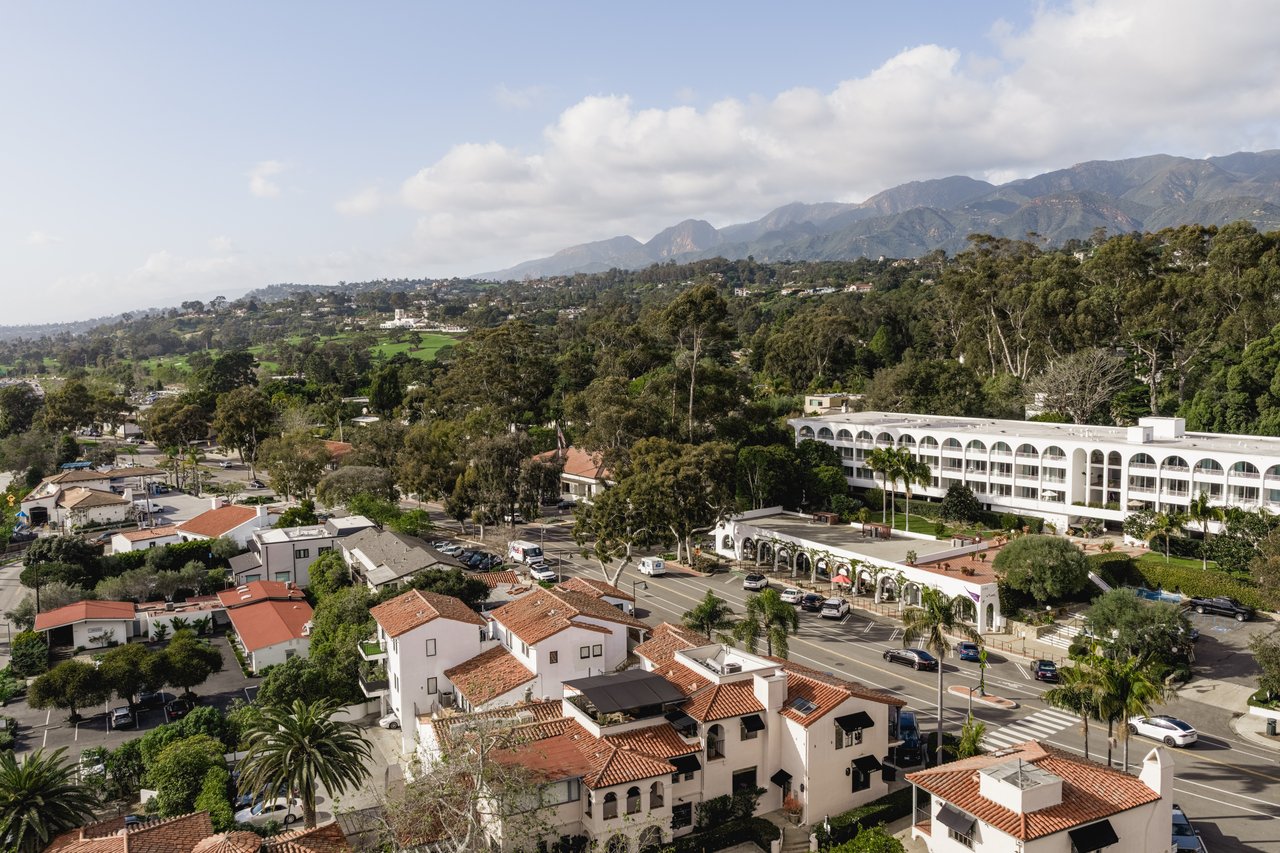
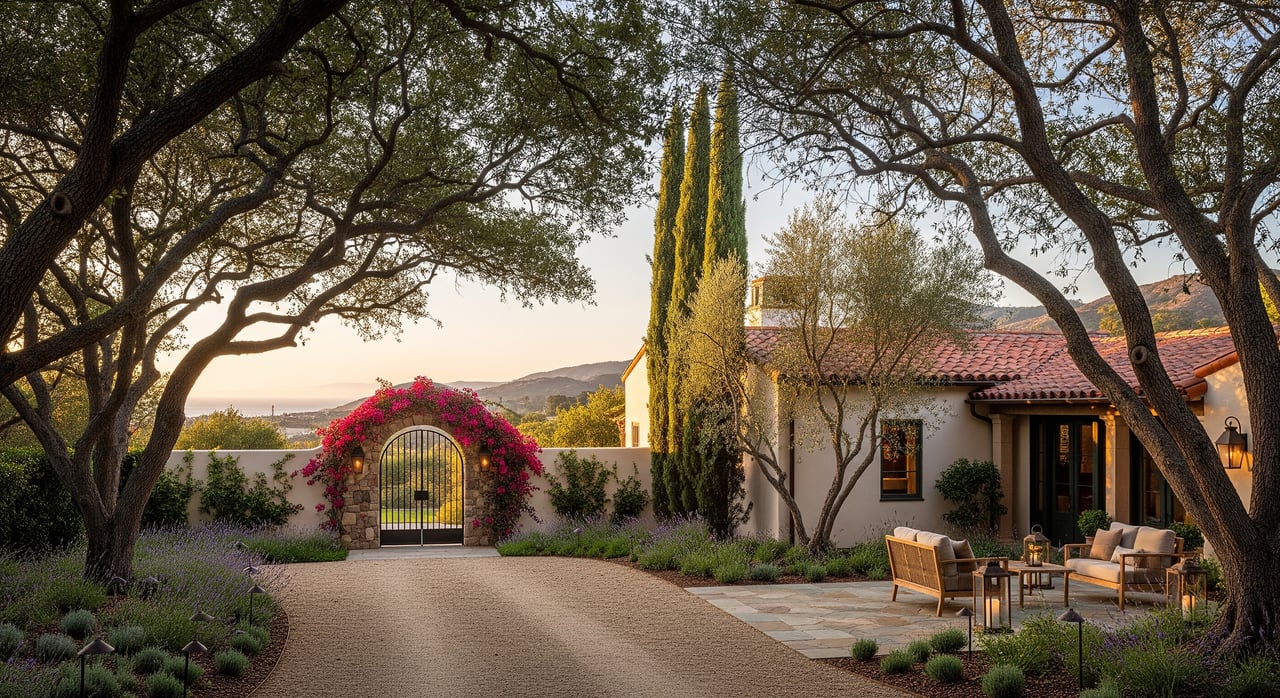
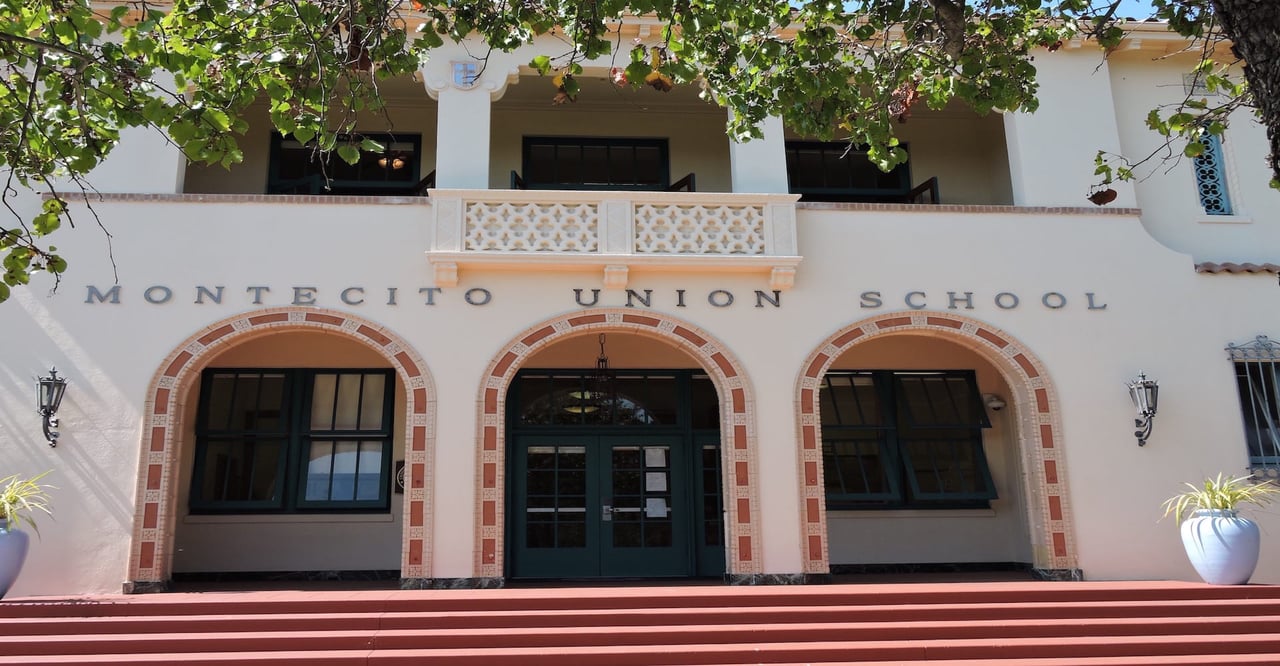
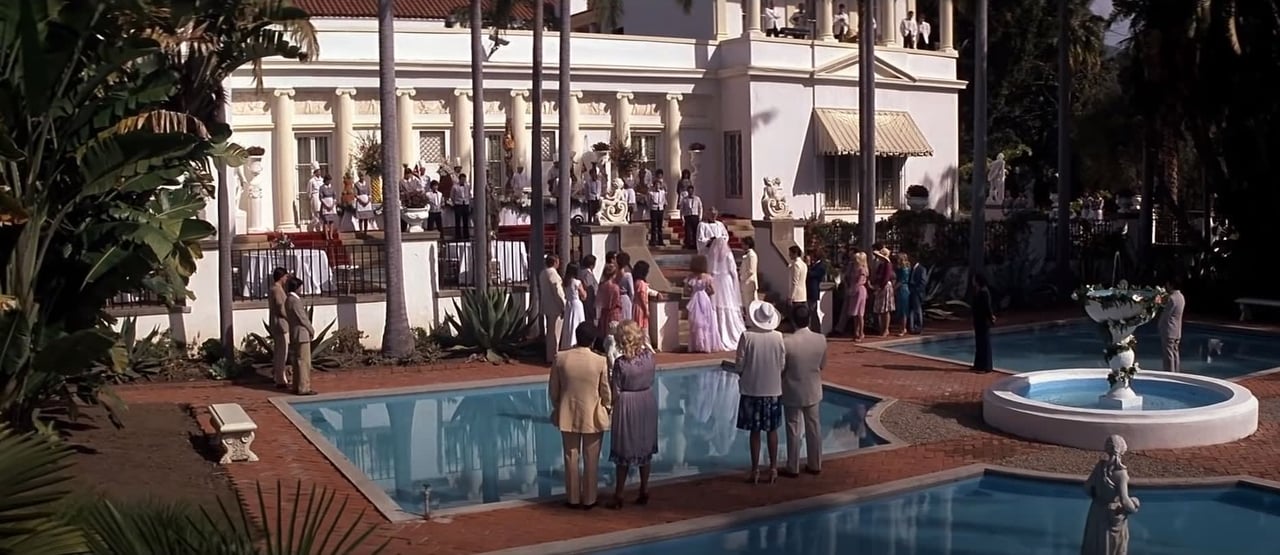
Expect white or cream stucco, low red clay tile roofs, arched openings, carved wood doors and courtyards with decorative tile and ironwork. Most were built between 1915 and 1940, with strong concentrations from the 1920s and 1930s. In Beverly Hills, you’ll find many in the Flats on gridded streets near commercial corridors. Some boutique hotels and institutions echo the same Mediterranean vocabulary.
On upkeep, stucco and clay tile are well suited to the climate, but details matter. Look for proper roof drainage, flashing at transitions, and crack repair on stucco. Courtyard plans and smaller rooms feel authentic and intimate. If you prefer open living, factor in the scope of structural work needed to create larger spans while preserving character.
Mid‑Century Modern
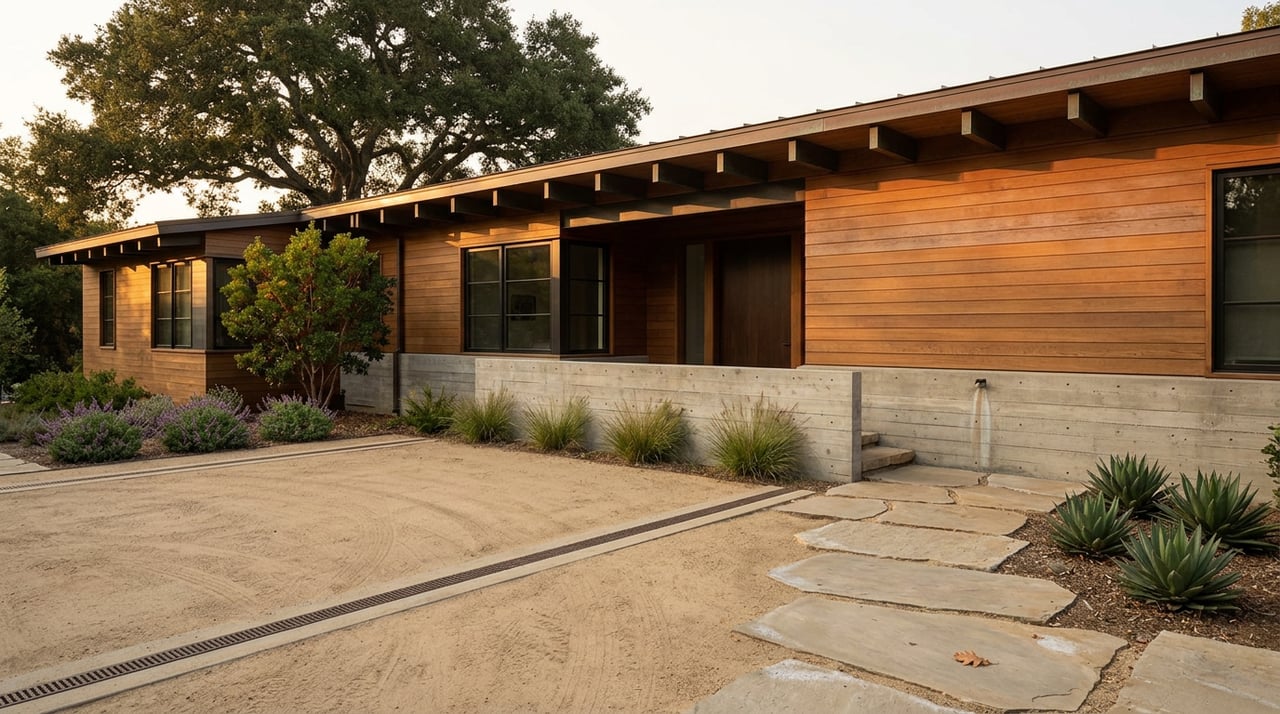
Mid‑Century homes favor single‑level or split‑level plans, low rooflines, clerestory windows, and large panes of glass that pull the view indoors. The style flourished from the 1940s through the 1960s and is especially associated with hillside neighborhoods. Trousdale Estates is the best‑known local showcase for this era and remains a touchstone for collectors and design media.
Materials often include exposed beams, steel posts, terrazzo and floor‑to‑ceiling glazing. Authentic elements can be costly to retrofit for energy efficiency and seismic performance, but thoughtful restorations are prized. On hillside lots, structural systems and building pads are central to stability, insurance and permits, so plan for detailed evaluation.
Contemporary / Neo‑Contemporary
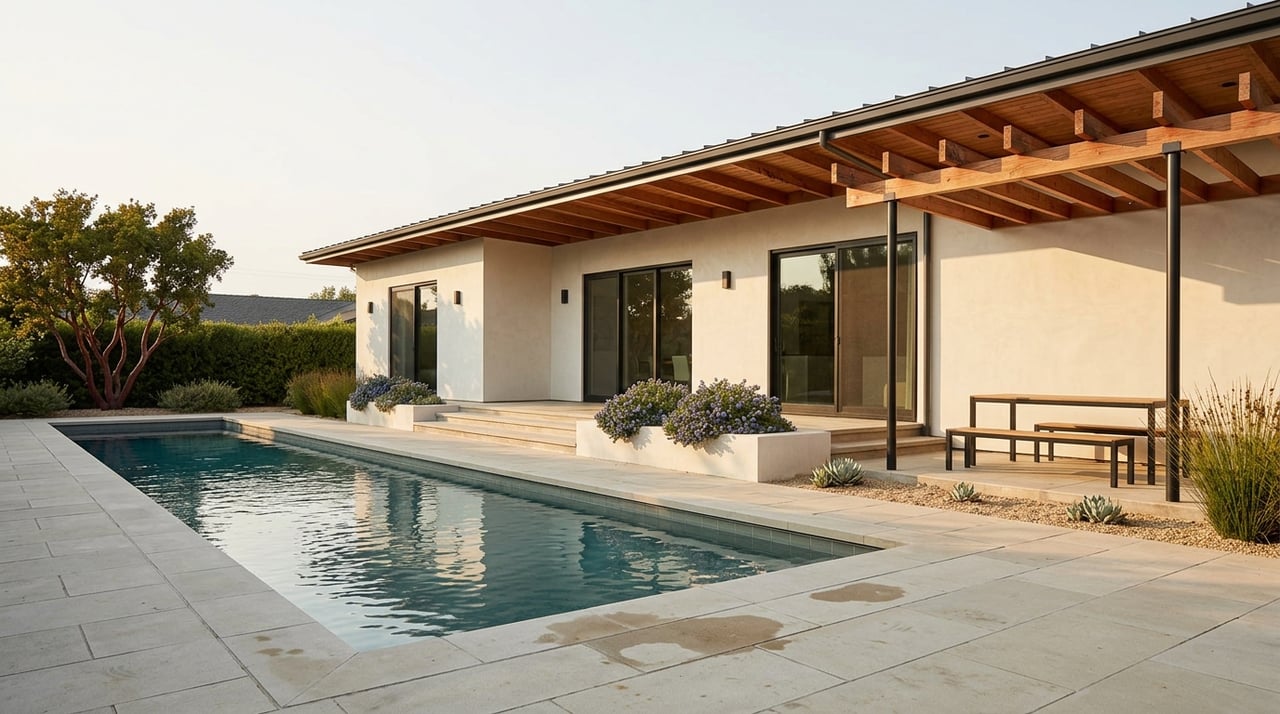
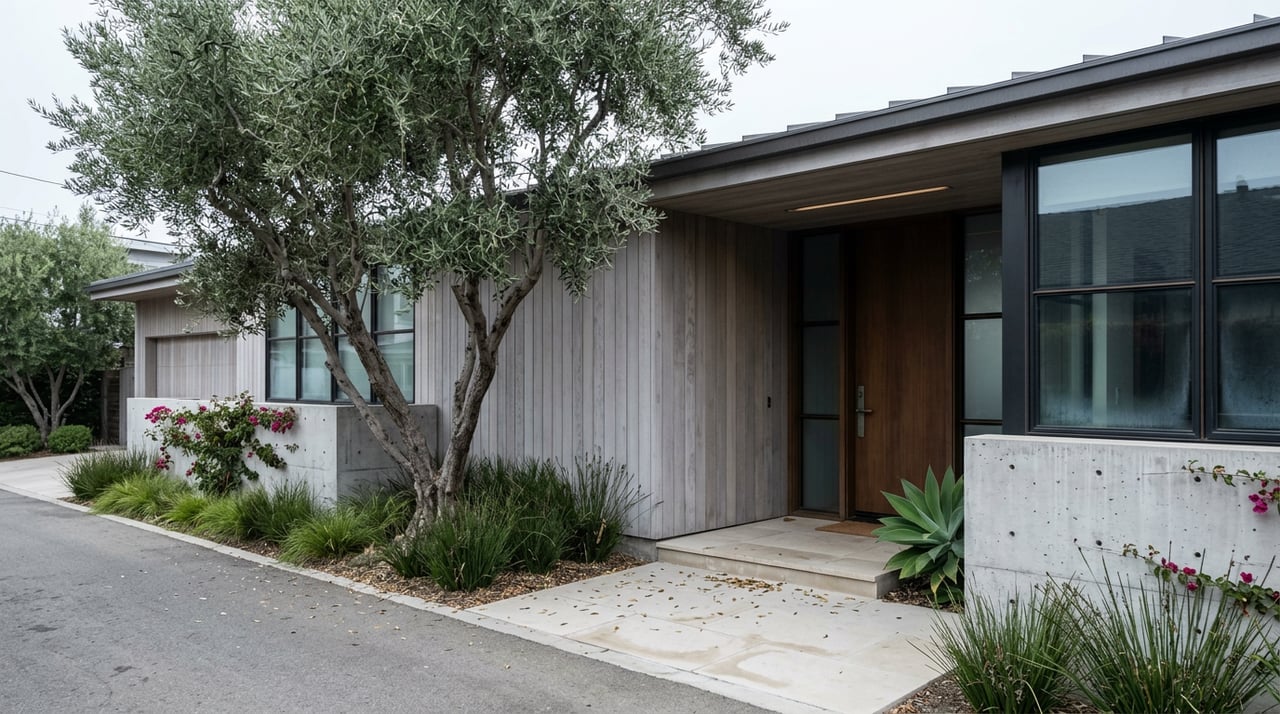
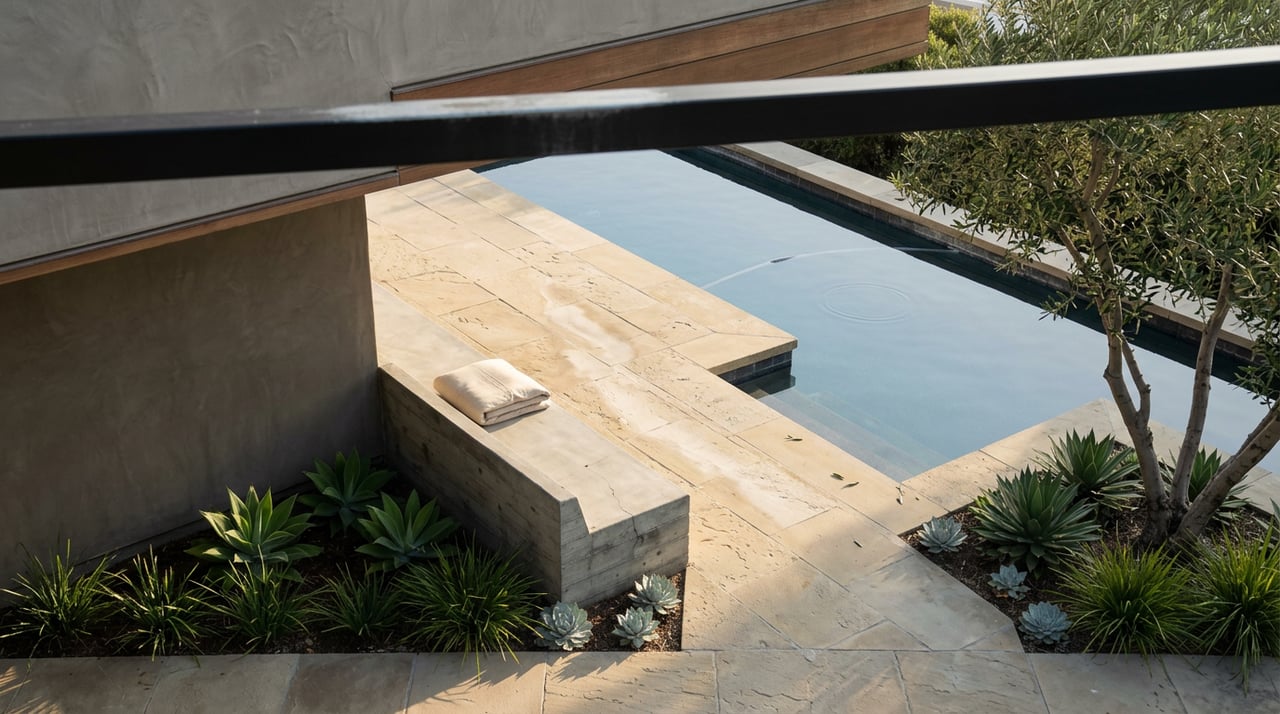
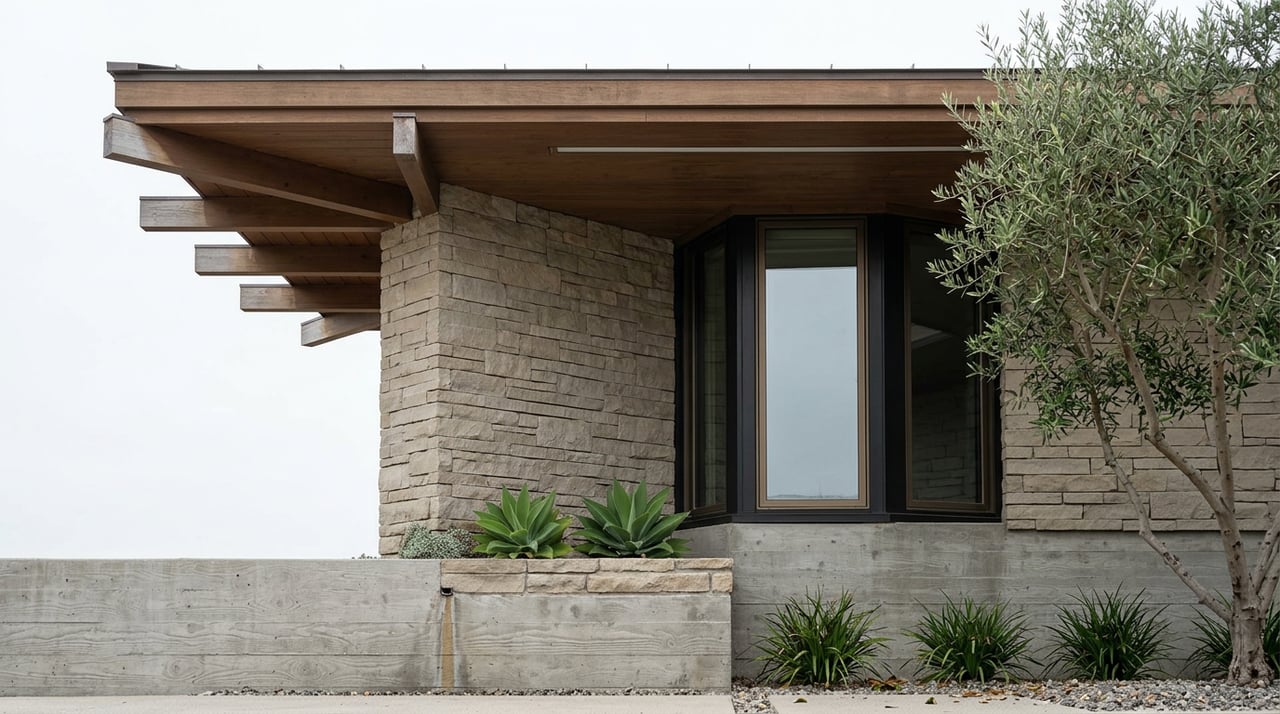
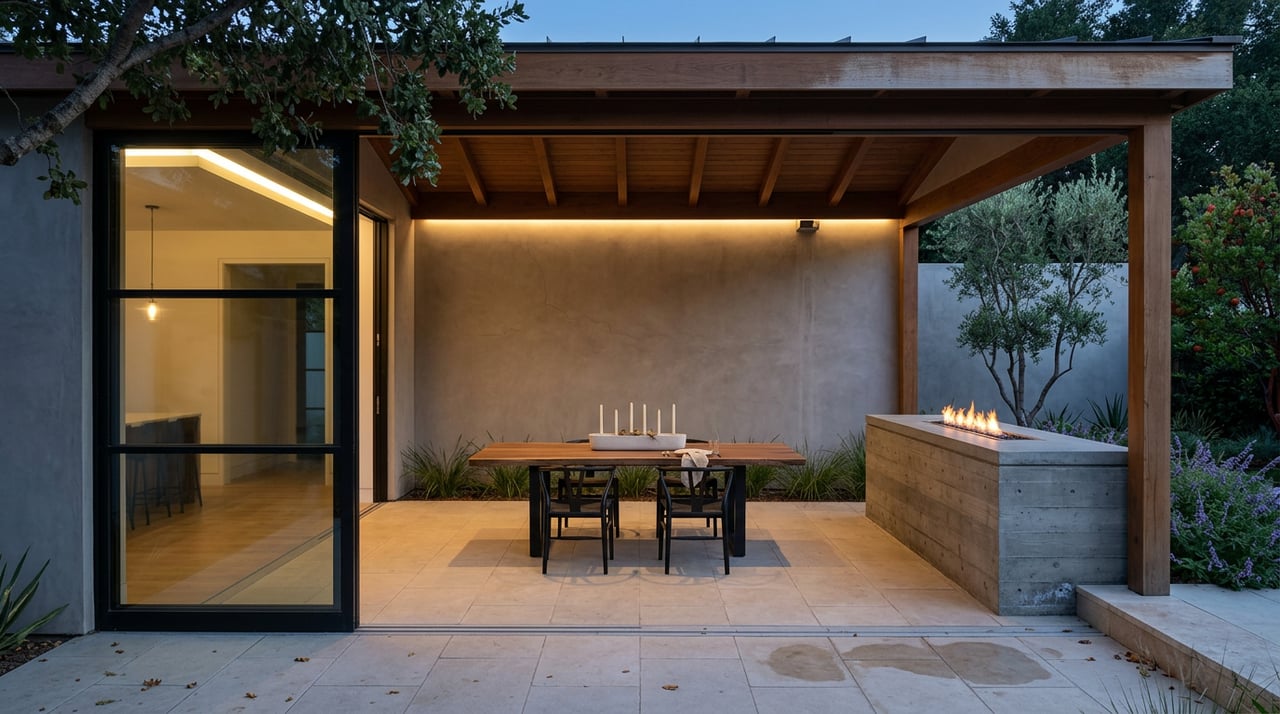
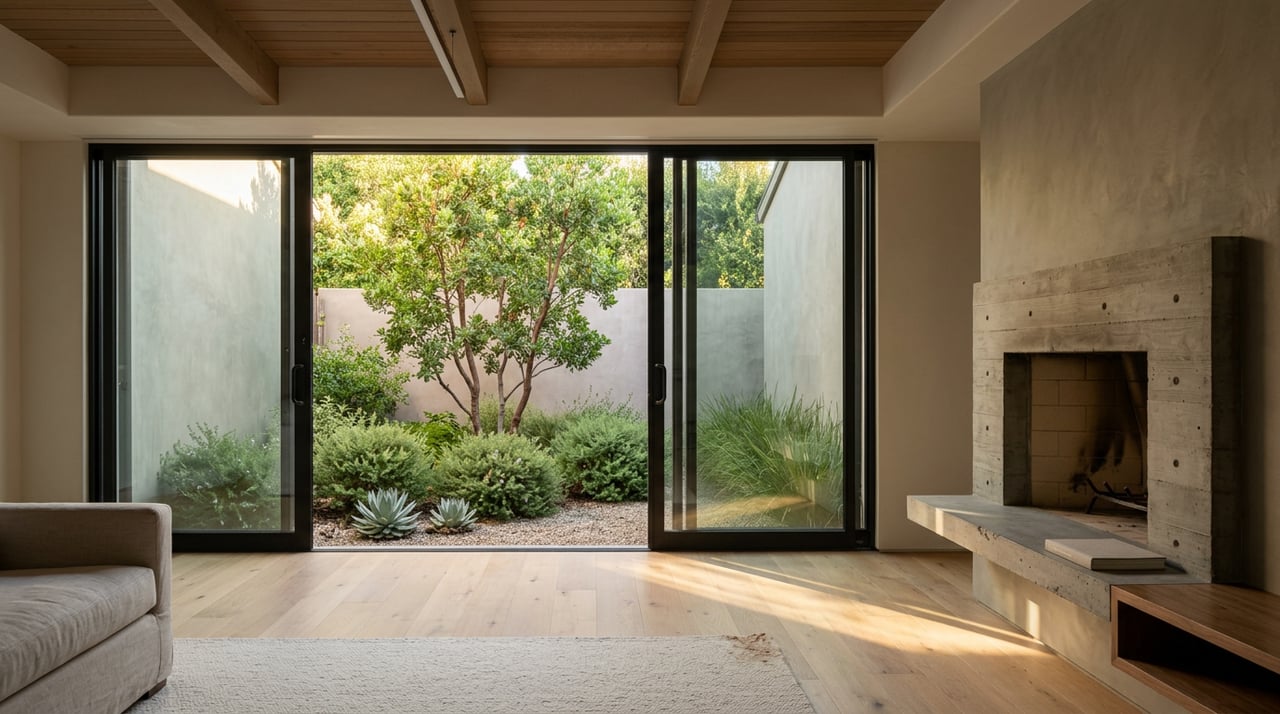
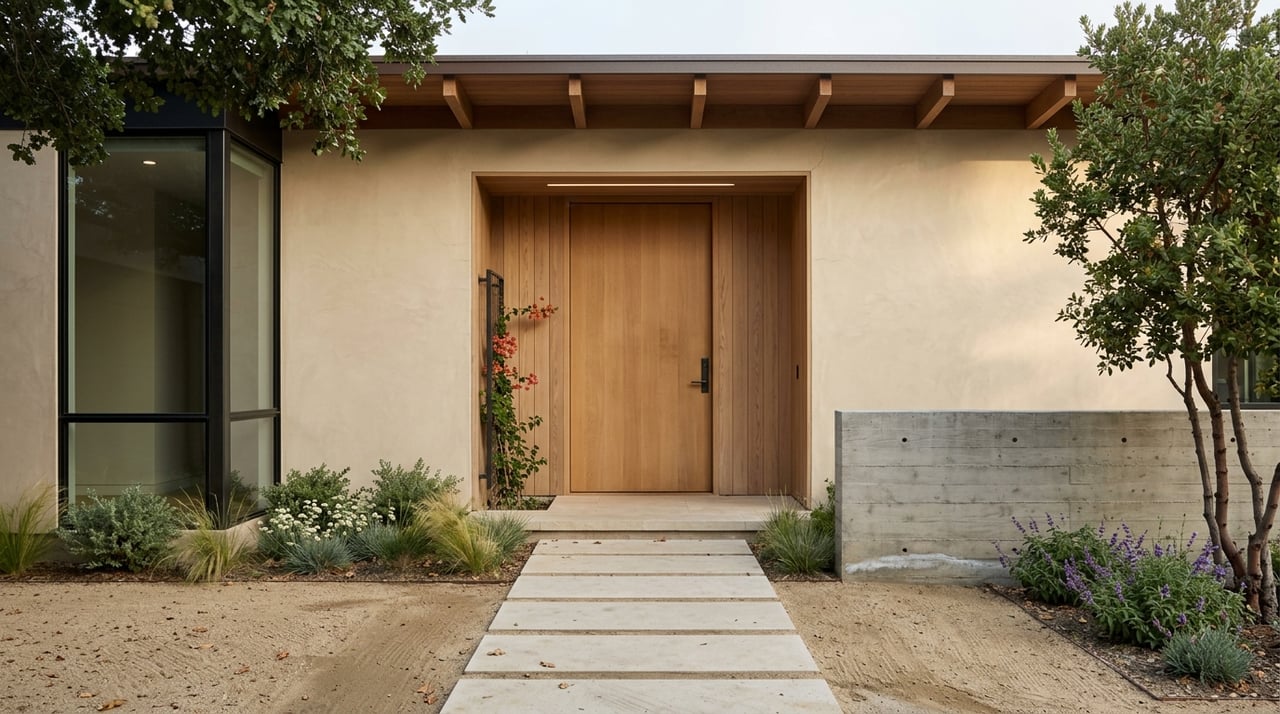
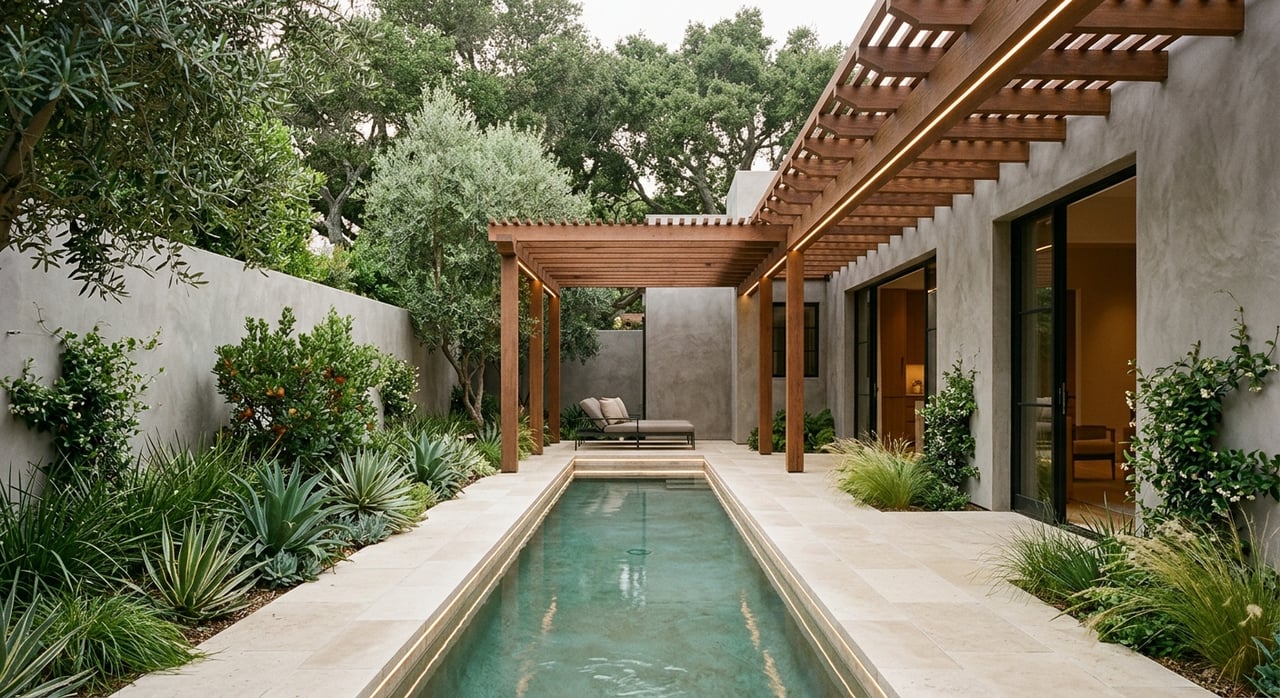
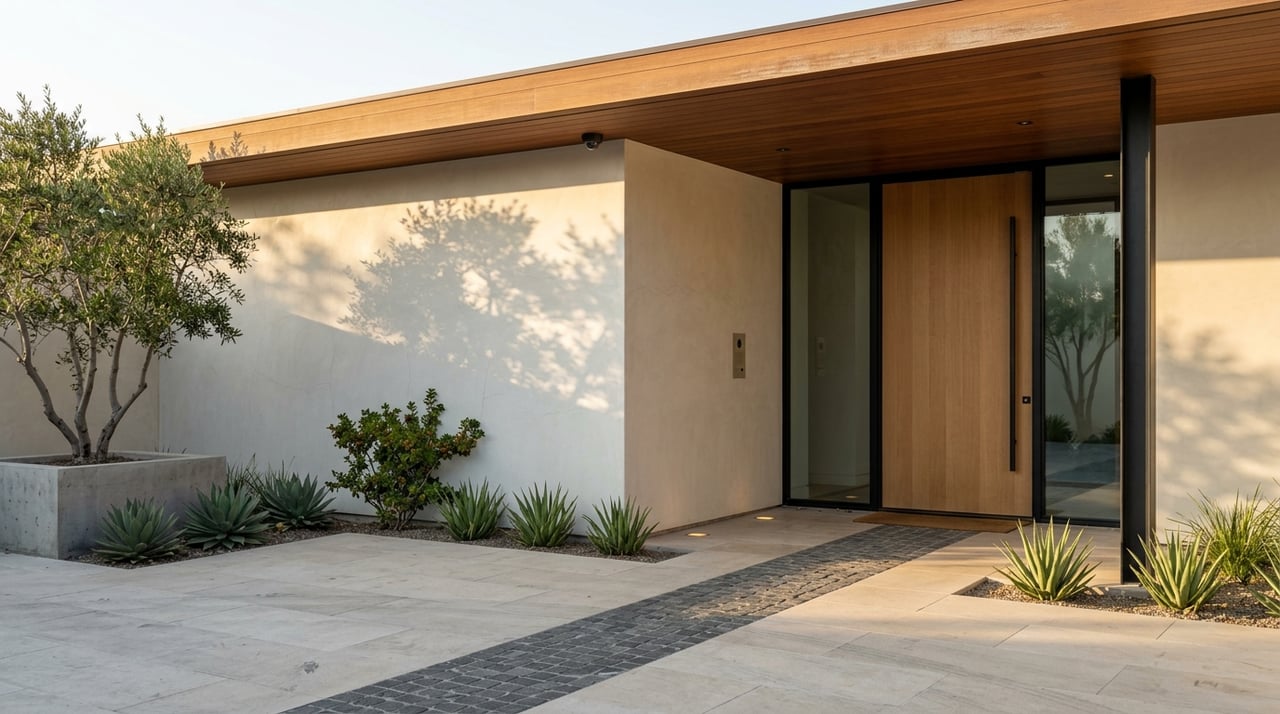
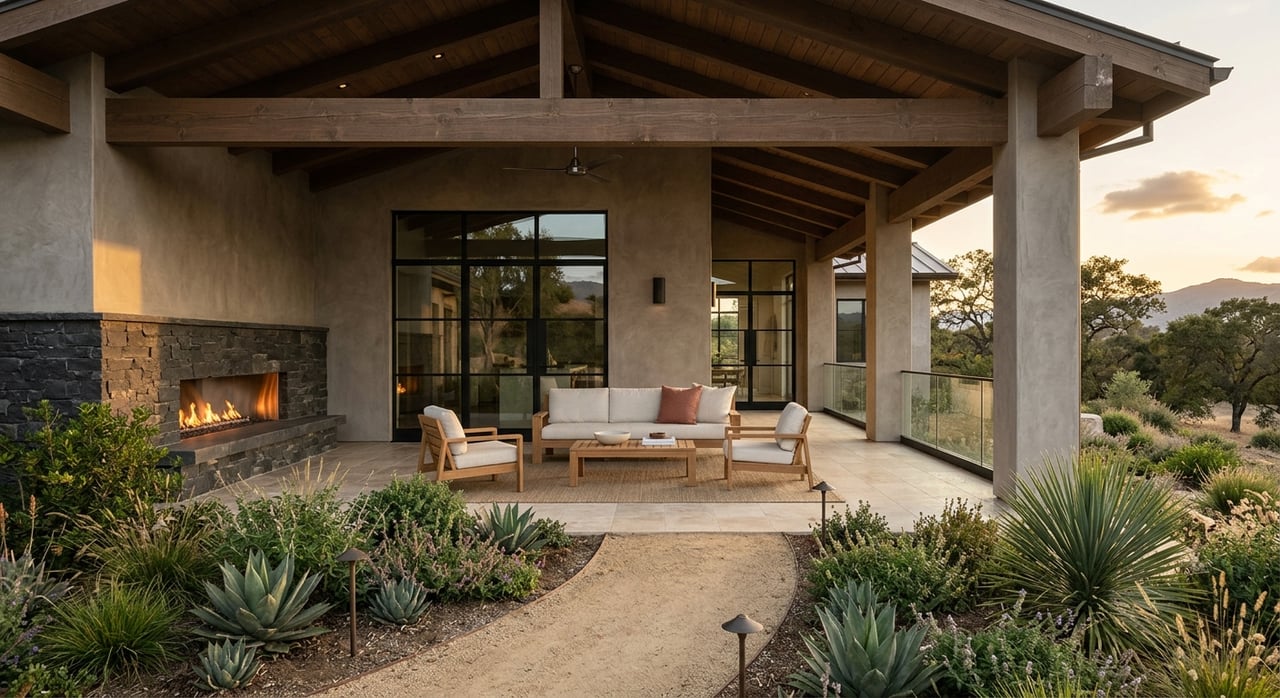
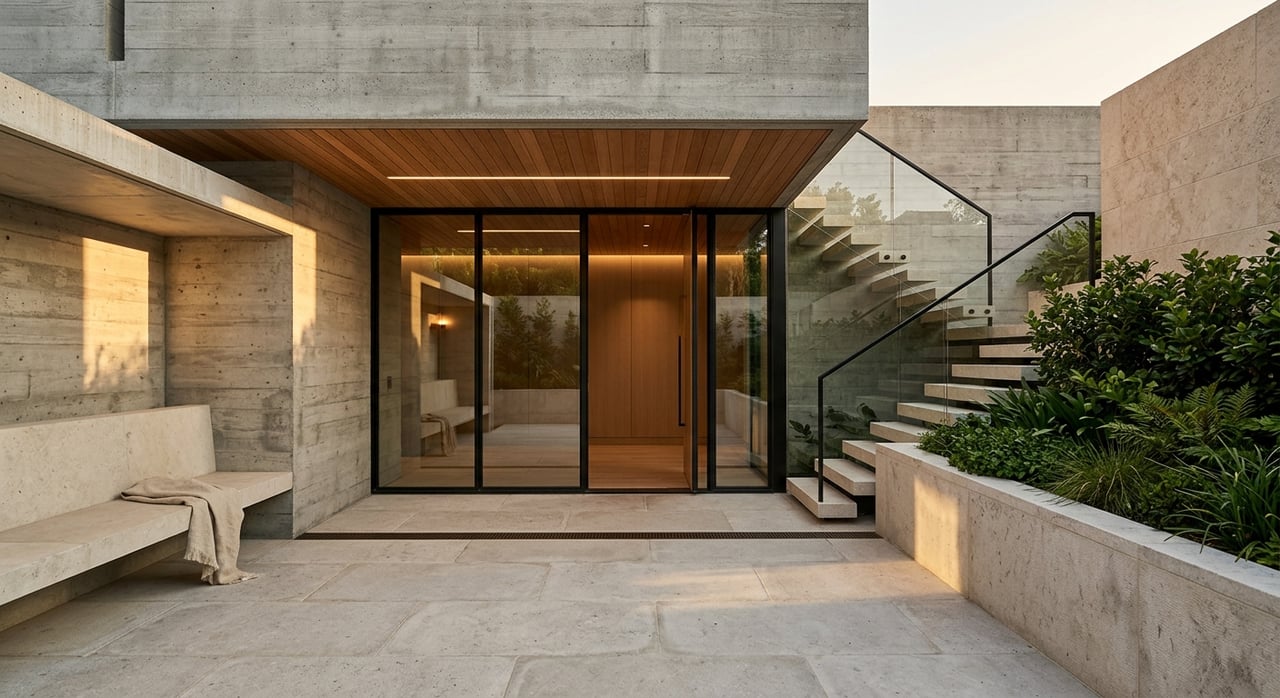
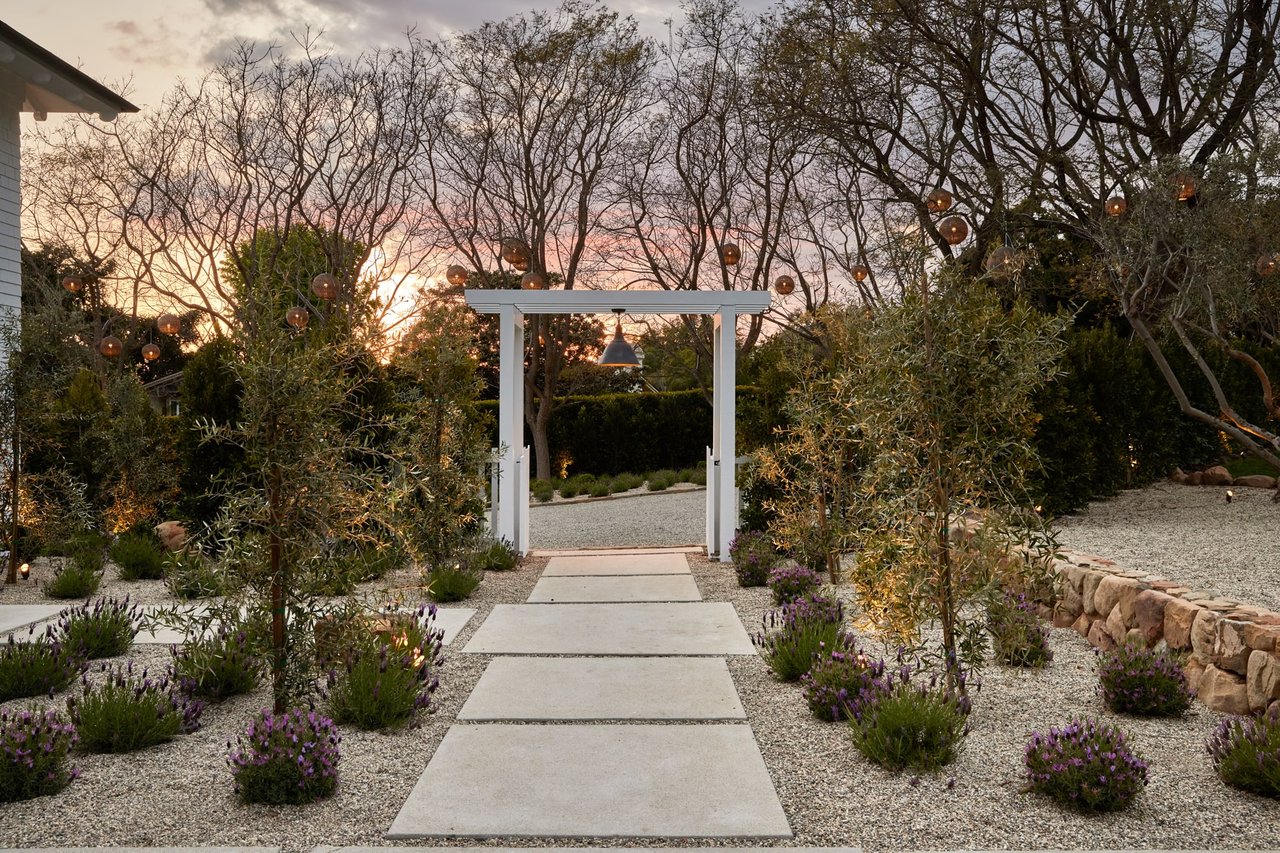
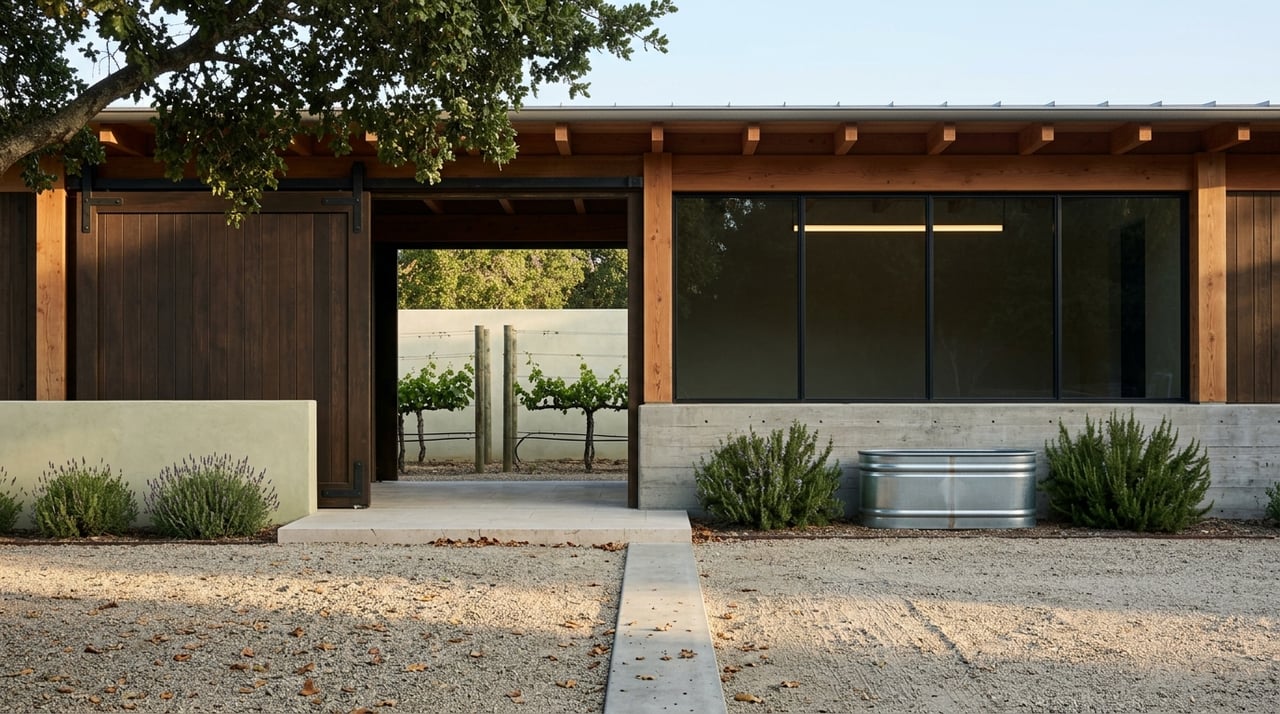
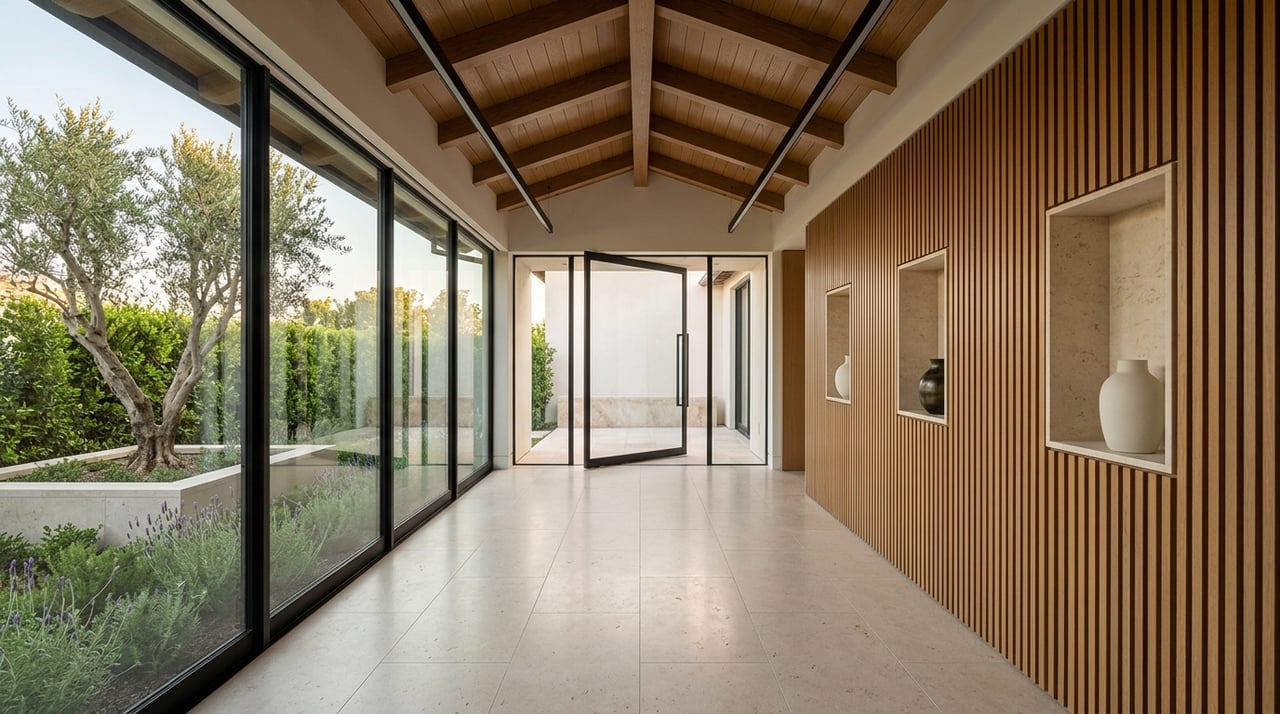
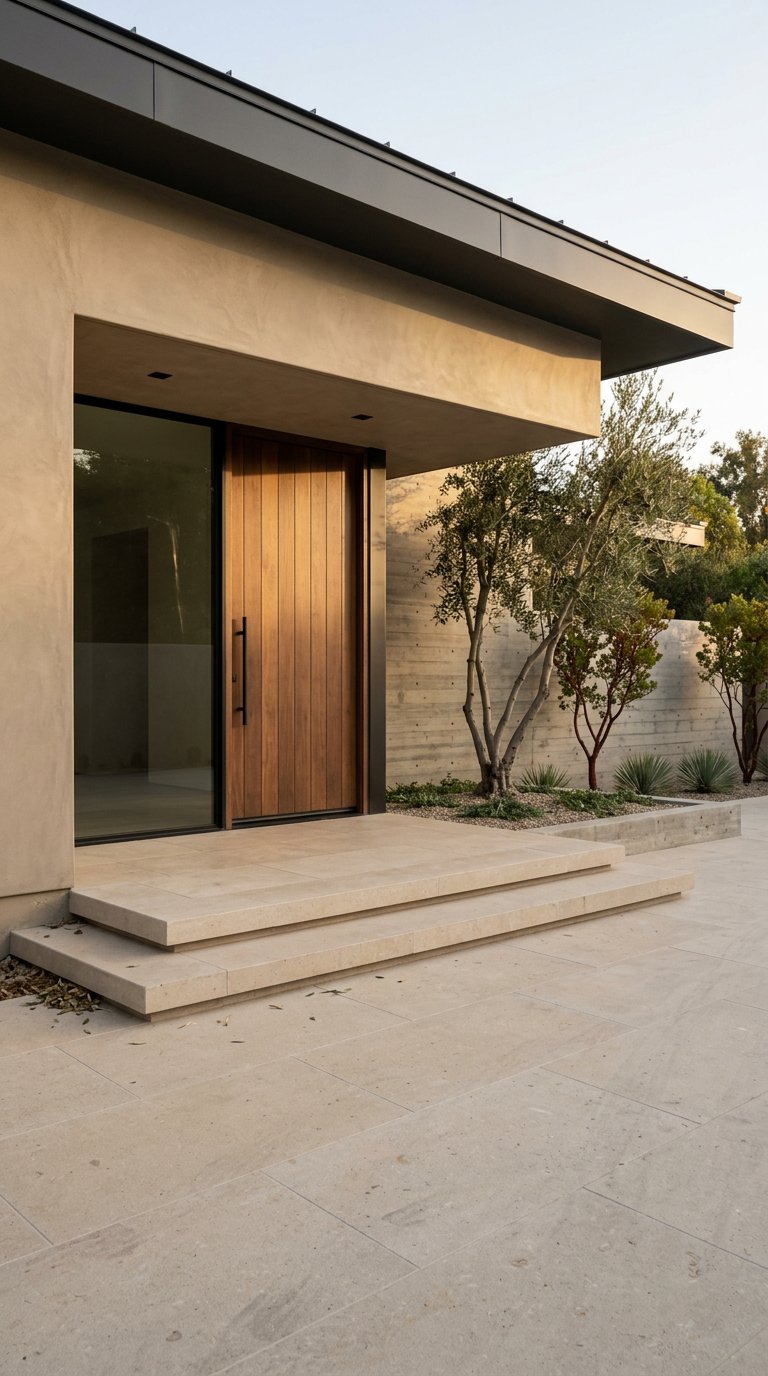
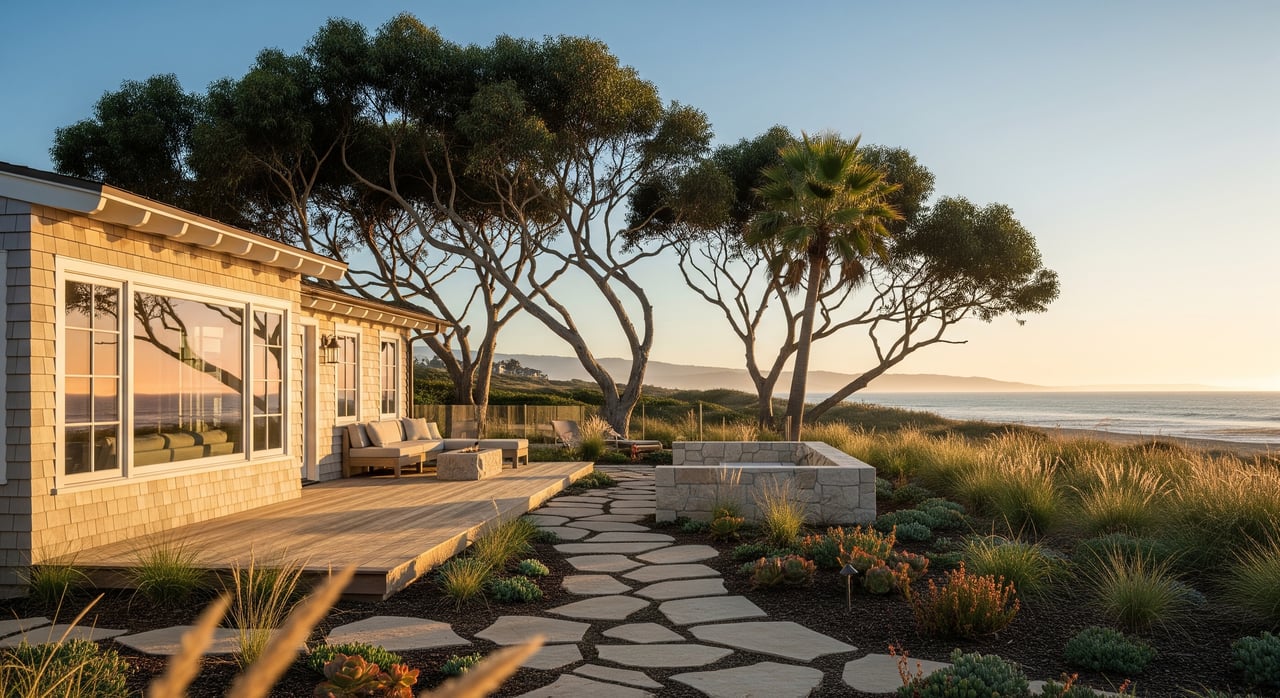
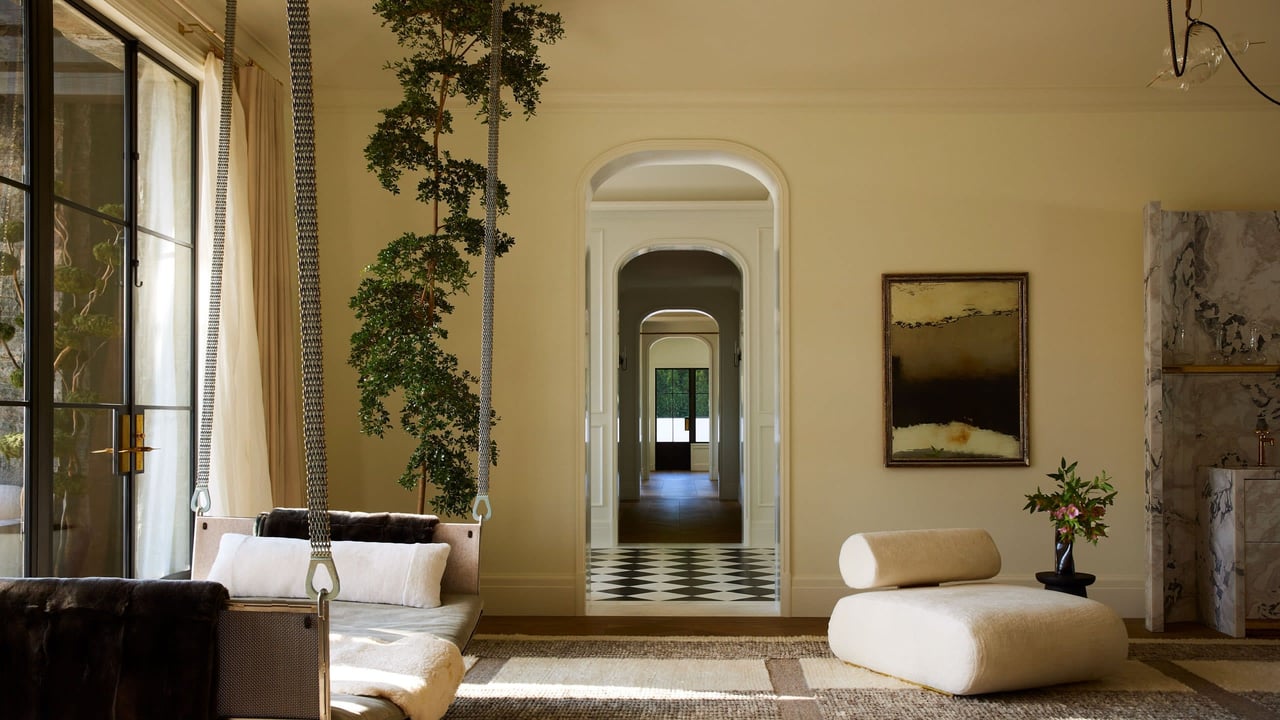
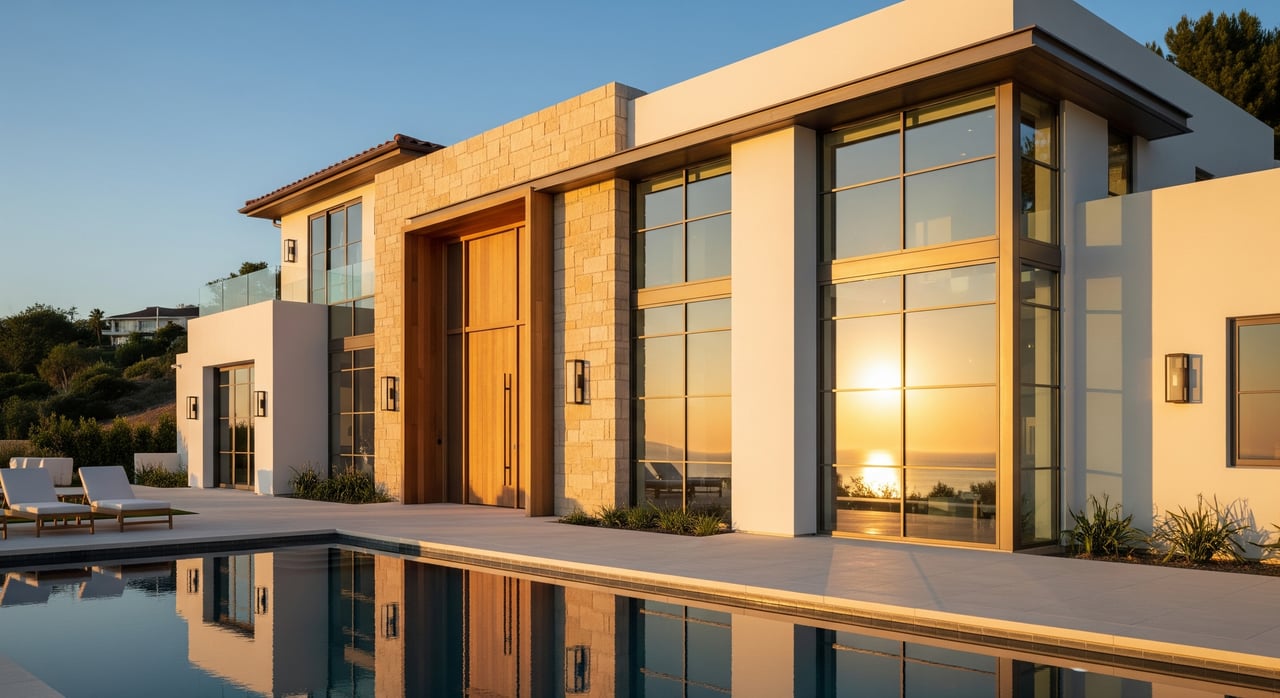
Today’s luxury builds lean contemporary. You’ll see asymmetric forms, expansive glass, mixed cladding like stucco, wood and board‑formed concrete, and open plans that blend kitchens with living spaces. These homes often maximize terraces, pools and view corridors, particularly on hillside parcels.
Contemporary construction generally provides modern systems. Expect engineered structures, high‑performance glazing and improved mechanicals that lower near‑term maintenance. Tastes can shift, though. Resale depends on neighborhood context and how the design ages relative to the block.
Modernist / International Style
Modernist homes use minimal ornament, rectilinear volumes, flat roofs and large glass planes. Many were architect‑driven between the 1930s and 1960s and read more formal than classic Mid‑Century. Materials include concrete, steel, glass and plaster with clear structural expression.
These properties often carry collector interest, especially if architect designed. Marketability improves when systems are upgraded without compromising the original intent. Stewardship matters. Buyers tend to reward projects that preserve the design DNA while making daily life easier.
Materials that matter
Stucco and clay tile
These materials are durable in Southern California but depend on detailing. Confirm flashing at parapets and penetrations, membrane underlayment on tile roofs, and controlled drainage that moves water away from walls. Small stucco cracks are common and manageable when addressed early.
Large glass, steel and sun
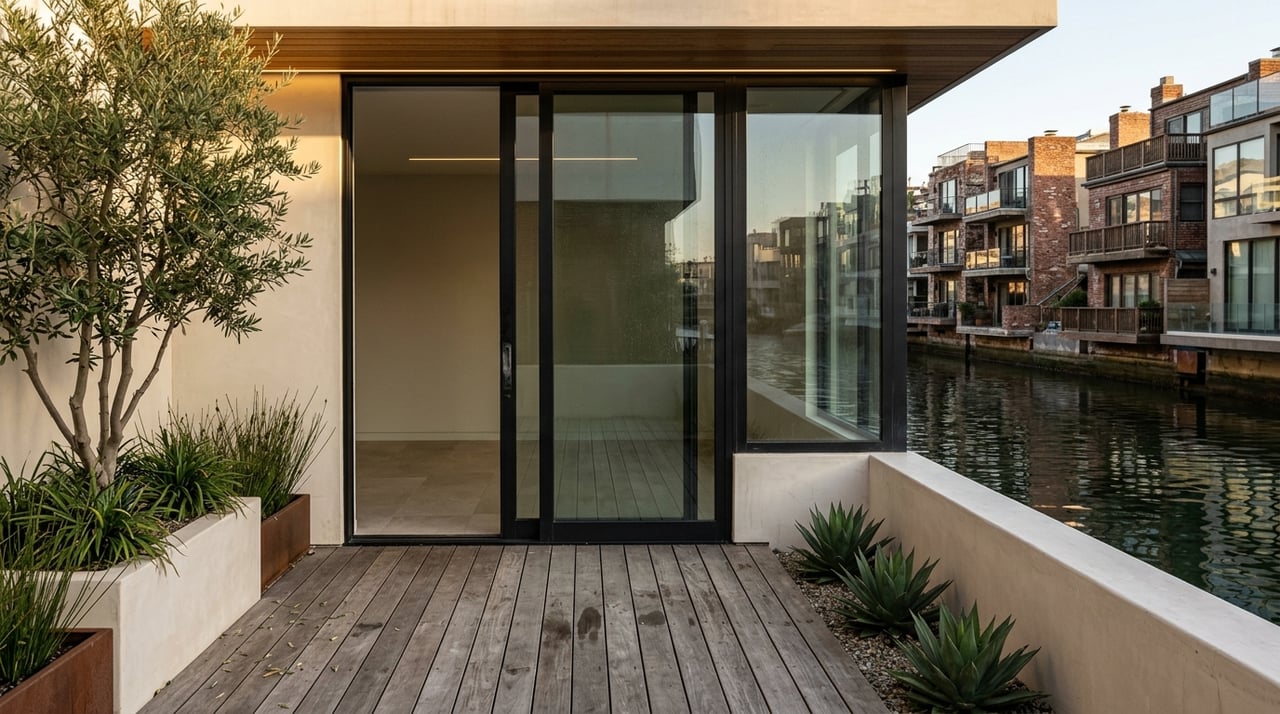
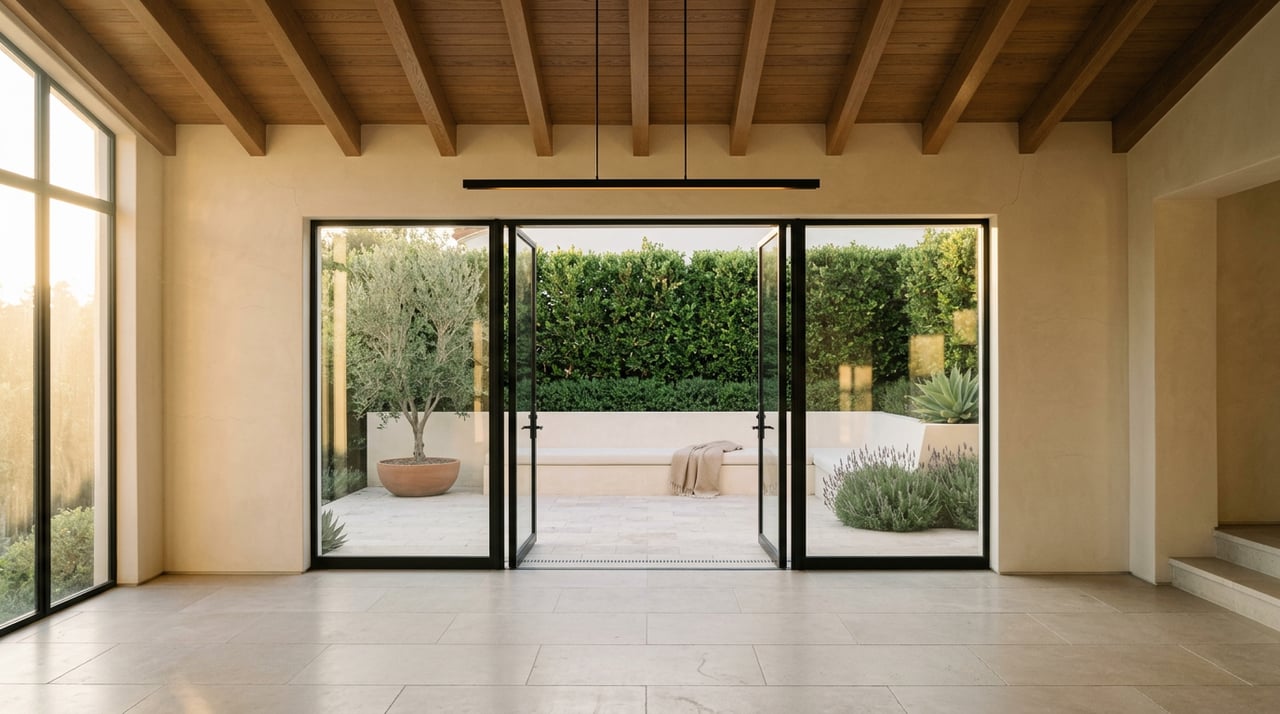
Walls of glass bring light and views, along with higher solar gain. Look for low‑E, tempered or laminated glazing and mechanical systems sized for the envelope. Placement and overhangs can help with shading, especially on west and south exposures.
Flat and low‑slope roofs
Flat roofs are common on Mid‑Century and contemporary homes. They need thoughtful drainage, regular maintenance and periodic membrane renewal. Ponding is a key failure mode. Plan for a roof and drainage assessment during due diligence.
Original Mid‑Century materials
Terrazzo and original wood elements are part of the appeal and require specialist care. Restoration preserves authenticity and value, but budgets should account for custom trades and longer lead times.
Seismic upgrades
Beverly Hills sits in a seismically active region. Many older homes benefit from foundation anchoring, added shear walls and modern connections. For regional risk context, review USGS resources on Southern California. For retrofit best practices, FEMA offers clear guidance to inform planning.
Floor plans and flow
Single‑story vs multi‑level
Single‑level homes support easy flow and accessibility, which is why many hillside Mid‑Century estates feel effortless to live in. Multi‑level plans create separation between public and private spaces and can fit smaller or steeper lots more efficiently. Choose based on how you entertain, work and host.
Open plan vs defined rooms
Open plans suit gatherings and bring more light through the core. Period homes like Spanish Revival often have smaller, defined rooms that feel cozy and quiet. Many buyers open selective walls, then reinforce structure to protect both safety and character.
Indoor‑outdoor living
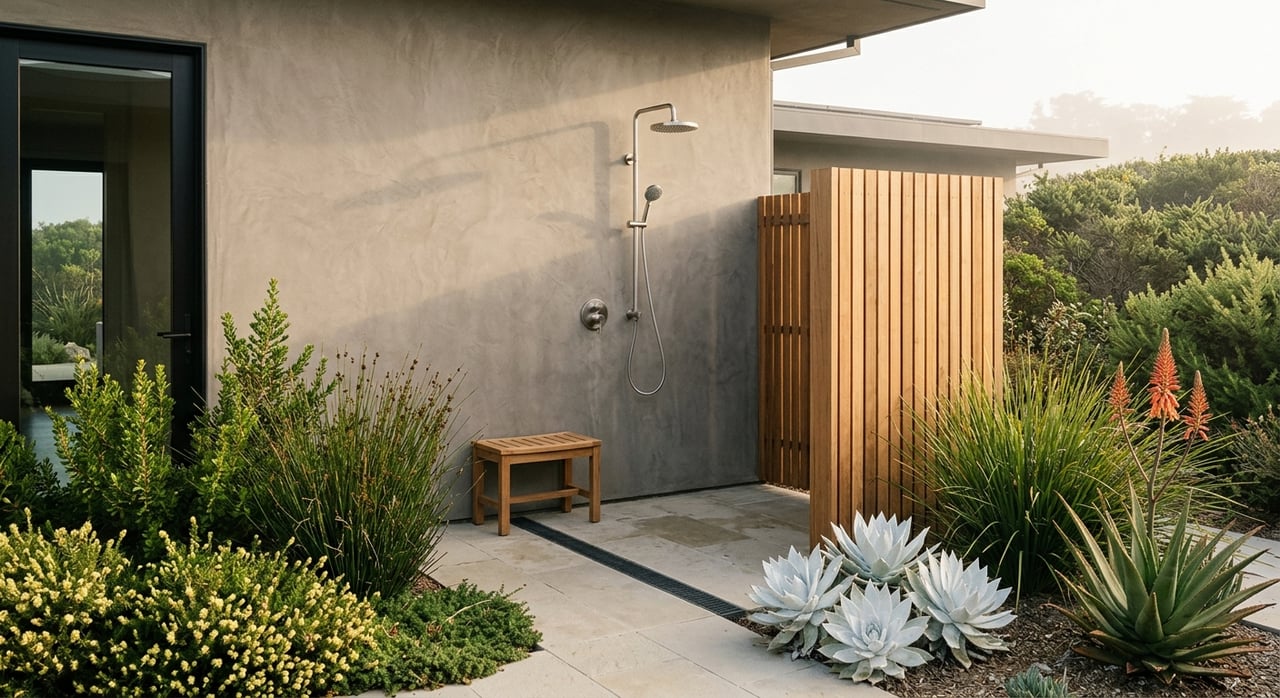
Terraces, loggias and pools are high‑value features in Beverly Hills. Orientation, privacy and slope shape how usable those spaces feel. On hillsides, consider how grade, walls and planting handle water while preserving views and screening.
Service and guest spaces
Luxury properties often include staff quarters, generous garages and discreet circulation. These elements matter for resale, especially at higher price points where convenience and privacy are top priorities.
Site and orientation
View premiums
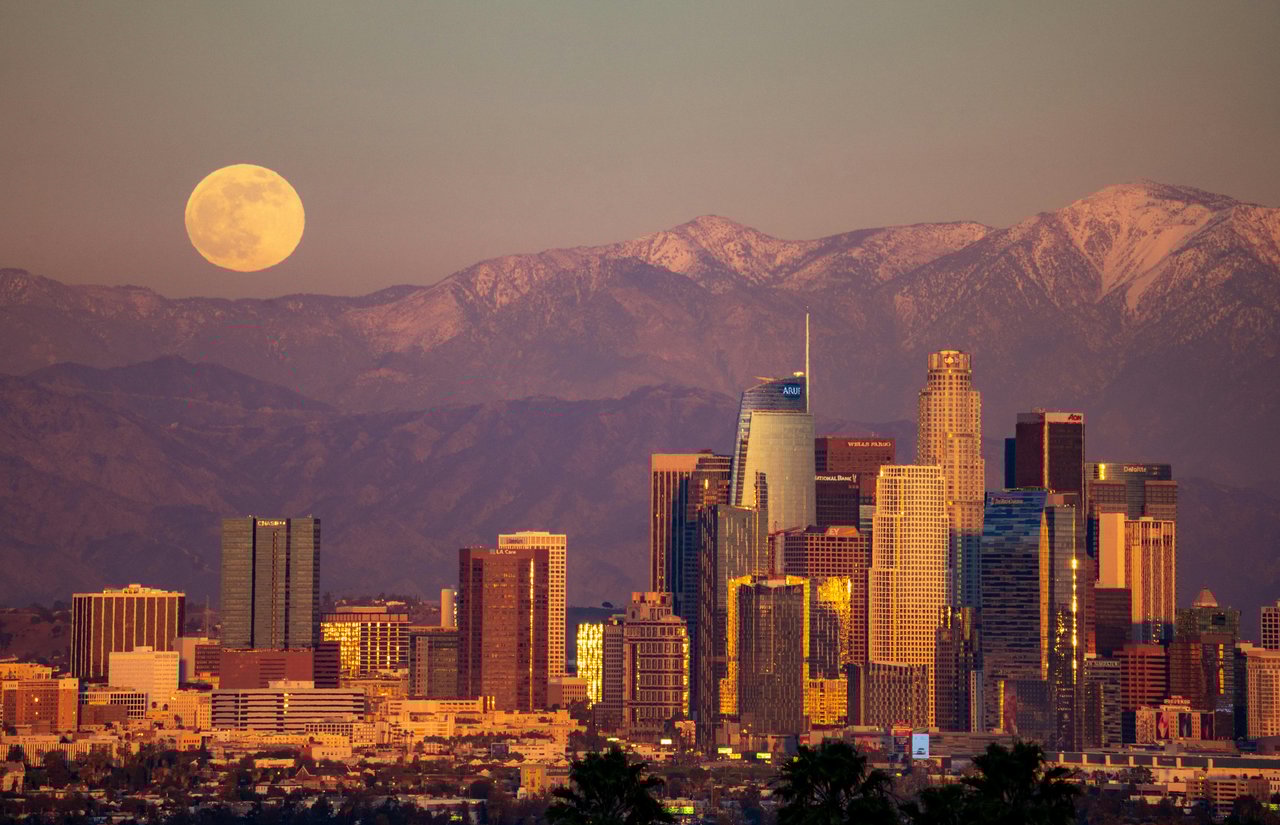
Homes oriented toward the LA Basin, downtown skyline or canyon views tend to earn premiums. Mid‑Century hillside houses were often sited to frame these view corridors, which still drives demand today.
Flats vs hillside
Larger, flat lots in the Flats support gardens, sport spaces, guest houses and easier access. Steep hillside parcels require more site engineering and can carry higher build and maintenance costs. If you plan to expand, understand setbacks and slope constraints early.
Privacy and access
Hedging and gates are common tools for privacy. Extreme grading can complicate access and emergency response. Confirm driveway slopes, turning radii and gate widths during inspections.
Drainage and slope stability
Hillside homes should be evaluated for slope stability, retaining wall condition and site drainage. Consider geotechnical reports as part of due diligence. It is a smart way to reduce surprises and protect long‑term value.
Architecture and value
Pedigree and intact fabric
Architectural authorship and original details can command premiums among collectors and preservation‑minded buyers. Stewardship supports both cultural value and market value. The National Trust for Historic Preservation offers helpful context on why historic properties retain economic vitality.
Modernization of systems
Upgraded HVAC, electrical, insulation, glazing and seismic measures improve daily comfort and widen the buyer pool. Quality work that respects the original architecture tends to pay off at resale.
Neighborhood context
Compatibility with surrounding scale and style matters. A celebrated Mid‑Century in Trousdale reads as iconic. The same house on a block of recent mega‑builds may have a different trajectory unless preservation and privacy are strong selling points.
Where to see these styles
- The Flats. Grid streets with a high concentration of Spanish Revival and other period styles. You will also find institutional and boutique hotel references to Mediterranean language.
- Trousdale Estates. A hillside enclave renowned for Mid‑Century and modernist estates sited for panoramic views, frequently profiled in Dwell and other design media.
- BHPO. Beverly Hills Post Office includes adjacent Los Angeles neighborhoods with 90210 mailing addresses. Many buyers include BHPO for larger lots, privacy and modern hillside architecture. Always confirm municipal boundaries and applicable rules with the City.
- Local landmarks. The Beverly Hills Hotel illustrates the city’s historic Mediterranean character at resort scale, while the whimsical Spadena House highlights early 20th‑century eclecticism. For broader context on local history and preservation, visit the Los Angeles Conservancy and the Los Angeles Times for neighborhood reporting.
Quick evaluation checklist
- Confirm City of Beverly Hills vs BHPO and understand planning and permit paths.
- Study neighborhood context, recent teardown vs preservation trends and lot patterns.
- Order structural, geotechnical and roof or drainage reports when relevant.
- Assess authenticity versus modernization. Note original materials and features worth preserving.
- Budget for seismic and energy upgrades, especially in older Spanish Revival and Mid‑Century homes.
- Consult a local architect or contractor early to price desired changes and timelines.
- Request prior permits, renovation history and any historic designation or restrictions from the listing side.
Restore or rebuild
There is no single right answer. Consider the neighborhood, the home’s pedigree and how much work is needed to meet modern standards. Sensitive restorations can protect historic premiums, while rebuilds increase usable square footage and systems performance. If a property may qualify for designation, review cultural heritage processes on the City of Beverly Hills Community Development site and engage an experienced local architect early.
Call next
If you are weighing style, site and scope, a grounded plan will save you time and capital. For nuanced guidance on architectural value, due diligence and positioning, connect with Eric Haskell for discreet, design‑literate representation.
FAQs
What is the difference between Beverly Hills and BHPO for buyers?
- The City of Beverly Hills and the Beverly Hills Post Office area can have different planning rules and services, so confirm the property’s jurisdiction and review City of Beverly Hills Community Development guidance before planning work or assuming permit timelines.
What inspections are essential for Beverly Hills hillside homes?
- In addition to general inspections, order a geotechnical review, structural assessment of retaining walls, and a roof and drainage evaluation to address slope stability and water management.
Do historic homes in Beverly Hills require special approvals?
- Yes, some properties fall under cultural heritage procedures that require review for certain changes, so check designation status and consult City Community Development resources early in the process.
How do large glass walls affect comfort and operating costs?
- Extensive glazing increases solar gain and cooling loads, so look for high‑performance glass and properly sized HVAC; FEMA and USGS resources can inform broader retrofit and regional risk planning.
Where are Mid‑Century homes concentrated in Beverly Hills?
- Many Mid‑Century estates are in Trousdale Estates and other hillside areas designed to capture views, often featured in Dwell and other design media.