If you are comparing Beverly Hills flats and hillside estates, you are really comparing two very different ways of living within the same small city. In Beverly Hills, the difference is less about distance and more about topography, planning rules, access, and how a home sits on its site. For buyers and sellers alike, understanding those distinctions can help you make a more confident decision about fit, value, and long-term usability. Let’s dive in.
How Beverly Hills Defines These Areas
Beverly Hills is just 5.7 square miles, but its single-family framework is clearly divided by the city. In official planning terms, the city separates these properties into the Central Area, Hillside Area, and Trousdale Estates.
For most buyers, the flats generally align with the Central Area, while hillside estates fall into the Hillside Area. That matters because the city applies different review standards and permitting expectations depending on where a property is located.
Why the Flats Feel Different
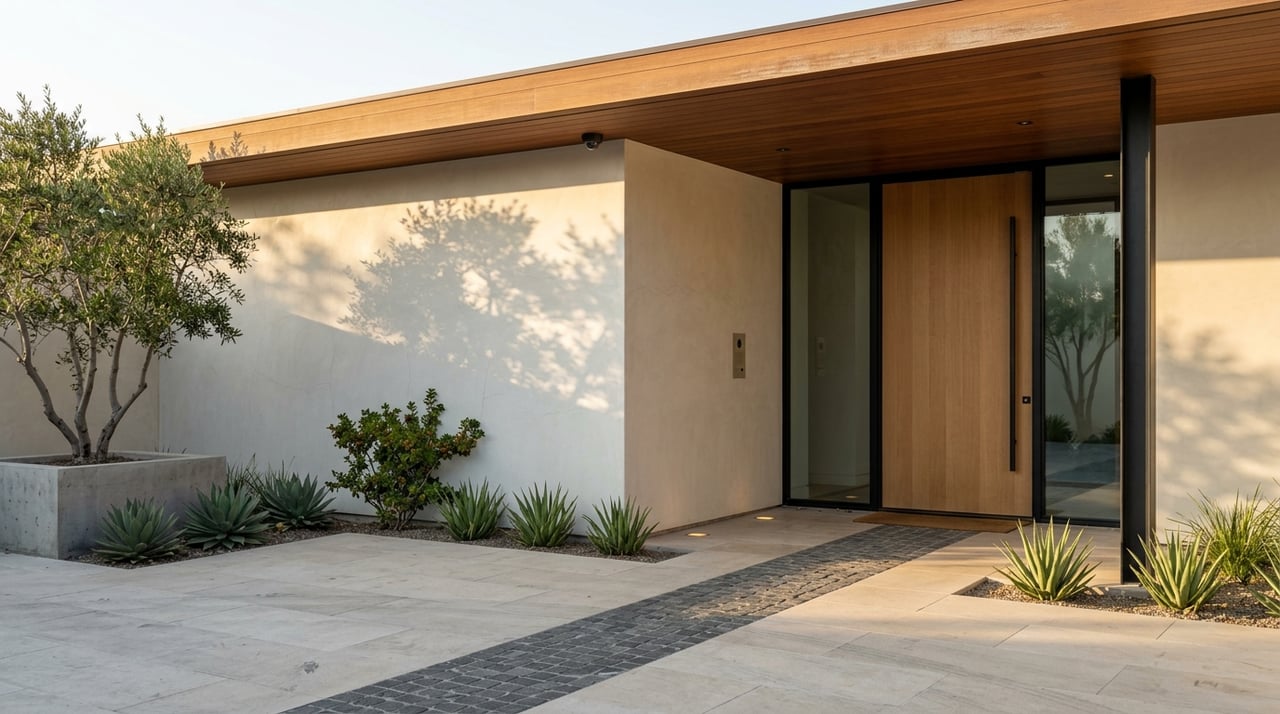
In the Central Area, the city places a strong emphasis on what is visible from the street. Façade remodels, painting, window replacement, and new roofing can trigger design review when those changes are visible from a public street.
When the city reviews Central Area projects, it considers design compatibility, prevailing styles, neighborhood character, scale, and mass. In practical terms, that means homes in the flats often carry a stronger relationship to the public-facing streetscape and a more formal sense of street presence.
Street Presence and Layout
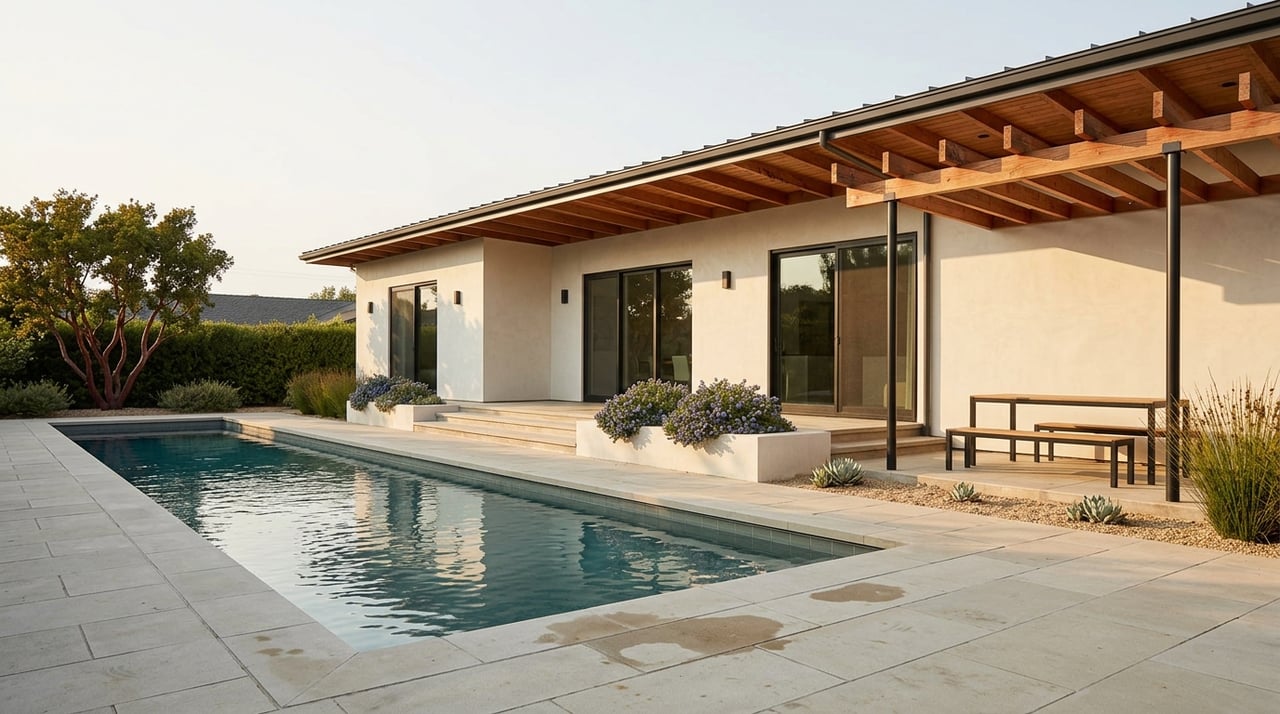
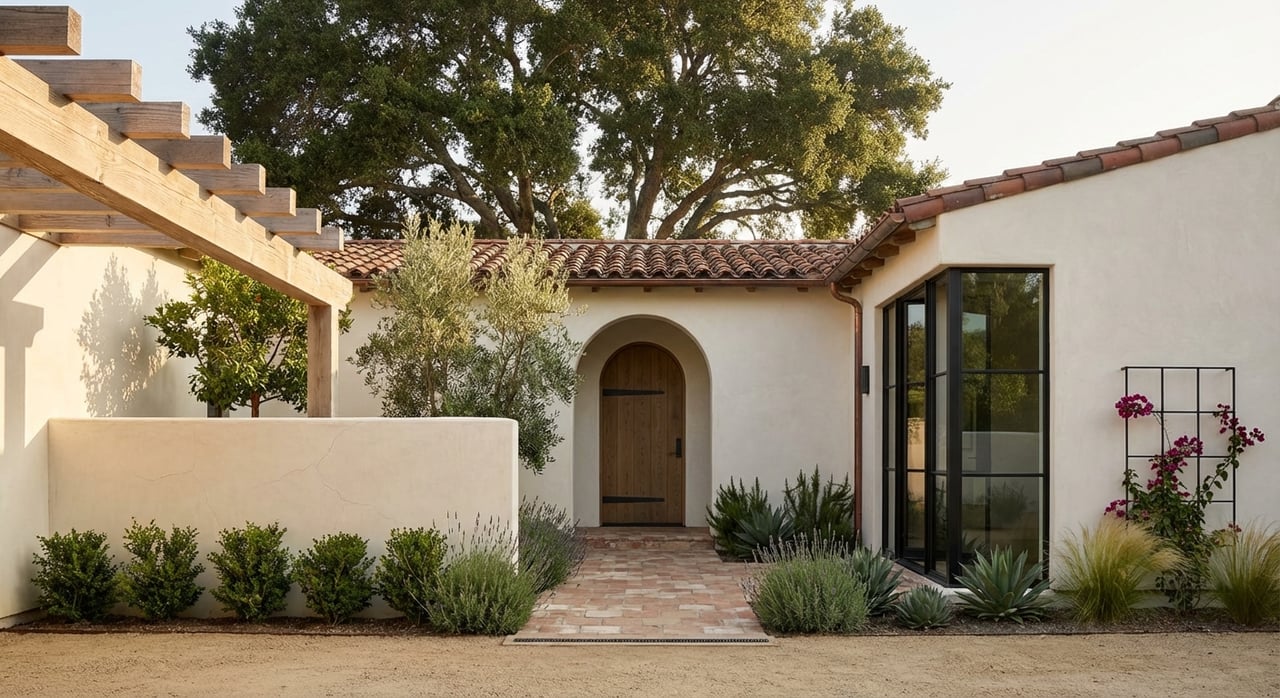
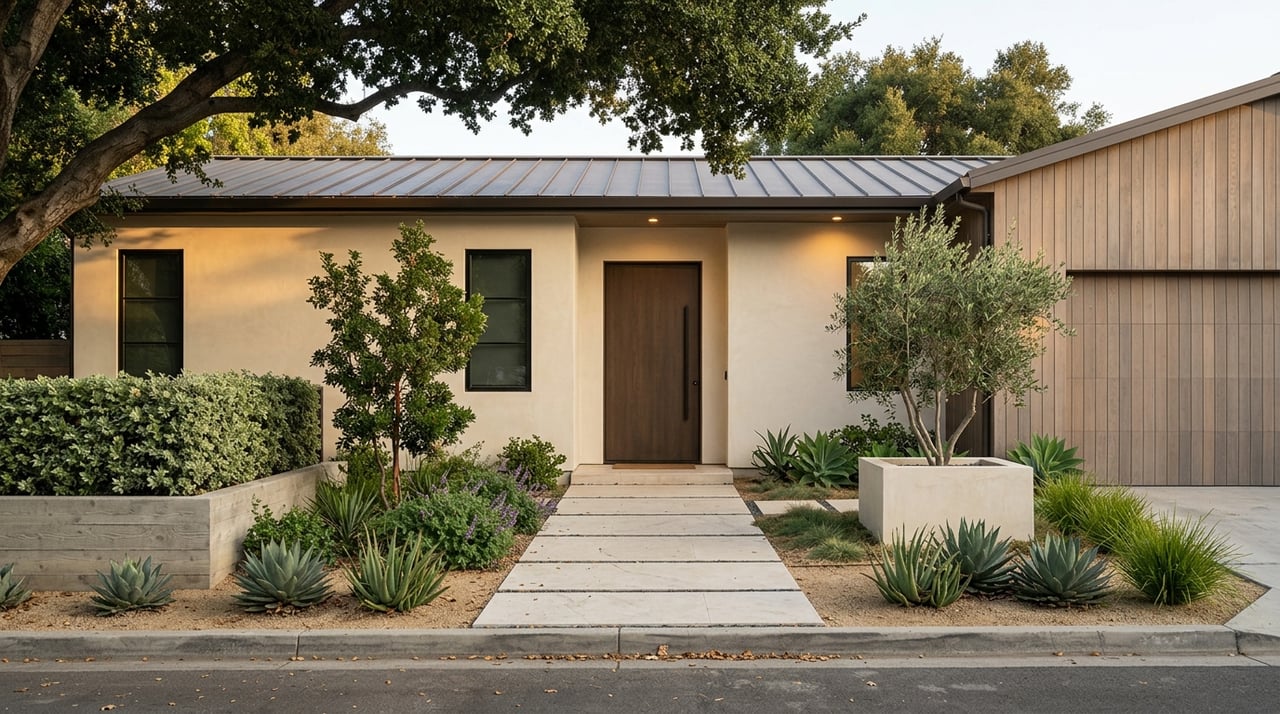
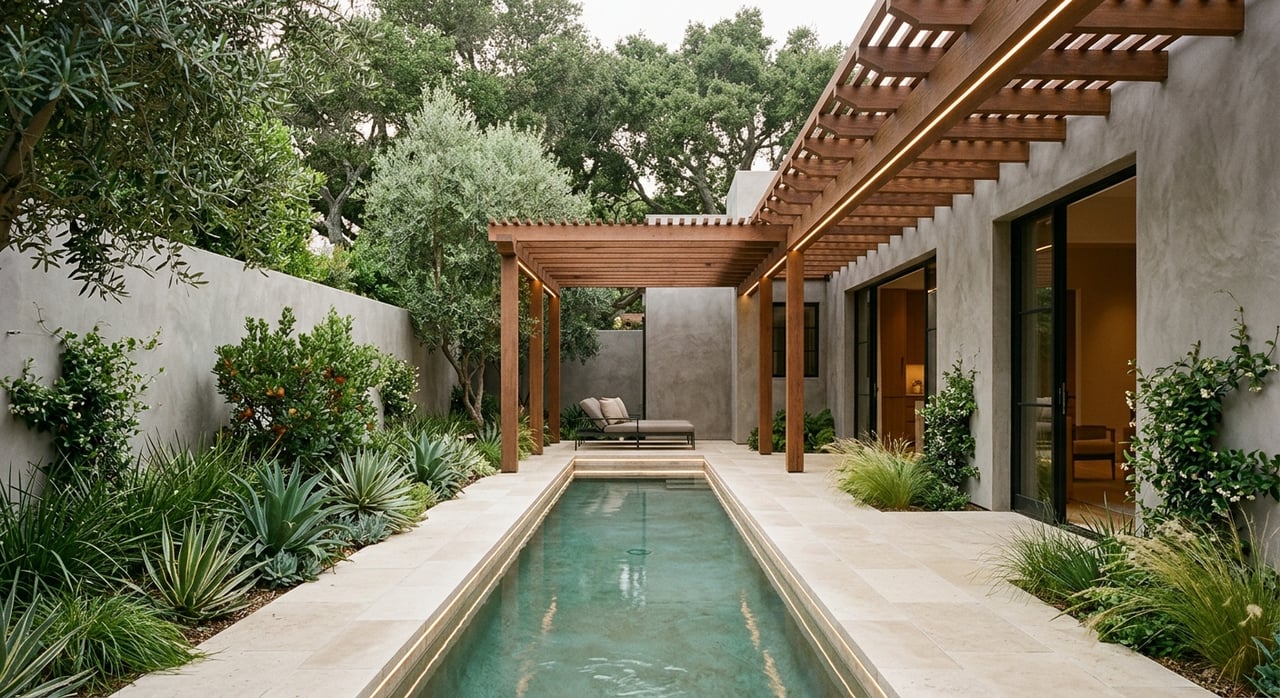
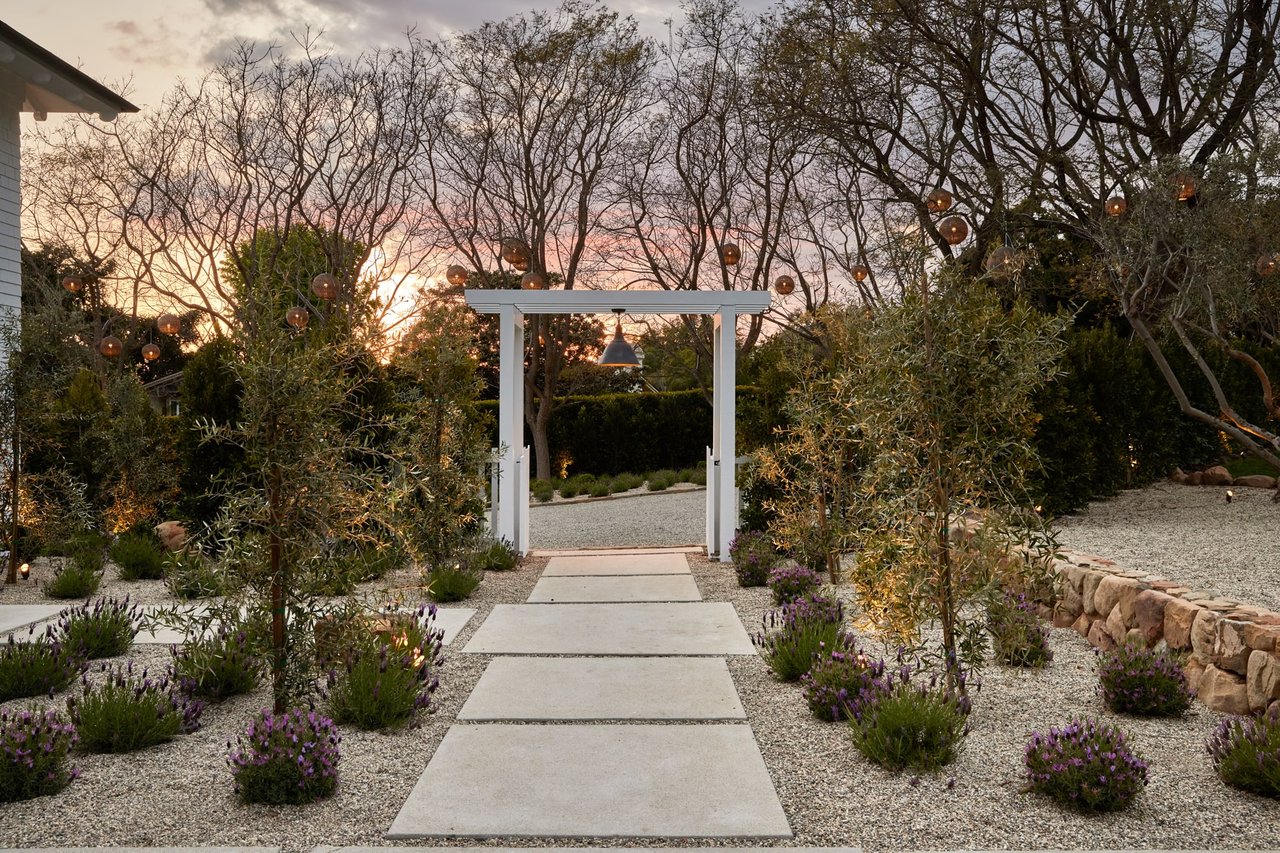
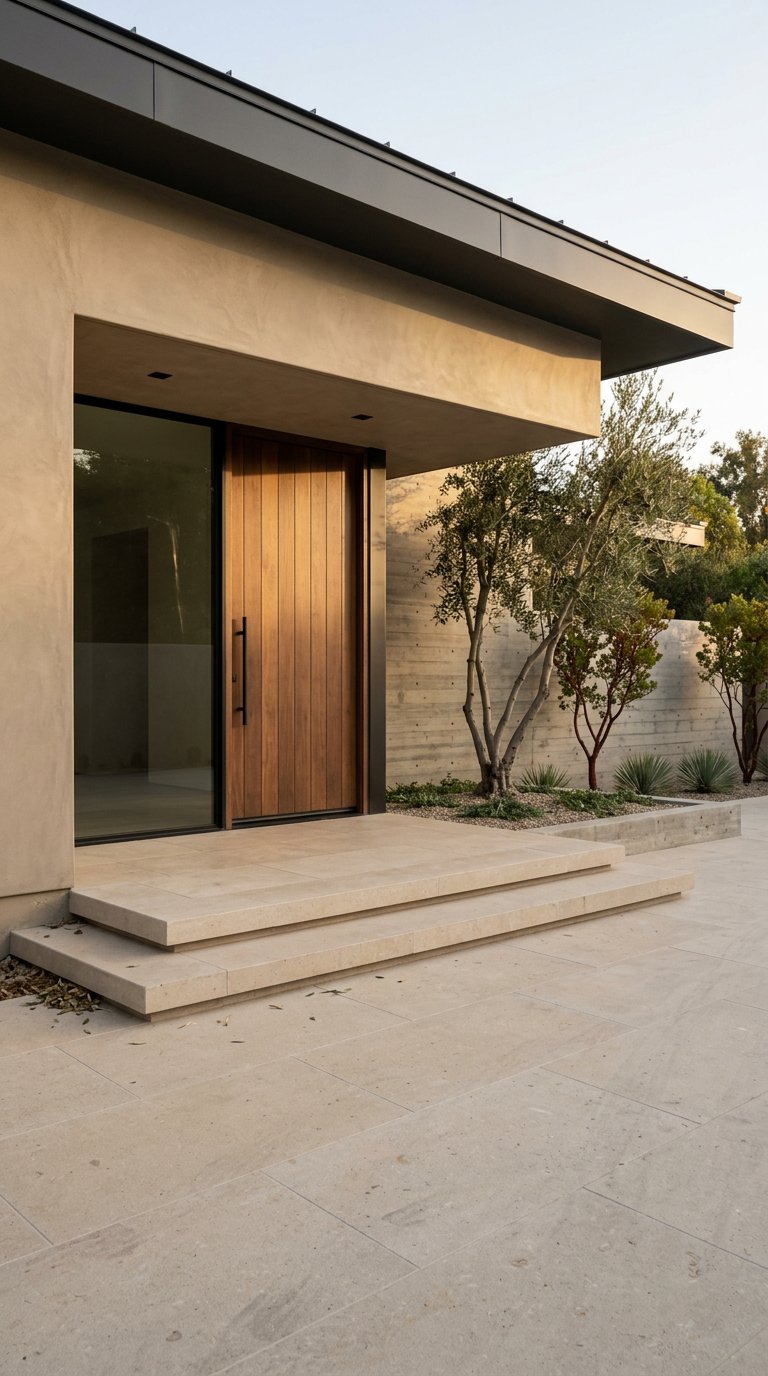
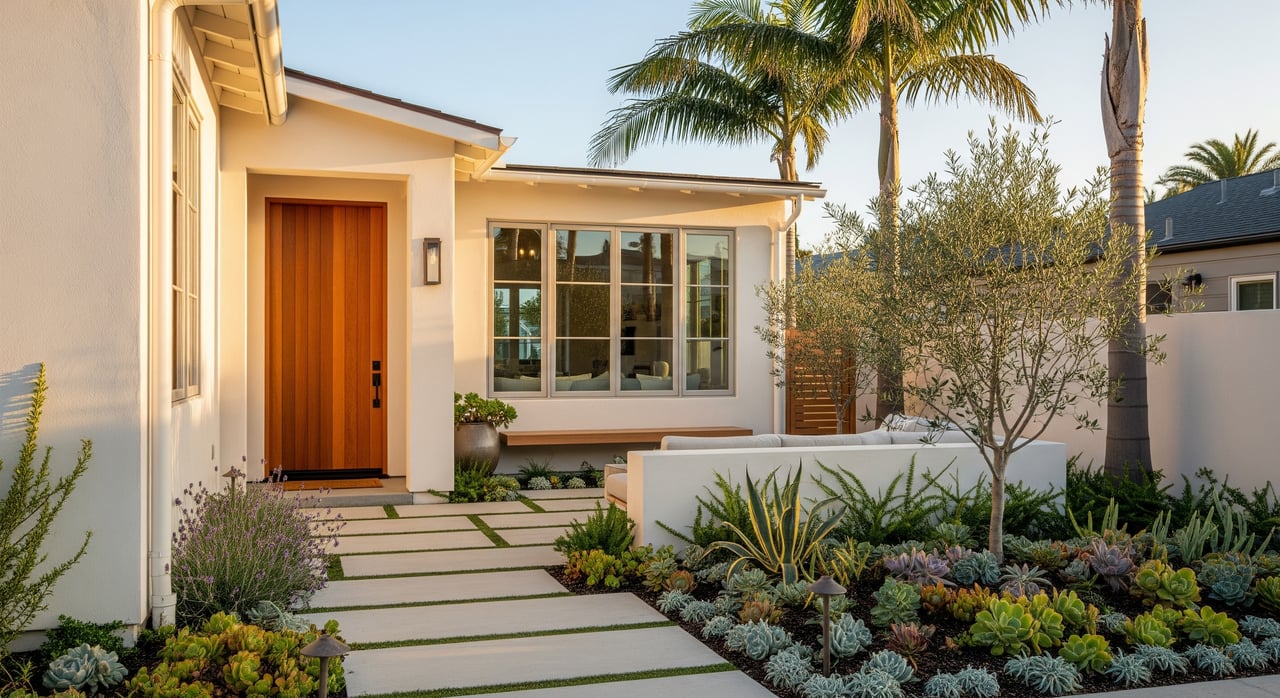
Flat-lot homes often function more like classic city estates. They usually offer a more direct relationship between the street, garage, front entry, and outdoor space.
That simpler at-grade circulation can make everyday living feel easier. Guest arrival, valet-style access, and movement between indoor and outdoor areas often feel more straightforward on flatter parcels.
Renovation in the Flats
Renovating in the flats can still be detailed and highly regulated, but the focus is different from the hills. In the Central Area, the city’s attention is often centered on visible design elements and how a project fits the surrounding streetscape.
For owners considering updates, that can make the process feel more design-review-heavy rather than terrain-heavy. The path may be more conventional than on a sloped site, even when the architecture itself is ambitious.
What Sets Hillside Estates Apart
Hillside estates are shaped first by the land itself. In Beverly Hills, the Hillside Area does not have the same design review process as the Central Area, but it has its own rules that specifically address landform alteration and view preservation.
That difference is important. In the hills, the site is often the starting point for design, construction, and long-term ownership decisions.
Slope Changes the Design
Hillside properties usually need to respond to elevation, grading, and level-pad constraints. As a result, these homes often feel more site-specific, with massing and layout driven by the contours of the lot.
A simple way to think about it is this: flats often read as broader and more horizontal, while hillside homes more often lean into vertical composition. Both can be architecturally significant, but they tend to express that significance differently.
Permitting Is More Technical
For hillside projects, Beverly Hills requires more technical documentation. Application materials can include a geotechnical or civil grading plan, cut-and-fill calculations, an existing level-pad analysis, a soils report, and cross-sections showing how the project relates to adjacent properties.
The city also requires permits before construction, and its building code states that grading cannot occur without a grading permit or authorization from the building official. If you are evaluating an older or heavily reworked hillside property, permit records may also include geological and soils reports, along with field and parking surveys.
Architecture and Character Across Both Areas
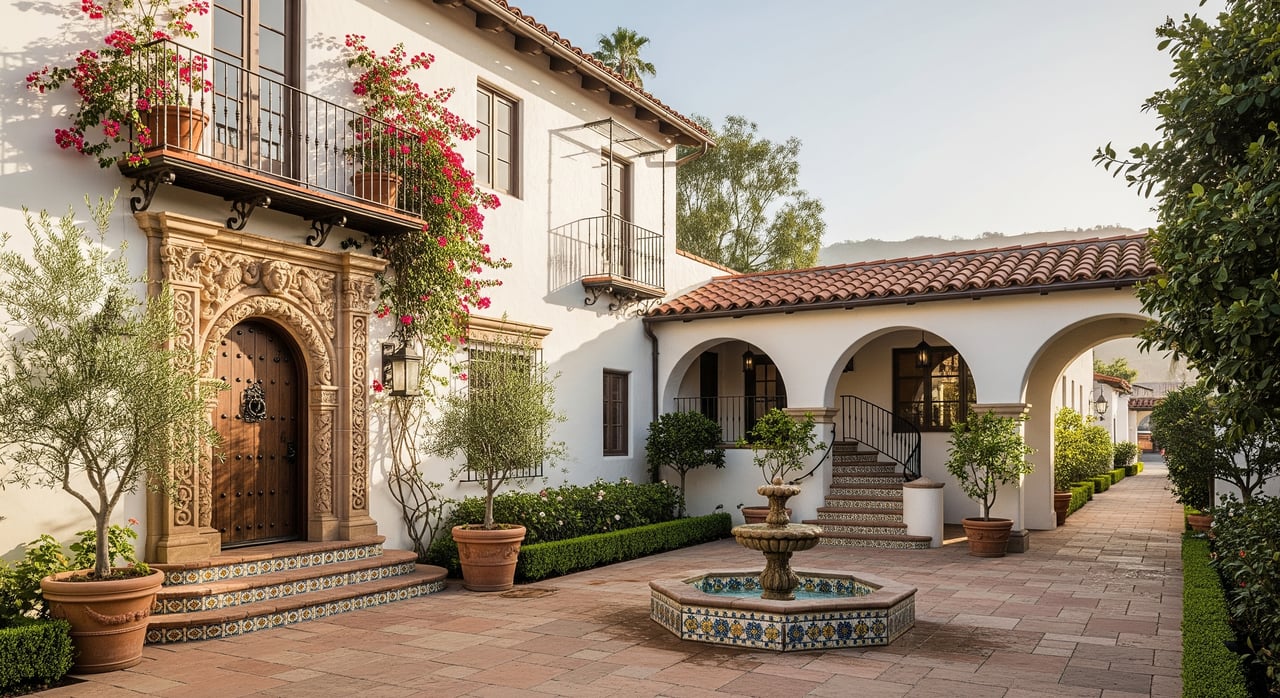
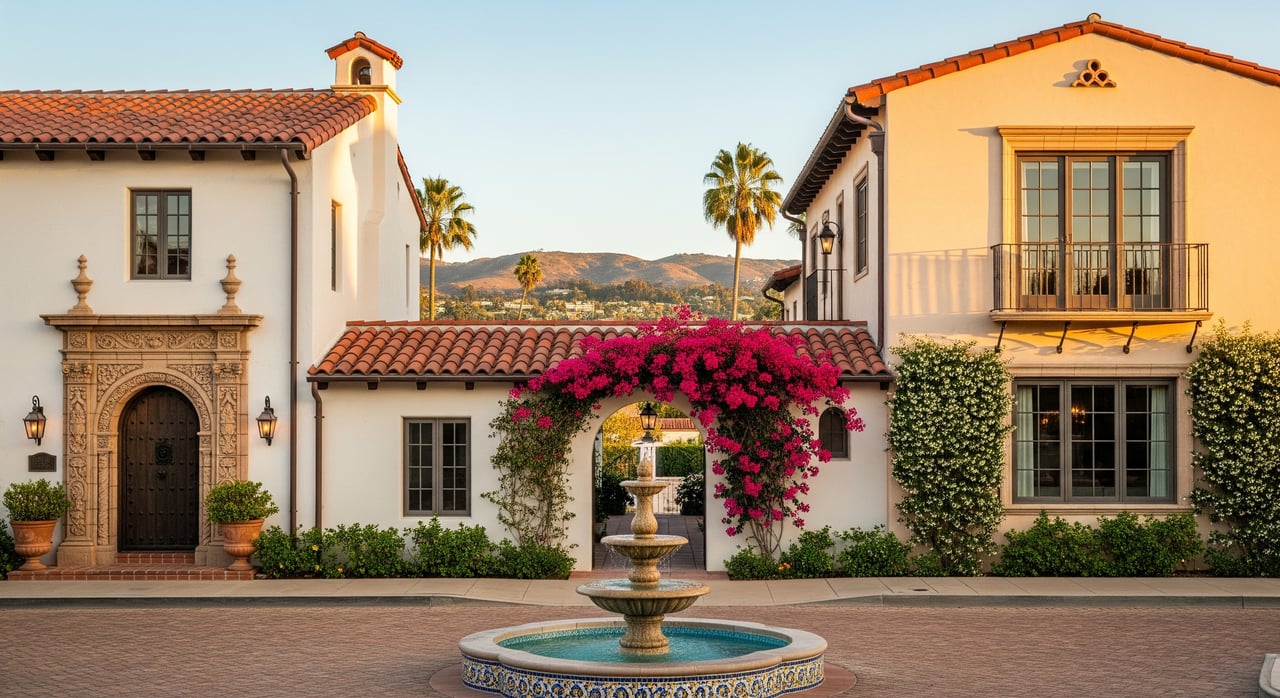
Beverly Hills is especially known for period-revival architecture. The city’s historic survey identifies Spanish Colonial Revival, Tudor or English Revival, American Colonial Revival, and French Eclectic among the common architectural styles.
You can find important homes in both the flats and the hills. New construction appears on undeveloped properties in the hills as well as on redeveloped parcels in the flats, so the distinction is not about prestige. It is more about how architecture engages with land, visibility, and planning constraints.
Flats and Architectural Expression
In the flats, architecture often emphasizes frontage and composition as experienced from the street. That can create a strong sense of order, symmetry, and horizontal flow, especially on larger estate lots.
For buyers who appreciate a home’s public face as much as its private interiors, this can be a major draw. The experience often begins at the curb and unfolds through approach, façade, and formal entry.
Hillside Design Experience
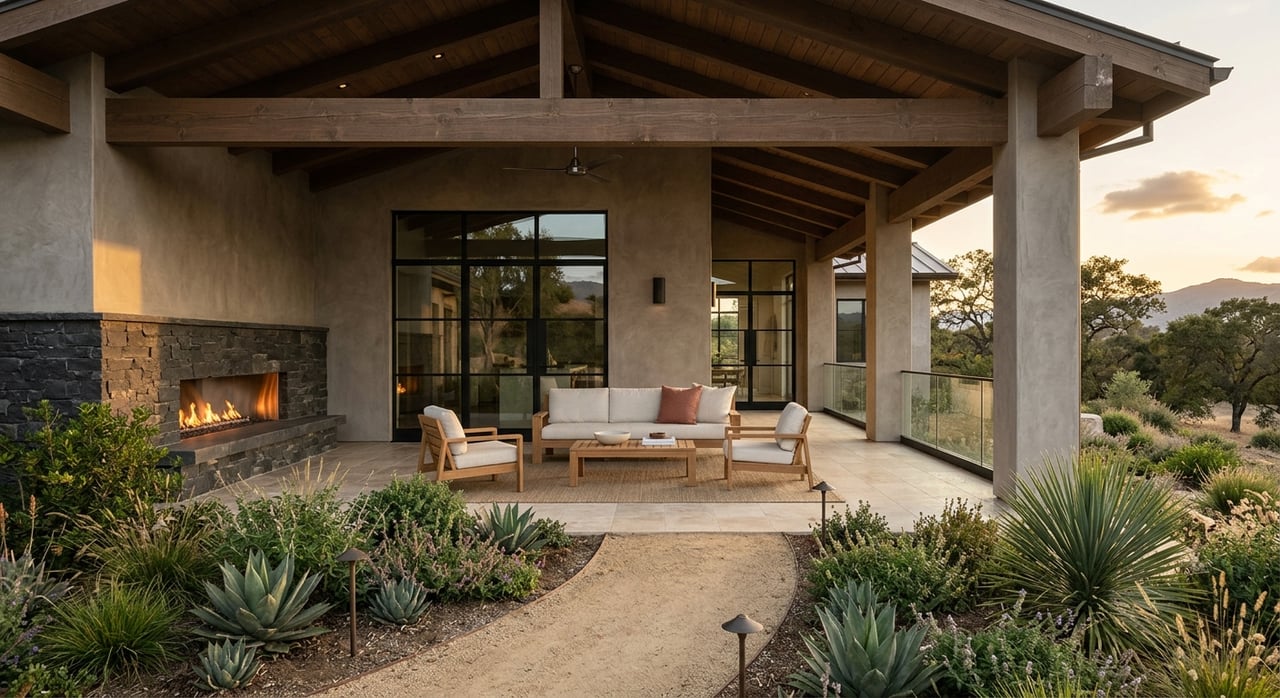
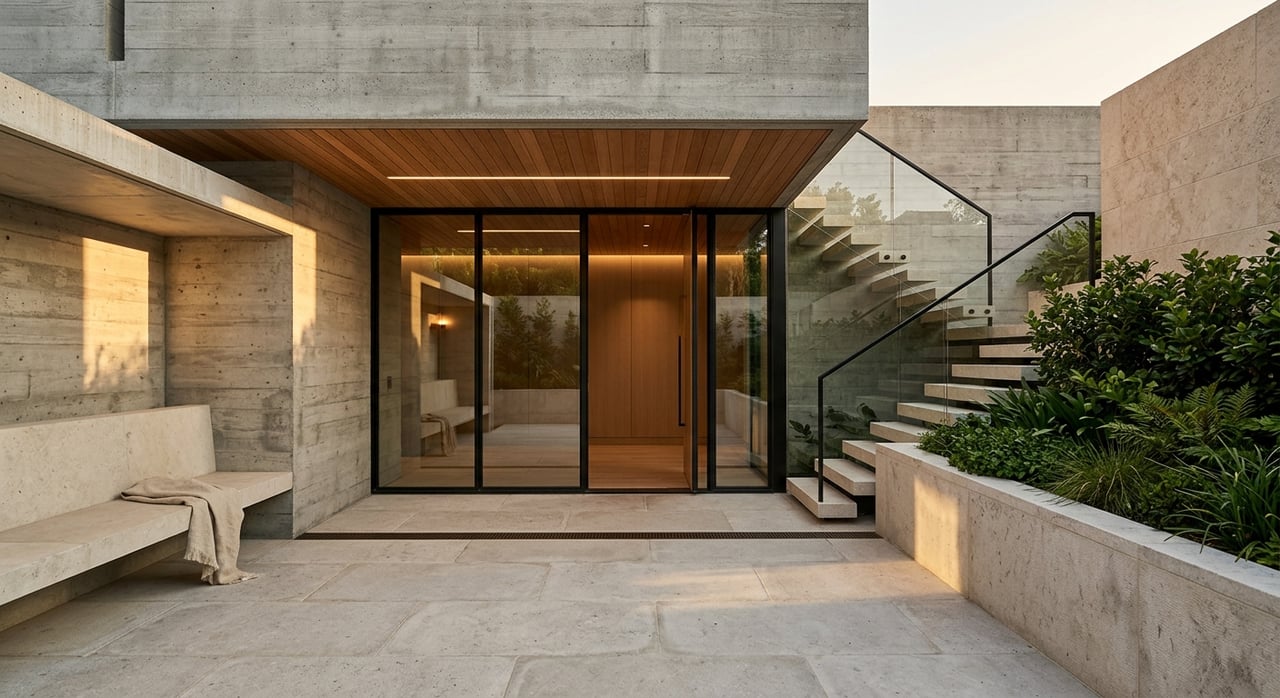
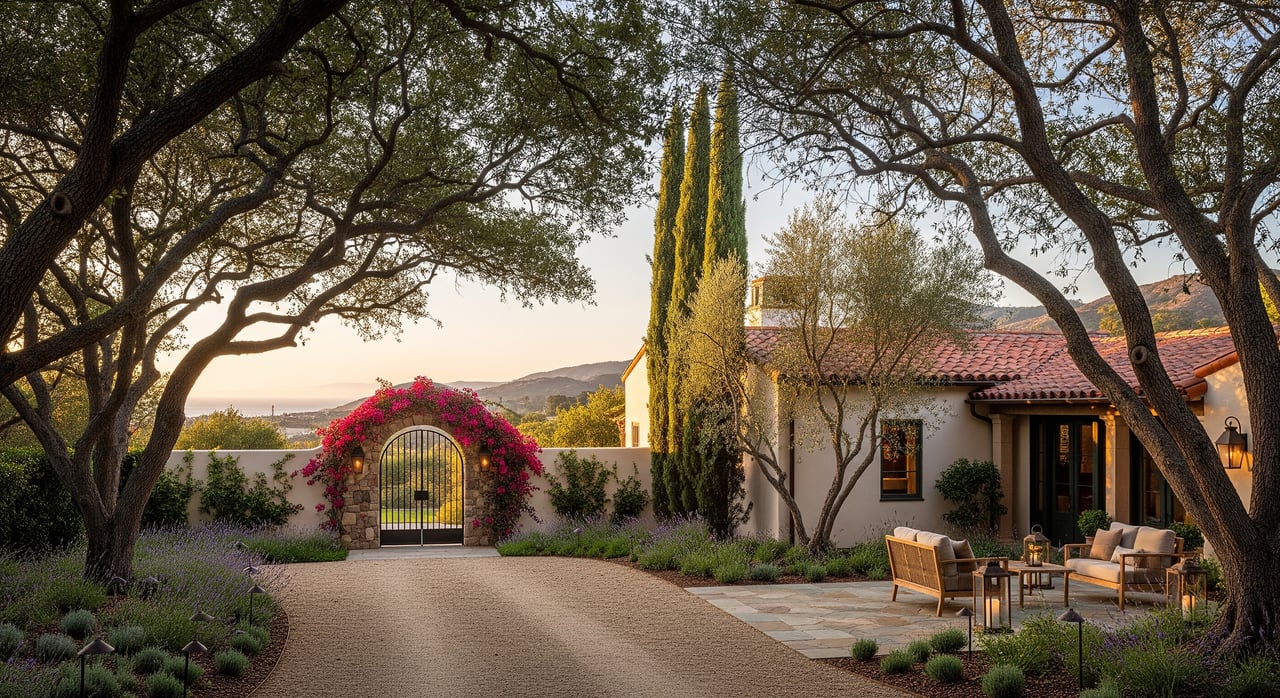
In the hills, architecture often unfolds through elevation and siting. Homes may be designed to capture outlook, navigate grade changes, and step more directly into the natural shape of the parcel.
That often produces a more tailored relationship between structure and terrain. For some buyers, that estate-like quality is the point.
Views, Privacy, and Daily Living
One of the clearest distinctions is how each setting feels day to day. In the Hillside Area, view preservation is part of the city’s rules, which makes views a formal planning issue rather than just a marketing feature.
That often aligns with what many buyers are seeking in hillside living: outlook, elevation, and a stronger sense of separation. In practical terms, hillside homes can offer more privacy, but they also ask more of the owner in terms of site awareness and property management.
Living in the Hills
Many streets north of Sunset sit within the Very High Fire Hazard Severity Zone. The city’s wildfire and vegetation rules show that brush inspections are annual in these areas, and fuel-modification planning applies to new construction and certain larger landscape changes.
During extreme fire weather, parking can also be restricted on designated streets so residents can evacuate and fire apparatus can enter. That does not make hillside ownership less desirable, but it does make it more operationally involved.
Living in the Flats
Flat-land living is often better suited to buyers who want easier circulation and simpler day-to-day access. Entertaining, receiving guests, and moving between home and car can feel more intuitive on a flatter site.
There is also less emphasis on slope management and landform-related planning. For some buyers, that ease is every bit as valuable as a dramatic view.
Access and Getting Around
Access is another practical difference between the two settings. The flatter core of Beverly Hills has the clearest transit connections, with the city’s free weekend trolley running between Civic Center and Rodeo Drive, alongside Metro, LADOT, and AVTA bus service through the city.
That does not mean hillside properties are remote. It does mean that the flatter core tends to offer a more immediate relationship to everyday in-town movement and public transit options.
Which Option Fits Your Priorities?
If you are choosing between the flats and the hills, the better option usually comes down to how you want a home to function. Each setting offers a distinct version of Beverly Hills living.
Here is a simple way to frame the decision:
- Choose the flats if you value easier access, flatter outdoor living, more conventional at-grade circulation, and a renovation path centered more on street-visible design review.
- Choose the hills if you value views, privacy, a more estate-like site, and are comfortable with added permitting complexity, brush maintenance, and wildfire-related planning.
Neither choice is universally better. The right fit depends on whether you prioritize simplicity and street presence, or elevation and site-driven character.
Why This Matters for Buyers and Sellers
For buyers, these differences shape everything from daily routine to renovation strategy. A beautiful home can feel very different once you factor in grading, access, view considerations, or the scope of future approvals.
For sellers, understanding the distinction helps position a property more clearly. In a market where architecture, privacy, and land value all matter, the story of the site is often just as important as the house itself.
In Beverly Hills, that story begins with the land. If you are evaluating a move, a purchase, or a future resale strategy, it helps to understand exactly what the parcel asks of you and what it gives back in return.
If you are considering a Beverly Hills property and want a thoughtful, design-literate perspective on site, architecture, and market positioning, the Eric Haskell Group offers discreet guidance shaped by experience with distinctive California homes.
FAQs
What is the difference between Beverly Hills flats and hillside estates?
- The main difference is topography and the city’s rules for single-family properties. Flats generally align with the Central Area, while hillside estates fall under Hillside Area regulations that focus more on grading, landform alteration, and view preservation.
Are Beverly Hills hillside homes harder to renovate?
- They can be more complex to renovate because hillside projects may require technical materials such as soils reports, grading plans, cut-and-fill calculations, level-pad analysis, and cross-sections related to neighboring properties.
Do Beverly Hills flats have design review requirements?
- Yes. In the Central Area, street-visible changes such as façade remodels, painting, window replacement, and new roofing can trigger city design review.
Are views protected in Beverly Hills hillside areas?
- Yes. View preservation is explicitly part of the city’s Hillside Area rules, which makes it an official planning consideration for hillside properties.
Is hillside living in Beverly Hills affected by wildfire rules?
- Yes. Many north-of-Sunset streets are in the Very High Fire Hazard Severity Zone, where annual brush inspections, fuel-modification planning, and occasional parking restrictions during extreme fire weather can apply.
Which is better for easier everyday access in Beverly Hills: flats or hills?
- Flats are generally the easier fit if you want simpler at-grade access, more straightforward guest arrival, and closer connections to the city’s core transit options.