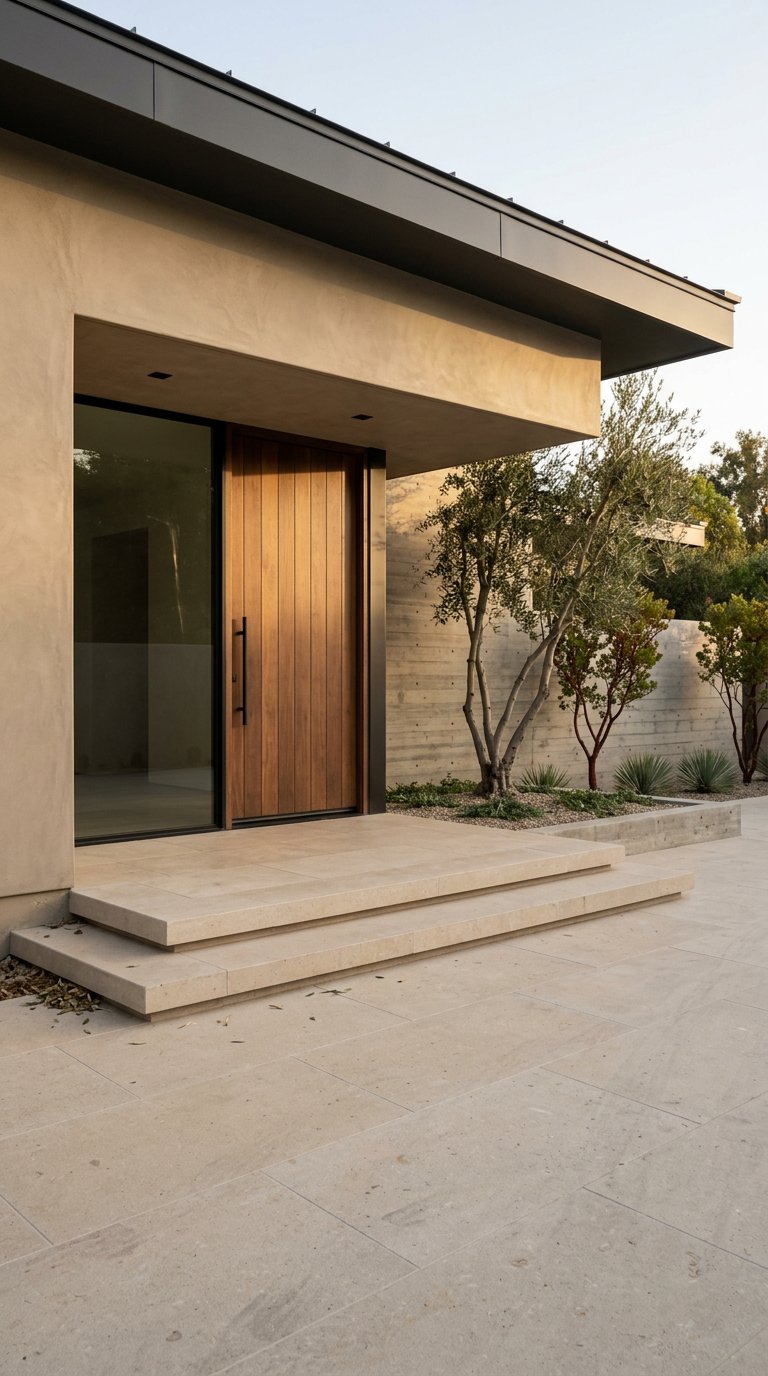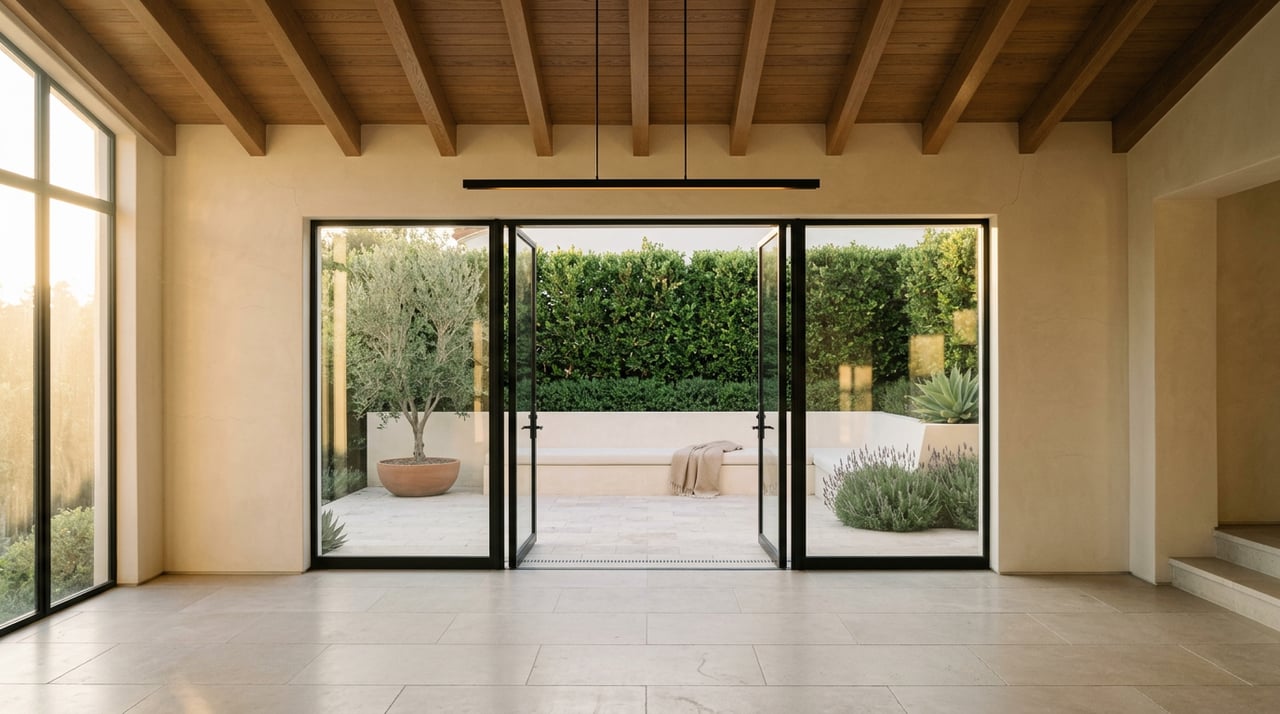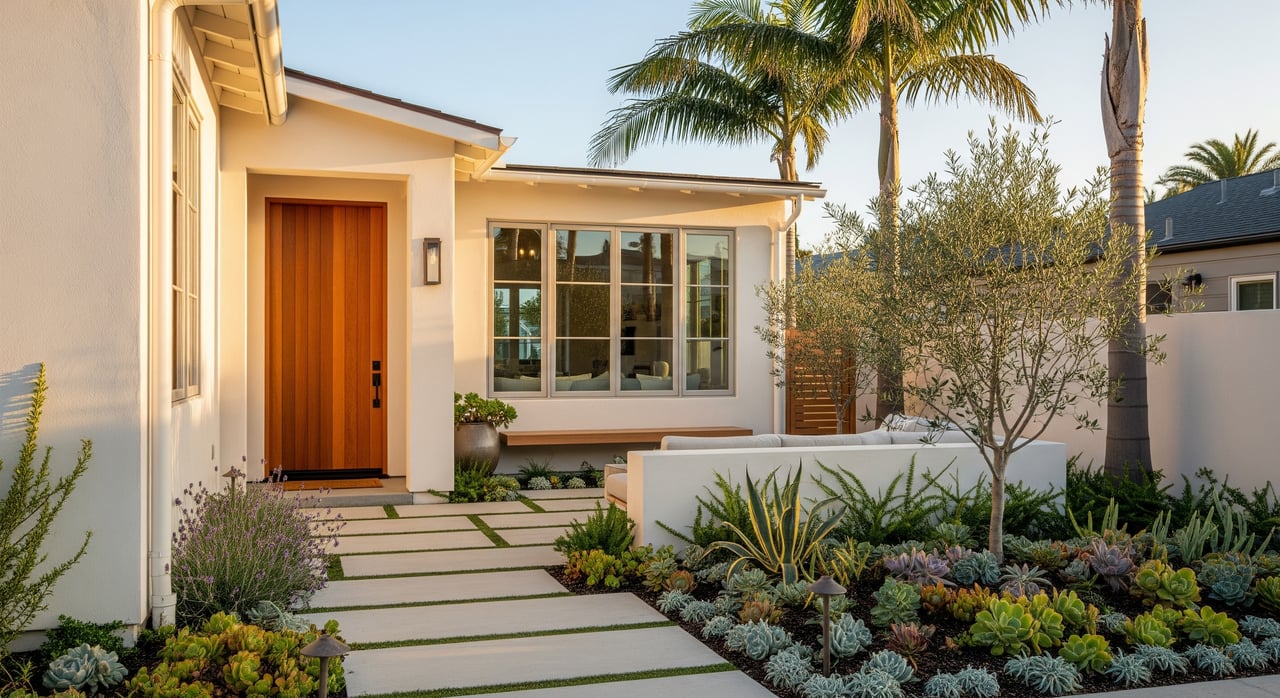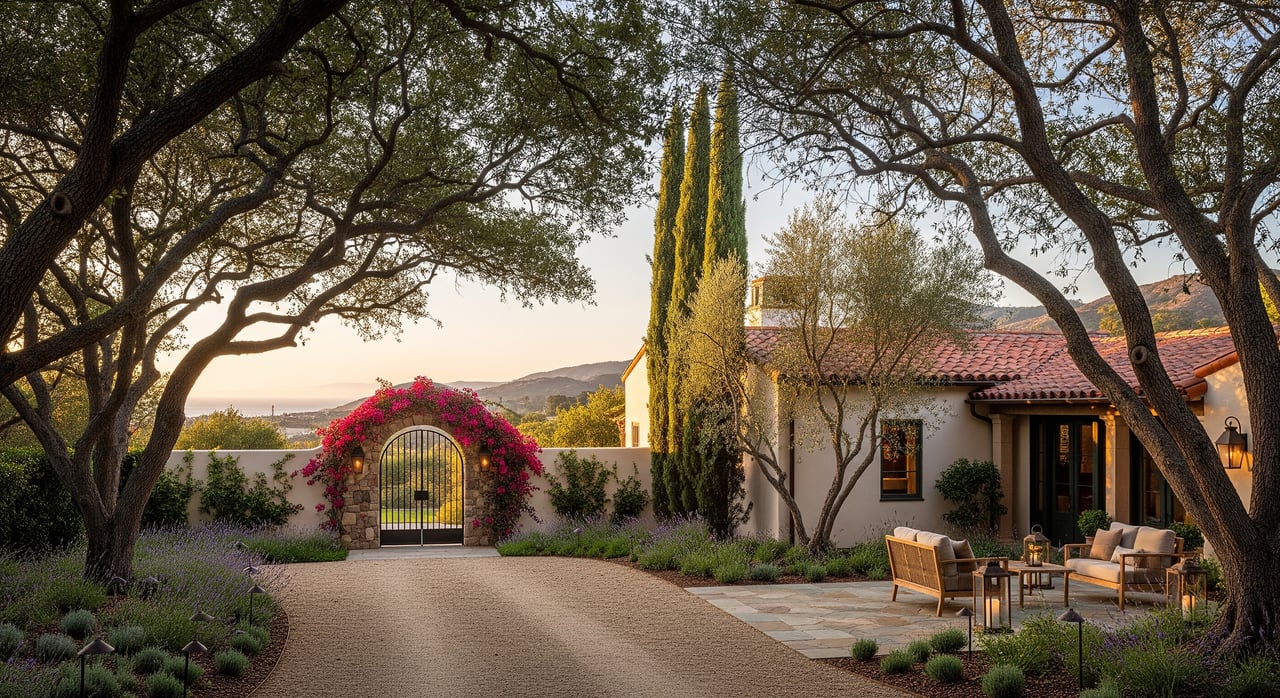
If you are searching for privacy in Calabasas, it helps to know that there is no single gated-community experience here. What looks similar from the outside can feel very different once you compare gate access, HOA structure, home scale, and daily logistics. This guide will help you sort through the key differences between Calabasas’ best-known gated enclaves so you can focus on the setting, level of control, and lifestyle that actually fit how you live. Let’s dive in.
Why Calabasas gated communities differ
Calabasas is often spoken about as one luxury market, but the city’s housing and HOA records show a more layered picture. In 2020, the city had 9,200 housing units, with more than three-quarters made up of single-family homes, and its HOA contact list includes a wide range of private communities such as The Oaks of Calabasas, The Estates of the Oaks, Calabasas Park Estates, Calabasas Hills, Calabasas Country Estates, Bellagio, Vista Pointe, and Westridge.
That matters because you are not choosing between “gated” and “not gated.” You are usually choosing between different versions of privacy, maintenance, governance, and amenities. One community may emphasize guarded entry and custom estates, while another may feel more established, more regulated, or more value-conscious within the luxury tier.
The Oaks sets the luxury benchmark
For many buyers, The Oaks is the name that defines luxury Calabasas. It is widely seen as the city’s top benchmark for prestige, privacy, and curated community living, with recent market data showing a median sale price around $9.1 million.
Current listings in The Oaks range from roughly 3,862 to 16,239 square feet, often on lots around 0.36 to 0.5 acres. Some homes are designed for mostly single-story living, which can be appealing if you want estate scale without a fully vertical floor plan.
The community is known for guard-gated access, and the Estates at The Oaks is described as a double-gated inner enclave with about 50 homes and 24-hour security. That extra layer of separation is one reason privacy-focused buyers often place it at the top of their shortlist.
Beyond access control, The Oaks also stands out for its HOA-managed common spaces and amenity package. The overall feel is less like a typical subdivision and more like a carefully managed luxury compound with shared lifestyle infrastructure.
What to know about The Oaks operations
The Oaks also shows why buyers should look past the front gate. City materials note that HOA-owned land, slope stabilization, and retaining-wall work can be part of the community’s operating reality.
City records tied to HOA reserve-study discussions also show that reserve deficits and disputed fees can become important homeowner issues after developer control ends. If you are considering The Oaks, it is smart to review reserve studies, insurance, bylaws, CC&Rs, and any special-assessment history with the same care you would give the home itself.
Calabasas Park Estates offers a classic estate option
If you want an established estate-home community but do not need The Oaks price point, Calabasas Park Estates is a strong comparison. Recent market data places its median sale price around $3.4 million, with recent sales roughly between 3,356 and 4,727 square feet.
This can appeal to buyers who want luxury scale and a more traditional estate-neighborhood feel without moving into the highest tier of the Calabasas market. It offers a lower entry point while still keeping you in a private, organized HOA environment.
City records also show that Calabasas Park Estates is part of a broader landscape-maintenance structure. Its common areas have been tied to city-approved multi-year landscape maintenance contracts within Landscape Lighting Act District 22, which signals a more formal shared-maintenance framework than buyers sometimes expect.
Other Calabasas gated options to compare
Not every luxury buyer wants the most visible or expensive address. Calabasas also has several gated or privacy-oriented enclaves that may offer a better match depending on your budget, preferred home size, or tolerance for HOA structure.
Calabasas Hills
Calabasas Hills recently posted a median sale price around $1.8 million. Listings show features such as community-pool access and lot sizes like 6,495 square feet, making it a useful option if you want a gated setting with neighborhood amenities at a more moderate entry point.
Vista Pointe
Vista Pointe is described as a 24-hour guard-gated neighborhood with about 150 homes built between 1979 and 2000. Homes there range from about 2,700 to 7,200 square feet, which gives buyers a broad range of scale within one community.
Westridge
Westridge appears in the city’s HOA records and shows signs of substantial estate-style housing. A city planning document notes that a 6,632-square-foot addition was on the high end of neighborhood home sizes, with an average floor-area ratio around 0.31, suggesting larger homes and meaningful residential scale even if the community typically sits below The Oaks in price.
Hidden Hills is nearby, but different
Many privacy-focused buyers compare Calabasas with Hidden Hills, and that comparison makes sense. But structurally, Hidden Hills is not just another gated neighborhood. It is its own city as well as a gated community.
The official Hidden Hills framework includes both the City of Hidden Hills and the Hidden Hills Community Association. The association maintains common areas that include six miles of roads, three gate houses, 25 miles of bridle trails, four tennis courts, a competition-size pool, a recreation center, and a 99-seat performing-arts and movie theater.
That creates a different kind of lifestyle. Hidden Hills leans more heavily into equestrian identity and a highly managed private environment, and the community notes the absence of sidewalks and streetlights as part of its character.
Recent market data shows Hidden Hills with a median sale price around $6.0 million. In practical terms, many buyers see Hidden Hills as an ultra-private estate market with larger lots and stronger lifestyle controls, while The Oaks feels more like a tightly packaged luxury community within Calabasas itself.
Hidden Hills rules are more formalized
If you are comparing the two, governance may matter as much as architecture. Hidden Hills publishes gate and guard procedures and sets specific service-vehicle and contractor access windows, including limited periods tied to traffic at the Round Meadow Gate.
The association also notes that residents are governed by CC&Rs, bylaws, architectural standards, a Gate Operations Manual, and Rules and Regulations. For some buyers, that degree of structure is reassuring. For others, it may feel too restrictive.
Security is not the whole story
One of the most important things to understand in Calabasas is that security and HOA governance are not the same thing. A gate may control access, but the HOA often controls a much broader set of issues, from landscaping and reserves to architectural review and common-area obligations.
City records list separate property managers for different HOAs, and some neighborhoods also have city-managed landscape districts layered on top of HOA structures. That means your ownership experience may involve more than one operating system.
Before you buy, review:
- CC&Rs and bylaws
- Reserve studies
- HOA insurance information
- Special-assessment history
- Architectural guidelines
- Rules affecting renovations, contractors, and home projects
For luxury buyers, these documents are not background paperwork. They shape how the property functions long after the purchase closes.
Emergency planning matters in hillside communities
In Calabasas, private gates exist alongside public emergency systems, not instead of them. The city states that law enforcement and fire services are provided through Los Angeles County contracts, and it maintains emergency-alert and evacuation-zone tools for residents.
That is especially important if you are considering hillside communities. In these settings, evacuation logistics, defensible-space expectations, and emergency notifications can matter just as much as a staffed gate or patrol presence.
If privacy is a top priority for you, it is worth asking practical questions during your search:
- Which evacuation zone serves the property?
- How does the community handle access during emergencies?
- What wildfire-preparedness expectations apply to the home or lot?
- How do gate operations interact with public-safety response?
School and mobility details to verify
For buyers thinking about daily logistics, school access in this area is address-based, not community-name-based. Las Virgenes Unified School District serves Calabasas, Hidden Hills, Bell Canyon, Agoura Hills, and the Los Angeles County portion of Westlake Village, and the district says enrollment depends on residence within district boundaries or an approved interdistrict permit.
That means you should verify school assignment by exact property address rather than assume it from the neighborhood name. The district includes schools such as Calabasas High School, A.E. Wright Middle School, and elementary options including Round Meadow, Lupin Hill, and White Oak, but the correct assignment still depends on the specific home.
There are also small mobility details that can influence daily life. For example, the city’s Line 1 shuttle includes stops at The Oaks Gate and Calabasas High, which may be useful for households thinking about local transportation for teens, staff, or events.
How to choose the right Calabasas enclave
The best community for you depends less on prestige alone and more on how you define privacy. Some buyers want the strongest possible gate presence and layered security. Others want architectural scale, a polished neighborhood setting, and less operational complexity.
A simple way to frame the options:
- The Oaks for top-tier prestige, guard-gated access, and a highly curated luxury setting
- Hidden Hills for maximum privacy culture, equestrian character, and more formalized community rules
- Calabasas Park Estates for established estate living at a lower entry point than The Oaks
- Calabasas Hills, Vista Pointe, and Westridge for privacy-oriented alternatives across lower and upper luxury bands
The right fit usually comes down to the mix of home style, HOA expectations, emergency planning, and how much structure you want around daily life. In a market like Calabasas, those differences are often more meaningful than the gate itself.
If you are weighing privacy, design, and long-term value across Southern California’s luxury enclaves, Eric Haskell Group offers discreet guidance shaped by high-touch market knowledge and a refined understanding of estate living.
FAQs
What makes Calabasas gated communities different from one another?
- Calabasas communities vary by gate type, HOA rules, amenities, home size, maintenance structure, and price point, so they function more like distinct enclaves than one uniform luxury market.
What is the price difference between The Oaks and other Calabasas communities?
- Recent market data in the research report shows median sale prices around $9.1 million for The Oaks, $3.4 million for Calabasas Park Estates, and $1.8 million for Calabasas Hills, with Hidden Hills around $6.0 million.
How is Hidden Hills different from gated communities in Calabasas?
- Hidden Hills is both a city and a gated community, with its own association structure, equestrian features, and more formalized rules for gates, contractors, and community standards.
What HOA documents should luxury buyers review in Calabasas?
- Buyers should review CC&Rs, bylaws, reserve studies, insurance information, special-assessment history, and architectural or renovation rules before purchasing.
Do private gates in Calabasas replace public emergency services?
- No. The city states that law enforcement and fire service are provided through Los Angeles County contracts, and private gates operate alongside official emergency-alert and evacuation systems.
How do school assignments work for gated communities in Calabasas?
- School assignment is based on the exact property address within Las Virgenes Unified School District boundaries, so you should verify each home individually rather than rely on the community name.