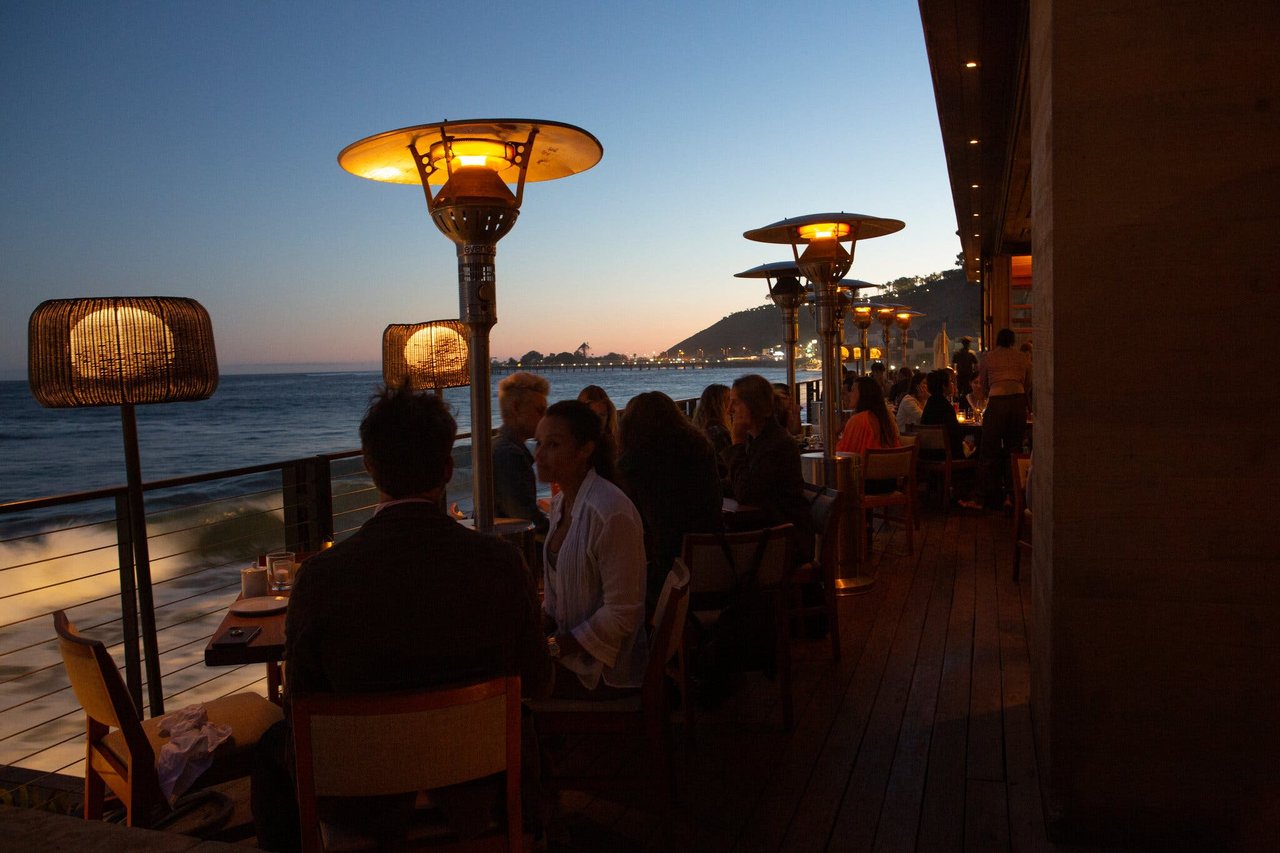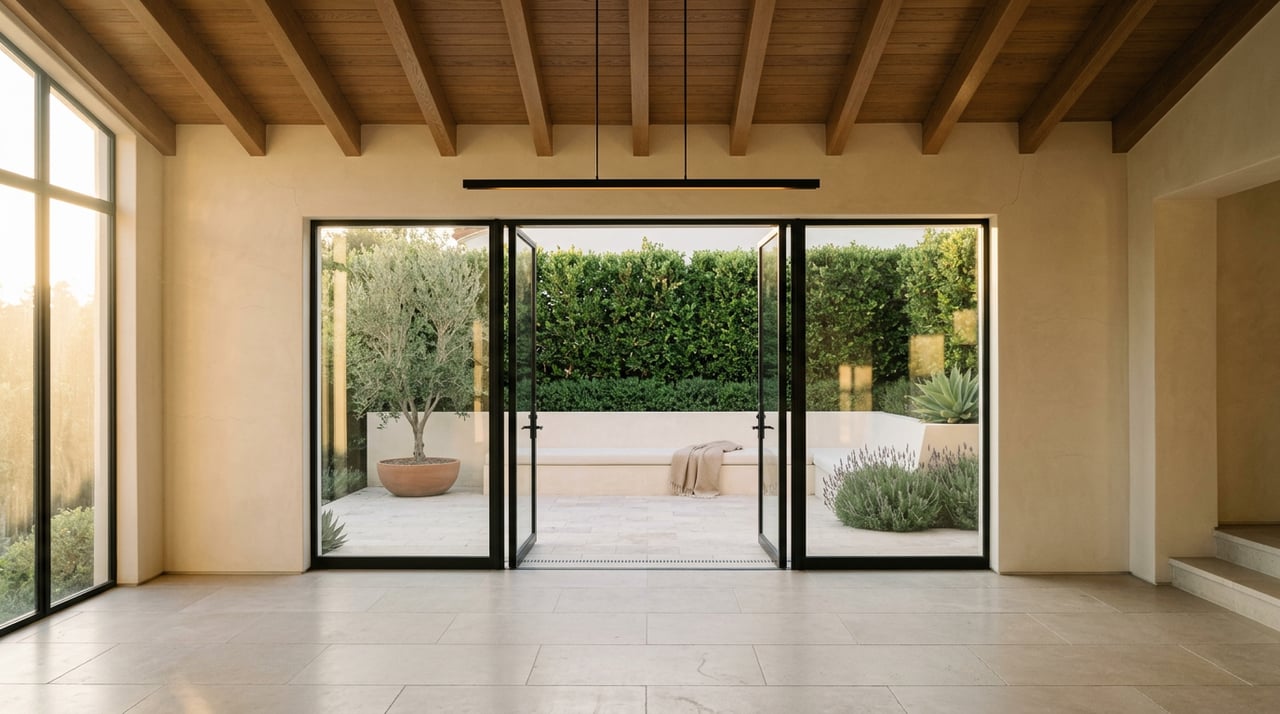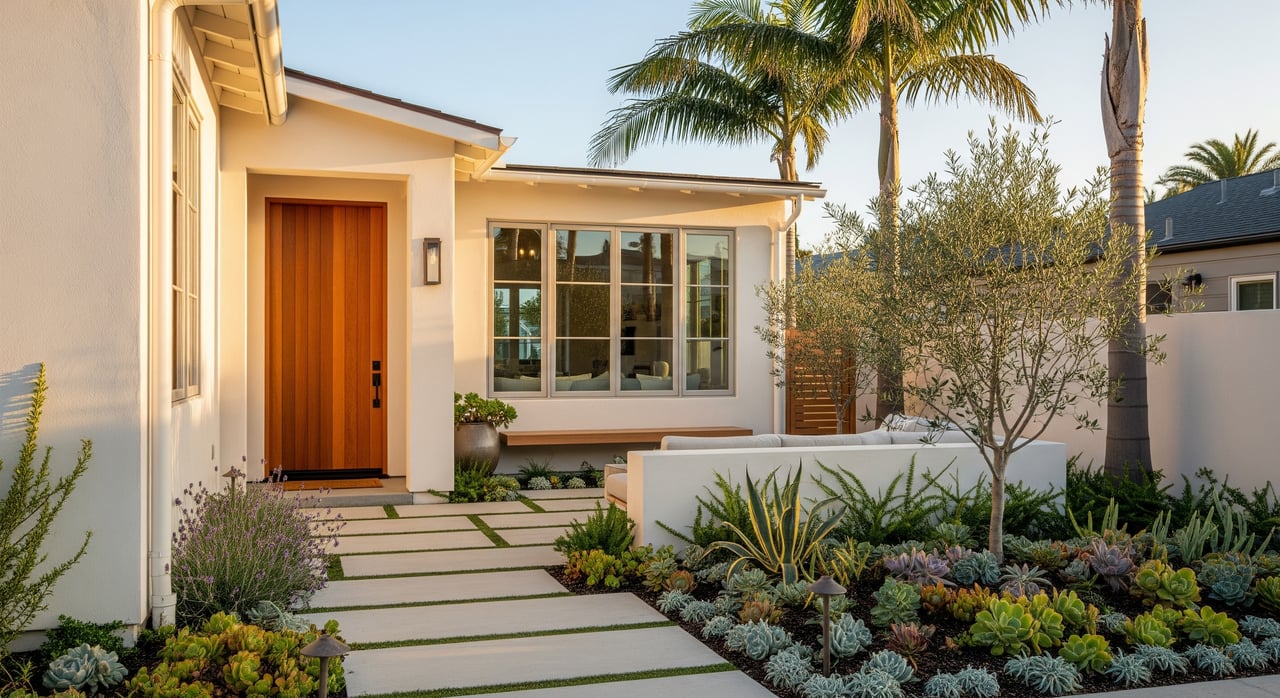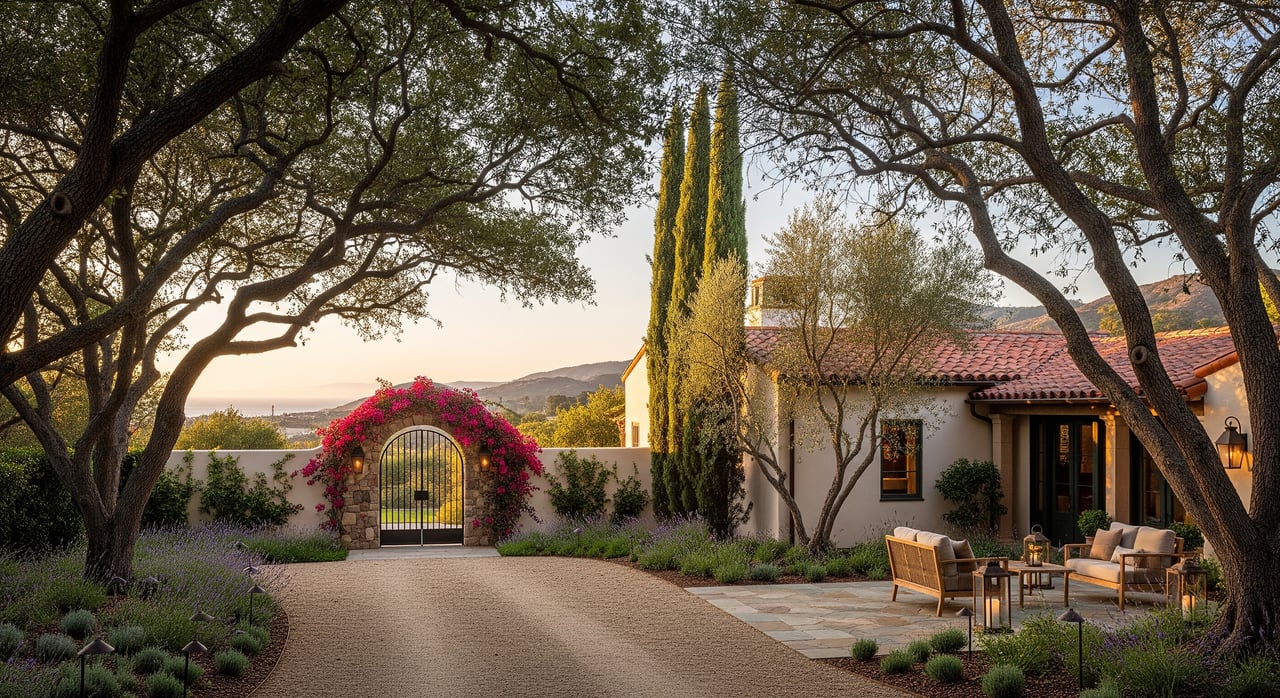
If you have ever walked the Venice Canals, you know the feeling is hard to confuse with anywhere else in Los Angeles. A few blocks from the beach, the neighborhood shifts from busy coastal energy to narrow footpaths, small bridges, still water, and houses that feel as carefully observed as they are lived in. If you are considering buying or selling here, it helps to understand why this pocket commands such attention. Let’s take a closer look.
What Makes the Venice Canals Distinct
The Venice Canal Historic District is a small water-bound enclave in Venice, recognized by both the California Office of Historic Preservation and the National Register of Historic Places. The district is roughly bounded by Grand, Carroll, Eastern, and Sherman canals, and its canals, sidewalks, and pedestrian and vehicular bridges are considered part of its protected historic fabric.
The area began as part of Abbott Kinney’s Venice in America and opened on July 4, 1905. Much of the original canal system was later paved over in the 1920s and 1930s, but the remaining canals were restored by the City of Los Angeles between 1991 and 1993. Today, the district reads less like a typical beach neighborhood and more like a preserved micro-district shaped by water, history, and public space.
The remaining system includes six canals stretching about 1.5 miles. They are about 50 feet wide and 5 feet deep at the center, with nine footbridges and one one-way vehicular entrance off Dell Avenue and Sherman Canal. That scale matters because it helps explain the canals’ intimate, walkable character.
Venice Canals Architecture
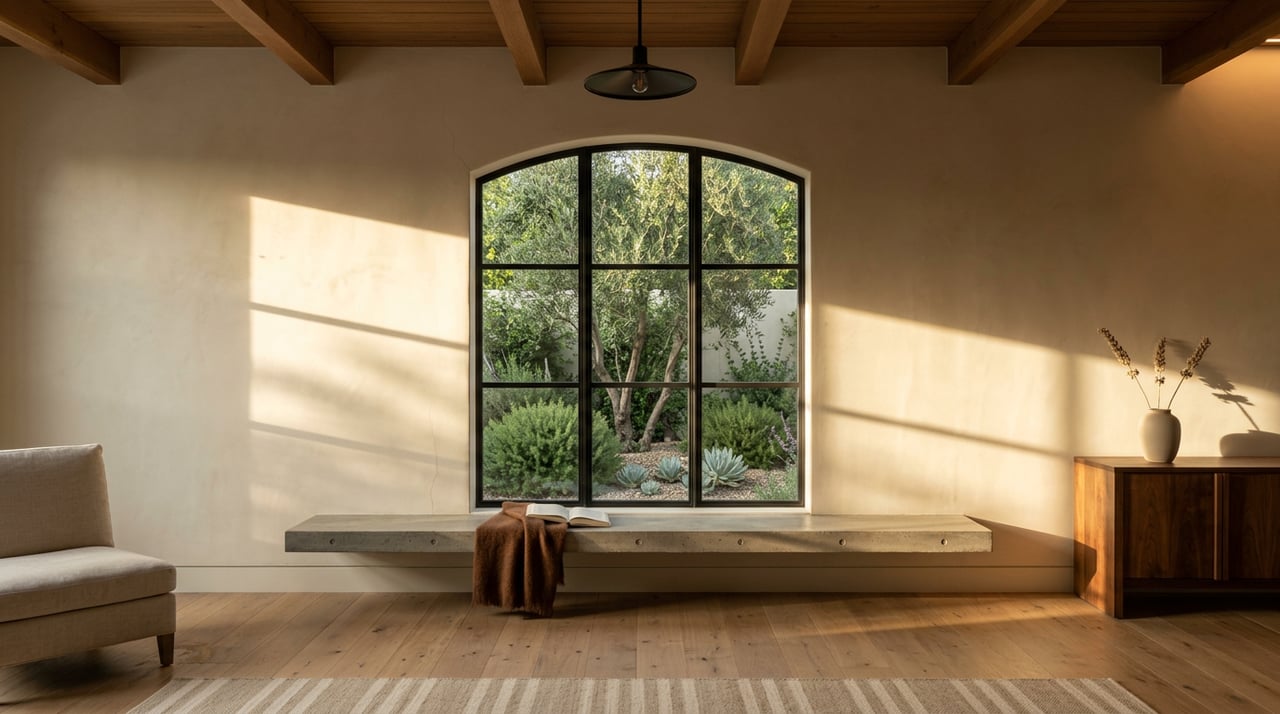
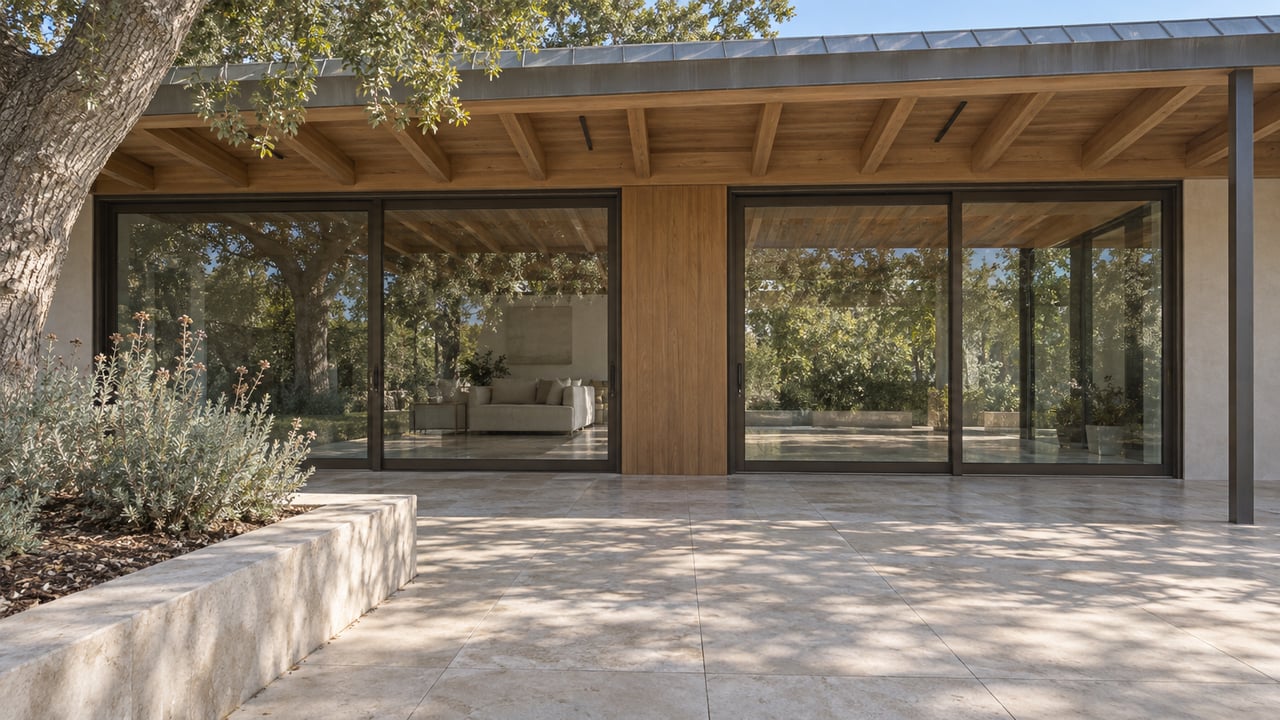
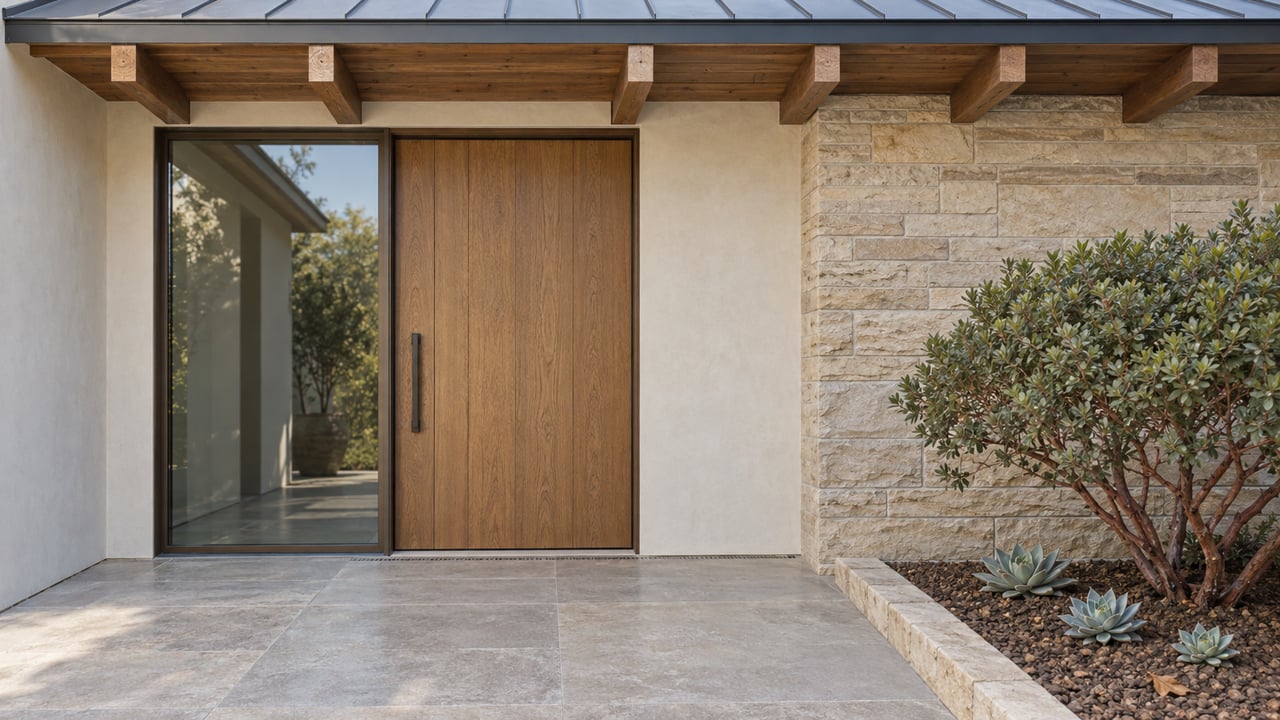
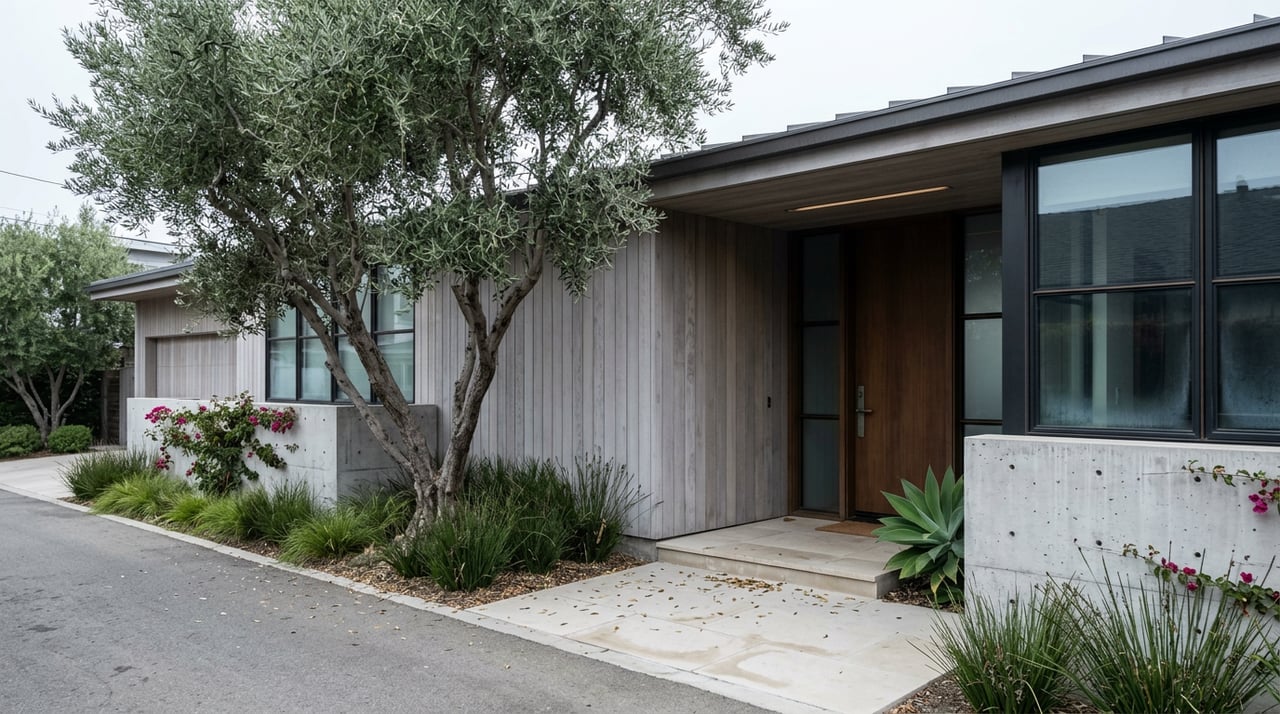
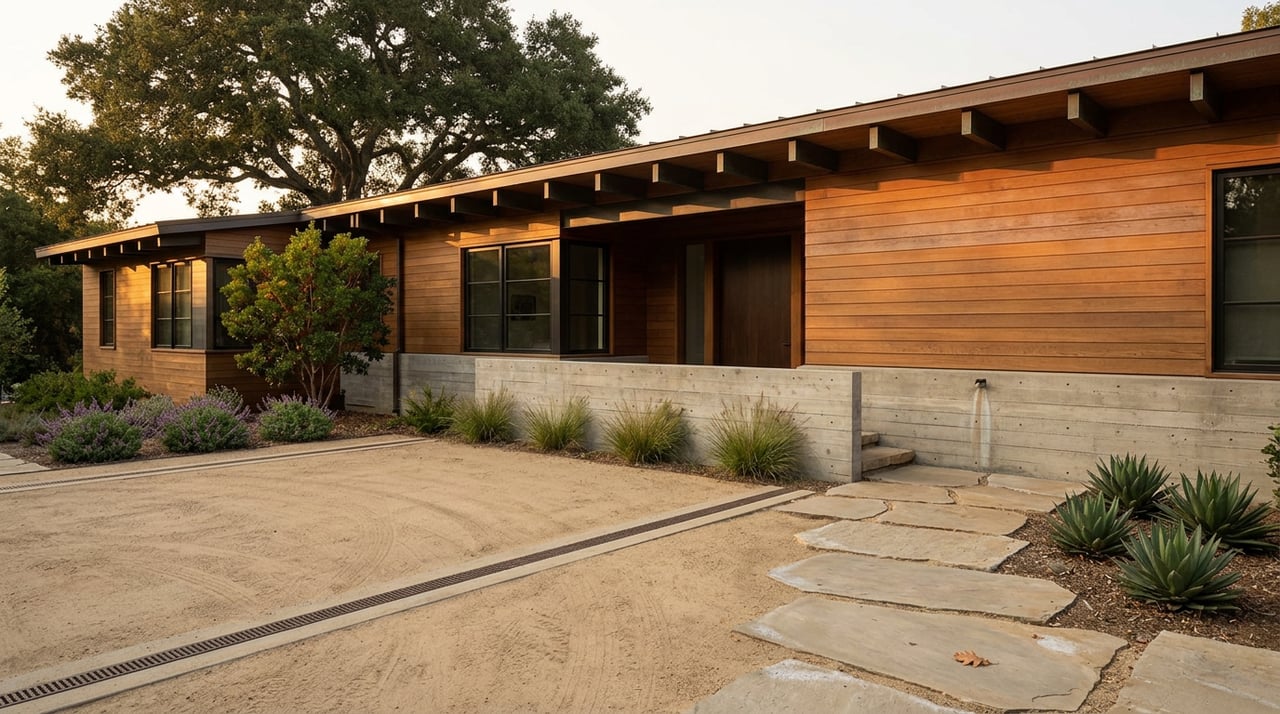
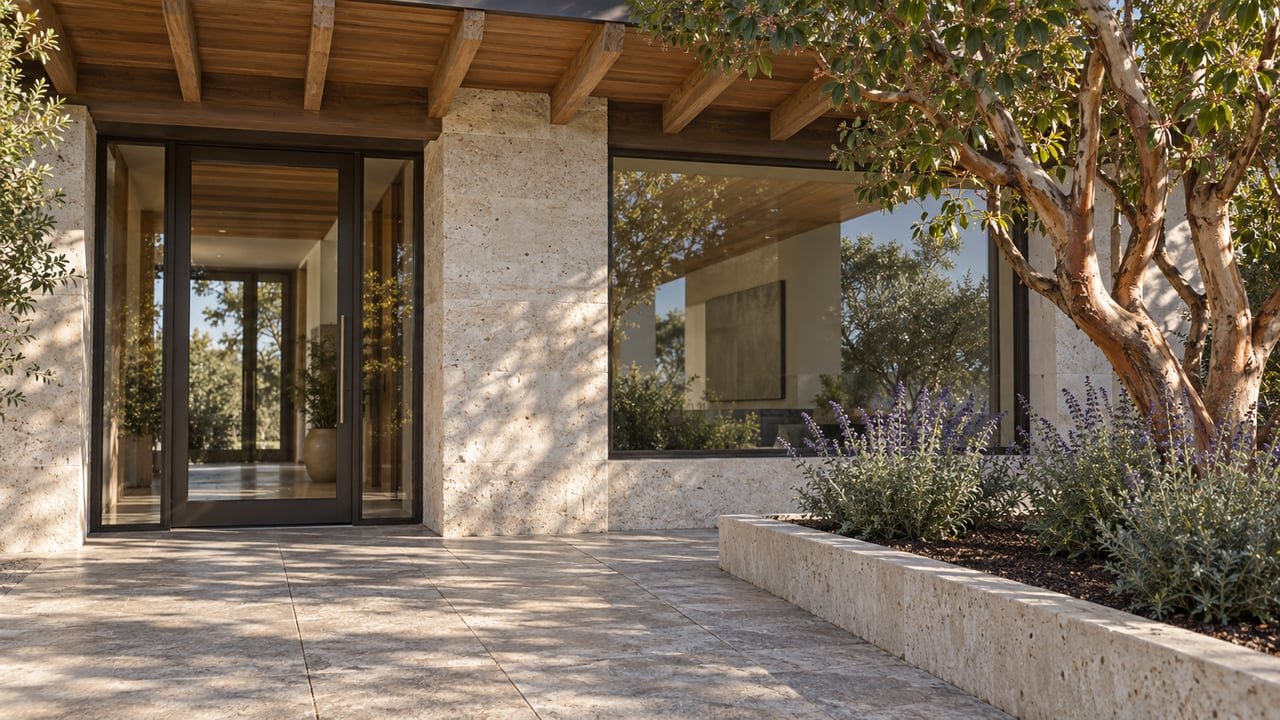
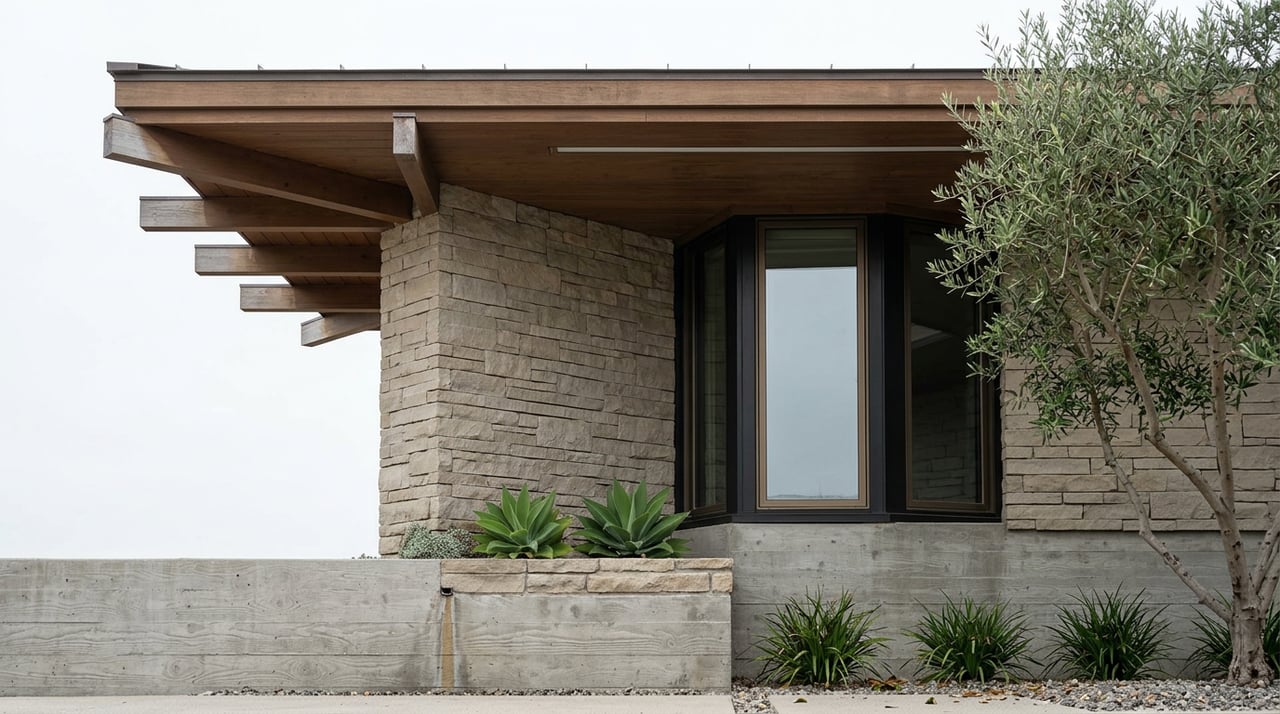
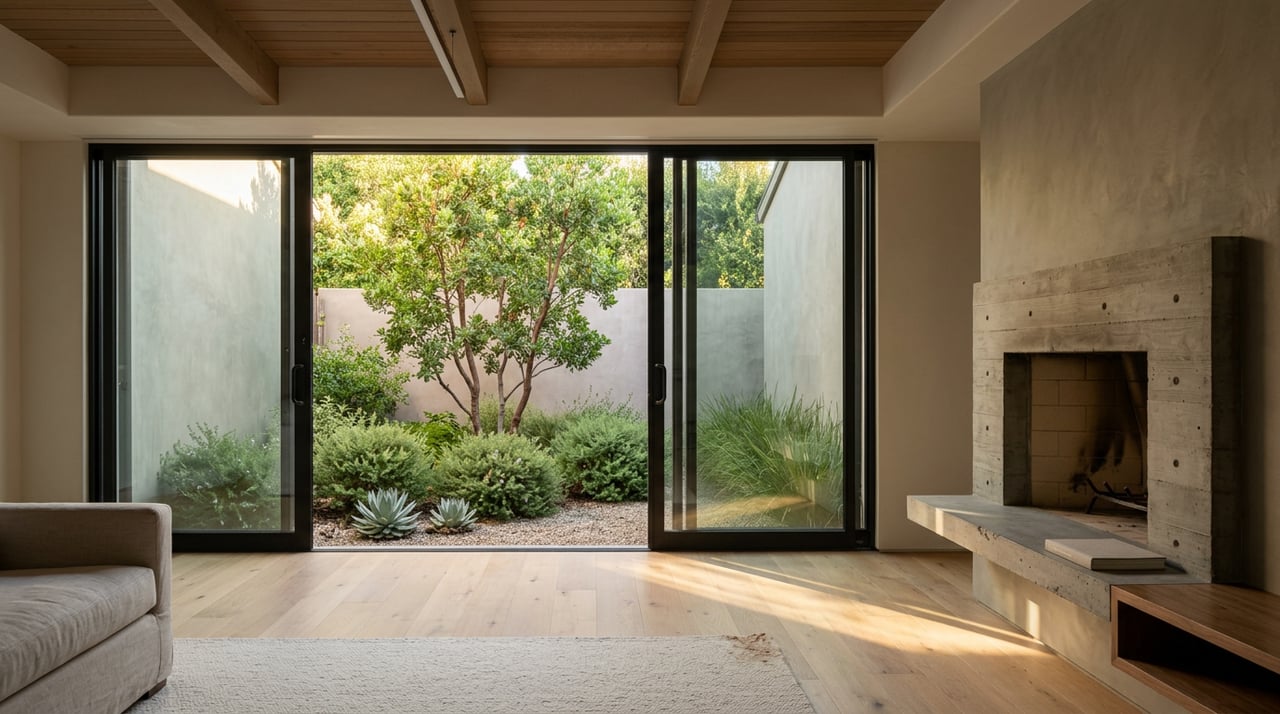
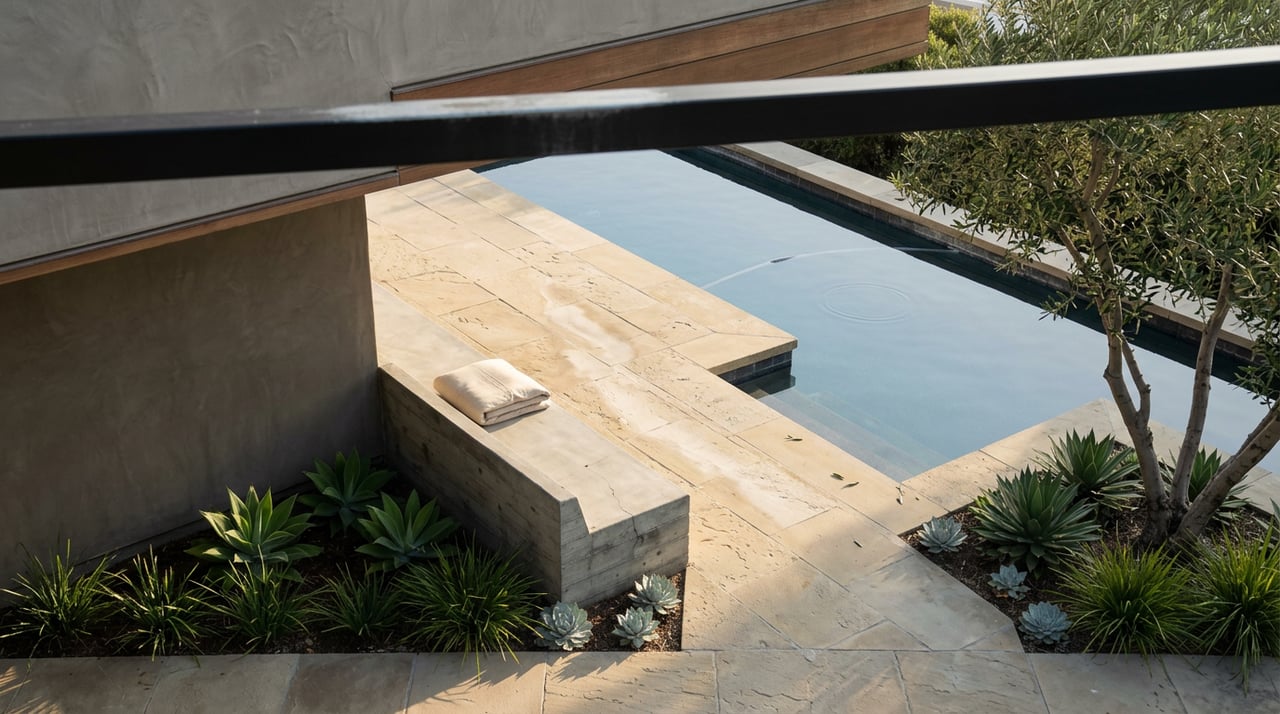
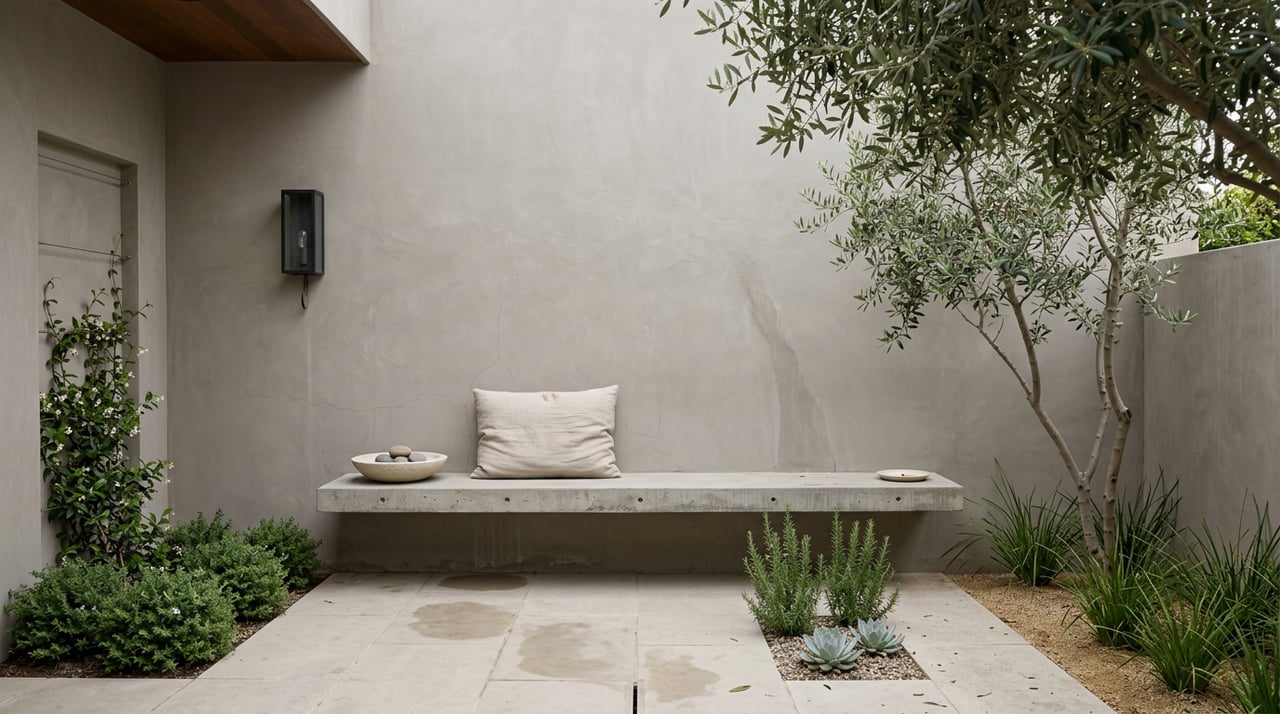
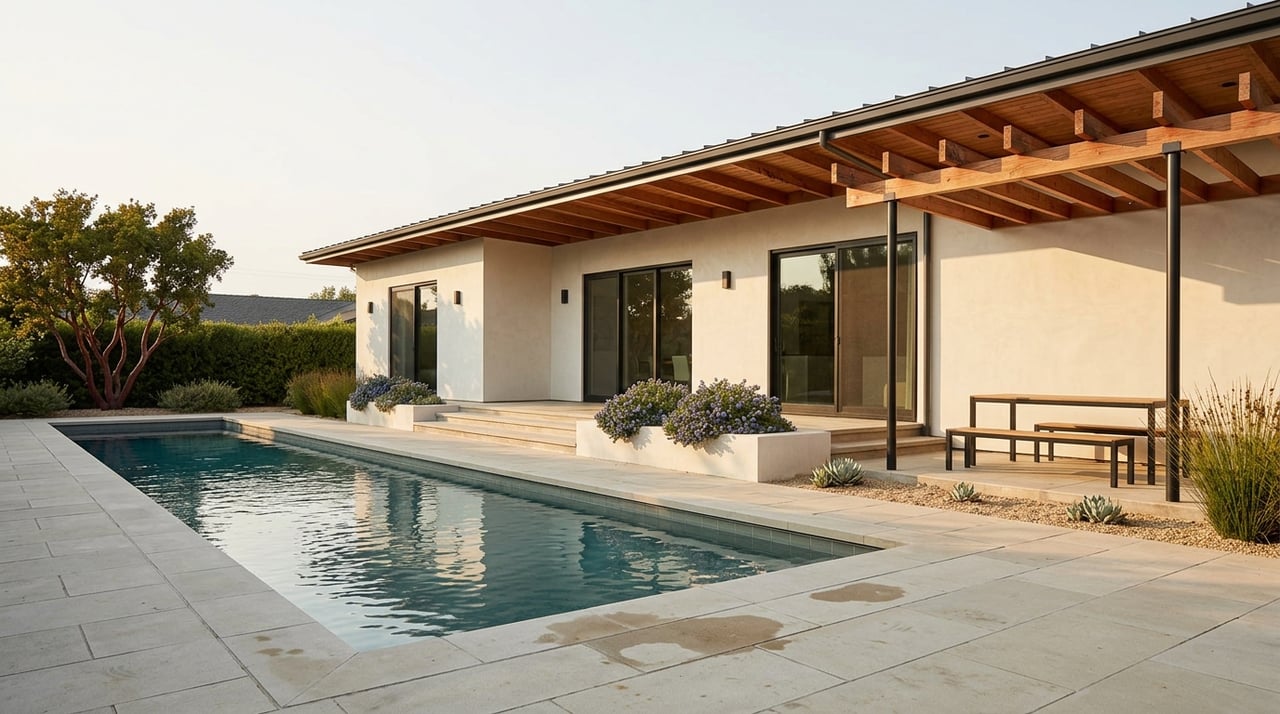
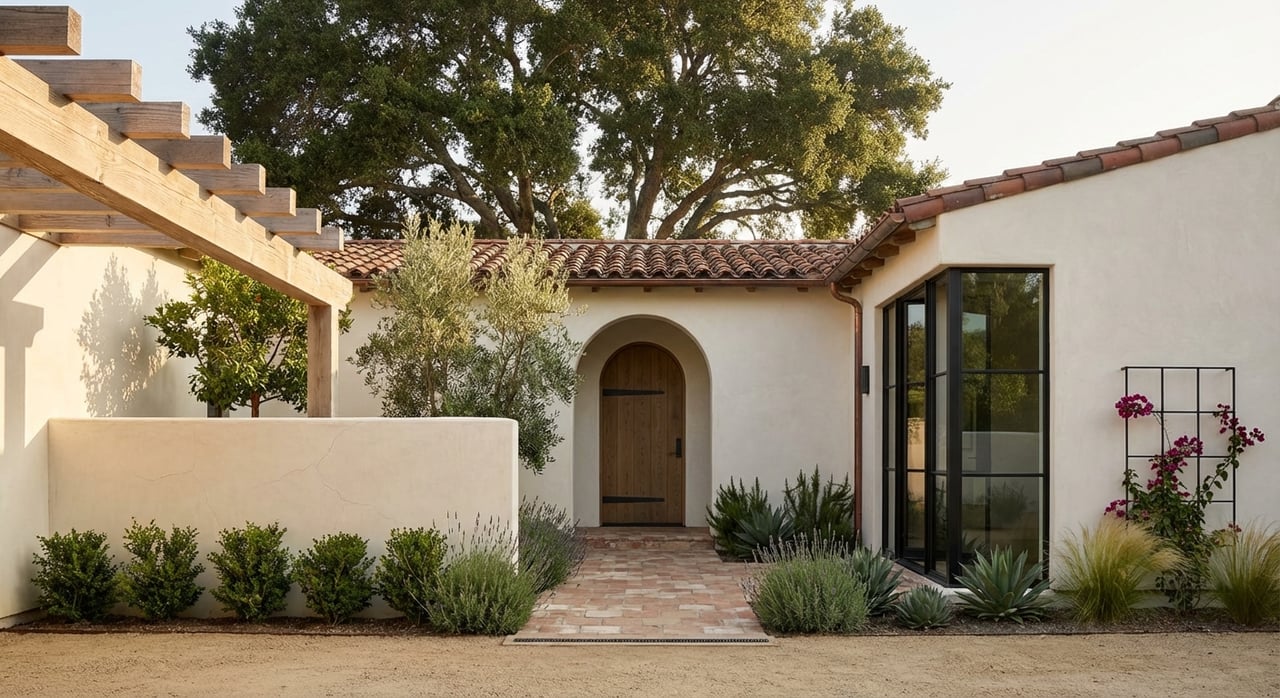
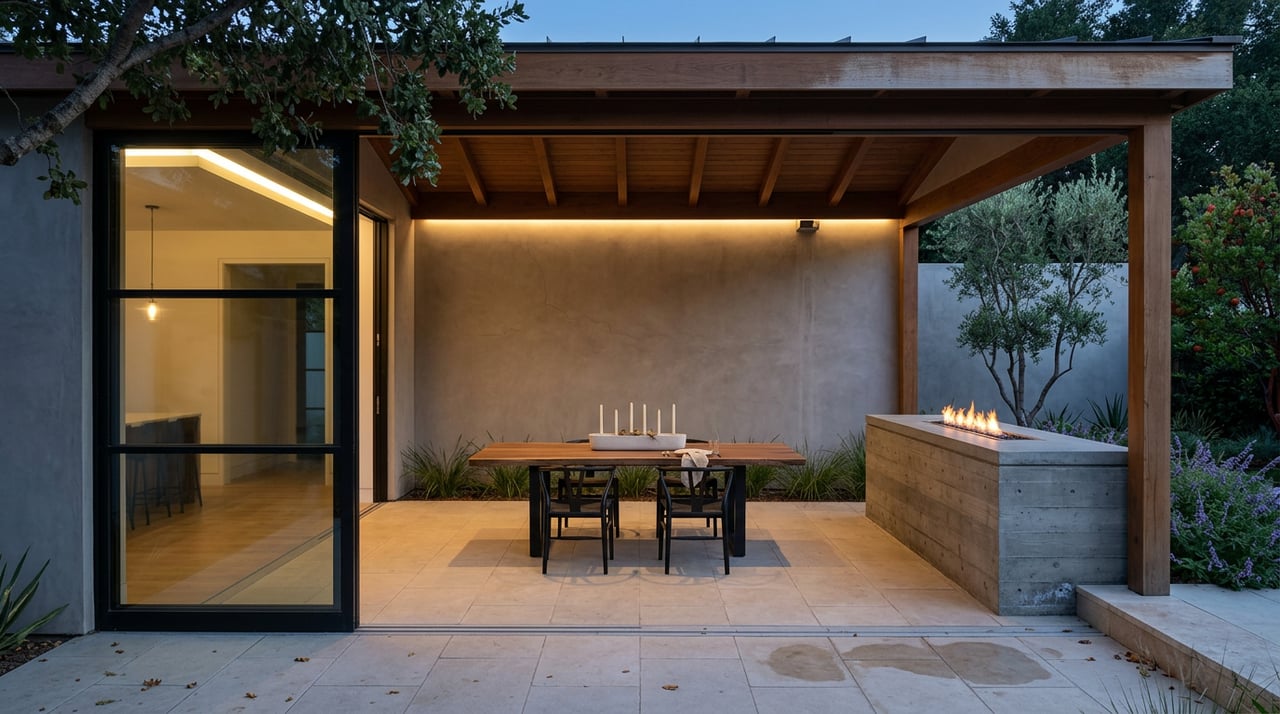
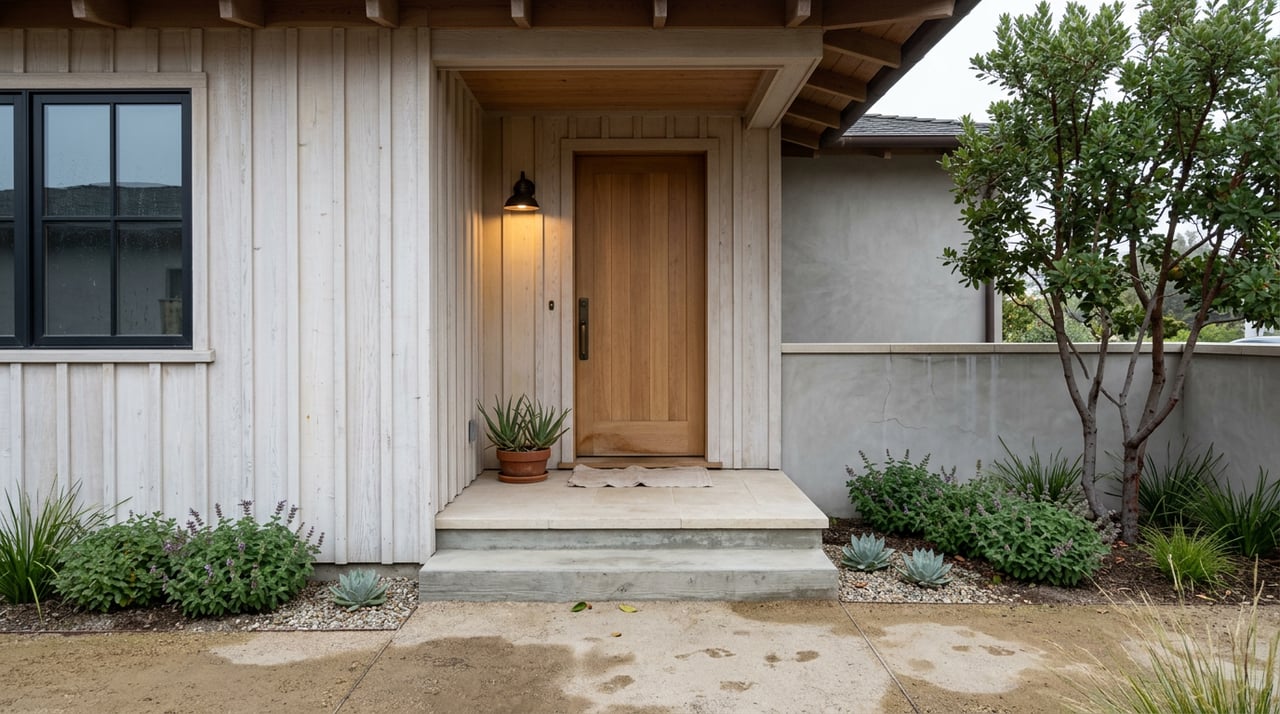
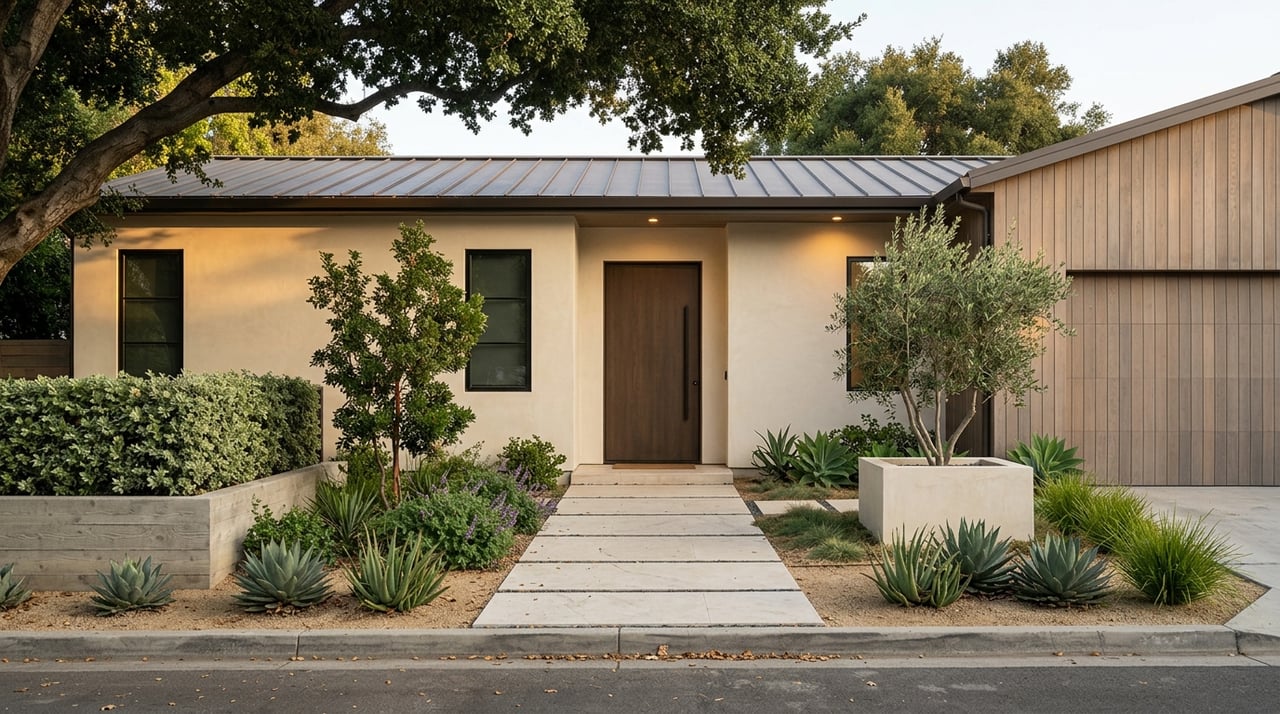
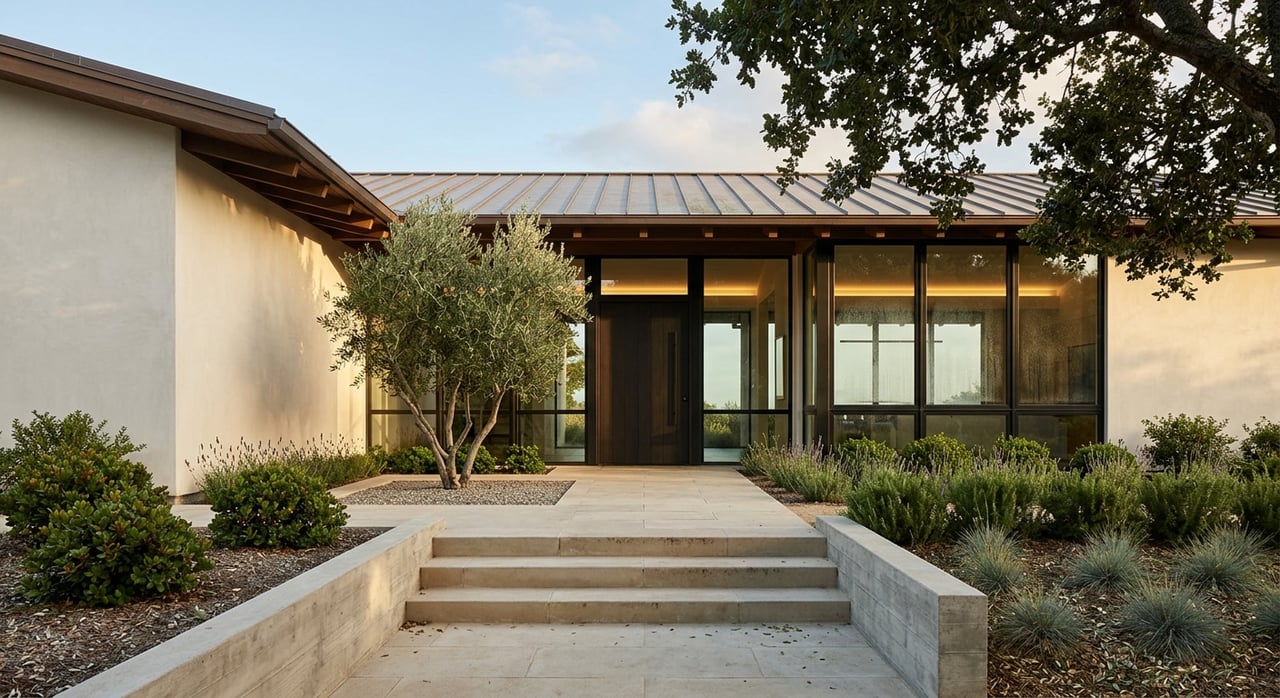
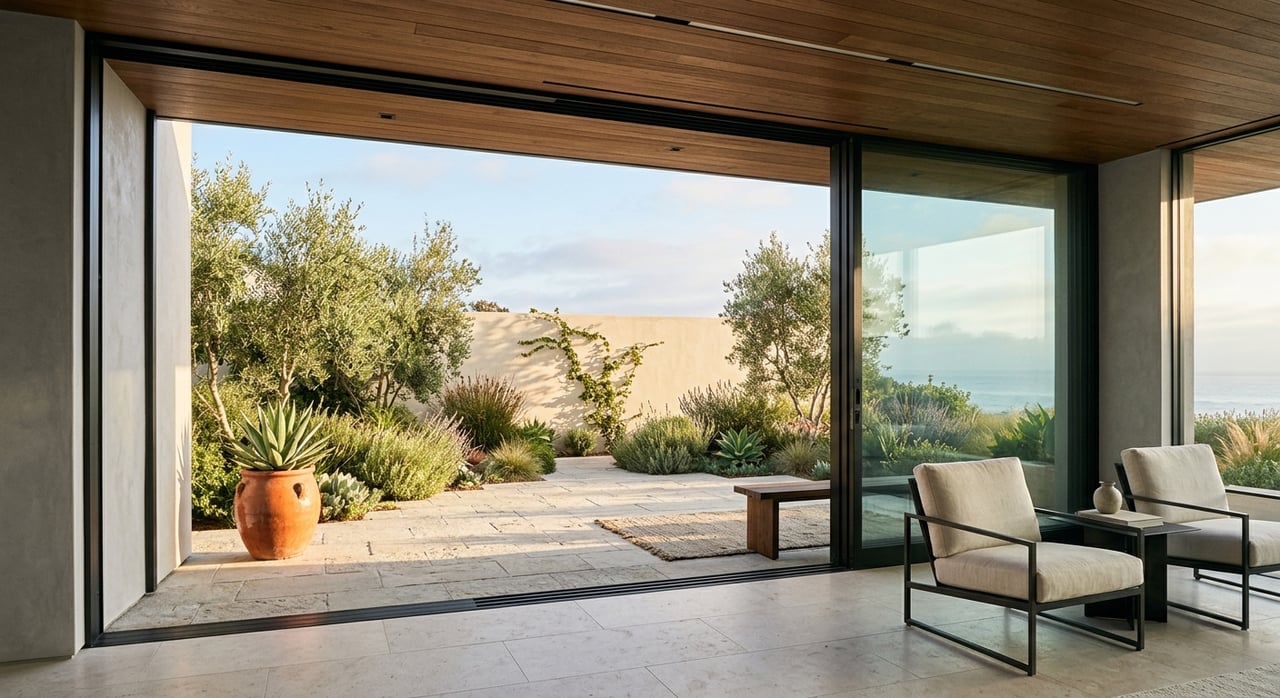
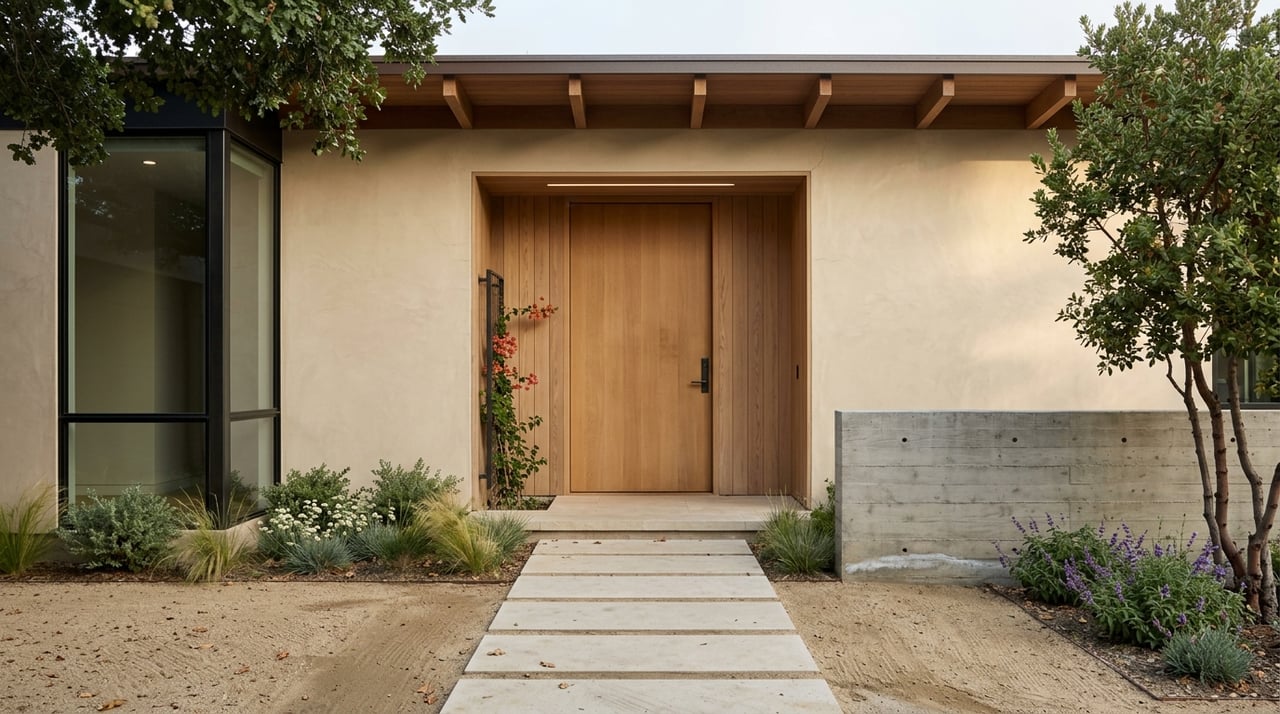
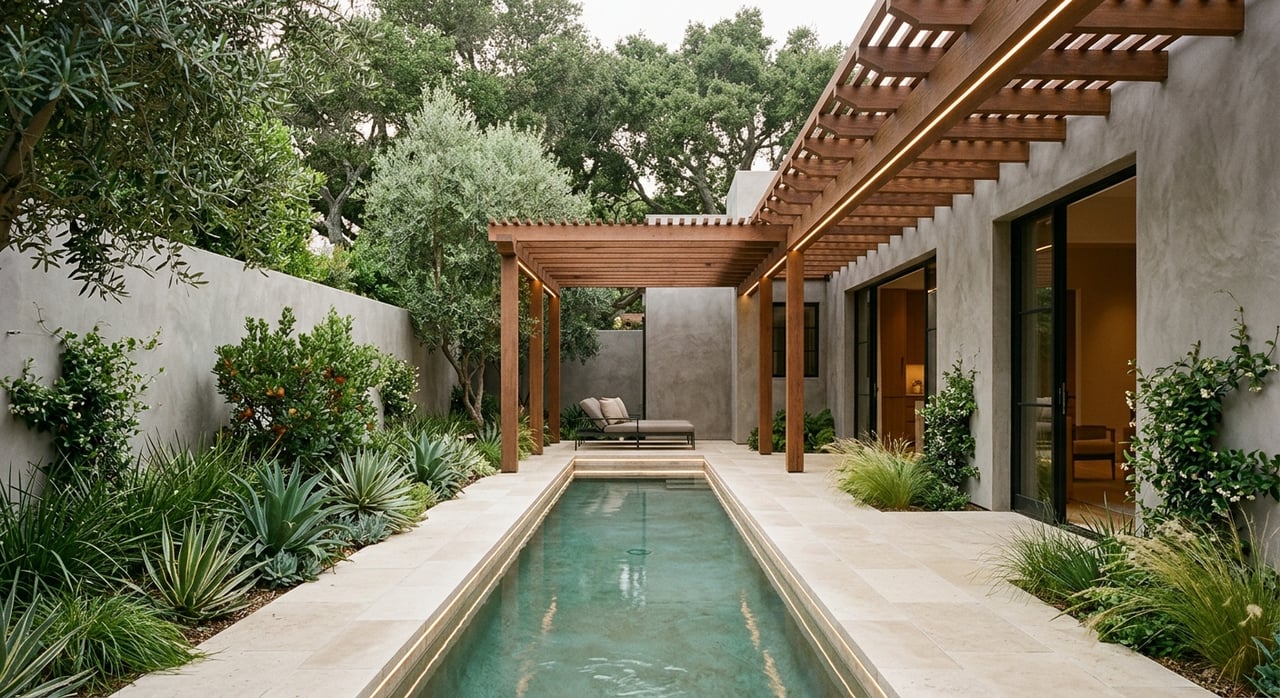
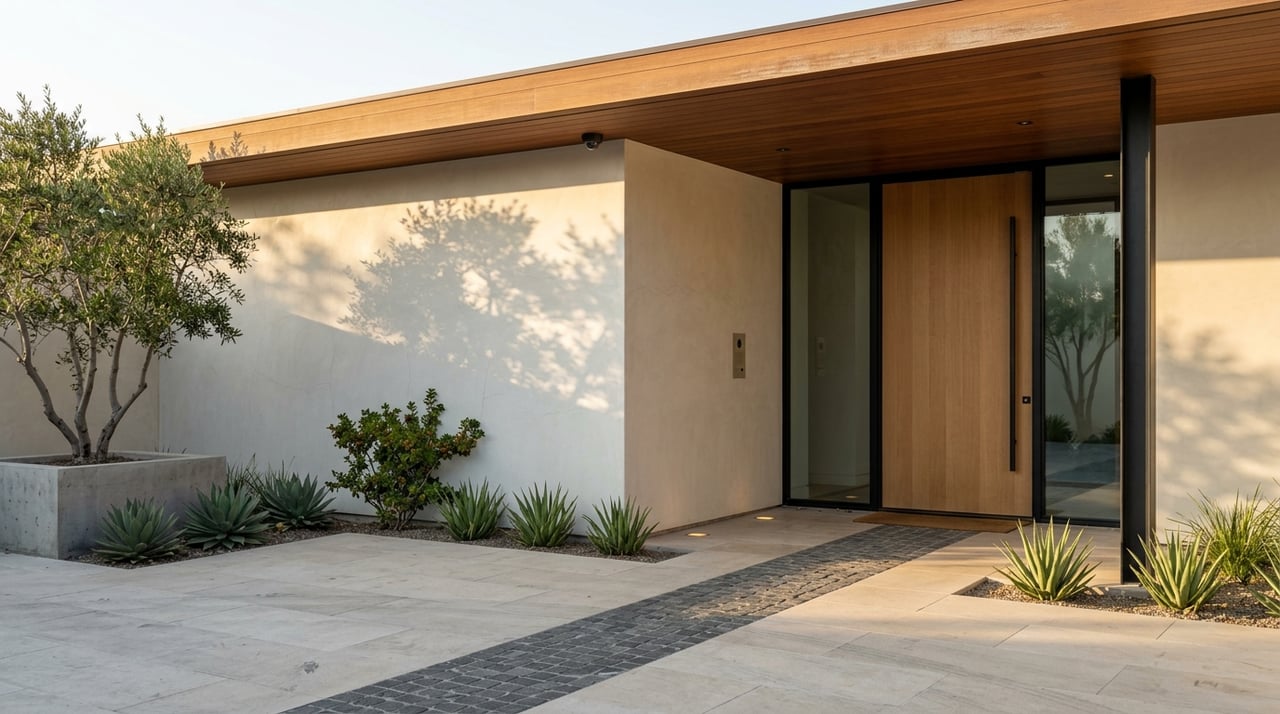
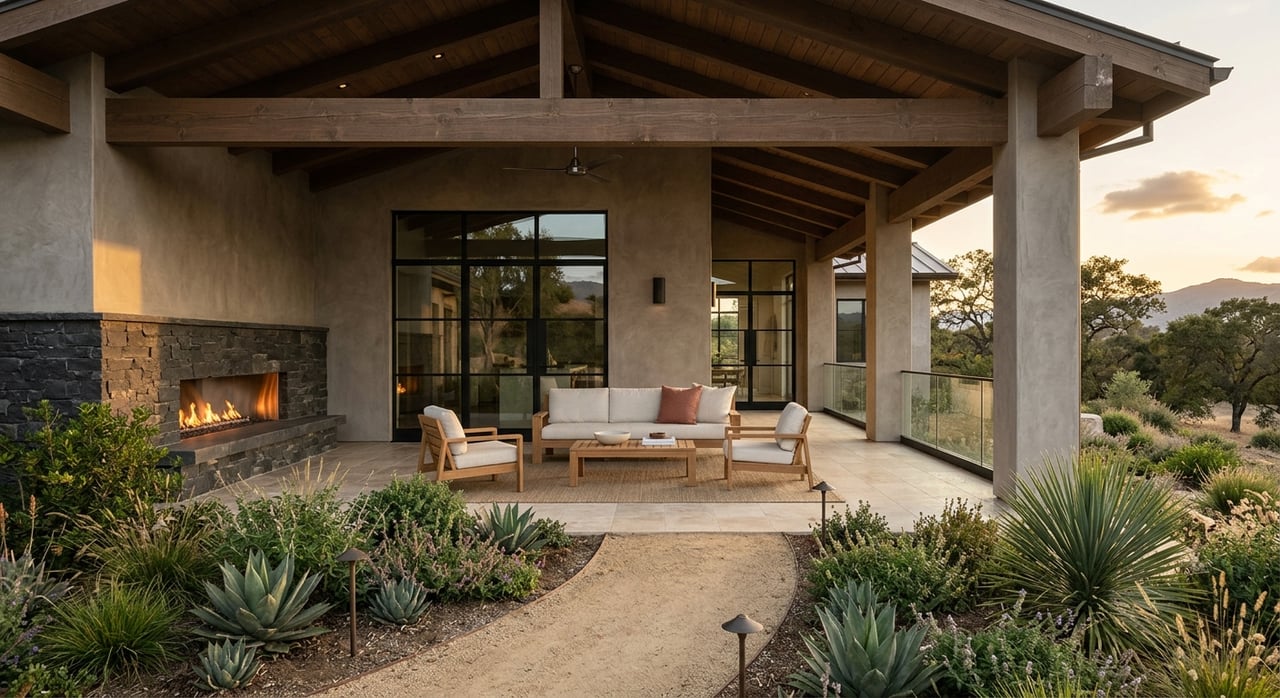
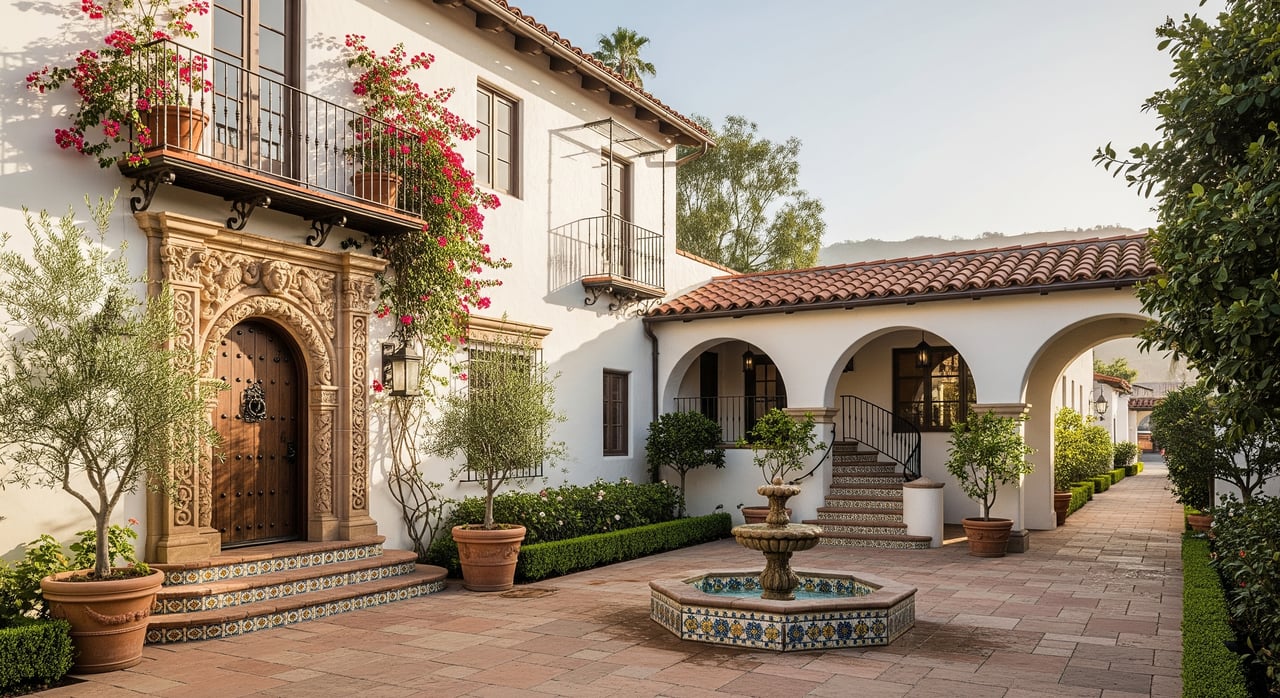
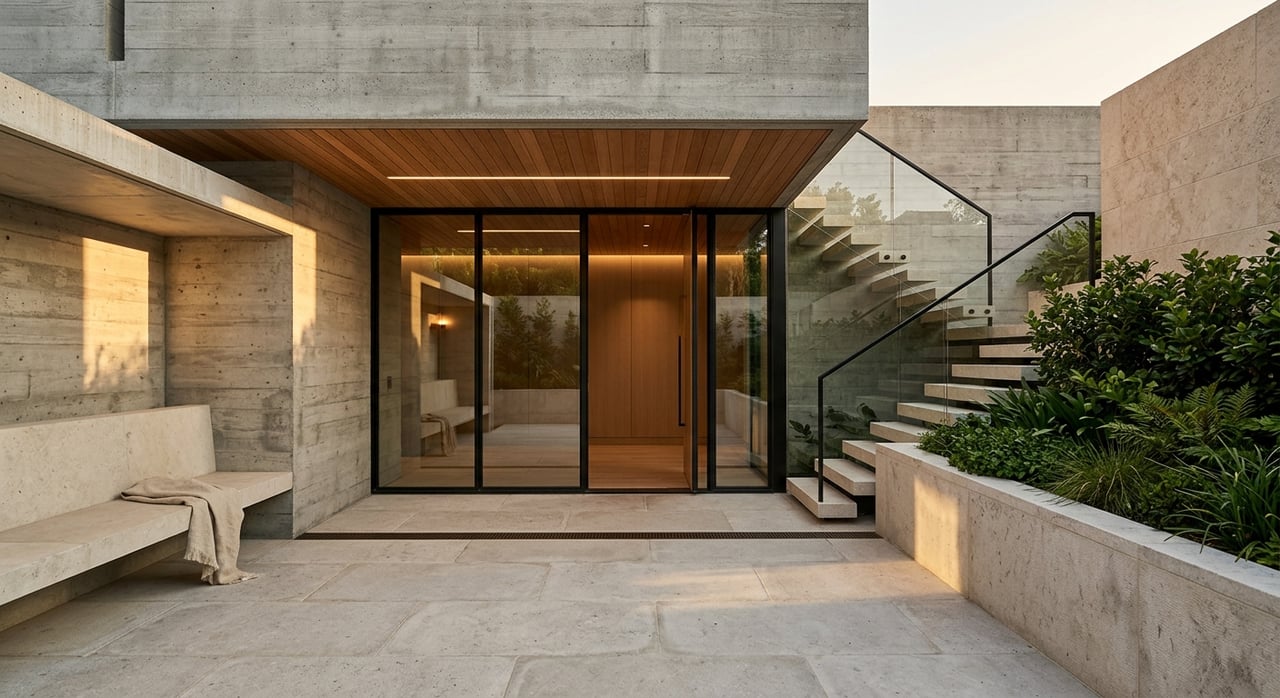
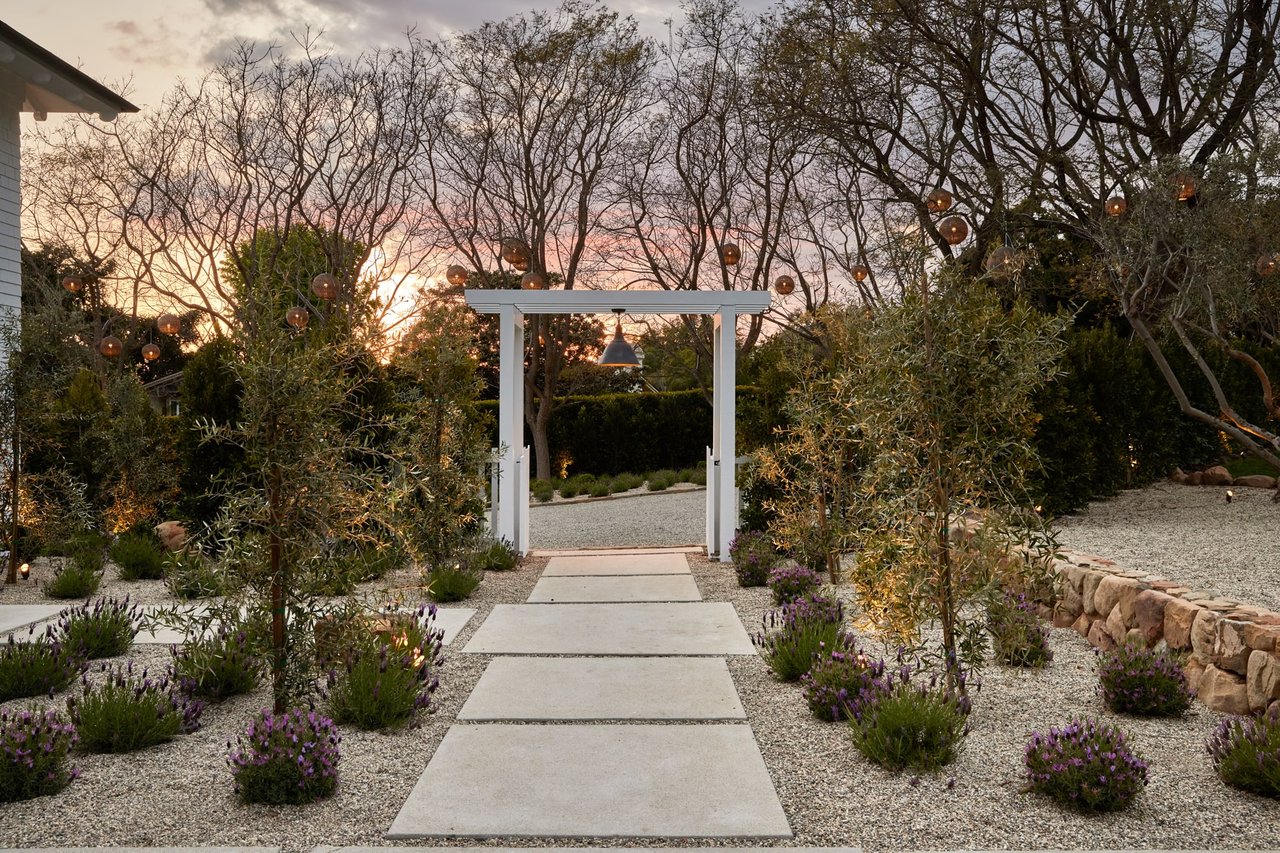
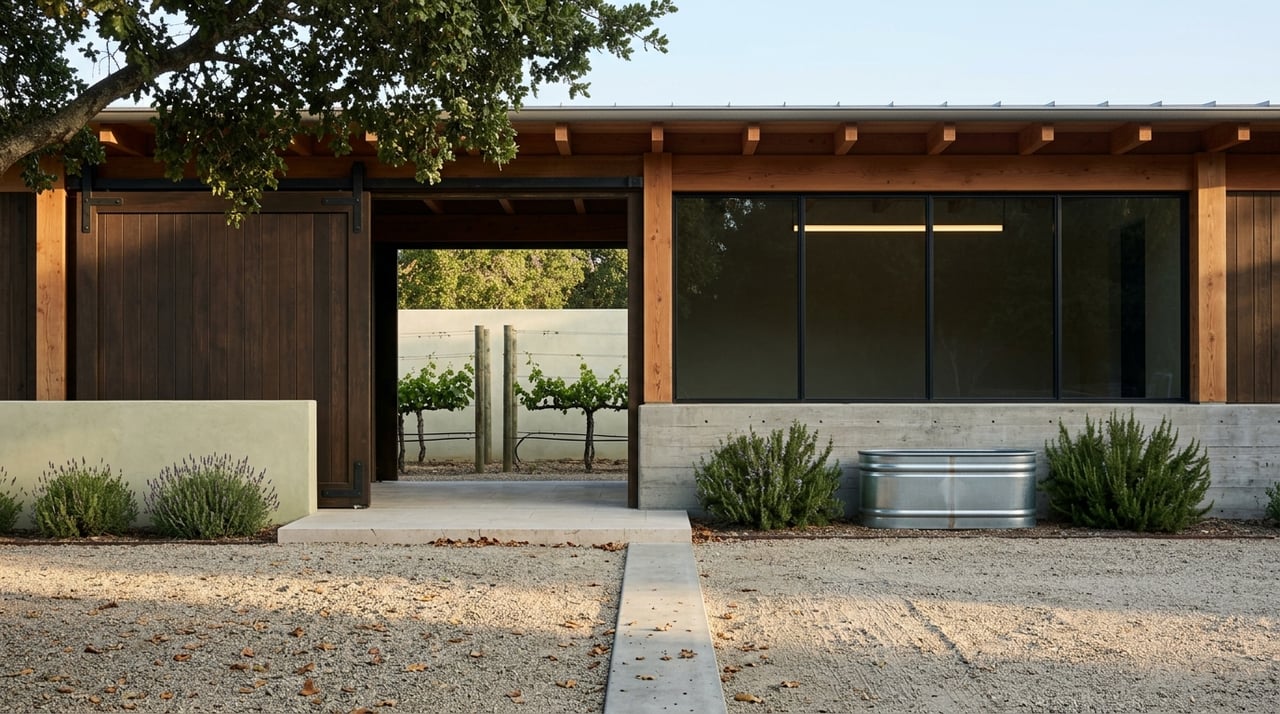
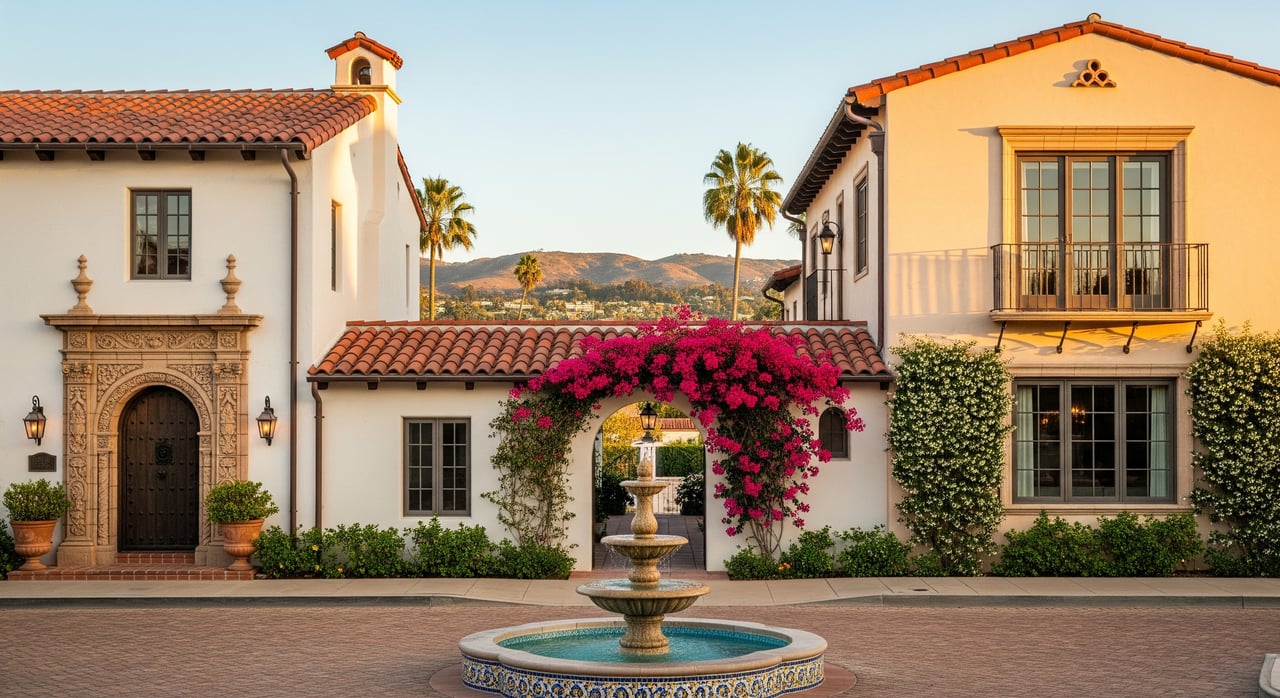
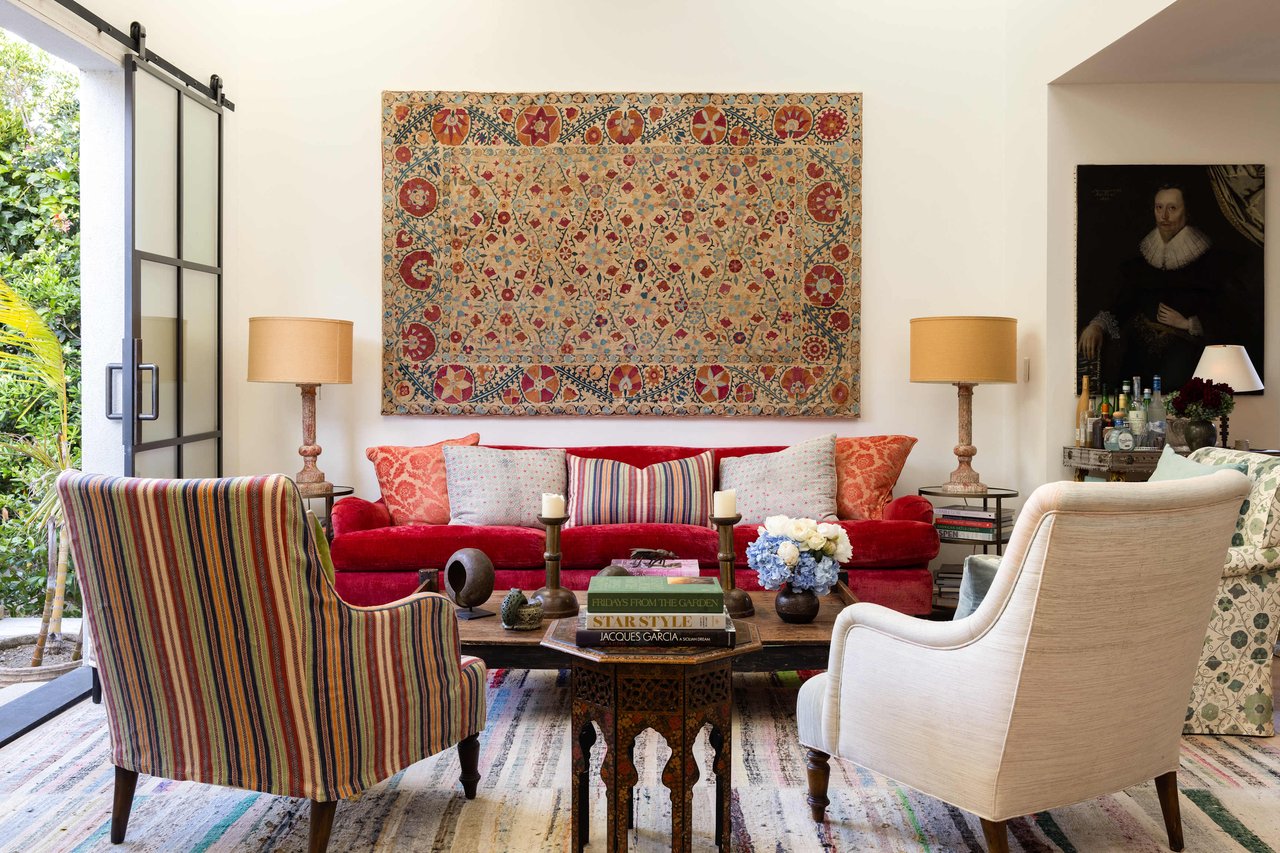
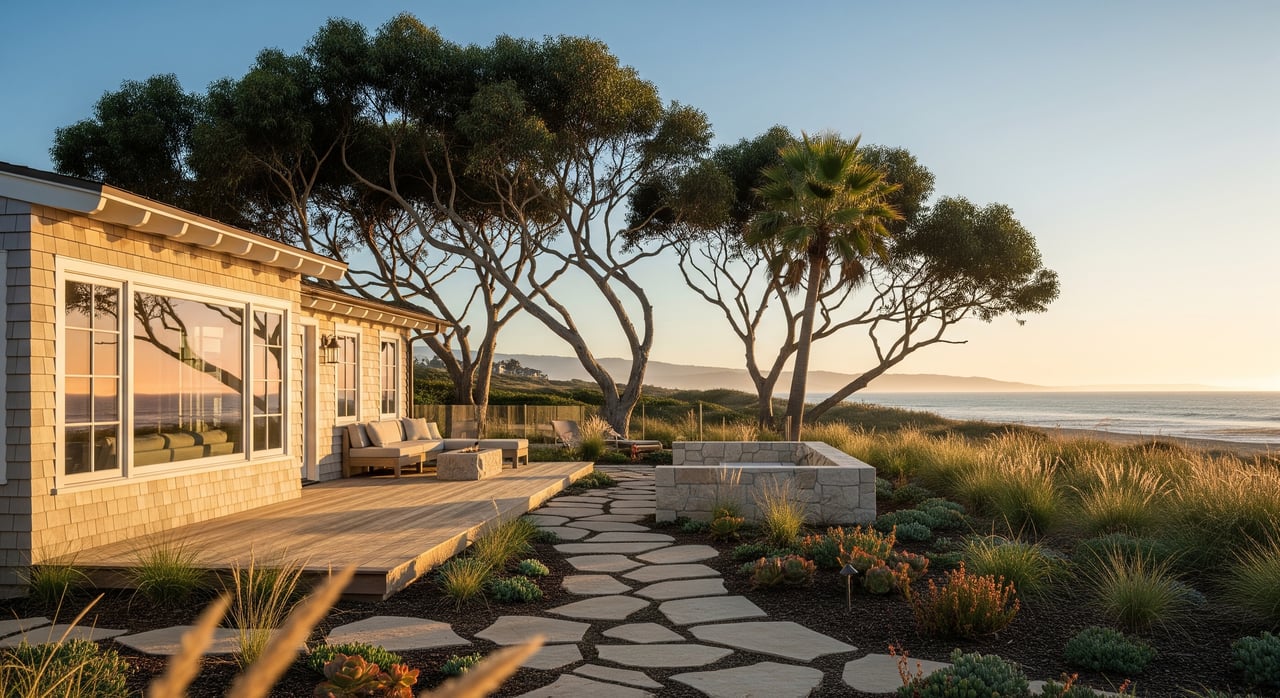
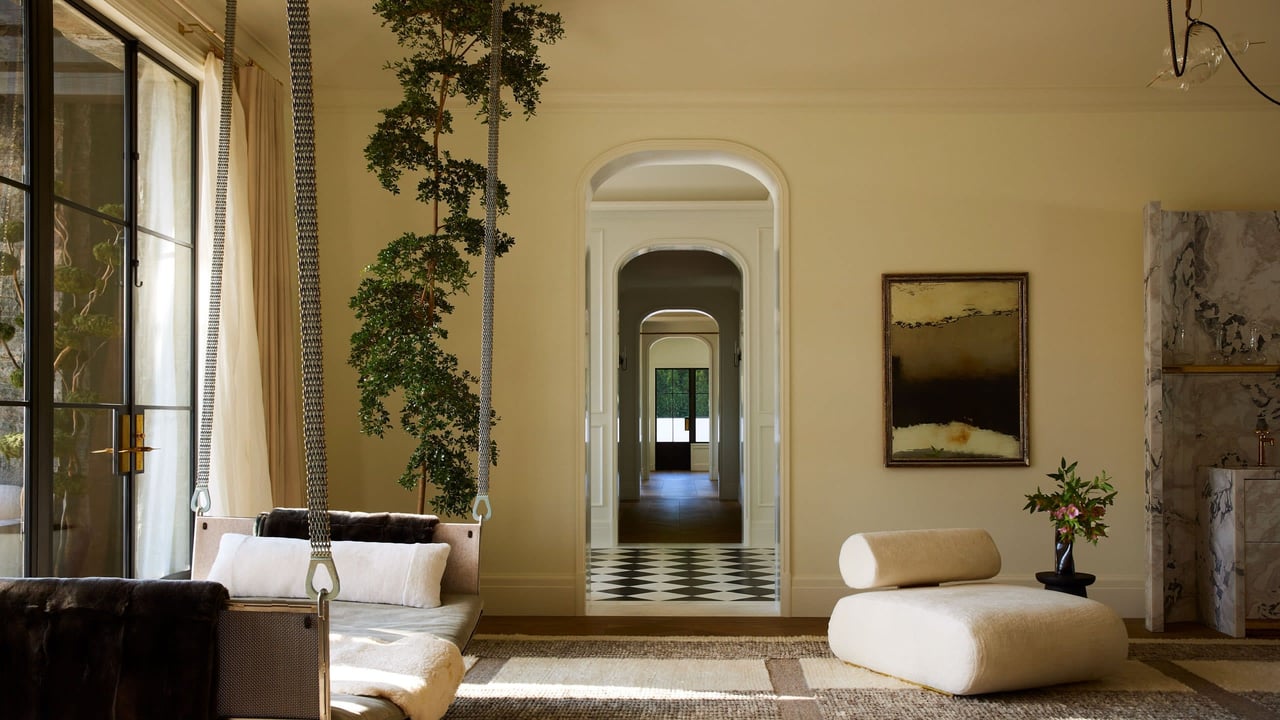
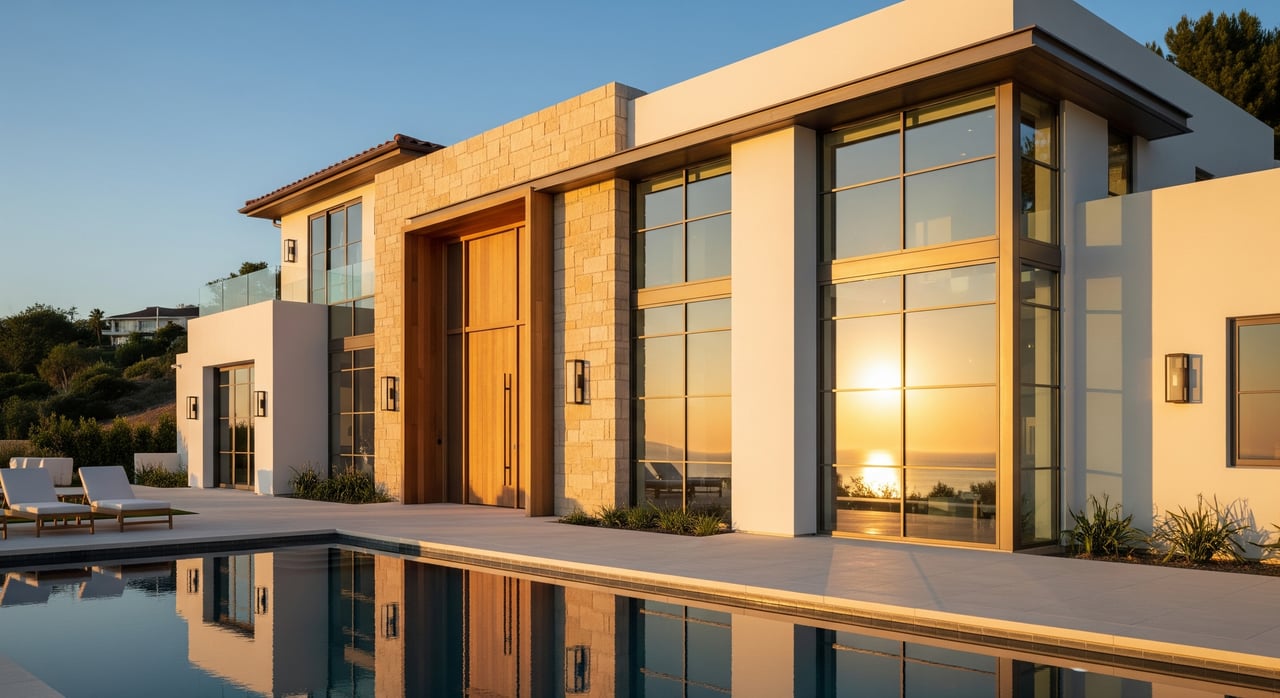
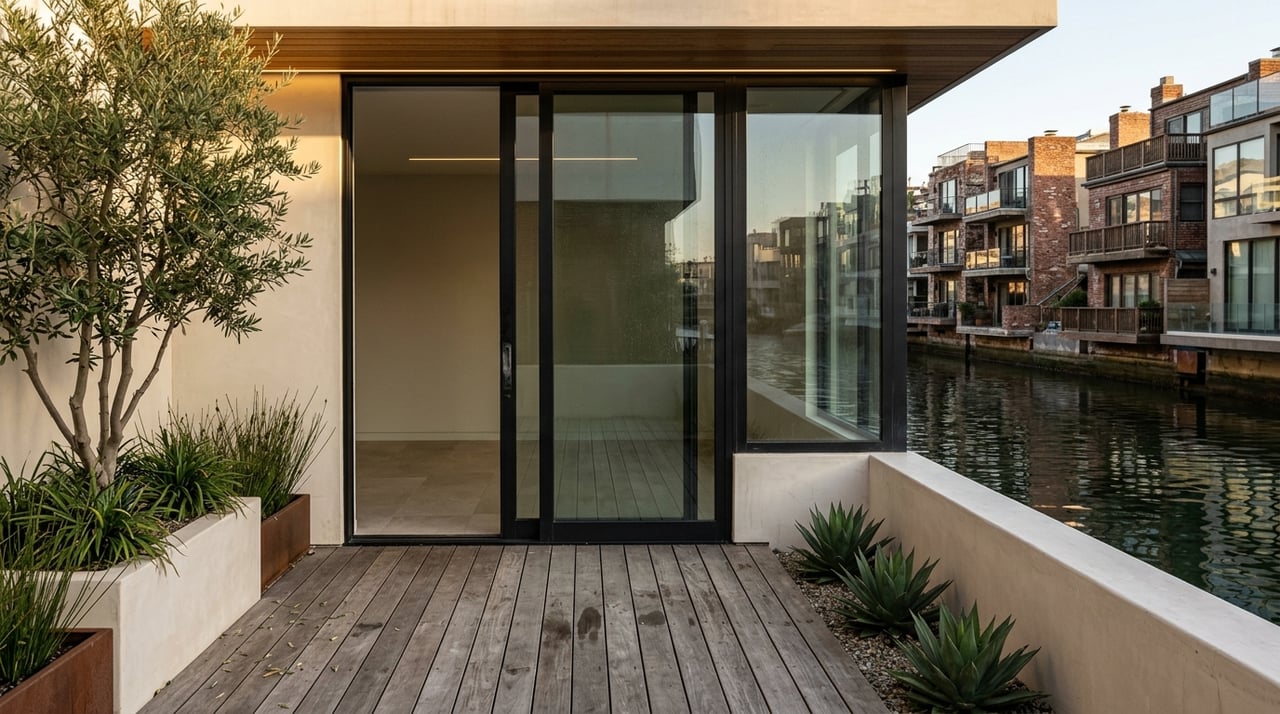
One of the canal district’s biggest draws is its architectural range. Rather than a single look, you will find a mix that includes Venetian villas, Spanish casitas, rambling beach houses, ultramodern glass homes, and a handful of original one-story bungalows dating to the early 1900s.
That variation is part of the story. Many of the original homes were small summer cottages, so the housing stock today reflects decades of preservation, remodeling, and custom construction. In practical terms, that means two homes on the same canal can offer very different design experiences, scales, and pricing.
For buyers, this creates a market that rewards clarity about what matters most to you. Some homes lean into historic charm and compact scale, while others prioritize contemporary design, larger square footage, and dramatic waterfront presentation. For sellers, it reinforces the importance of positioning a property around its specific architectural identity rather than treating the canals like a uniform submarket.
The Atmosphere of Daily Life
The Venice Canals feel pedestrian first. Sidewalks are narrow, visitor parking is not available within the canals, and bikes are expected to be walked. Even a casual stroll that crosses several bridges can take at least 45 minutes, which tells you something important about the pace of the neighborhood.
The district is open to visitors without tickets or reservations, so it carries a public-facing energy while remaining fundamentally residential. That balance is part of its appeal, but it also shapes daily life. You are living in a place people come to experience, photograph, and walk through.
Water and wildlife play a visible role in the rhythm of the neighborhood. The canals are filled with seawater from Ballona Lagoon and the Pacific Ocean, and the city maintains water levels with routine drainage and refilling at least twice weekly, usually on Mondays and Fridays. The canals are also periodically emptied to clear algae and trash.
That maintenance is simply part of living in a water-bound district. So is the natural presence of herons, egrets, ducks, and other birds, along with community traditions such as the July 4 rubber duck race and Canaloween. Motorized boats are not allowed, while rowboats, canoes, and kayaks are welcome.
Access and Practical Tradeoffs
The canals offer a beautiful setting, but they also ask for a more informed kind of ownership. This is not a conventional car-oriented subdivision, and it does not operate like a private gated enclave.
A few practical realities shape the experience:
- Visitor parking is not available within the canals
- Sidewalks are narrow and shared closely with foot traffic
- The neighborhood receives steady visitors because it is open to the public
- Canal maintenance and water-level changes are part of the normal routine
- Access is limited, with a single one-way vehicular entrance in the district
For many buyers, these are not drawbacks so much as defining features of the setting. Still, they matter. The best fit usually comes when you appreciate the canals for exactly what they are: a historic, highly visible, walkable coastal enclave with an unusually public sense of place.
Governance and Historic Character
The Venice Canals Association is a voluntary membership organization, not a conventional HOA. The properties do not have CC&Rs, and the association works with the city on beautification and water-quality issues.
That distinction helps clarify the neighborhood’s character. The canals function more like a publicly maintained, preservation-minded district than a standard private subdivision. If you are comparing the canals with other luxury pockets on the Westside, that difference is worth understanding early.
The City of Los Angeles is also planning for the area’s coastal context through the Venice Local Coastal Program, which addresses issues including coastal hazards and sea-level rise. In a neighborhood so closely tied to water, the planning framework is part of the long-term ownership conversation.
Venice Canals Real Estate Market
The Venice Canals market is small, segmented, and highly scarcity-driven. In March 2026, Redfin reported a median sale price of $5.1 million for the Venice Canals, up 54.7% year over year, with 143 median days on market and a 96.2% sale-to-list ratio.
That stands apart from the broader Venice market, which posted a median sale price of $1.8875 million and 82 median days on market in the same period. The difference shows how distinct canal-front and canal-adjacent inventory can be from Venice as a whole.
Because the sales pool is limited, a small number of closings can move the median sharply. That is important context whether you are evaluating a purchase or thinking about timing a sale. In a micro-market like this, the headline number matters, but so does the story behind each individual property.
Price Range and What Buyers See
Current canal-area listings also show how wide the pricing spread can be. Visible examples have included a 436-square-foot home at 408 Linnie Canal listed at $1.95 million, a 1,958-square-foot home at 223 Howland Canal at $3.498 million, and a 4,145-square-foot new-construction home at 442 Sherman Canal at $5.295 million.
Recent closed sales reflect a similar spread. Redfin reported 427 Sherman Canal selling for $1.9 million in April 2026 and 453 Sherman Canal selling for $5.1 million in January 2026. Those examples suggest that renovation level, waterfront position, lot characteristics, and parking or garage setup can all influence value alongside size.
The key takeaway is simple: there is no single canal-home template. Buyers often pay for a specific mix of architecture, frontage, privacy, presentation, and condition. Sellers benefit when that mix is clearly framed and thoughtfully marketed.
What Buyers Should Keep in Mind
If you are shopping the Venice Canals, it helps to think beyond square footage alone. This is a neighborhood where setting and design carry unusual weight.
As you compare homes, pay attention to:
- Whether the home is directly on a canal or nearby in the canal area
- Architectural style and level of originality or renovation
- Outdoor relationship to the water, bridges, and walkways
- Parking and access configuration
- How the home balances privacy with the district’s public-facing nature
- The broader realities of ownership in a coastal historic setting
A careful search here is often more about fit than speed. The right property tends to be the one that aligns with how you want to live, entertain, and experience the neighborhood every day.
What Sellers Should Know
For sellers, the Venice Canals reward strong presentation. The district’s historic identity, small scale, and design diversity mean buyers are rarely responding to numbers alone. They are responding to mood, architecture, waterfront presence, and the quality of the story a home tells.
That makes editorial positioning especially important in this submarket. A thoughtfully prepared property, supported by refined visuals and a clear narrative, can help buyers understand why a specific canal home stands apart. In a neighborhood where no two offerings feel exactly alike, that distinction can matter.
It also helps to price with nuance. Because the market is so thinly traded, one recent sale may not tell the whole story. The strongest strategy usually comes from reading the immediate competitive set carefully and presenting the home in a way that matches its architectural and lifestyle value.
For a neighborhood as visually specific and supply-constrained as the Venice Canals, broad-brush marketing often leaves value on the table. Sellers tend to benefit most from a tailored approach that treats the property as a one-of-one coastal asset.
If you are considering a purchase or preparing to sell a distinctive home in Venice, the right guidance can make all the difference. Eric Haskell Group brings a design-driven, discreet approach to architecturally significant coastal properties, with the editorial sensibility and market strategy these homes deserve.
FAQs
What is the Venice Canal Historic District in Venice, Los Angeles?
- It is a small historic district in Venice made up of six remaining canals, pedestrian paths, bridges, and homes, recognized by the California Office of Historic Preservation and the National Register of Historic Places.
What kind of homes are in the Venice Canals?
- The housing stock includes Venetian villas, Spanish casitas, beach houses, contemporary glass homes, and some original early-1900s bungalows.
How does daily life feel in the Venice Canals neighborhood?
- The area feels pedestrian-oriented and residential, with narrow sidewalks, footbridges, visible birdlife, regular visitors, and a slower pace shaped by the water.
Are the Venice Canals private or open to the public?
- The canals are open to visitors and do not require tickets or reservations, although the neighborhood remains a residential area.
How expensive are homes in the Venice Canals?
- In March 2026, Redfin reported a median sale price of $5.1 million for the Venice Canals, while current canal-area listing examples ranged from about $1.95 million to $5.295 million.
What should buyers consider before buying in the Venice Canals?
- Buyers should consider canal frontage, architectural style, condition, access and parking, visitor activity, and the realities of owning in a coastal historic district.
What should sellers know about listing a Venice Canals home?
- Sellers should know that pricing and presentation are especially important here because the market is small, architecturally varied, and influenced by scarcity and property-specific details.