Choosing between North of Montana and Ocean Avenue is not really about which address is "better." It is about which version of Santa Monica luxury fits the way you want to live. If you are weighing a quiet, land-driven residential setting against a view-forward, walkable coastal corridor, the distinction matters. This guide breaks down how the two areas differ in housing, atmosphere, ownership experience, and long-term appeal so you can compare them with more clarity. Let’s dive in.
Two luxury stories
Santa Monica luxury takes two very different forms in these corridors. North of Montana is defined largely by lower-density residential blocks, larger parcels, mature trees, and a long-established single-family character, even though city planning materials note some medium-density frontage along Ocean Avenue near the edge of the neighborhood. According to Santa Monica planning and historic resources documents, it is one of the city’s most distinct residential enclaves.
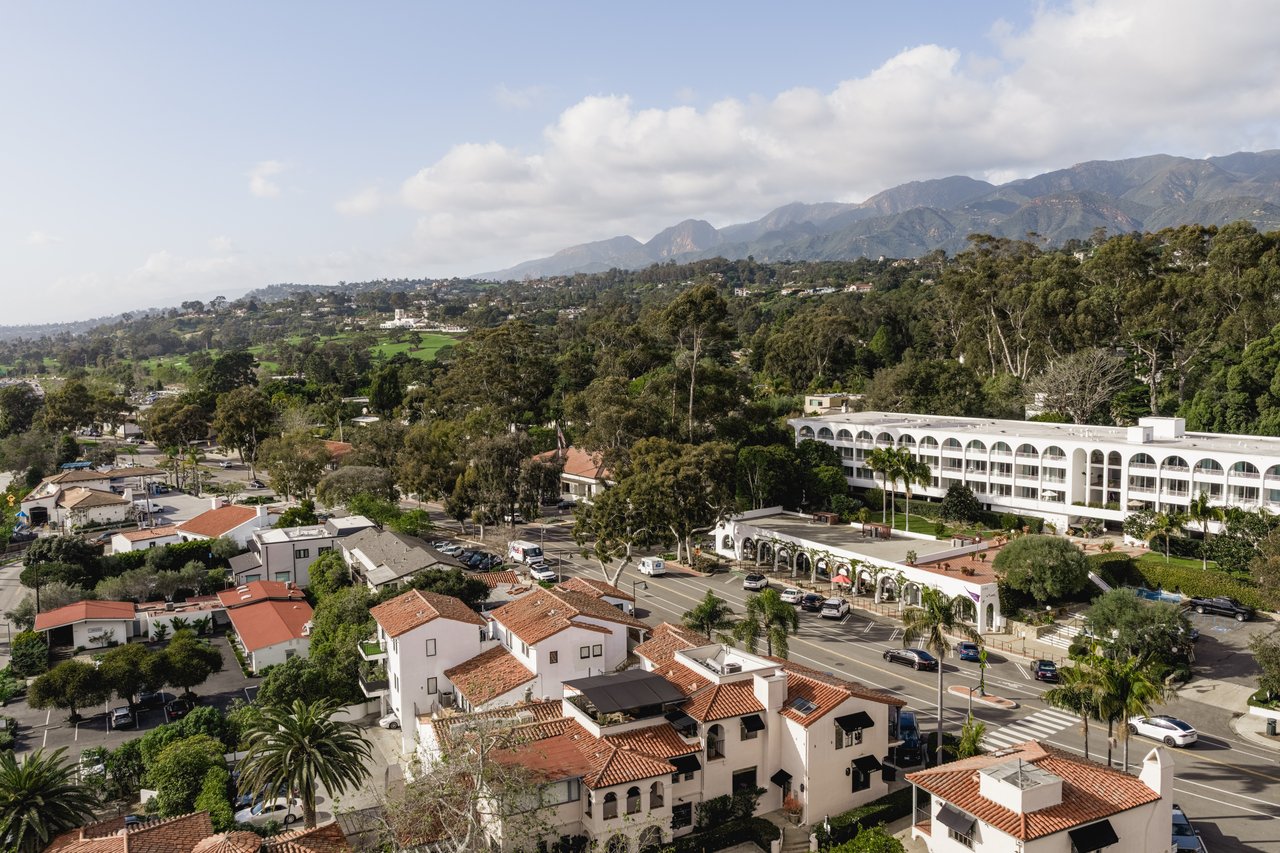
Ocean Avenue, by contrast, is a more vertical and public-facing coastal corridor. City land use documents describe the avenue as containing higher-density apartment and condominium development, especially north of Montana, along with lower-rise sections and several taller pre-1992 buildings south of Montana. In other words, Ocean Avenue’s planning framework supports a very different kind of luxury living.
North of Montana at a glance
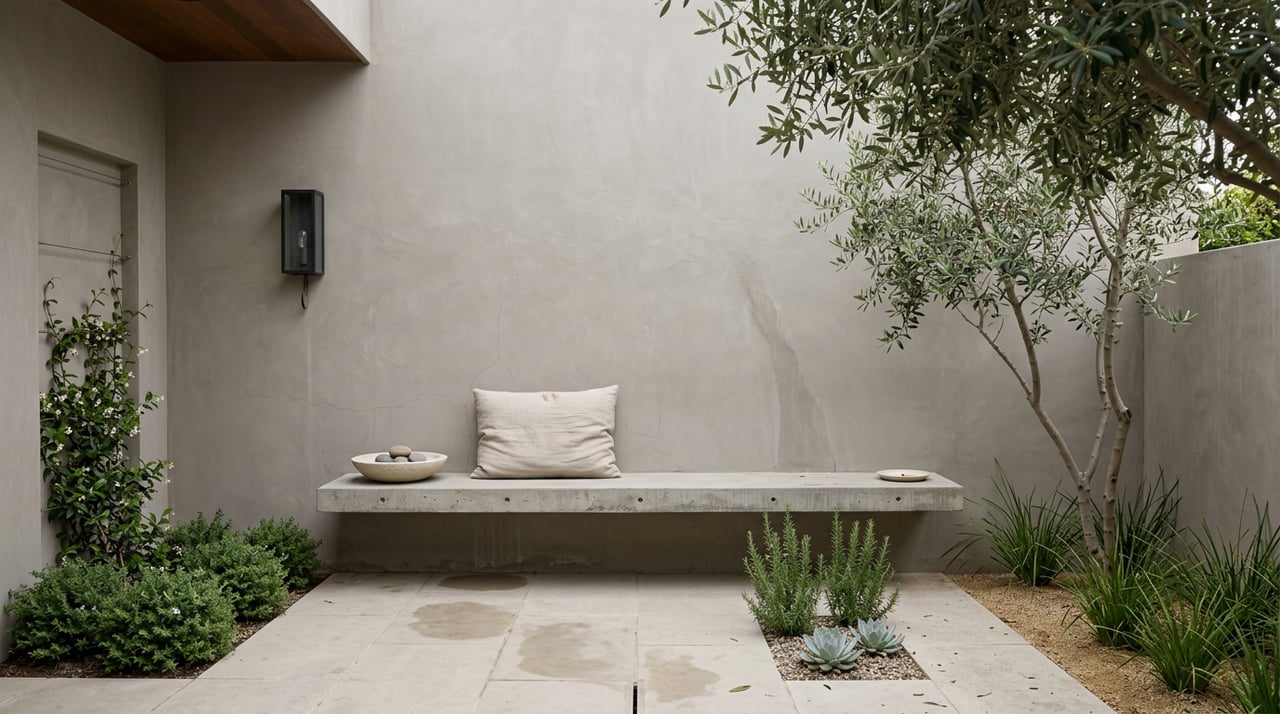
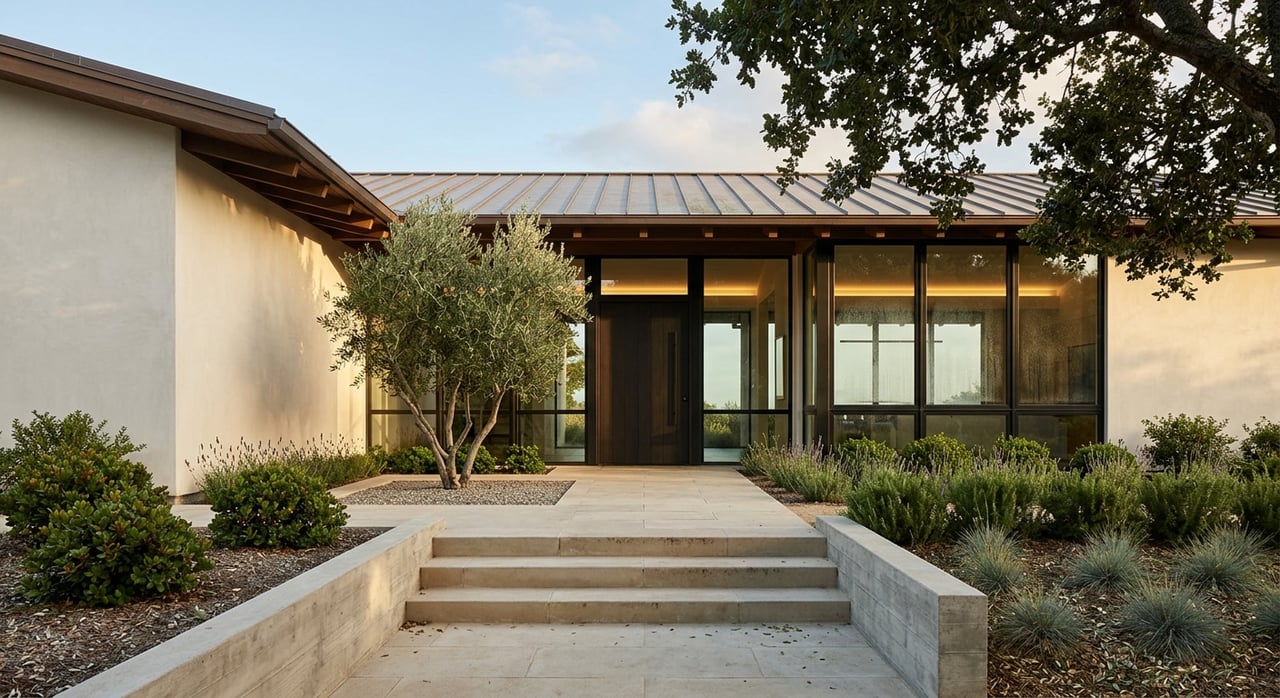
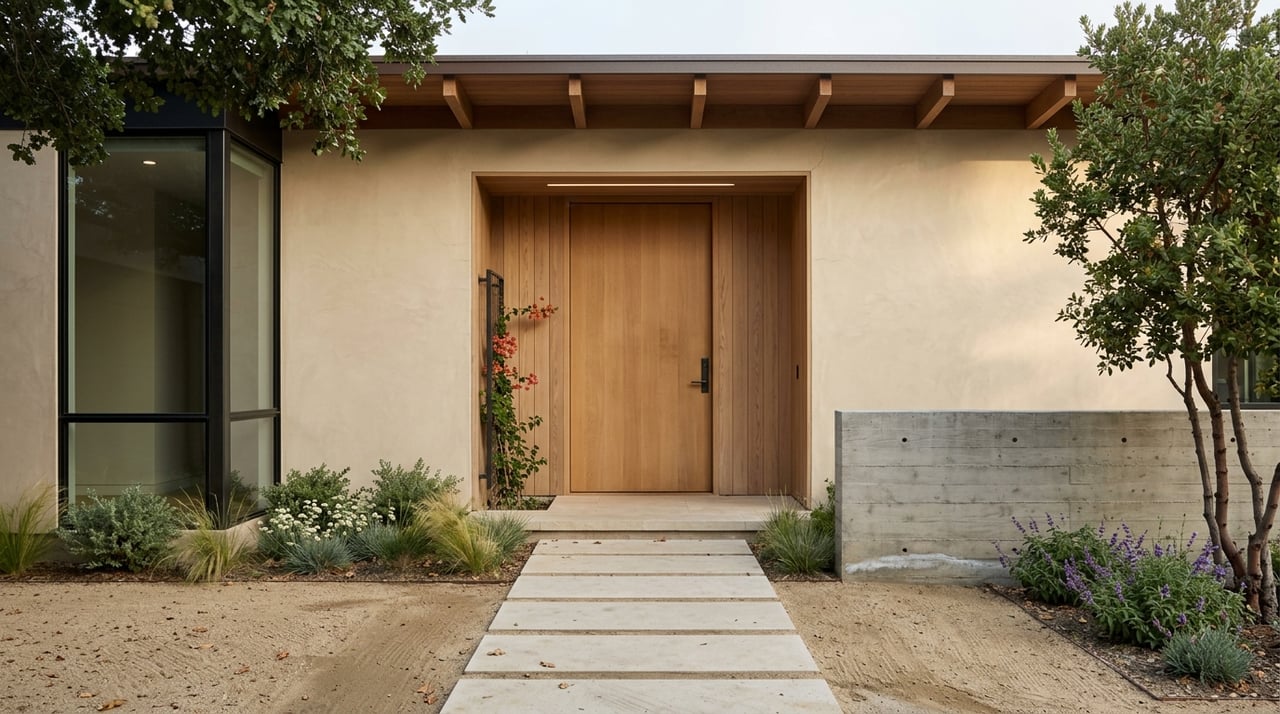
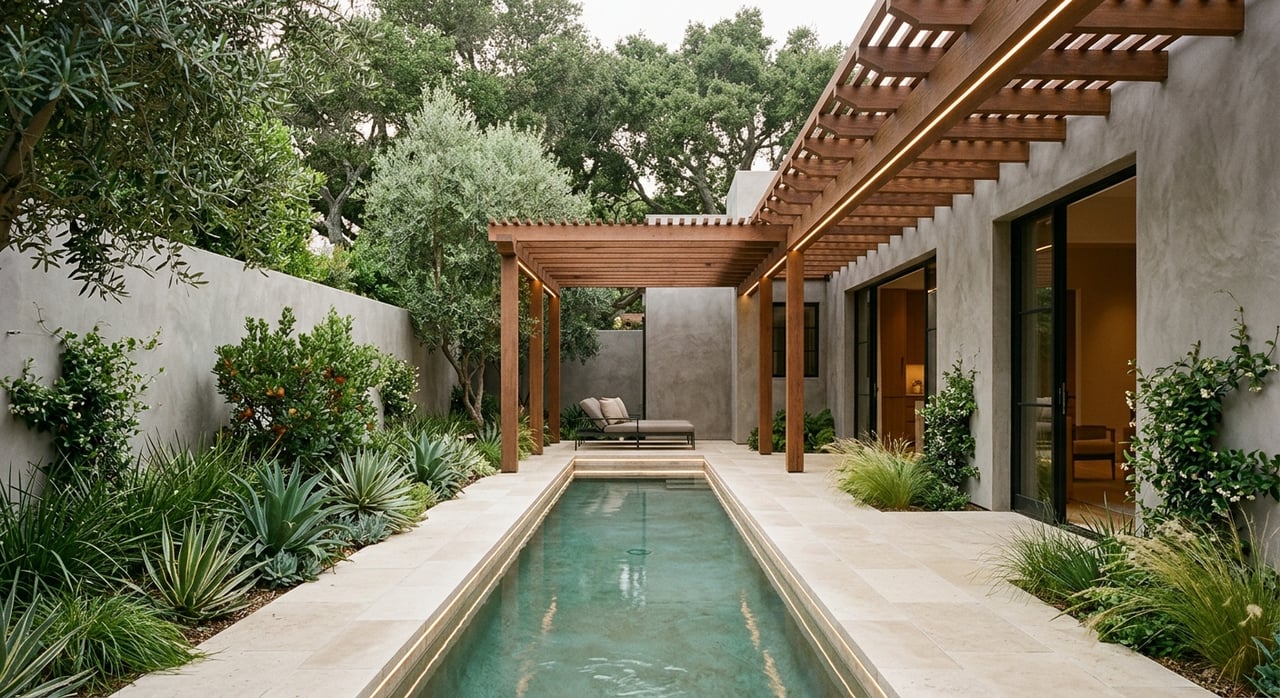
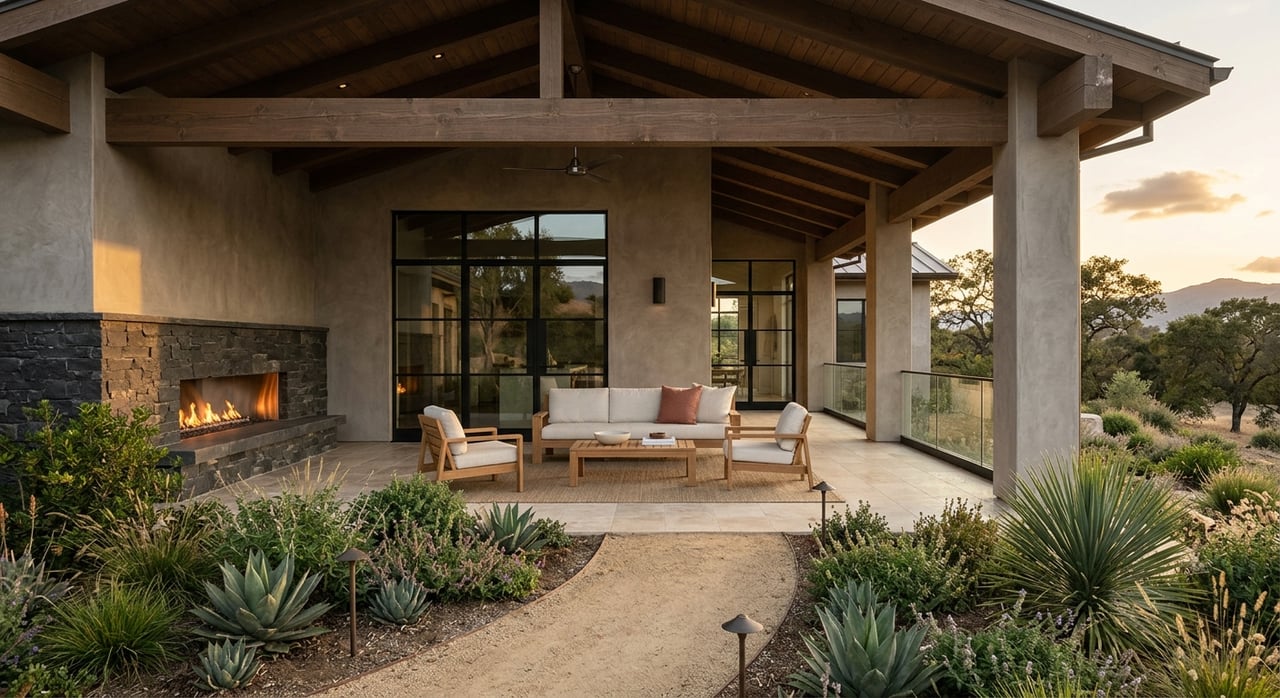
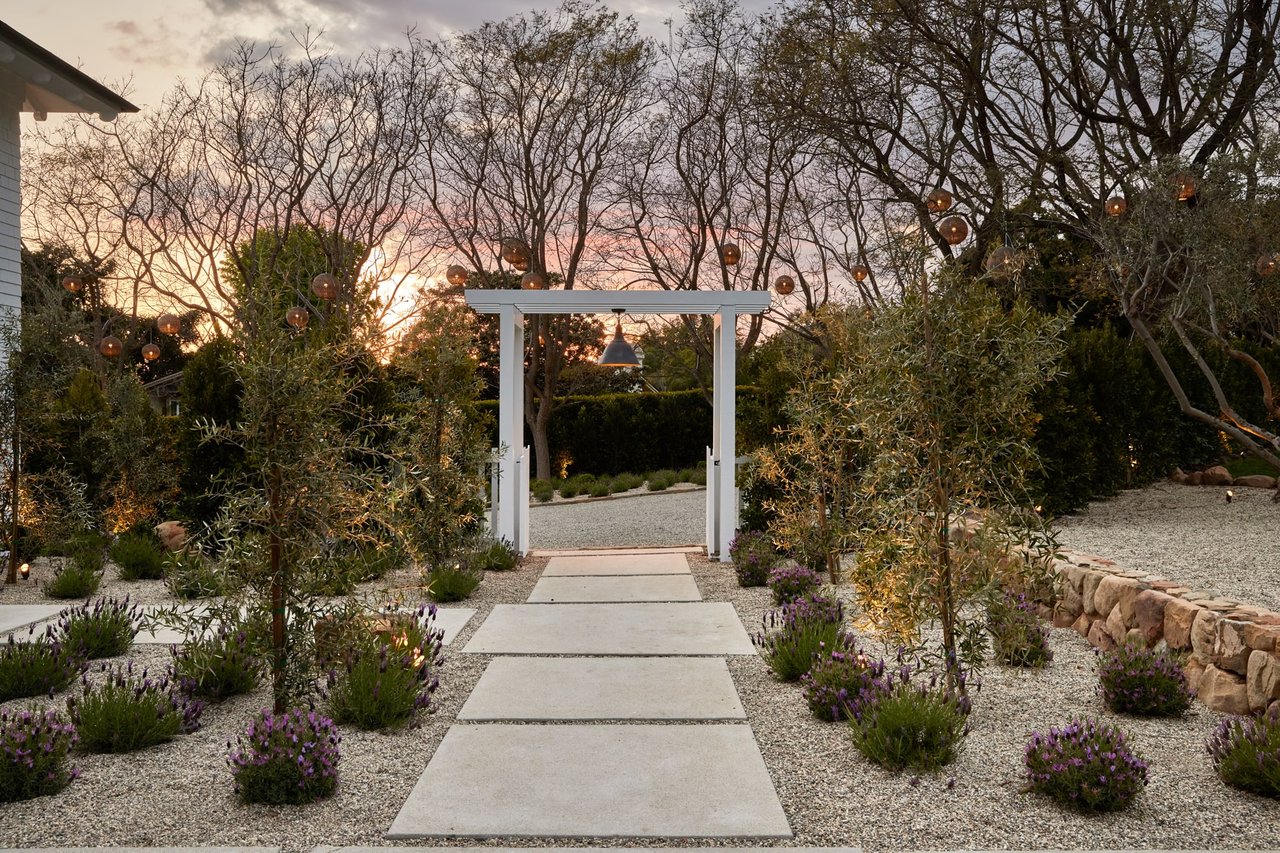
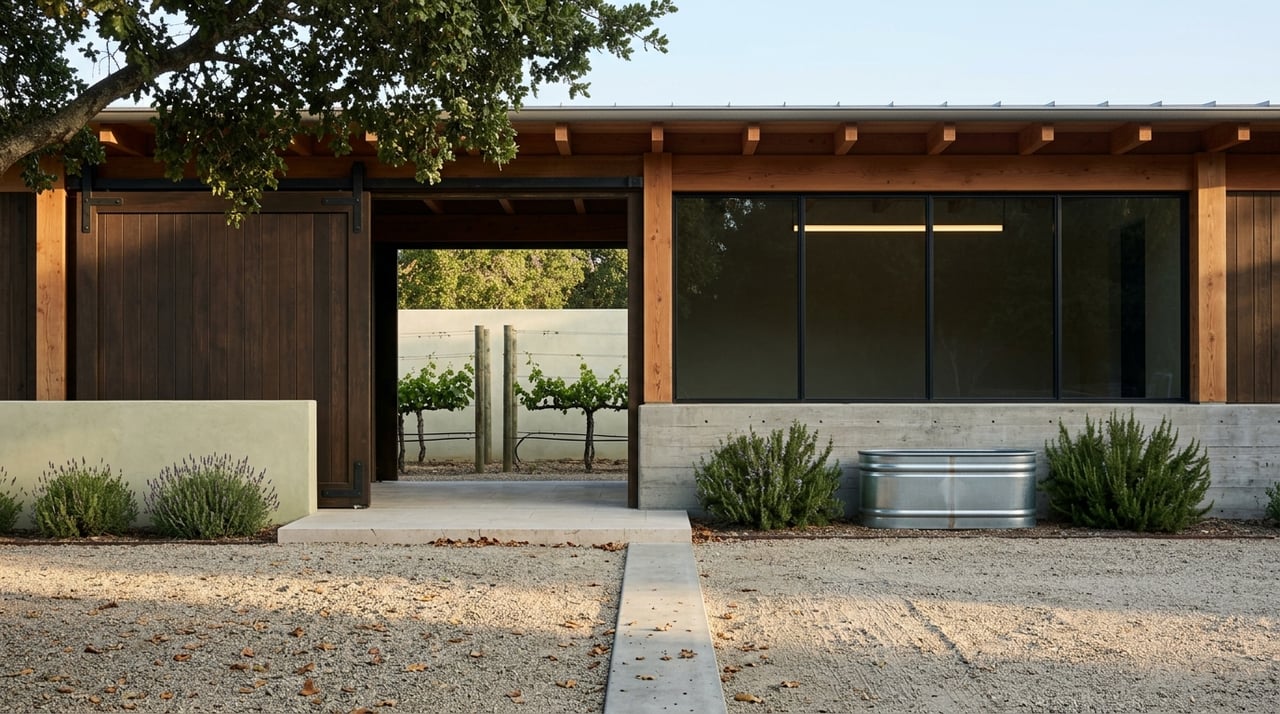
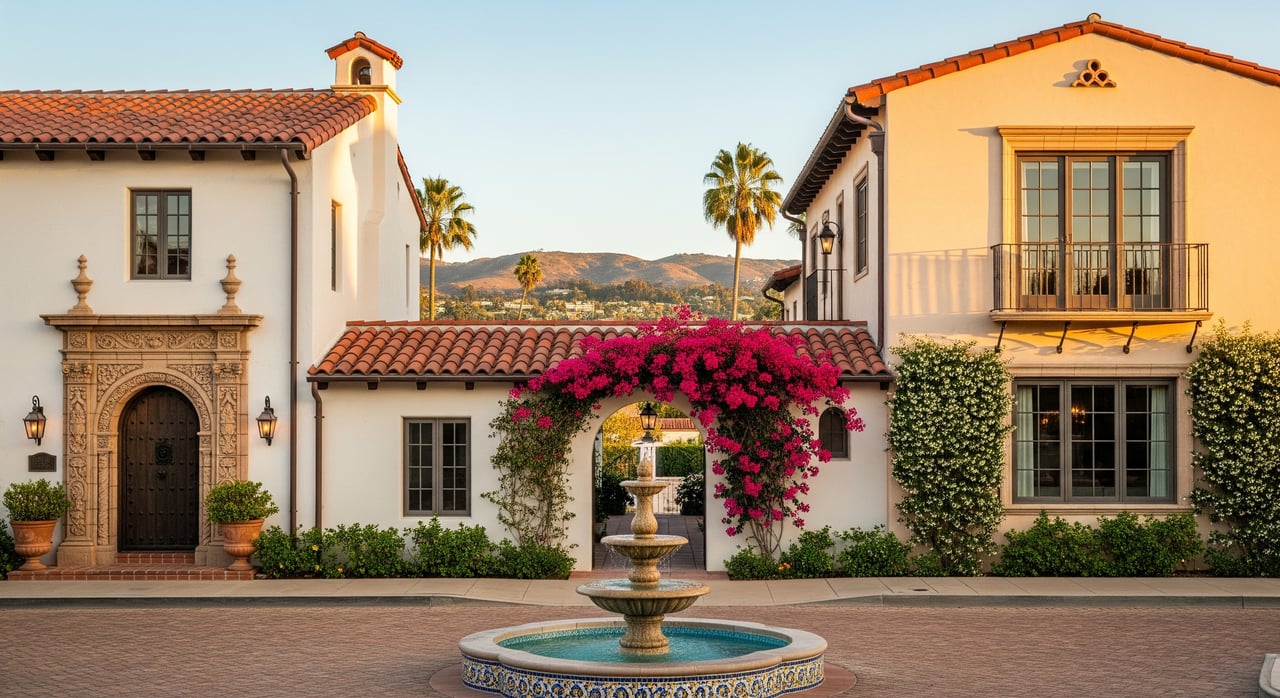
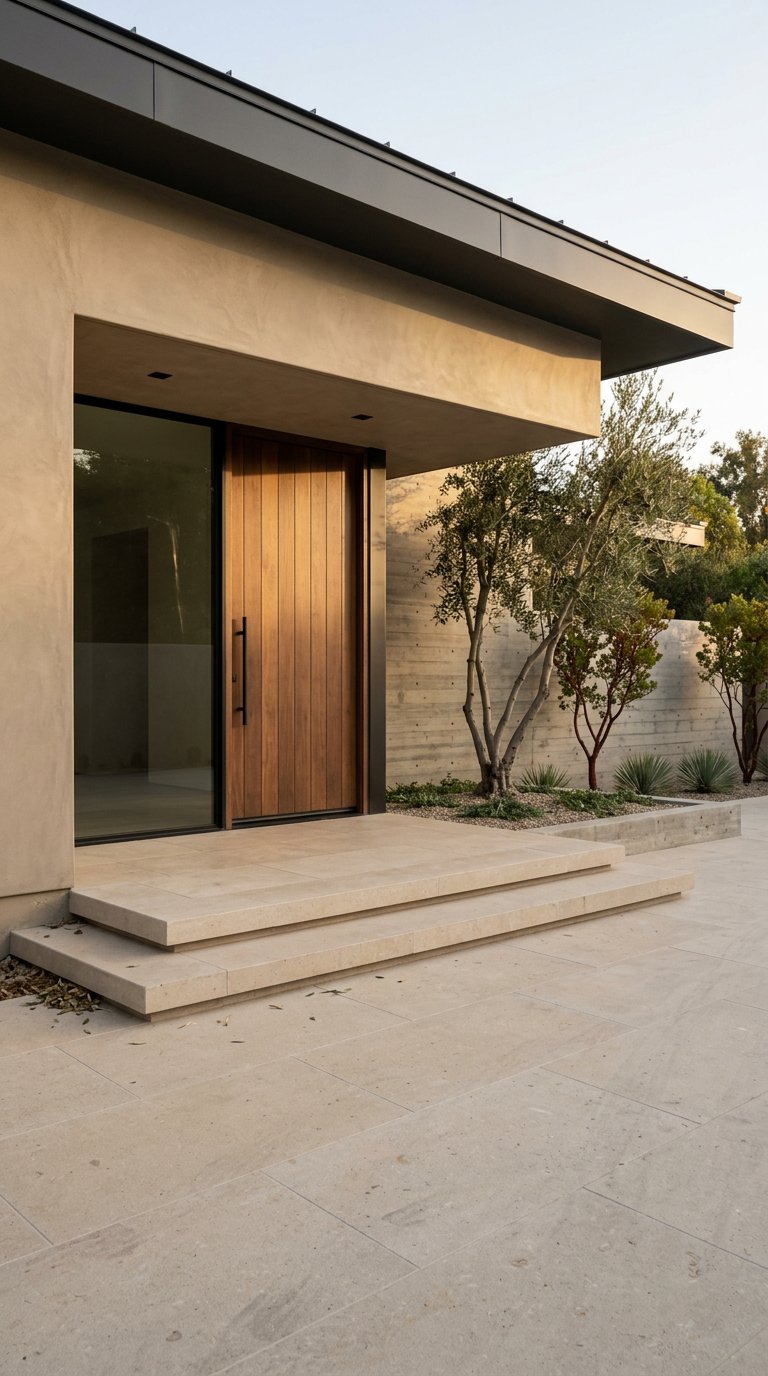
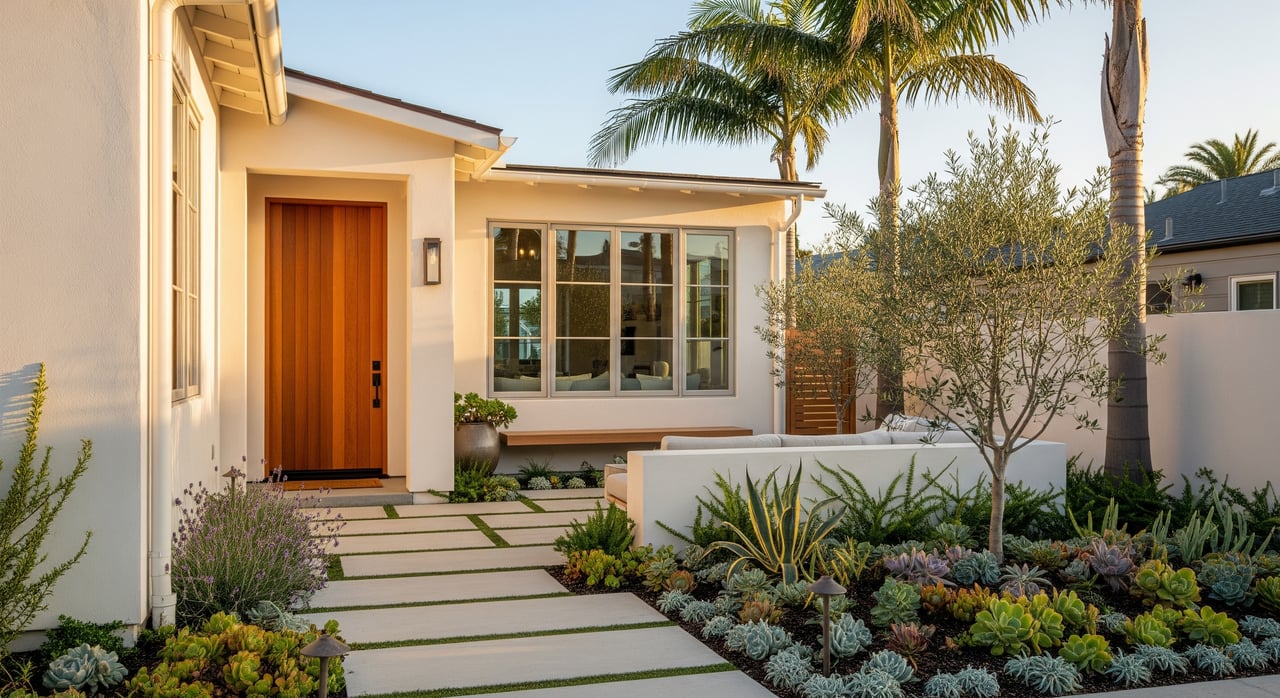
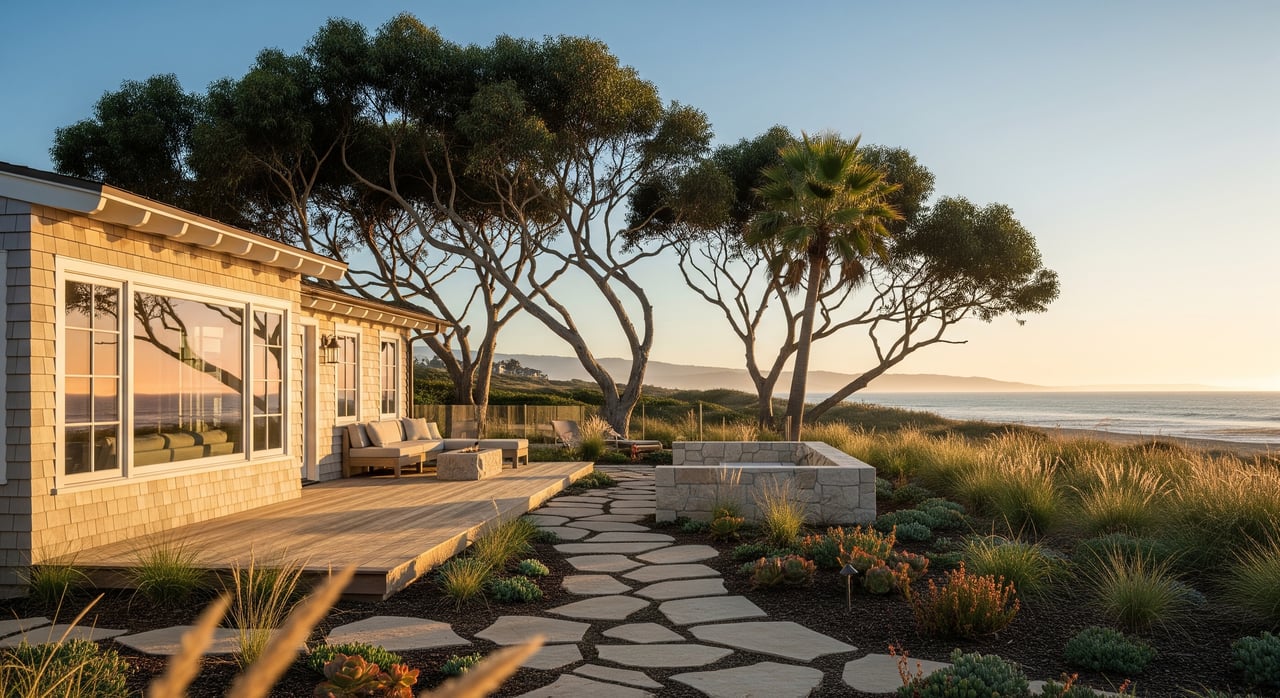
North of Montana tends to appeal to buyers who value space, architectural character, and a quieter residential setting. The neighborhood developed largely in the 1920s and 1930s, and city historic context materials tie its prestige to generous lots, mature landscape features, and its coastal mesa setting. That gives the area a sense of continuity that many luxury buyers find compelling.
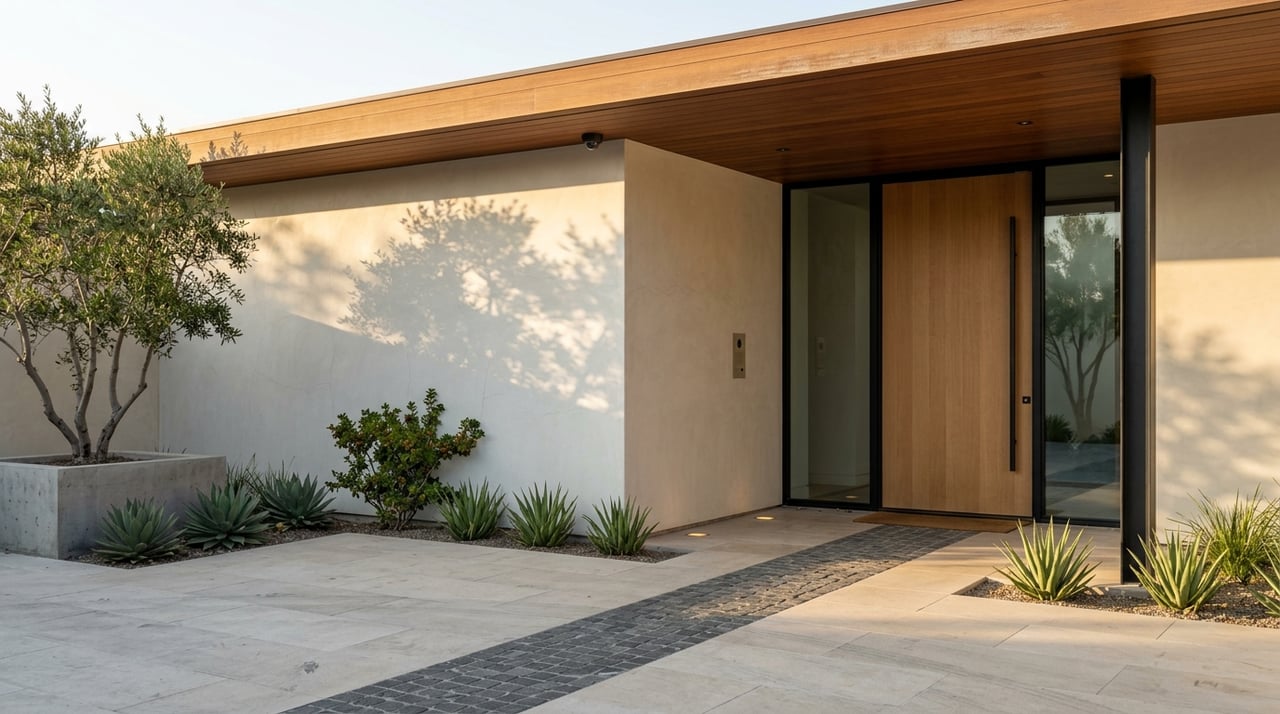
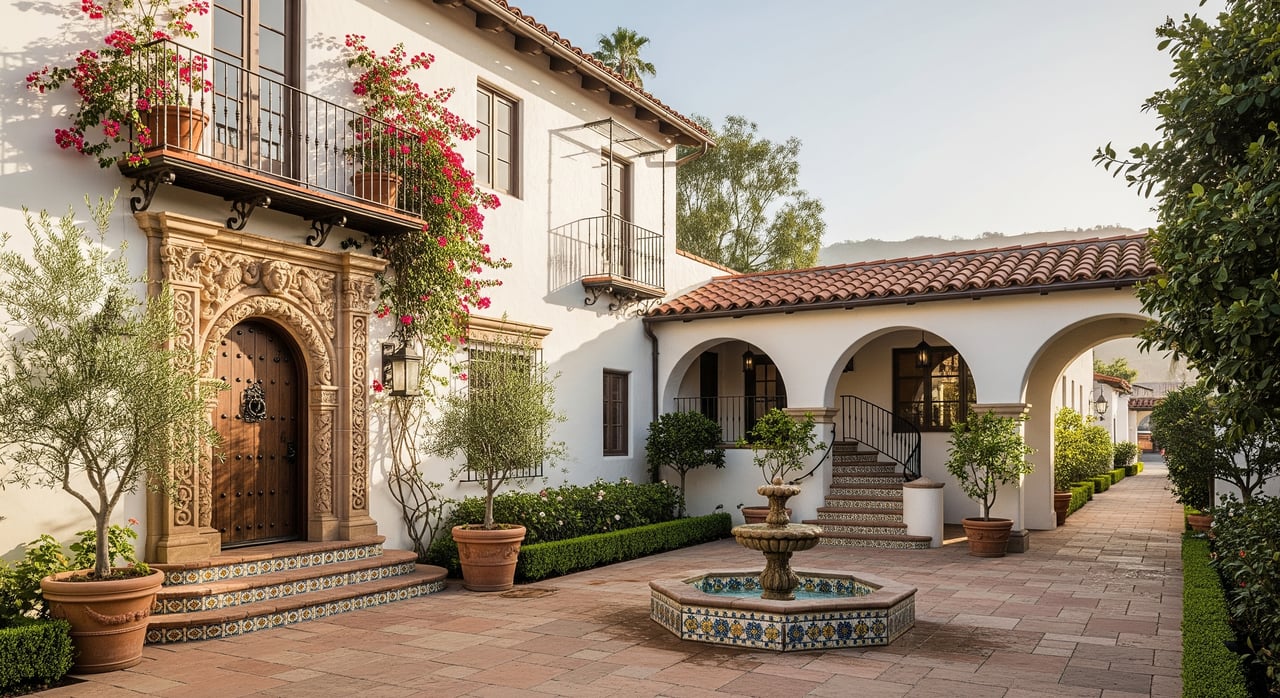
The built environment also carries design weight. The city notes a mix of historic homes, courtyard housing, mature trees, and architectural variety, including homes associated with notable architects, as outlined in the 2018 Historic Resources Inventory update. If you are drawn to craftsmanship, lot presence, and a more private residential rhythm, this is often where the comparison starts to tilt.
What daily life feels like
On the ground, North of Montana generally feels more contained and residential. Interior streets read quieter, while Montana Avenue acts as the neighborhood’s commercial edge with cafes, boutiques, and everyday conveniences nearby. That setup gives you access without placing the most active foot traffic directly outside your door.
It is also important not to oversimplify the area. The neighborhood is not made up exclusively of detached homes, and the city notes some higher-density parcels near its edges. Still, the dominant identity remains lower-density and land-oriented.
Ocean Avenue at a glance
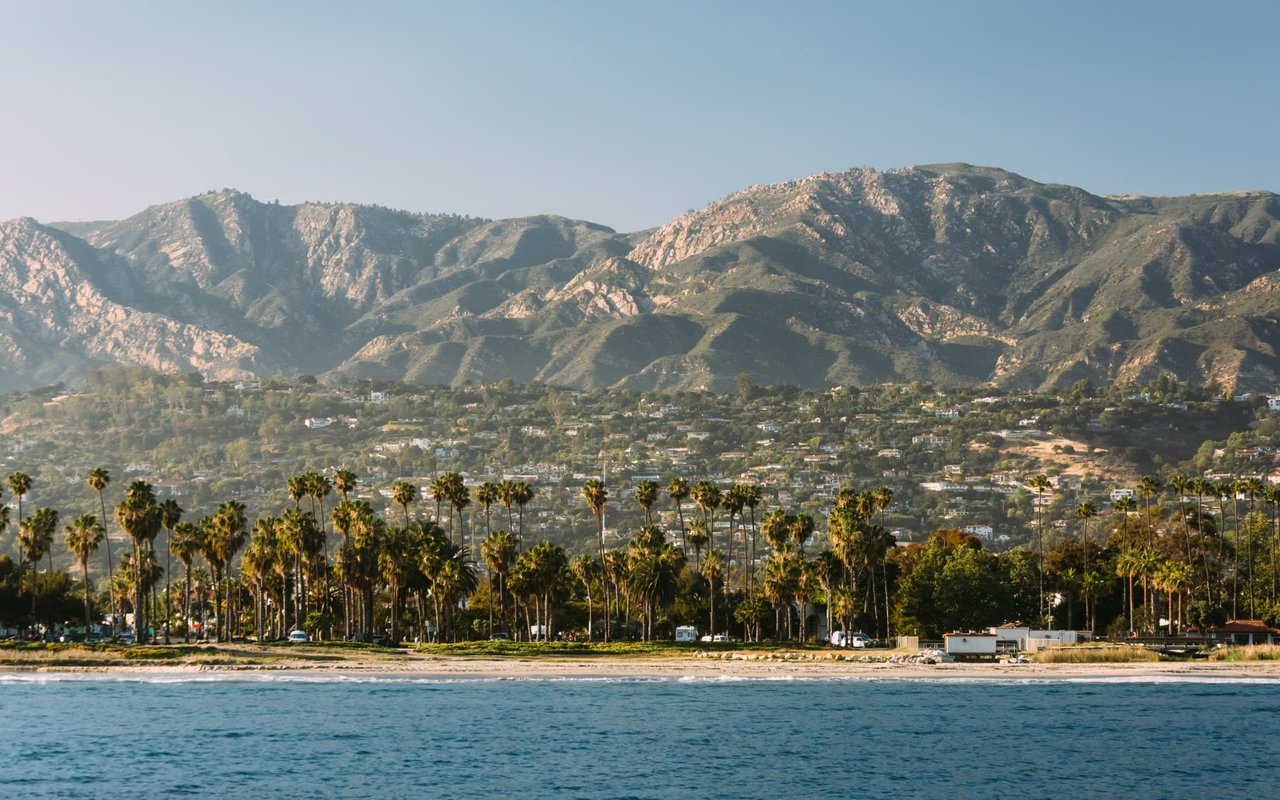
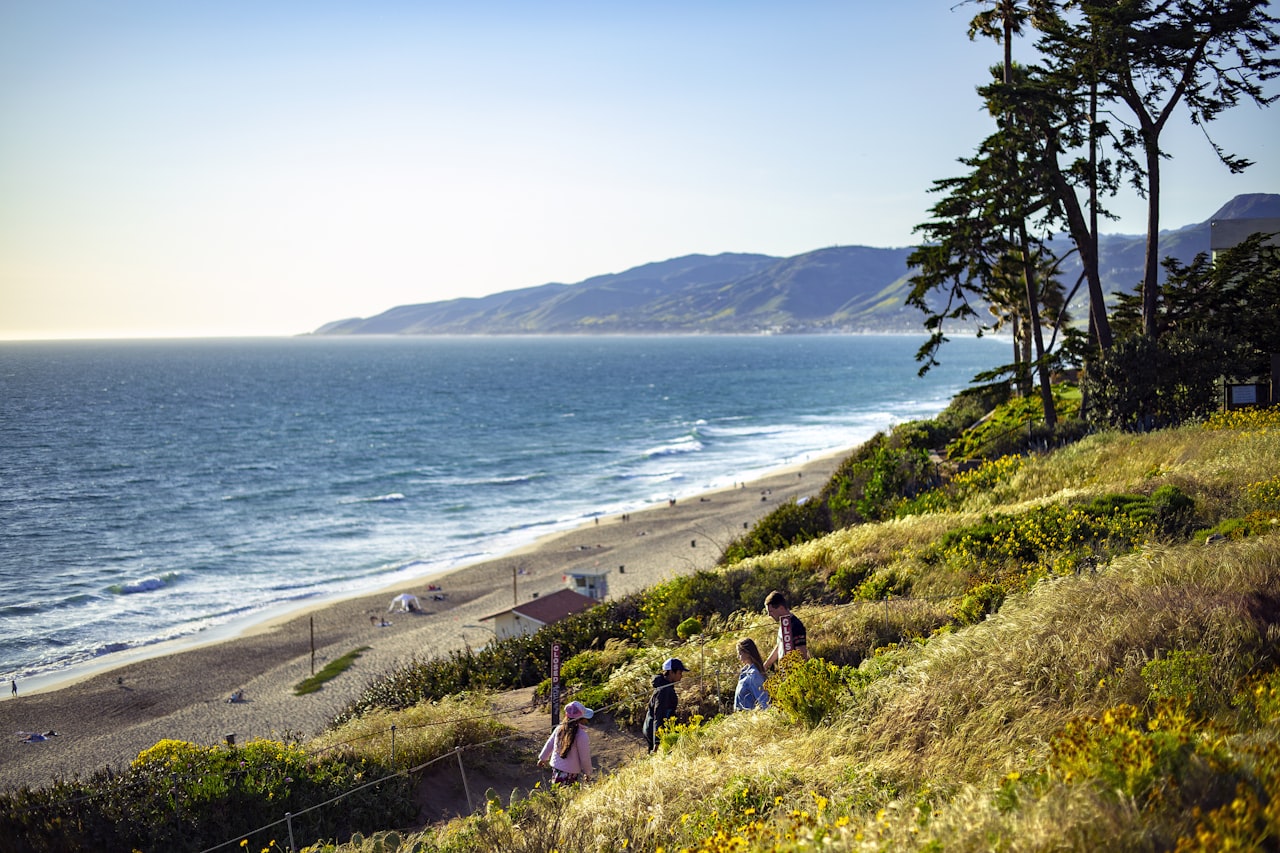
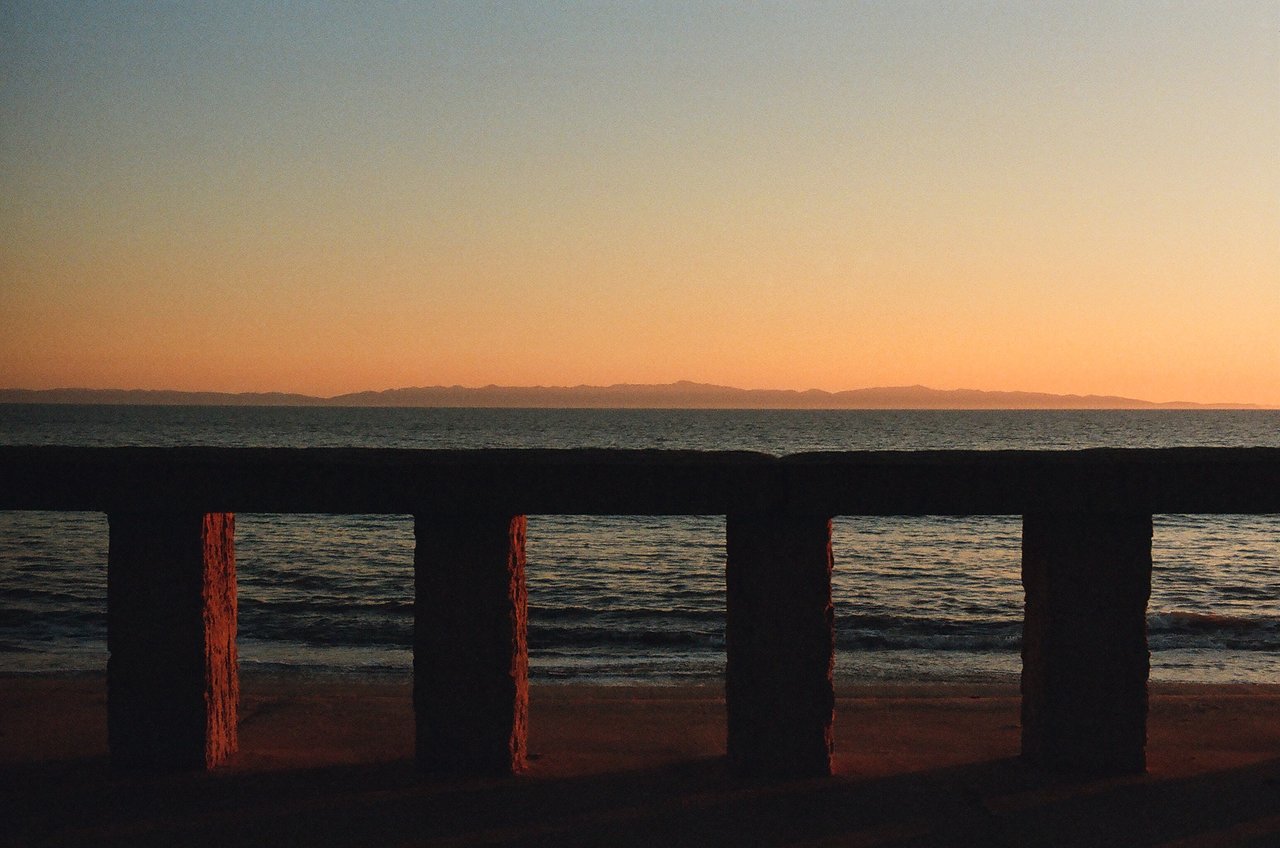
Ocean Avenue offers a different luxury proposition. Here, the experience is tied more directly to views, building orientation, and immediate access to Santa Monica’s coastal public realm. The corridor runs alongside Palisades Park, a more than 26-acre linear park with walking paths, benches, picnic areas, public art, a rose garden, and the Camera Obscura Art Lab.
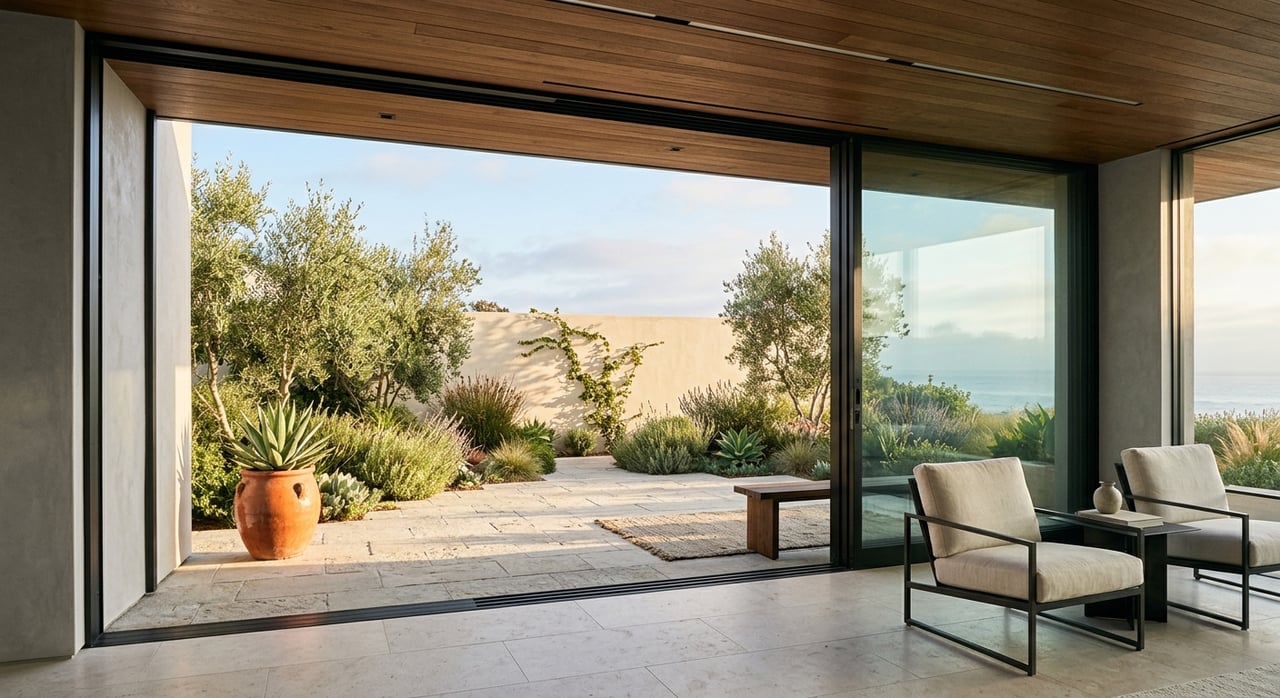
This location shapes everyday life in a visible way. City documents describe Ocean Avenue as a view edge, with landscaping and setbacks that extend the visual character of Palisades Park and preserve open sightlines toward the ocean and beach. For many buyers, that creates a luxury experience centered on outlook, proximity, and ease of access to Santa Monica’s signature destinations.
What daily life feels like
Ocean Avenue is more public-facing and more active. You are closer to the park, the beach, the Santa Monica Pier, and visitor circulation patterns that make this stretch one of the city’s best-known corridors. The Pier Bridge connection noted by the city reinforces that relationship between Ocean Avenue and Santa Monica’s most visited waterfront landmarks.
That does not mean every residence on Ocean Avenue feels the same. Some sections are lower-rise, and not every property is in a tower. But the corridor’s overall identity is more urban, more vertical, and more view-oriented than North of Montana.
Privacy vs. walkability
If you want the shortest possible comparison, this is often it: North of Montana is more about privacy and land, while Ocean Avenue is more about views and walkability. That framing is a synthesis of the city’s land-use and historic documents, and it is the most practical lens for buyers choosing between the two.
North of Montana tends to suit buyers who prioritize setback from activity, larger parcels, and homes with a stronger sense of separation from the public realm. Ocean Avenue tends to fit buyers who want to step into the coastal environment more directly, with the tradeoff that the setting is more visible and more active.
Architecture and ownership style
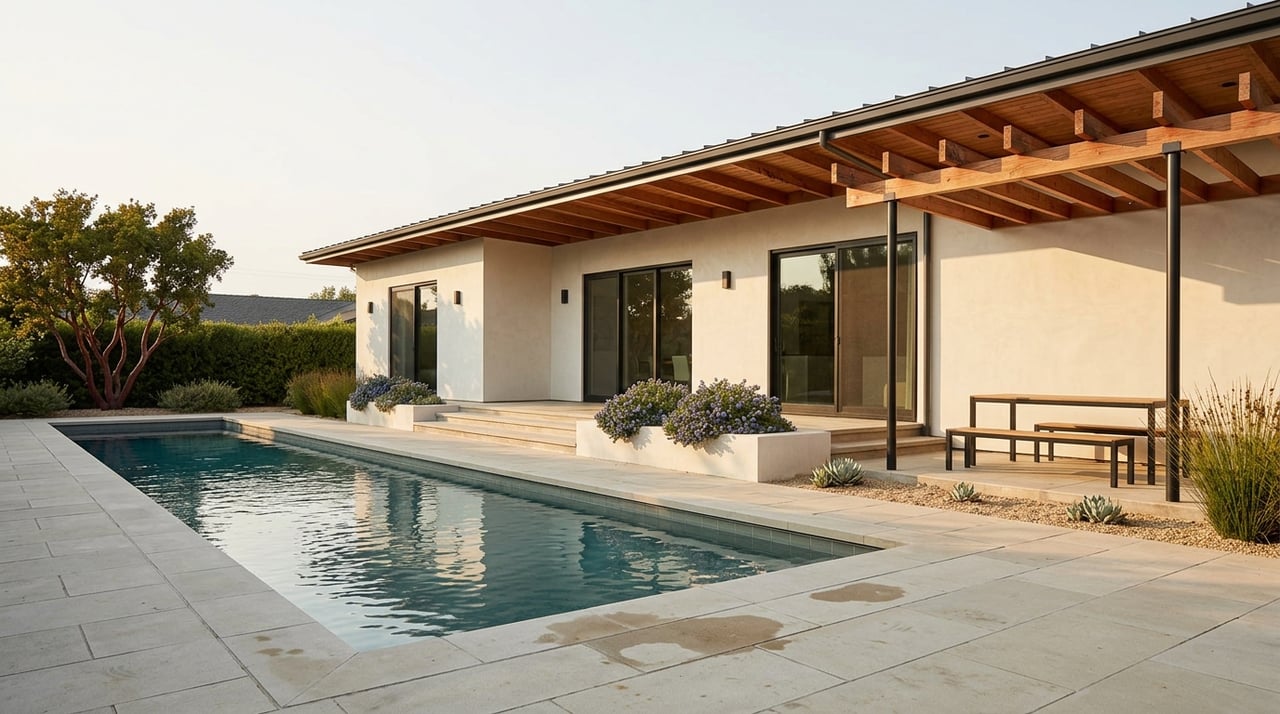
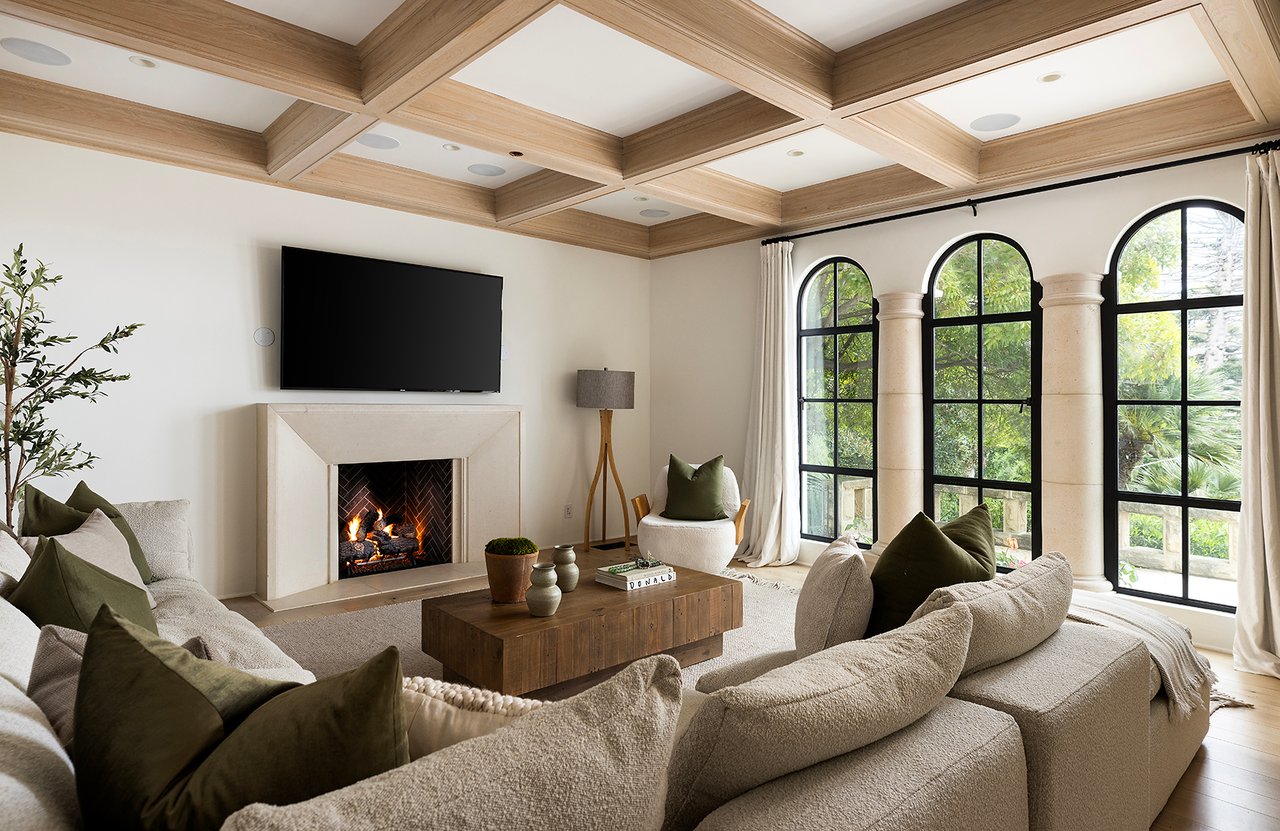
The architecture tells you a lot about the ownership experience. In North of Montana, the housing stock is defined more by single-family homes, historic architecture, and parcel-level individuality. One property may differ sharply from the next in style, scale, and design pedigree.
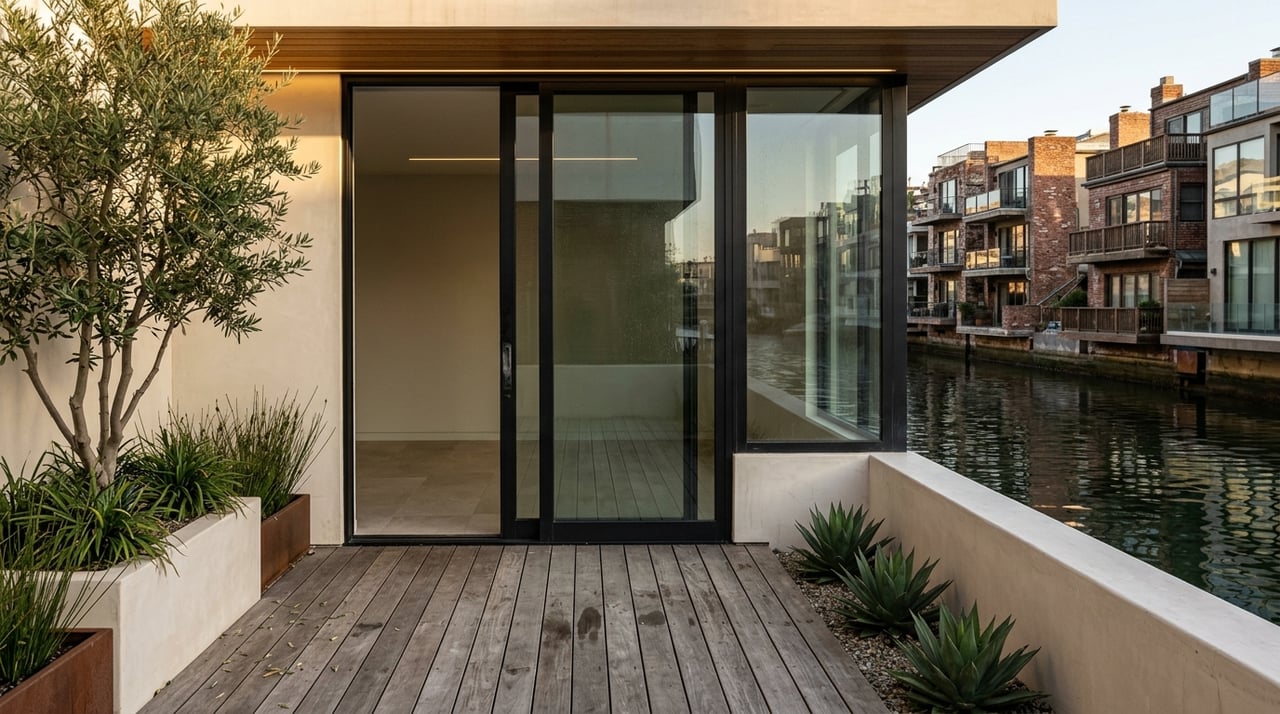
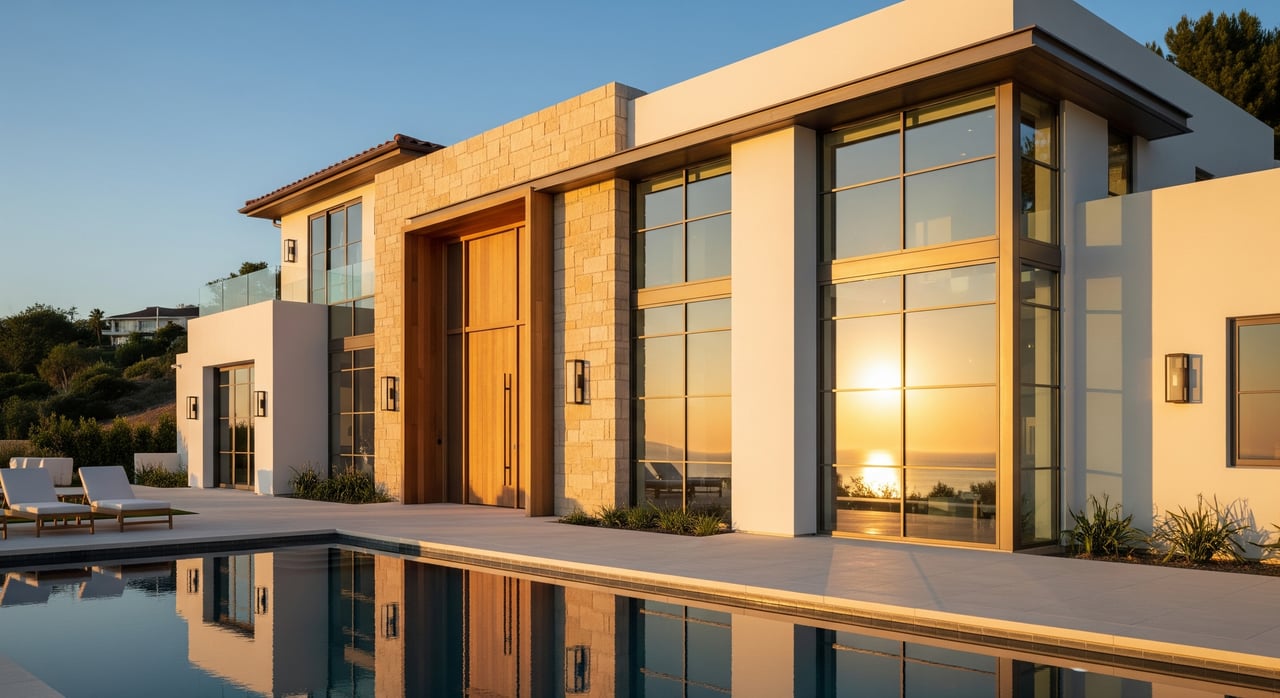
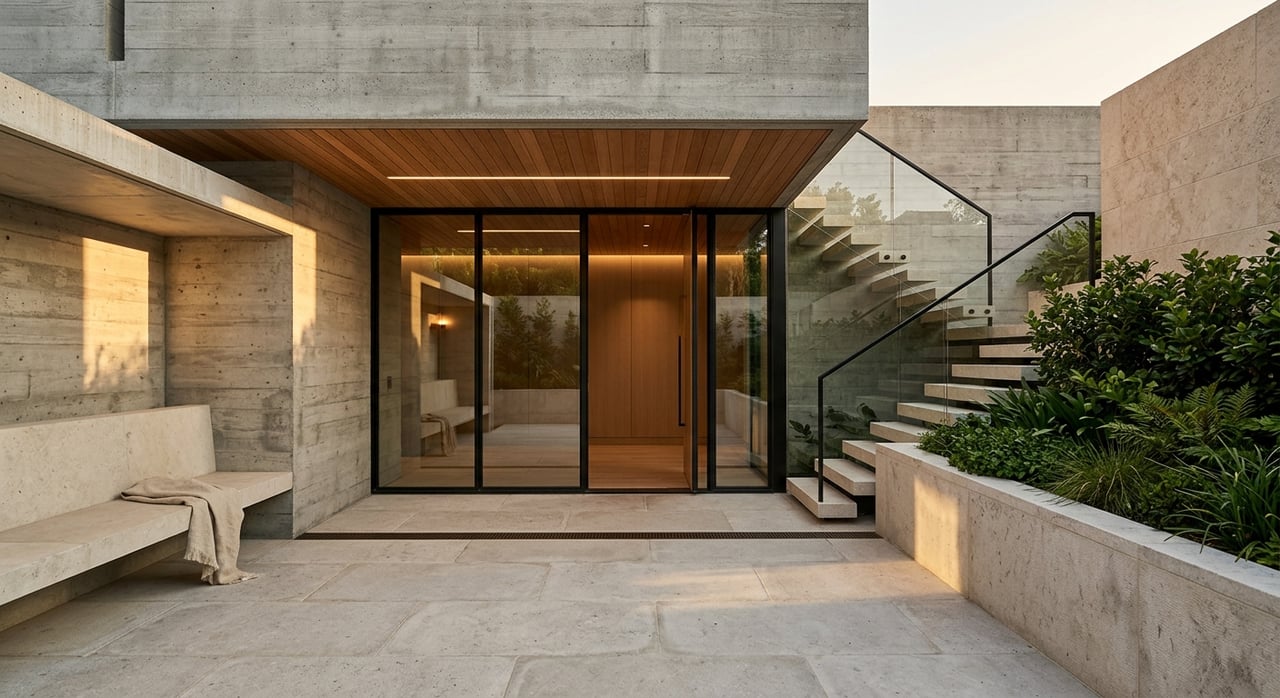
On Ocean Avenue, the decision often shifts from lot and structure to building and position within the building. View orientation, floor level, HOA structure, building maintenance, and shared amenities can become central to value. For a buyer, that means the search process is often less about land scarcity and more about matching the right residence to the right building.
Schools are district-wide
For buyers comparing these two areas, the school question is often simpler than expected. Both locations fall within the Santa Monica-Malibu Unified School District, so the difference is not about one corridor being in a separate public school system. The district lists schools including Roosevelt Elementary, Franklin Elementary, Lincoln Middle, and Santa Monica High School.
What matters is the specific address. The district notes that attendance is boundary-based and encourages families to verify assignments through its School Locator. If school attendance is part of your decision, it is best to confirm the exact property rather than assume based on the neighborhood name alone.
How the market logic differs
Santa Monica remains a premium market, though recent data suggests a softer backdrop than some buyers may expect. Zillow reported the average Santa Monica home value at $1,703,948 as of March 31, 2026, down 0.5% year over year, with homes going pending in about 39 days, according to Zillow’s Santa Monica market data. That is useful context because it supports a nuanced view of value rather than a simple assumption of constant appreciation.
Within that broader market, North of Montana and Ocean Avenue tend to carry different long-term stories. North of Montana reads more as a scarcity play, tied to lower-density parcels, mature streetscapes, and development standards intended to preserve neighborhood scale. In 2019, the city approved changes to single-unit dwelling development standards affecting more than 6,000 parcels, including North of Montana, with an explicit goal of managing scale and preserving neighborhood character.
Ocean Avenue’s value case is different. It is more closely tied to protected views, coastal access, building quality, and corridor-level public investment. City planning materials point to its role as a view corridor and public-facing edge, which helps explain why building condition and exact location can matter so much from one address to the next.
Which buyer each area fits
Neither corridor is universally right. Each aligns with a different set of priorities.
North of Montana may fit you if you want:
- A lower-density residential setting
- Larger parcels and more separation from activity
- Historic or architecturally varied single-family homes
- A luxury experience centered on privacy, scale, and long-term scarcity
Ocean Avenue may fit you if you want:
- Direct access to Palisades Park, the beach, and the Pier area
- A condo or apartment-style ownership experience
- Ocean and park views as a central part of daily life
- A more walkable, active, and public-facing coastal setting
The right choice comes down to lifestyle
In Santa Monica, luxury is not one-size-fits-all. North of Montana and Ocean Avenue both sit within the same high-value coastal market, yet they deliver very different experiences once you look past the price point. One leans toward land, privacy, and architectural legacy. The other leans toward views, vertical living, and immediate connection to the coast.
If you are comparing these two corridors, the smartest next step is to evaluate not just comps or square footage, but also how you want your home to function day to day. For design-driven guidance on Santa Monica’s luxury market and a discreet, tailored approach to coastal property decisions, connect with Eric Haskell.
FAQs
What is the main difference between North of Montana and Ocean Avenue in Santa Monica?
- North of Montana generally offers a lower-density, land-and-privacy luxury setting, while Ocean Avenue offers a more view-driven, walkable, and building-oriented coastal lifestyle.
Is North of Montana quieter than Ocean Avenue in Santa Monica?
- In general, yes. North of Montana’s interior streets tend to feel more residential and less public-facing, while Ocean Avenue sits alongside Palisades Park and major visitor destinations.
Are Ocean Avenue homes mostly condos in Santa Monica?
- Ocean Avenue is primarily characterized by higher-density apartments and condominiums, though it also includes lower-rise sections and is not made up only of towers.
Are schools different between North of Montana and Ocean Avenue in Santa Monica?
- Both areas are within Santa Monica-Malibu Unified School District, and school assignment depends on the specific property address rather than the corridor alone.
Is North of Montana mostly single-family homes in Santa Monica?
- Mostly, yes. City documents describe it as largely lower-density, one- to two-story single-family housing on larger parcels, though there are some denser edge conditions.
What should buyers compare when choosing Ocean Avenue real estate in Santa Monica?
- Buyers should pay close attention to view orientation, building quality, HOA structure, maintenance, and the exact location along the corridor, since those factors can shape value and day-to-day living in a major way.