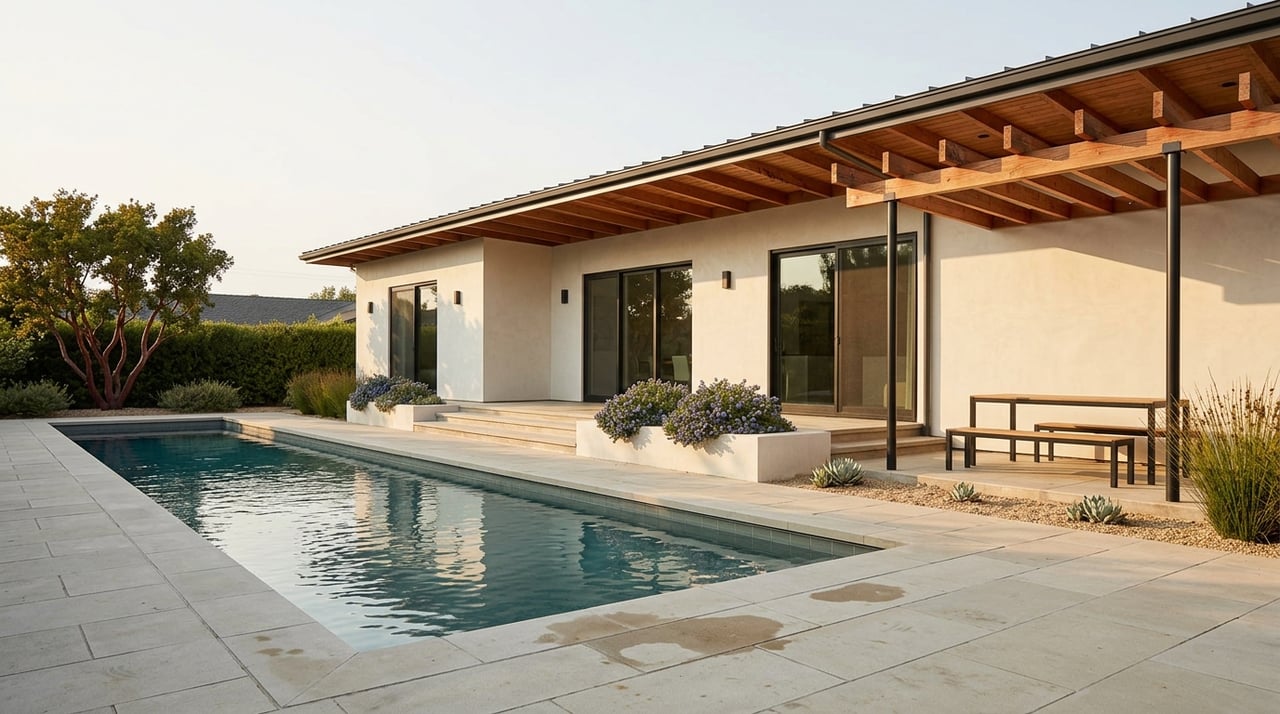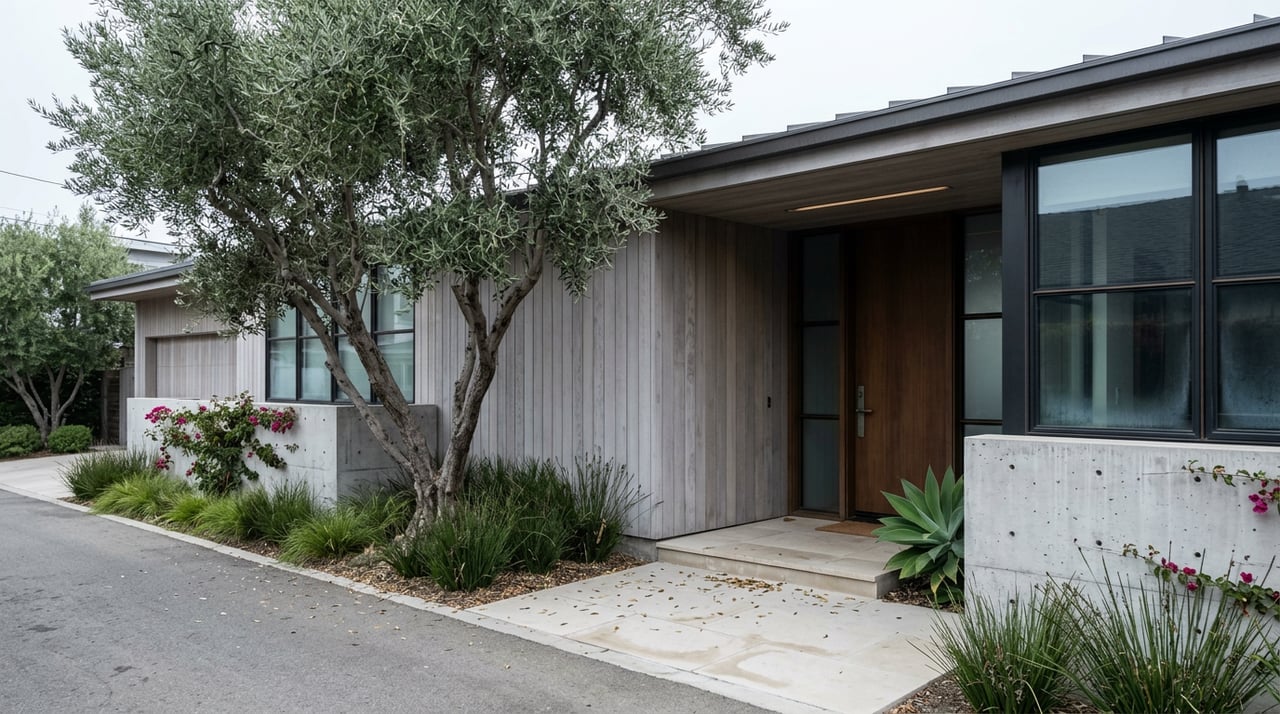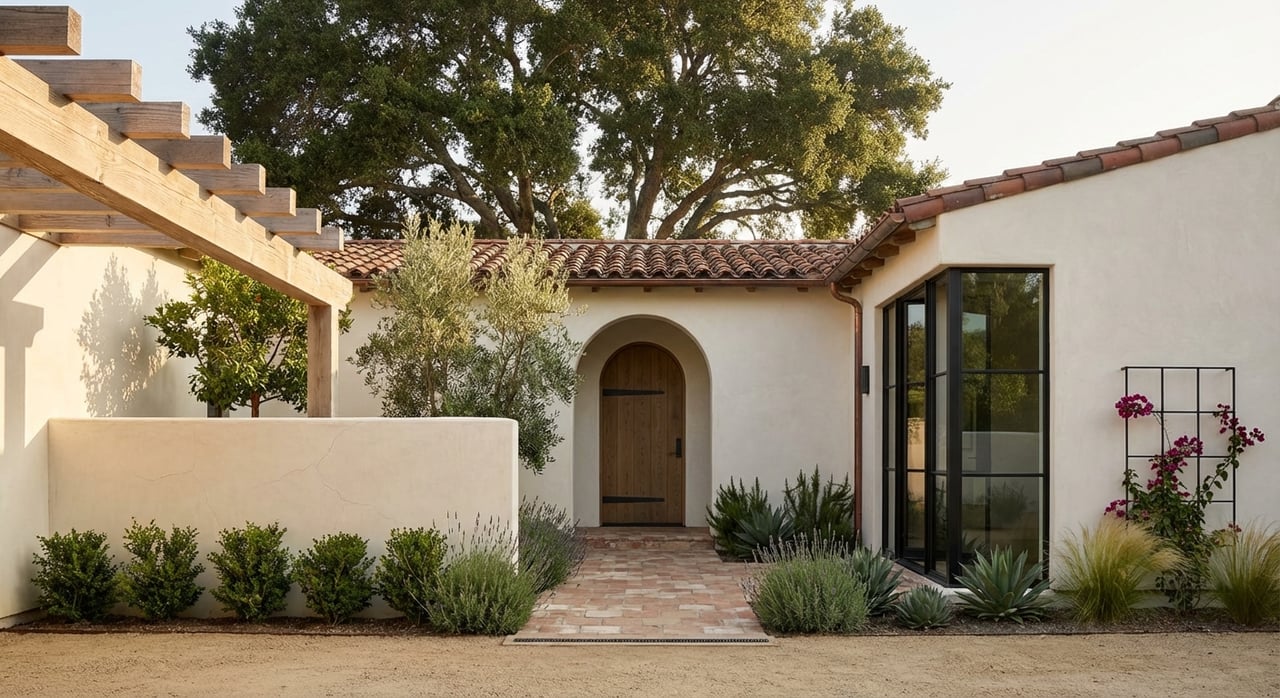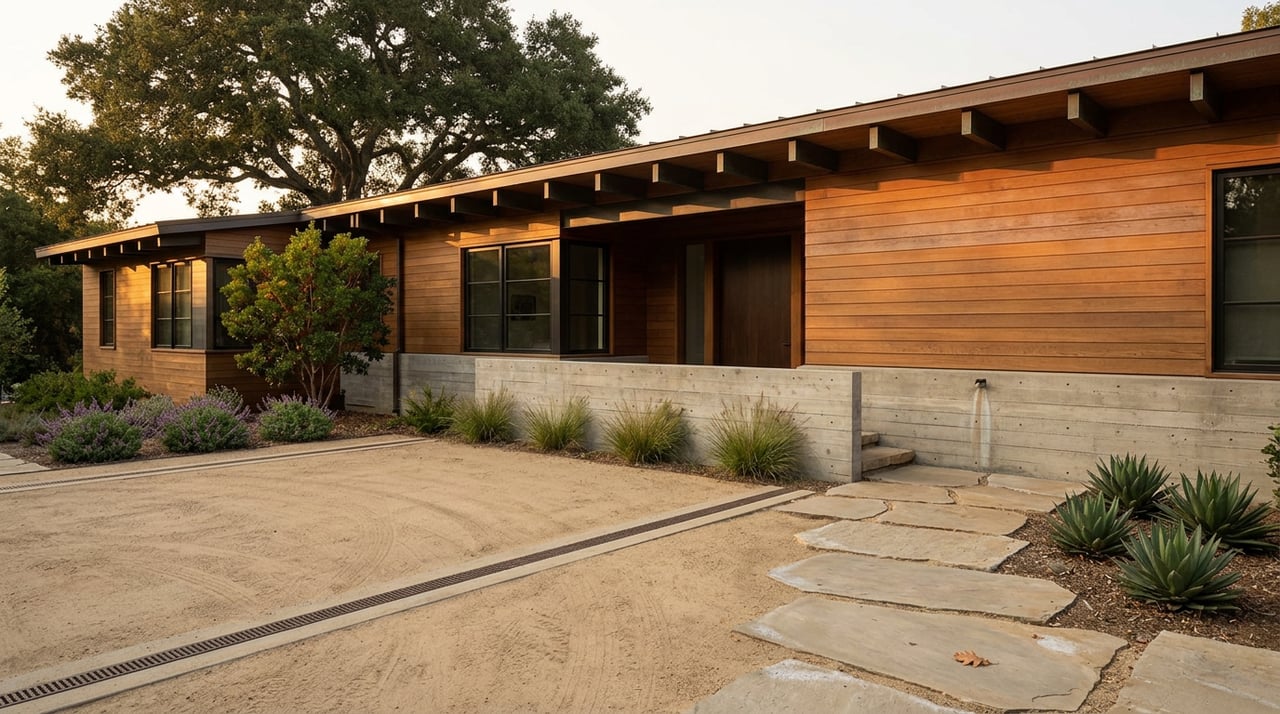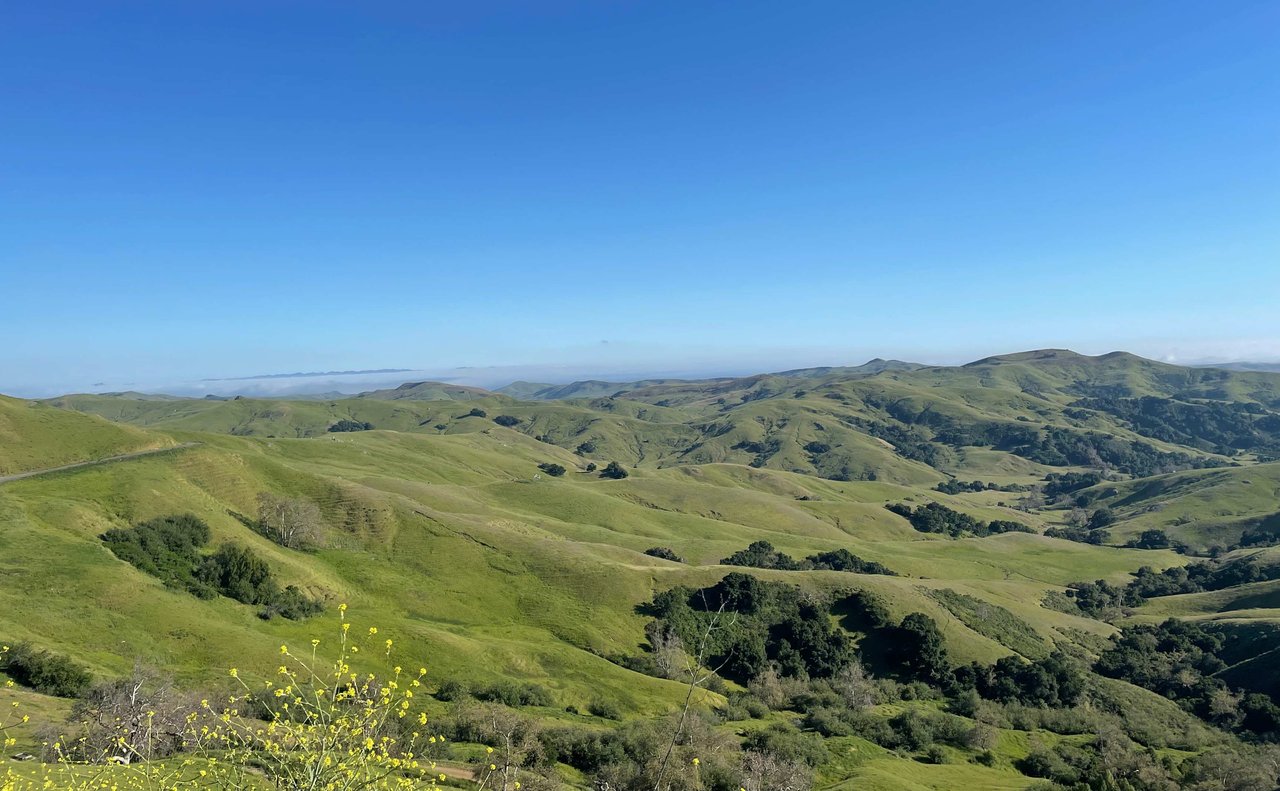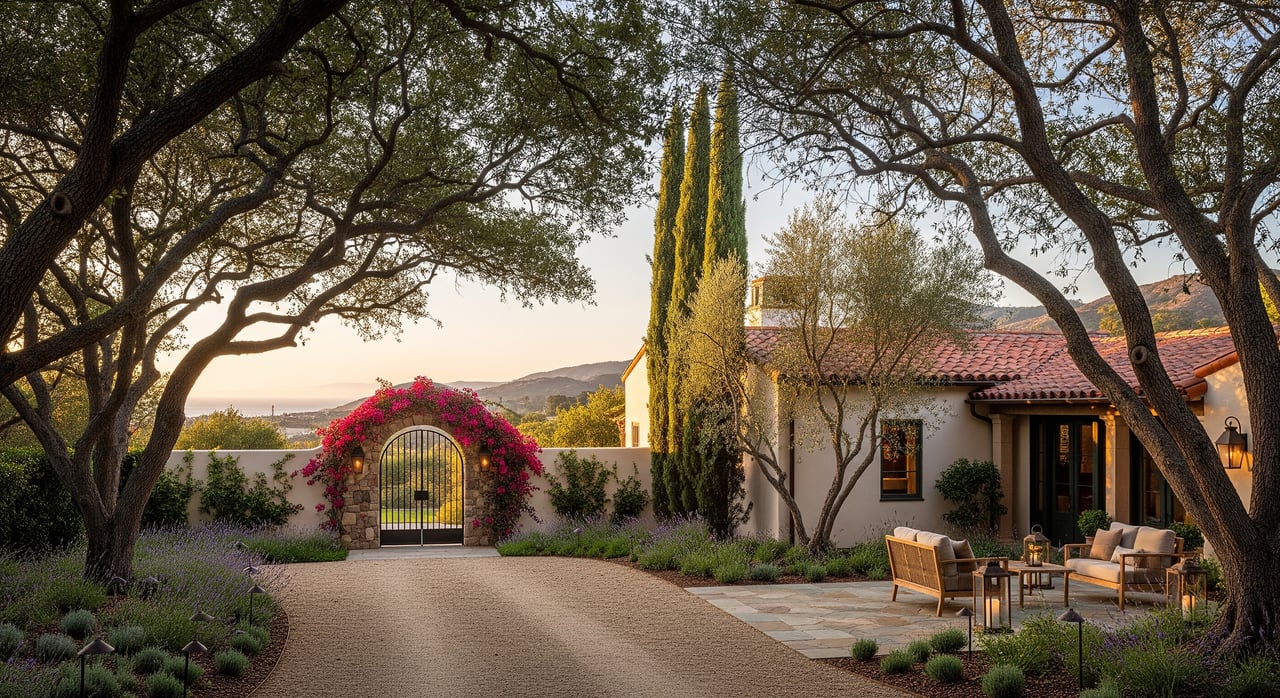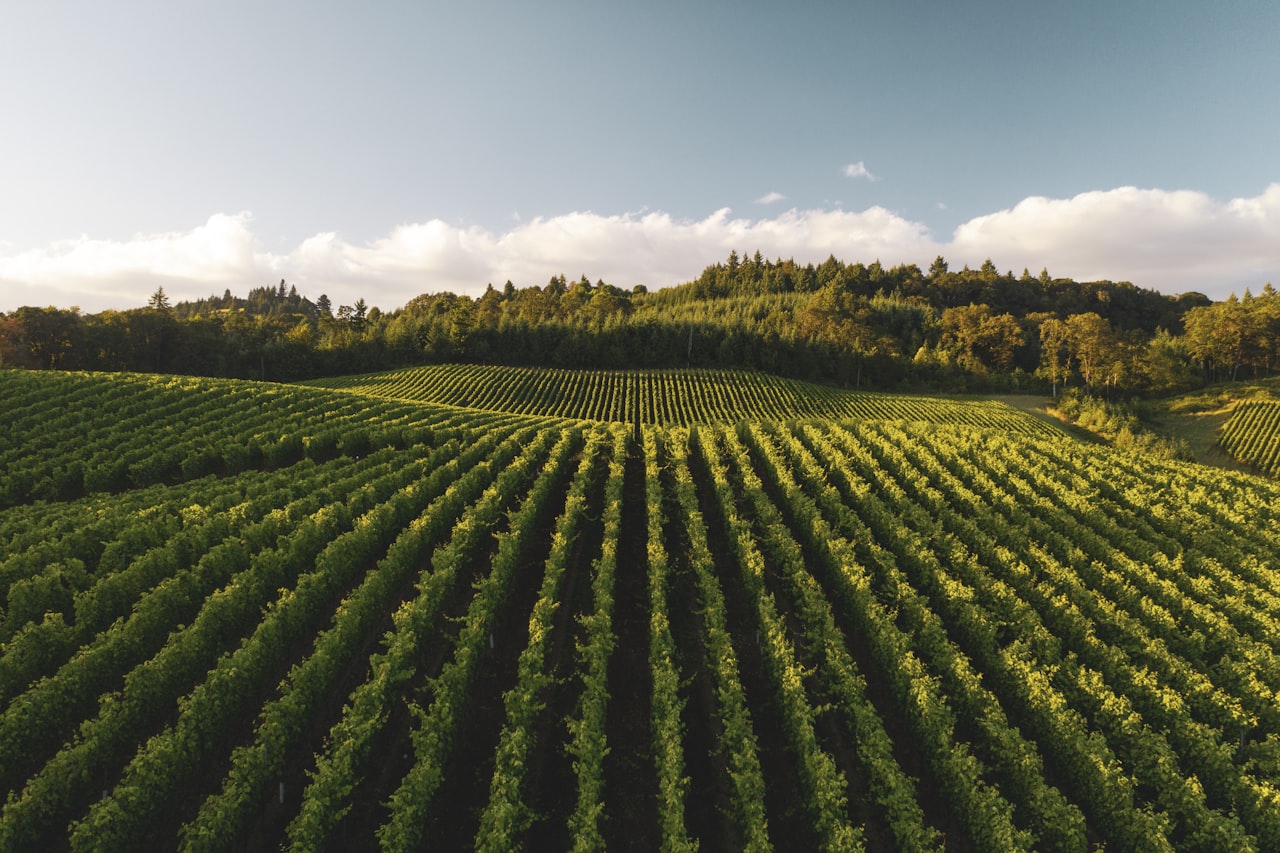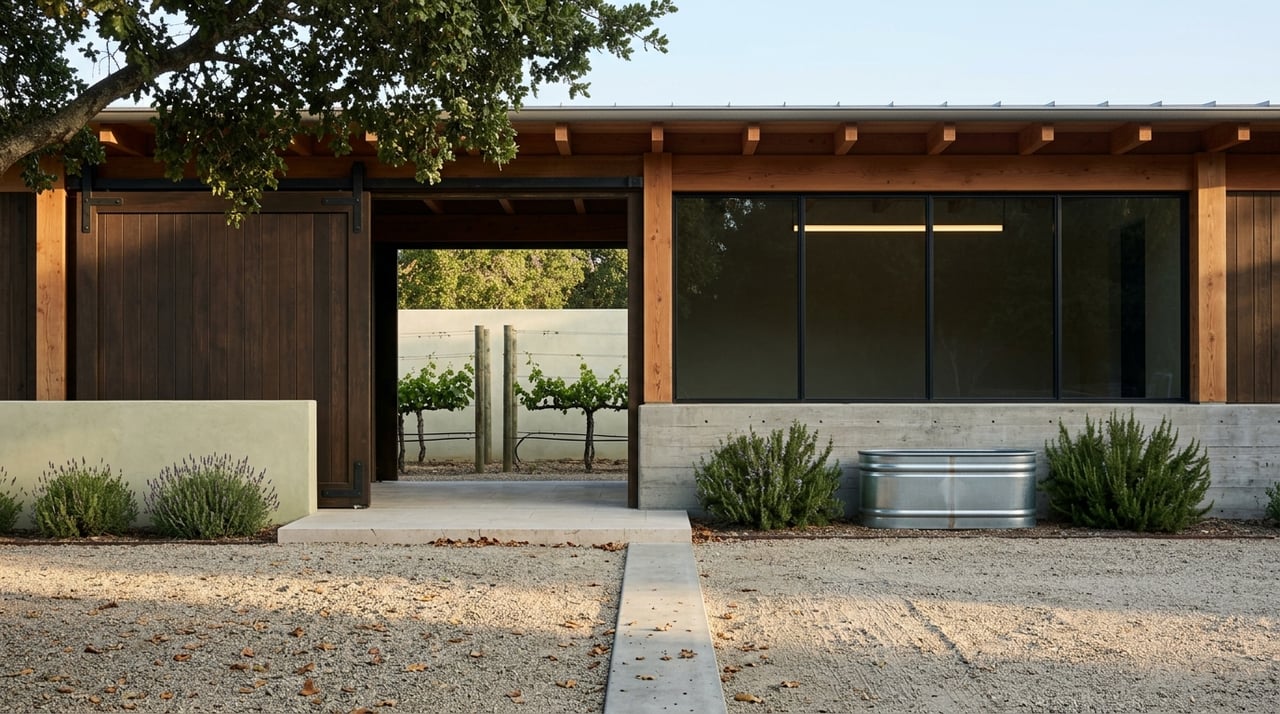
Buying a ranch or vineyard property in Santa Ynez can feel exhilarating right up until you realize the real story is not just the house, the views, or even the vines. It is the land itself, and the rights, records, water systems, and county rules that come with it. If you are considering a rural purchase in this part of Santa Barbara County, understanding those layers early can save time, protect value, and help you buy with confidence. Let’s dive in.
Why Santa Ynez Requires a Different Lens
Santa Ynez is not one single, uniform market. In practice, buyers are looking at overlapping layers that include a six-community valley, a federally recognized wine appellation, and highly specific rural parcel conditions.
That matters because two properties with similar acreage can offer very different ownership experiences. A town-edge estate near amenities, a vineyard parcel within an AVA, and a canyon ranch may each have distinct access, utility, zoning, and entitlement realities.
For many buyers, this is the first shift in mindset. In Santa Ynez, the purchase is often less about the residence alone and more about the full land profile behind it.
Understanding Santa Ynez Sub-Markets
The Santa Ynez Valley includes the communities of Ballard, Buellton, Los Alamos, Los Olivos, Santa Ynez, and Solvang. Each can serve a different lifestyle or ownership goal, especially when you are comparing convenience, privacy, agricultural use, or proximity to wine country activity.
Town-Edge and Amenity Parcels
Parcels near the valley’s communities often appeal to buyers who want easier access to services, dining, and day-to-day convenience. These properties may still feel rural, but they can function very differently from deeper agricultural or canyon holdings.
If your goal is a refined country property with easier logistics, this category may be your best fit. It is still important, however, to confirm zoning, permits, and utility details on a parcel-by-parcel basis.
Ranch and Canyon Estates
Ballard and the surrounding rural valley landscape are often associated with larger ranch settings and more secluded estates. These properties can offer scale, privacy, and a strong sense of land stewardship, but they also tend to require deeper review of access, road conditions, fire provisions, water infrastructure, and wastewater feasibility.
A beautiful setting does not always mean a simple ownership profile. Elevated or remote parcels may need tanks, pumps, reservoirs, or other supporting infrastructure that changes both cost and long-term management.
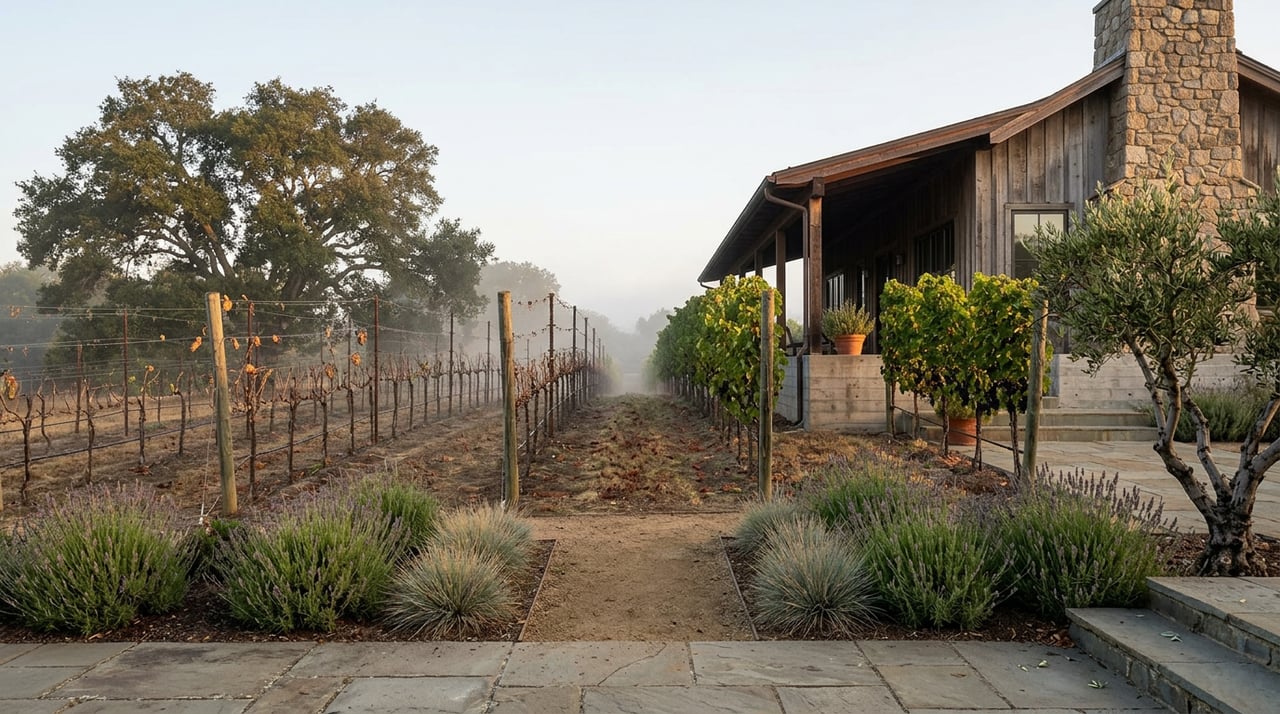
Vineyard and Wine-Production Parcels
The Santa Ynez Valley AVA was established in 1983 and includes overlapping sub-AVAs such as Ballard Canyon, Happy Canyon of Santa Barbara, Los Olivos District, and Sta. Rita Hills. AVA status matters because it identifies a delimited grape-growing region used to state origin more precisely on wine labels.
For buyers interested in vineyard land, this geographic framework is more than branding. It can shape how you evaluate the parcel’s agricultural identity, its production potential, and the importance of confirming the exact location of the property within the valley’s appellation structure.
Start With Zoning and Permit History
In Santa Barbara County, land use is highly parcel-specific. Before you rely on how a property is marketed or how it has been used in the past, you should confirm zoning, permit history, and public records tied to the parcel.
The county provides tools for zoning research, parcel permit history, and public-record access. These are essential early steps because many of the biggest surprises in rural transactions involve entitlements, older approvals, or unpermitted improvements rather than visual issues you can spot during a showing.
Verify What Is Actually Allowed
A buyer may assume a parcel can support vineyard operations, events, hospitality, tasting uses, or agricultural processing simply because the setting seems ideal. In reality, those uses may depend on zoning, preserve status, or additional approvals such as conditional use permits.
This is especially important if you are buying with a long-term vision. If you expect flexibility in how the property can be used over time, confirm that flexibility before you close.
Check Parcel Legality
For older ranches, legacy holdings, or parcels created through historic lot splits, confirming legal parcel status is a critical step. Santa Barbara County code addresses certificates of compliance and conditional certificates of compliance, which can affect how a parcel is recognized and what may be required in the future.
In practical terms, this means you should not assume age or prior ownership history answers the question. A clean diligence process should confirm legality directly through county resources.
Understand Agricultural Preserve and Williamson Act Status
If a parcel is part of the county agricultural preserve or under a Williamson Act contract, that status deserves early attention. The county assessor maintains resources for these properties, and annual questionnaires are submitted by agricultural preserve contract holders.
For buyers, preserve status can affect flexibility and long-term land-use options. It does not make a property less compelling, but it does mean you need a clear understanding of what comes with that designation.
Right-to-Farm and Agricultural Context
The county Agricultural Commissioner lists both an Agricultural Preserve Program and a Right-to-Farm program. In an active farming region like Santa Ynez, these are meaningful parts of the ownership landscape.
If you are buying next to working agricultural land, or purchasing a parcel intended for agricultural use, it helps to understand that rural ownership here exists within a broader operating farm environment. That context can shape expectations around neighboring uses and day-to-day realities.
Ag Enterprise Opportunities
Santa Barbara County also identifies topics under its Ag Enterprise Ordinance that include farmstay uses, campgrounds, small-scale special events, educational experiences and opportunities, low-impact camping areas, and small-scale agricultural processing. For some buyers, this opens the door to a broader vision for the property.
That said, these possibilities should never be assumed. They require careful review of the parcel’s actual eligibility, approvals, and operating limits.
Water Is the Core Diligence Issue
On rural Santa Ynez property, water often becomes the central question. Santa Barbara County’s water programs note the importance of protecting public health and ensuring safe, adequate supplies, while Environmental Health oversees water wells and drinking water programs.
For many ranch and vineyard purchases, the quality of the acquisition depends as much on water reliability as on acreage or architecture. A parcel with uncertain well history or incomplete records may deserve much more scrutiny than a buyer expects at first glance.
Private Wells Need Independent Review
For private domestic wells, the well owner is responsible for making the water safe. That makes water testing, production history, and system review especially important during escrow.
You should request the well completion report, any available well logs, pump history, production records, test results, and details about backup power or water storage. These records can help you understand not just whether a well exists, but how it performs and how resilient the system may be.
Well Records Matter
California requires a well completion report after a well is constructed, altered, or destroyed. These reports can be located by address or coordinates through the state’s well completion report system.
For buyers, this is one of the most valuable pieces of documentation in a rural transaction. It provides a factual record that can help you move beyond assumptions and evaluate the property with greater precision.
Groundwater Rights Are a Separate Issue
Water rights should be reviewed separately from the physical well equipment. In California, groundwater rights are generally described as overlying, appropriative, or adjudicated, and local management under SGMA adds another layer to consider.
Santa Barbara County recognizes the Santa Ynez River Valley as one of its groundwater basins, so you should verify whether a parcel sits within that basin and what local groundwater management structure applies. In other words, the existence of a well is only part of the picture.
Wastewater, Access, and Rural Infrastructure
County land-division rules show why wastewater and infrastructure diligence should happen early. Individual sewage systems are reviewed case by case and may be limited or prohibited if they could threaten groundwater or public health.
For a buyer, that means septic feasibility is not a box to check at the end. It is a core part of understanding whether the property fits your intended use.
Septic and Wastewater Review
You should confirm septic feasibility, perc tests, and any county health approvals that may be required for special designs. This is especially important for properties where future expansion or operational use could change wastewater demand.
A parcel that looks expansive may still have wastewater limitations that affect building plans or agricultural support uses. Early review keeps expectations grounded.
Roads, Fire Access, and Service Logistics
Rural properties can also involve special fire, road, and water-supply provisions. On operating ranches or vineyard parcels, buyers should review road maintenance, fire access, water storage, and infrastructure needed for elevated terrain.
This can include tanks, pumps, or reservoirs that are essential to the practical use of the property. These details may not be glamorous, but they are often what separate a smooth ownership experience from a frustrating one.
A Smart Santa Ynez Buyer Checklist
Before moving forward on a ranch or vineyard purchase, focus on these essentials:
- Confirm the legal parcel, access, easements, and permit history.
- Verify zoning and whether the parcel has agricultural preserve or Williamson Act status.
- Review whether intended uses may require conditional use permits or other entitlements.
- Request well completion reports, well logs, production history, test results, and backup water details.
- Confirm whether the parcel is within the Santa Ynez River Valley groundwater basin and understand the local management context.
- Evaluate septic feasibility, perc testing, and any health approvals for wastewater systems.
- Review fire access, road maintenance responsibilities, and water infrastructure for rural or elevated sites.
The Real Opportunity in Santa Ynez
What makes Santa Ynez so compelling is also what makes it nuanced. These properties can offer beauty, scale, agricultural character, and a strong sense of place, but the best purchases are guided by disciplined review of what lies beneath the surface.
When you approach a ranch or vineyard acquisition with care, you are not just buying scenery. You are evaluating a working landscape, a legal framework, and a long-term ownership story that deserves the same level of attention as the residence itself.
For buyers considering legacy land, estate acreage, or vineyard property in Santa Ynez, experienced guidance can make that process far more clear and strategic. To discuss a property search or evaluate a specific opportunity, connect with the Eric Haskell Group.
FAQs
What makes buying a ranch property in Santa Ynez different from buying a standard home?
- Ranch purchases in Santa Ynez often require deeper review of zoning, access, water systems, wastewater feasibility, fire provisions, road maintenance, and parcel legality.
Why does AVA status matter for vineyard property in Santa Ynez?
- AVA status identifies a delimited grape-growing region, and parcels within the Santa Ynez Valley AVA or its sub-AVAs may have added importance for wine-origin identity and vineyard evaluation.
What water records should you request for a Santa Ynez rural property?
- You should request the well completion report, supporting well logs, pump history, production history, water test results, and details on backup power or water storage.
How do you check zoning for a Santa Ynez vineyard or ranch parcel?
- Santa Barbara County provides parcel-specific tools for zoning, permit history, and public records, which should be reviewed early in the diligence process.
What is the Williamson Act and why does it matter in Santa Ynez?
- If a parcel is under a Williamson Act or agricultural preserve contract, that status can affect land-use flexibility and should be verified early with county resources.
Why is septic review important for Santa Ynez land purchases?
- Individual sewage systems are reviewed case by case, and septic feasibility or wastewater limits can affect how you use, improve, or expand a rural property.